
Africa Hunting Trip for Dwarf Buffalo & Sitatunga Cameroon
Booking Season: 2026
Hunt Difficulty: Difficult

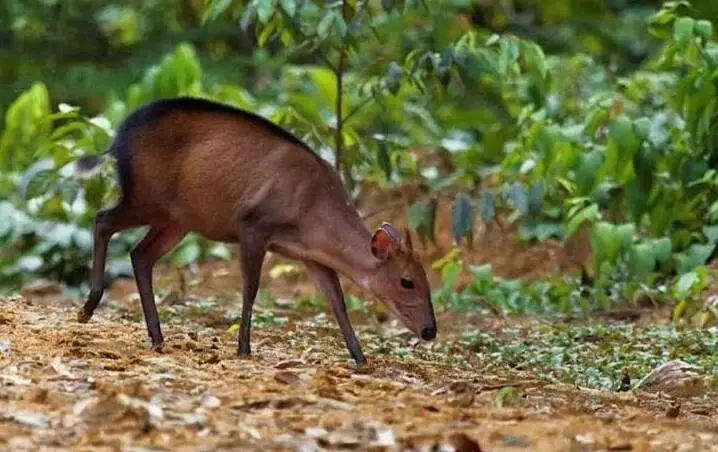
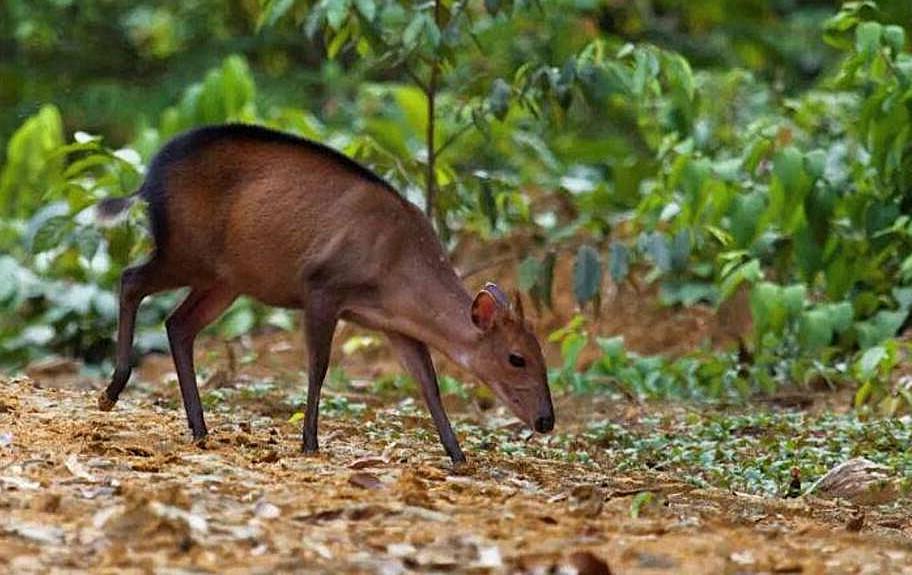
Peter’s duiker hunting in Cameroon is not typically the primary focus of a safari, but it is one of several forest antelope species encountered during rainforest hunts. Most hunters come to Cameroon in pursuit of primary species such as bongo or forest buffalo, with duiker species taken opportunistically when conditions allow.
For American hunters used to structured plains game safaris, this is an important distinction. Cameroon operates very differently. Hunts are built around one primary species, with additional opportunities depending on time in the field and local conditions.
For a full breakdown of how these safaris are structured, see our guide to hunting in Cameroon.
Available Peter's Duiker Hunts
Africa Hunting Trip for Dwarf Buffalo & Sitatunga Cameroon
Booking Season: 2026
Hunt Difficulty: Difficult
Bongo and Forest Elephant Hunting Safari (13 Days) – Cameroon
Booking Season: 2026
Hunt Difficulty: Difficult
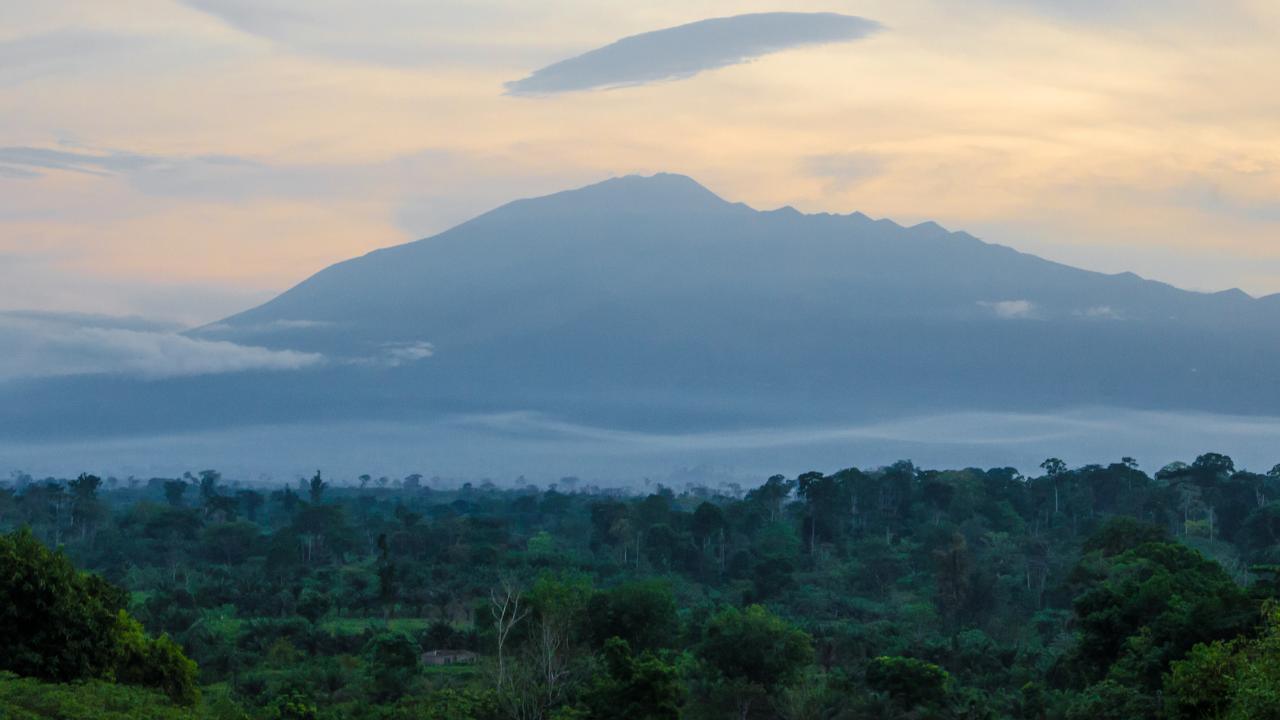
Peter’s duiker are found in Cameroon’s dense rainforest regions, particularly in the southern parts of the country where thick vegetation and limited visibility define the hunting environment.
Most encounters occur in dense primary forest and secondary growth, areas with heavy ground cover and minimal visibility, and remote rainforest concessions with low hunting pressure. Compared to more commonly encountered species such as blue duiker, Peter’s duiker are seen less frequently and tend to be more sporadic in their appearance.
Cameroon offers several duiker species, each encountered under similar conditions but varying in frequency, size, and importance to different hunters. Peter’s duiker are part of the broader group of West and Central African rainforest antelope, with viable hunting opportunities primarily limited to this region.
Peter’s duiker are not typically pursued as a dedicated tracking species. Most opportunities occur while moving slowly through forest terrain during the course of a broader safari.
Hunters generally encounter them along forest paths and natural travel routes, near feeding areas or thick cover, and during early morning or late afternoon movement. In rainforest concessions, hunting is conducted on foot along established trails or old logging tracks, often covering significant ground each day under dense canopy.
Encounters are usually brief and require immediate reaction. Visibility is limited, and animals often appear and disappear within seconds. As with other forest species, the more time spent in the field, the greater the likelihood of encountering Peter’s duiker, although opportunities remain unpredictable and inconsistent.
Peter’s duiker are not considered a primary target species, but they hold value for hunters interested in collecting a range of forest antelope.
They are less frequently encountered than blue duiker, more sporadic than some smaller duiker species, and of interest to hunters focused on forest species diversity. Compared to species such as blue duiker hunting in Cameroon, Peter’s duiker are encountered less often, making them a less predictable but still meaningful opportunity during a safari.
Within the range of duiker species available in Cameroon, Peter’s duiker are generally encountered less frequently than blue duiker and are considered less consistent than species such as red-flanked duiker, making them a more opportunistic addition rather than a reliable objective.
Most hunters who take Peter’s duiker are already on dedicated bongo hunts, where extended time in the forest increases the likelihood of encountering a variety of duiker species.
This reflects the structure of hunting in Cameroon, one primary objective, with additional species taken opportunistically.
Peter’s duiker are elusive and well adapted to dense rainforest environments. Hunters should expect very limited visibility, short and unpredictable encounters, few clear shot opportunities, and a realistic chance of not encountering one at all. Even in areas where they are present, sightings are inconsistent and depend heavily on local conditions.
Compared to more commonly encountered species like blue duiker, Peter’s duiker are less predictable and may only appear once during an entire safari — if at all. Encounter rates can vary significantly depending on concession, weather, and hunting pressure. Many hunters complete a full safari without encountering this species, even in areas where it is known to occur.
While opportunities do exist, they should be viewed as part of the broader safari rather than a guaranteed outcome.
Peter’s duiker hunting in Cameroon is best suited to hunters already committed to a rainforest safari who understand that opportunities for smaller forest species develop over time rather than through targeted effort.
It appeals particularly to those pursuing bongo or other primary forest animals, where extended time in the field increases the likelihood of encountering less common species. For some hunters, it represents an additional layer to the experience rather than a primary goal. This type of hunting also suits individuals who appreciate the unpredictability of forest conditions and are comfortable with limited visibility, brief encounters, and uncertain outcomes.
This type of hunting is not well suited to hunters expecting consistent opportunities or a structured, high-volume safari experience.
Those focused on specific trophy animals or looking to build a long species list quickly may find the pace and unpredictability of rainforest hunting frustrating. Peter’s duiker, in particular, should not be viewed as a guaranteed species. Even in areas where they are present, opportunities depend heavily on time in the field and how the hunt unfolds.
Hunters who approach this type of safari with fixed expectations are less likely to find it rewarding than those who understand the nature of the environment.
Peter’s duiker are not a primary reason hunters travel to Cameroon, but they represent one of the less common opportunities within a rainforest safari. Encounters are infrequent, conditions are demanding, and success is never guaranteed. In many cases, even experienced hunters may not encounter this species during a full safari.
For those who do, taking a Peter’s duiker is often the result of patience, time in the field, and being prepared when a brief opportunity presents itself. While they do not carry the same frequency as smaller species or the trophy weight of larger antelope, they contribute to the broader experience of hunting in one of Africa’s most challenging environments.
Understanding how Peter’s duiker fit into the structure of a Cameroon safari helps set realistic expectations before the hunt begins.
Can you hunt Peter’s duiker in Cameroon?
Yes. Peter’s duiker can be hunted in Cameroon within regulated rainforest concessions, typically as part of a larger safari.
Is Peter’s duiker a primary hunting target?
No. It is considered an opportunistic species encountered during forest hunts.
How difficult is Peter’s duiker hunting?
It is challenging due to low visibility, unpredictable encounters, and limited opportunities.
Search from our range of Hunts across various popular destinations in Africa.

Book Your Hunt