Designed by Hunters, for Hunters

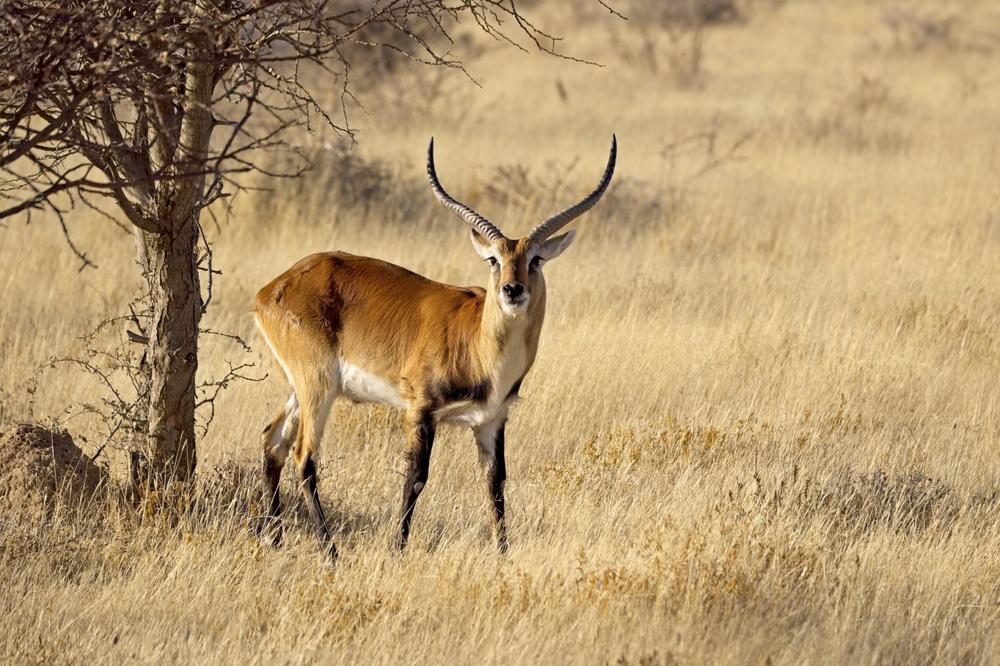
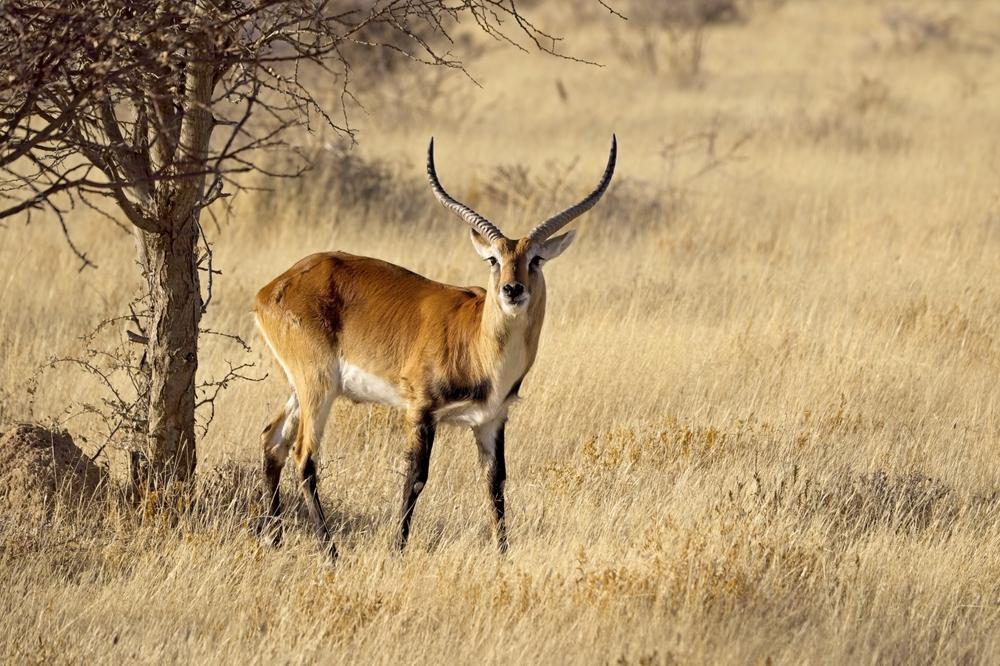
Not every African antelope is defined by mountains, forests or open plains. Some are shaped almost entirely by water. Red Lechwe Hunting in Zambia offers the opportunity to pursue one of Africa's most distinctive wetland antelope, where vast floodplains and seasonal wetlands have influenced the animal's behaviour for thousands of years.
Zambia's famous Kafue Flats are home to one of the continent's largest remaining red lechwe populations. Hunting here is about far more than a single trophy. It is an opportunity to experience Hunting in Zambia, where traditional safaris often unfold across expansive floodplains that support an extraordinary diversity of wildlife.
Water shapes almost every aspect of a red lechwe hunt. Flooded grasslands, reedbeds and shallow channels influence how these antelope feed, move and respond to danger, creating a style of Plains Game Hunting that differs noticeably from pursuing kudu, wildebeest or impala across dry country.
Species collectors are naturally drawn to red lechwe because the hunt offers far more than a distinctive trophy. The animal itself is unique, but so too is the landscape that shaped it. Hunting red lechwe is as much about experiencing Zambia's remarkable floodplains as it is about adding another antelope to the trophy room.
At first glance, red lechwe may appear to be just another African antelope. Spend time watching them in their natural environment, however, and it quickly becomes clear they are perfectly adapted to life on the floodplains. Unlike most plains game, red lechwe spend much of their lives in and around shallow water, where their long, splayed hooves allow them to move confidently across soft ground that would slow many other species.
That adaptation influences every aspect of the hunt. Red lechwe often use water, reeds and marshy ground as natural protection, making careful planning and patient stalking essential. Hunters frequently find themselves watching animals feeding in open wetlands before working patiently into position as the terrain allows.
Red lechwe are also highly social animals, often feeding in herds that can range from a handful of animals to several hundred depending on the season and the location. With so many eyes constantly watching the surrounding floodplains, approaching within comfortable shooting distance requires good fieldcraft, careful use of cover and an experienced Professional Hunter who understands how these herds use the landscape.
Pursuing a mature red lechwe is therefore about much more than identifying the longest horns. It is about understanding an antelope that has evolved to thrive in one of Africa's most distinctive wetland ecosystems.
The Kafue Flats have earned an international reputation among species collectors for one simple reason: few places in Africa offer the opportunity to pursue so many distinctive wetland species during a single safari. While red lechwe are often the primary objective, they are rarely the only reason hunters travel here.
Depending on the hunting area and available quota, a safari may also include Sitatunga Hunts, one of Africa's most elusive and specialised antelope. Black lechwe, where available under the relevant management programme, provide another unique trophy closely associated with Zambia's remarkable floodplain ecosystems. Cape Buffalo Hunts are also available in selected areas, giving hunters the opportunity to combine one of Africa's iconic dangerous game animals with some of the continent's most distinctive plains game species.
The diversity extends even further. Puku are regularly encountered throughout suitable habitat, while bushbuck, warthog and several other plains game species may also be included depending on the hunting concession. Building a safari around several regional trophies allows hunters to experience the full diversity of the Kafue ecosystem rather than focusing on a single animal.
The attraction extends beyond the trophies themselves. Hunting across wetlands, floodplains and reedbeds offers a style of safari unlike almost anywhere else in Africa. Mornings may begin glassing red lechwe feeding across open floodplains before moving into thicker vegetation in search of sitatunga or following fresh buffalo tracks through nearby woodland. Few hunting destinations offer such a varied and rewarding combination of habitats and species.
That combination is what continues to draw experienced hunters back to the Kafue Flats. Rather than travelling for a single trophy, many leave having experienced one of Africa's most distinctive hunting ecosystems and several species that can be pursued in very few other places.
Although red lechwe are classified as plains game hunts, pursuing them differs noticeably from many other African antelope. The open floodplains often provide long sight lines, allowing Professional Hunters to glass herds from a distance before planning a careful approach.
Water levels, reeds and changing ground conditions influence every stalk. Hunters may use raised ground, natural cover or the edges of reedbeds to remain concealed while closing the distance. Wind direction remains just as important as it does when hunting any plains game species, but the open nature of the floodplains often means opportunities can disappear quickly if a herd becomes alert.
In some hunting areas, raised platforms or elevated blinds overlooking sections of the floodplain may also be used where they provide a safe, stable shooting position and good visibility across the wetlands. The hunting method depends on the terrain, water levels and the way red lechwe are using the area at the time of the safari, with experienced Professional Hunters selecting the approach best suited to the prevailing conditions.
Herd behaviour adds another challenge. Mature rams are rarely found alone, and approaching a group with dozens of watchful animals requires patience, careful planning and good communication between the hunter and Professional Hunter. Selecting the right ram without disturbing the rest of the herd is often one of the most rewarding parts of the hunt.
Whether hunting on foot across the floodplains or waiting for the right opportunity from an elevated position, success depends on patience, accurate shooting and adapting to an environment unlike almost anywhere else in Africa.
Planning a red lechwe safari begins long before arriving in camp. Choosing the right hunting concession, allowing enough days in the field and understanding seasonal water levels all play an important role in the success of the hunt. The Kafue Flats change throughout the year, and experienced Professional Hunters adapt their approach as conditions change.
It also pays to think beyond simply taking the first mature ram that presents an opportunity. Like many African antelope, red lechwe vary considerably in horn size, age and overall trophy quality. Hunters who are prepared to be patient often discover there are exceptional old rams worth waiting for. Allowing your Professional Hunter time to assess different animals can make the difference between a good trophy and an outstanding one.
Many hunters also choose to extend their safari to include Cape buffalo, sitatunga or other regional species. Spending additional days in the Kafue Flats not only increases hunting opportunities but also allows time to appreciate one of Africa's most remarkable wetland ecosystems.
Before booking, it is worth understanding how African Hunting Safari Prices are structured, including daily rates, trophy fees and travel logistics. Our carefully planned African Hunting Trips help hunters choose the right concession, safari length and combination of species to make the most of this unique part of Zambia.
Red lechwe are primarily hunted in Zambia's famous Kafue Flats, where extensive floodplains provide ideal habitat for one of Africa's largest remaining populations.
The Kafue Flats support one of Africa's most important wetland ecosystems, allowing red lechwe to thrive in their natural environment. Healthy populations, traditional hunting areas and exceptional wildlife diversity have made the region one of the world's premier destinations for red lechwe hunting.
Red lechwe are specially adapted to life on the floodplains. Their long, splayed hooves allow them to move confidently across soft, waterlogged ground, while their behaviour and habitat differ noticeably from other antelope found in drier environments.
Yes. In suitable hunting areas, many hunters combine red lechwe with Cape buffalo, creating a safari that includes both distinctive plains game and one of Africa's classic dangerous game species.
Depending on the hunting concession, available quota and safari plan, many hunters combine red lechwe with sitatunga, making the Kafue Flats especially appealing to species collectors.
Red lechwe are commonly hunted using spot-and-stalk techniques across open floodplains. Professional Hunters glass herds from a distance before planning a careful approach, although elevated platforms may also be used where local conditions make them effective.
The dry season generally provides the most favourable hunting conditions, as changing water levels improve access to many hunting areas. Exact timing varies between concessions and annual rainfall.
Most hunters choose a medium-calibre rifle that provides good accuracy and adequate power for plains game. Your Professional Hunter can recommend the most suitable calibre based on the other species included in the safari.
Although red lechwe may be the primary objective, allowing additional days provides the opportunity to pursue Cape buffalo, sitatunga and other regional species while giving greater flexibility if weather or water conditions influence the hunt.
Its appeal extends beyond the trophy itself. Red lechwe are closely associated with Zambia's remarkable floodplains, allowing hunters to experience one of Africa's most distinctive wetland ecosystems while pursuing a species found in very few hunting destinations.
Search from our range of Hunts across various popular destinations in Africa.

Book Your Hunt