Hunting Adventures with Honey Badger & 4 Species in Limpopo
Booking Season: 2026
Hunt Difficulty: Moderate

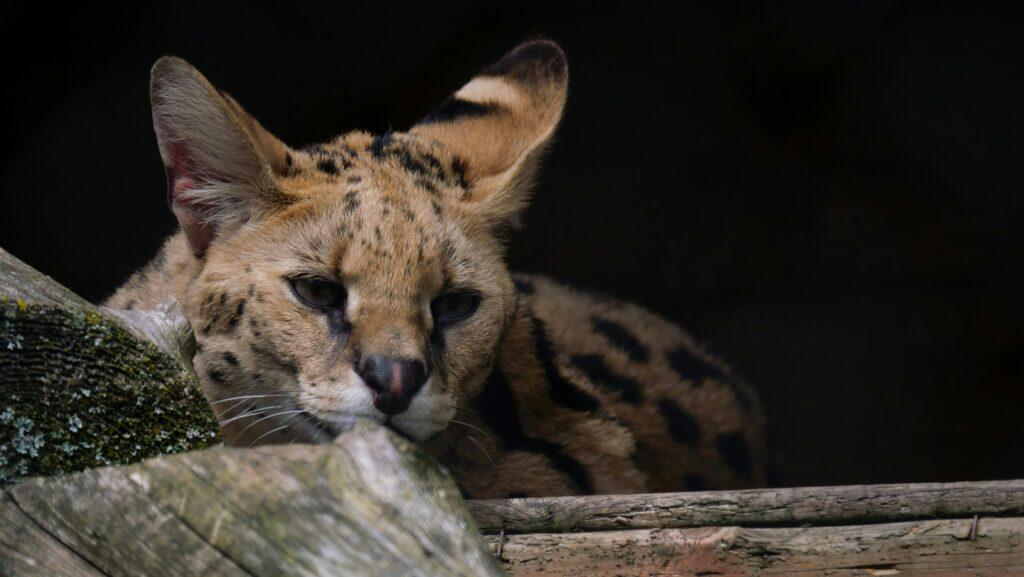
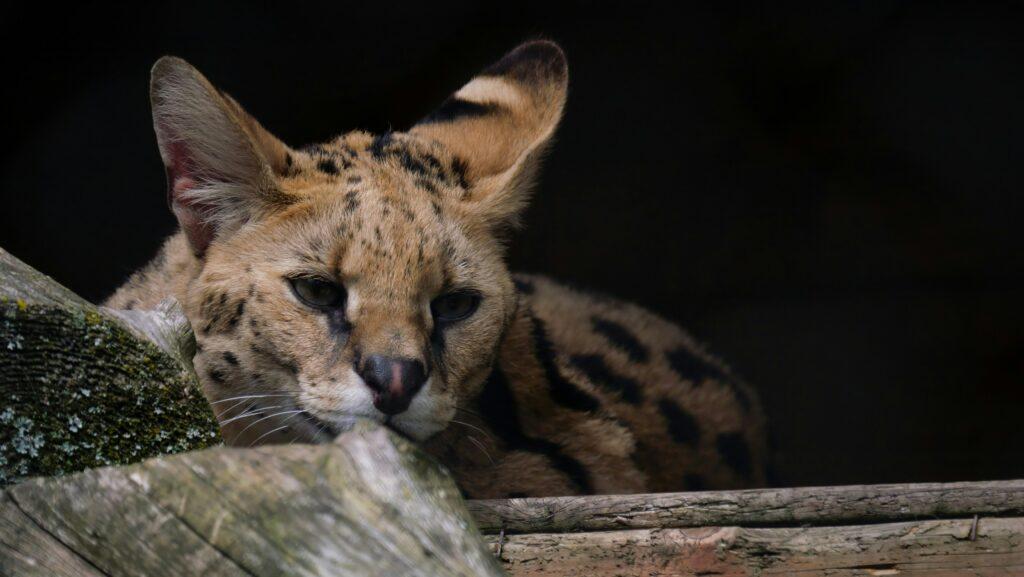
Few hunters travel to South Africa with a serval as the primary objective of their safari. Instead, these elusive spotted cats are most often encountered unexpectedly while hunting at night for other species, making every opportunity both unusual and memorable.
Unlike leopard, servals rarely respond consistently to bait. Most successful serval hunts are opportunistic, taking place while Professional Hunters search suitable habitat with spotlights during night hunts. Because sightings are unpredictable and often brief, success depends on preparation, patience and being ready when the opportunity finally presents itself.
Serval hunting is usually included as part of a broader safari when Hunting in South Africa rather than booked as a dedicated hunt. With the correct permits already in place, hunters may have the chance to pursue one of Africa's most elusive small predators while enjoying a wider Hunting Trip focused on South Africa's exceptional plains game and predator hunting opportunities.
Available Serval Hunts
Hunting Adventures with Honey Badger & 4 Species in Limpopo
Booking Season: 2026
Hunt Difficulty: Moderate

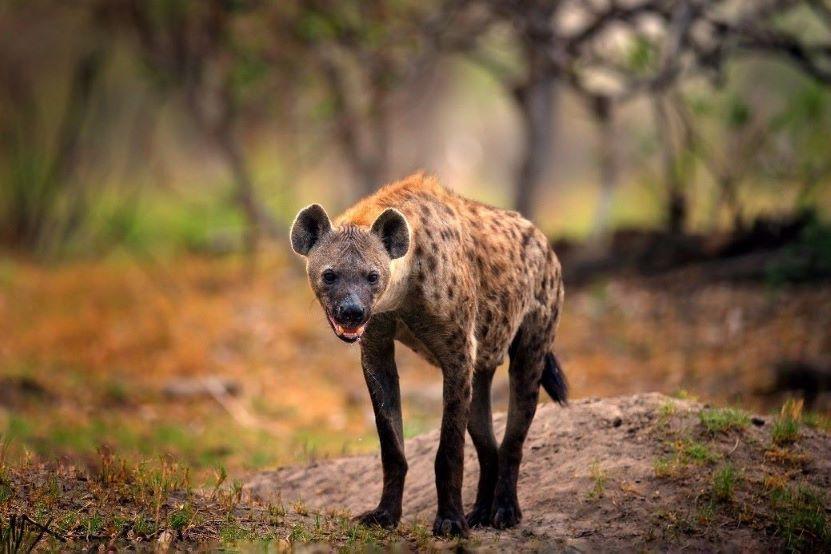
Hyena Hunting & African Critters in Limpopo, South Africa
Booking Season: 2026
Hunt Difficulty: Moderate, Difficult
Among South Africa's huntable nocturnal predators, the serval is often regarded as one of the most difficult to encounter consistently. Unlike species that may regularly visit bait sites, servals are naturally secretive and unpredictable, with even productive hunting areas offering no guarantee that one will be seen during a safari.
Most successful serval hunts are the result of being in the right place at the right time. While hunters may spend evenings pursuing Hyena Hunts or other nocturnal hunting opportunities, a serval often appears unexpectedly as the hunting team slowly works suitable habitat with spotlights. The opportunity may last only a few moments before the cat disappears into the darkness.
That uncertainty is part of the attraction. Every sighting feels earned, and experienced Professional Hunters know that patience, persistence and careful observation are often more important than covering large distances. Even after several nights in the field, a mature serval remains one of the most rewarding nocturnal trophies a hunter can encounter in South Africa.
Most serval hunts take place during broader night hunts rather than as dedicated outings focused solely on the species. While a serval may always be a possibility, no evening begins with the expectation of seeing one.
As darkness settles, the hunting team slowly works roads, tracks and suitable habitat while the Professional Hunter scans ahead with a spotlight. Every pair of reflected eyes deserves careful attention. Bush babies, hares, jackals, genets and numerous other nocturnal animals are commonly encountered before a serval is finally spotted. Because servals are protected in South Africa, experienced outfitters will normally ensure the necessary permits have already been arranged before night hunting begins.
When a serval finally appears, there is often only a brief opportunity to react. The cat may pause for a few seconds before slipping into long grass or disappearing back into the darkness. Success depends on remaining patient, listening carefully to the Professional Hunter and waiting for a safe, ethical shot rather than rushing the moment.
That uncertainty is simply part of serval hunting. Even in areas where servals are known to occur, sightings can never be predicted. When an opportunity finally presents itself, it feels well-earned because it is the result of preparation, patience and time spent in the field, not a hunt that follows a predictable pattern.
Spotting a serval is only the beginning. Identifying the animal correctly, judging whether it offers a safe shot and making a calm decision all happen within a matter of seconds. Unlike daytime hunting, there is little opportunity to study the animal before it disappears.
Professional Hunters play a critical role throughout the process. Every animal located in the spotlight must first be positively identified before any decision is made. Servals share their habitat with a variety of other nocturnal wildlife, making experience and careful observation essential before a shot is ever considered.
When an opportunity presents itself, patience remains one of the hunter's greatest advantages. A serval that has not yet become alarmed may pause briefly to assess its surroundings before slipping back into cover. Rushing the shot often ends the opportunity, while remaining composed and following the Professional Hunter's guidance gives the best chance of a clean, ethical harvest. Hunters unfamiliar with smaller African predators should also review our Specialty Game Shot Placement guide before arriving on safari.
The goal is never simply to take the trophy, but to do so responsibly. Correct target identification, careful shot placement and good communication between hunter and Professional Hunter all contribute to an ethical hunt and lasting respect for one of South Africa's most elusive nocturnal predators
Unlike traditional plains game species, servals are protected in South Africa and cannot simply be hunted whenever an opportunity arises. The necessary permits must already be in place before the hunt begins, making advance planning an important part of any safari where a serval may be pursued.
Permit requirements vary between South Africa's provinces, and experienced outfitters will normally arrange the necessary applications well before the hunter arrives. Because approval is not automatic, it is important to discuss your interest in hunting a serval during the initial planning stages of your safari rather than waiting until you are already in camp.
This advance planning benefits everyone involved. The Professional Hunter knows a serval may legally be taken should an opportunity present itself, while the hunter can enjoy the night's hunting knowing all legal requirements have already been addressed. Without the appropriate permits, even a perfect opportunity must simply be allowed to pass.
If hunting a serval is on your wish list, mention it when planning your safari. While no one can predict whether the opportunity will present itself, the necessary permits can be arranged well in advance, ensuring that if the moment does come, everything is already in place.
Planning a serval hunt begins with realistic expectations. Unlike many other African hunts, success cannot be measured by the certainty of an opportunity but by being properly prepared should one arise. The best serval hunts are those where the necessary permits have been arranged, the hunting area supports healthy serval populations and experienced Professional Hunters know where and when opportunities are most likely to occur.
Because servals are usually pursued as part of a broader South African safari, they combine naturally with a variety of plains game and predator hunting opportunities. Building a flexible itinerary allows hunters to enjoy every day in the field while remaining ready should a serval finally appear during a night hunt.
Choosing an experienced outfitter is equally important. Local knowledge, careful planning and responsible hunting practices all contribute to making the most of what is always an unpredictable opportunity. When preparation, patience and timing come together, a serval becomes one of the most memorable trophies a hunter can take in South Africa.
Whether a serval is your primary goal or simply a hoped-for addition to your safari, discussing it early with your outfitter gives you the best chance of being ready if the opportunity presents itself. While no one can promise a serval, proper planning ensures that nothing stands in the way should the moment finally arrive.
Yes. Serval hunting is legal in South Africa where permitted by provincial conservation authorities. Because servals are protected, the necessary permits must be approved before the hunt begins. Experienced outfitters normally assist with the application process as part of planning the safari.
Dedicated serval hunts are uncommon. Most servals are taken opportunistically during broader night hunts conducted alongside plains game or predator safaris, where hunters are prepared should an opportunity arise.
Unlike leopard and some other African predators, servals rarely respond consistently to bait. Most opportunities occur while hunting suitable habitat at night using spotlights rather than waiting over bait sites.
Servals are primarily hunted at night because they are most active after dark. Night hunting allows Professional Hunters to locate animals using spotlights while carefully identifying each species before any shot is taken.
Serval hunting is widely regarded as one of the most challenging forms of nocturnal hunting in South Africa. Opportunities are unpredictable, sightings are often brief and success depends on patience, preparation and experienced Professional Hunters who understand the animal's behaviour.
Light, accurate rifles that minimise pelt damage are commonly preferred for serval hunting. Your Professional Hunter can recommend a suitable calibre based on the rifle you are already bringing to South Africa and the other species included in your safari.
Servals may be encountered throughout the legal hunting season, although cooler months often provide more comfortable conditions for extended night hunting. The best timing will ultimately depend on the hunting area, provincial regulations and the species included in your safari.
In most cases, yes. If hunting a serval is on your wish list, discuss it with your outfitter before your safari so that the necessary permits can be arranged in advance. While no one can guarantee a serval encounter, proper planning ensures you are ready if the opportunity presents itself.
Search from our range of Hunts across various popular destinations in Africa.

Book Your Hunt