Hunting in SA: Tsessebe, Impala, Waterbuck & 2 More Species
Booking Season: 2026
Hunt Difficulty: Moderate

Tsessebe hunting in South Africa offers plains game hunters the opportunity to pursue one of Africa's fastest and most distinctive antelope. Although often overshadowed by species such as kudu and sable, a mature Tsessebe bull is a worthy addition to any Plains Game Hunt, combining exceptional eyesight, rewarding spot-and-stalk hunting and an impressive trophy with rich chestnut colouring and uniquely shaped horns.
South Africa remains one of the most practical destinations for hunting Tsessebe, with healthy populations on well-managed hunting properties across several provinces. Hunters can often include a Tsessebe as part of a broader Hunting in South Africa safari, combining the species with other iconic plains game without needing to dedicate an entire hunt to a single animal.
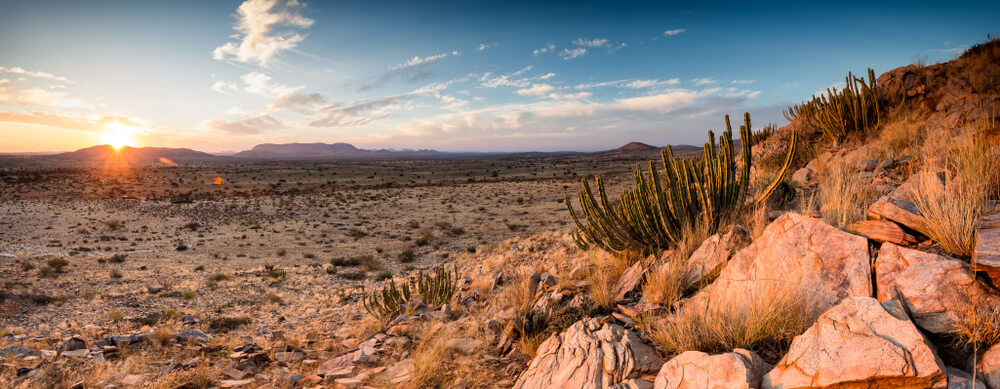
Unlike hunting in thick bushveld, Tsessebe hunts usually take place across open grasslands and lightly wooded plains where careful glassing and patient stalking become essential. Mature bulls are alert and quick to react to movement, rewarding hunters who can use the terrain effectively and make the most of the opportunities that develop.
Available Tsessebe Hunts
Hunting in SA: Tsessebe, Impala, Waterbuck & 2 More Species
Booking Season: 2026
Hunt Difficulty: Moderate
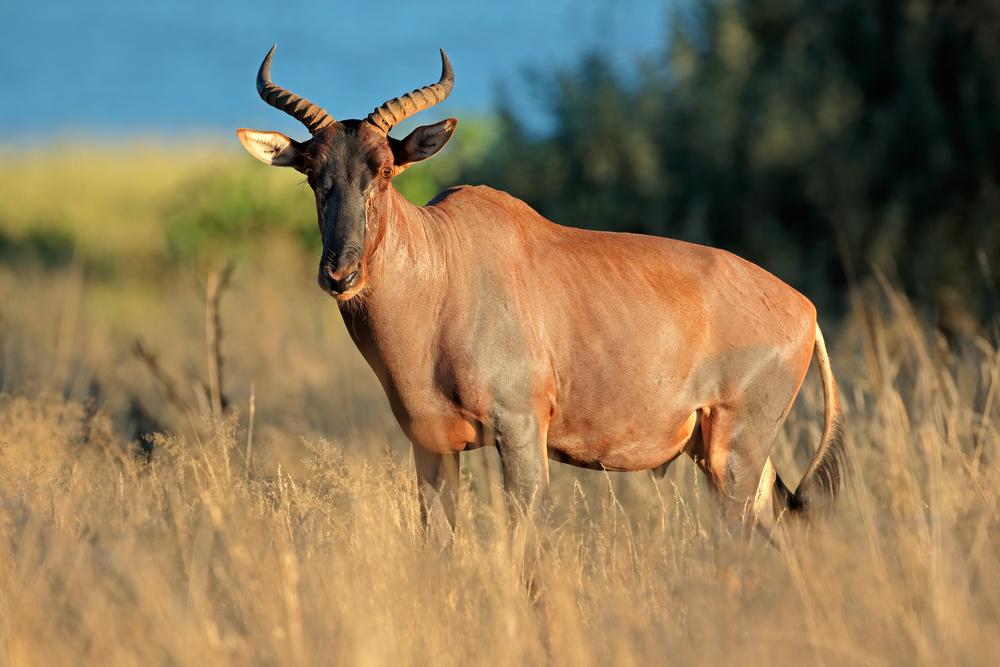
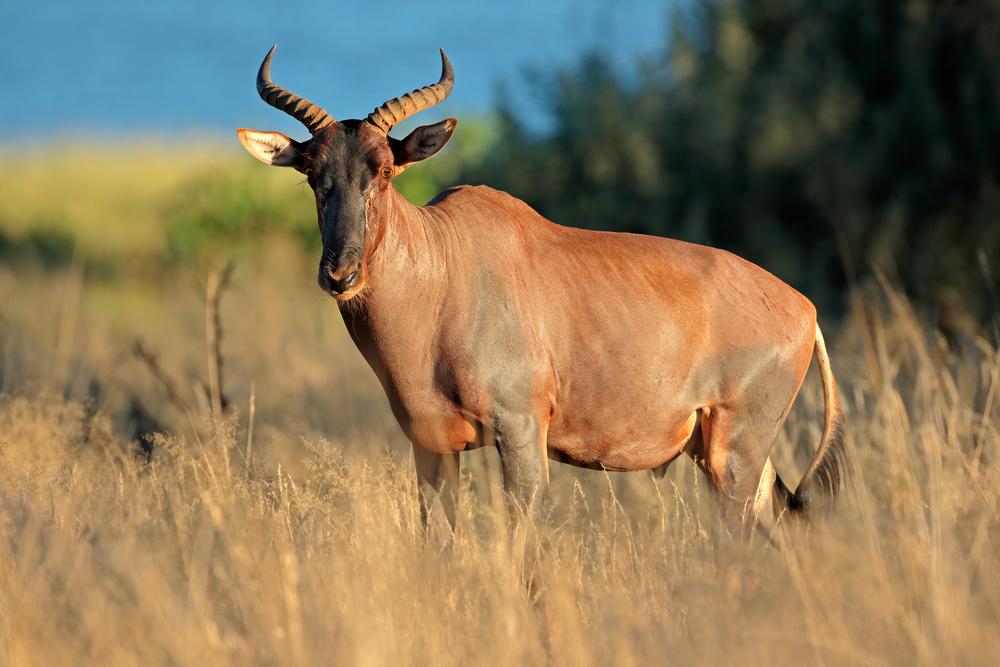
Among Africa's plains game, the Tsessebe is one of the easiest species to recognise once you know what to look for. Unlike the graceful lines of a kudu or the heavy build of a blue wildebeest, the Tsessebe has a unique silhouette. Its raised shoulders, sloping back and elongated face give it an almost prehistoric appearance, while the rich chestnut coat contrasts with the darker markings on its face and upper legs.
Both bulls and cows carry horns, which can make it difficult for first-time hunters to distinguish between the sexes at a distance. Mature bulls generally have noticeably heavier horn bases, thicker necks and a more muscular build through the shoulders. Their horns often appear broader and more heavily ridged, giving the animal a stronger overall appearance. Cows tend to be slightly more refined, with slimmer horns, lighter horn bases and a less robust body.
The horns themselves are one of the Tsessebe’s defining features. They sweep backwards before curving gently forwards at the tips, creating a distinctive shape that experienced hunters can often recognise from a considerable distance. Taking time to study several animals through binoculars before beginning a stalk often makes it much easier to identify the mature bull within a small group.
Although the Tsessebe may not receive the same attention as some of Africa's more famous antelope, many hunters develop a real appreciation for the species after seeing a mature bull standing alert across an open plain. Its unusual appearance, excellent eyesight and preference for open country combine to make it one of South Africa's more rewarding plains game animals to pursue.
Tsessebe favour open country where they rely on exceptional eyesight rather than thick cover for protection. Unlike hunting species that spend much of the day in dense bush, spotting a Tsessebe is often the easier part of the hunt. Closing the distance without being detected is where the real challenge begins.
A typical day often begins by covering large areas of grassland and lightly wooded plains, glassing from elevated ground or a vehicle until a mature bull has been located. Once a suitable animal has been identified, the Professional Hunter will use the terrain, shallow depressions, termite mounds and any available vegetation to plan the stalk while keeping the wind in the hunters' favour.
Tsessebe are naturally alert and quick to react to movement. Even at considerable distances, a mature bull will often stop, turn and study anything that appears out of place. Rushing the approach usually ends with the herd moving off long before a shot presents itself.
Although opportunities can develop quickly, patience is often the hunter's greatest advantage. Waiting for the bull to separate slightly from the rest of the group, or using the terrain to close the final distance, can make the difference between a rushed shot and a clean opportunity.
Because Tsessebe are frequently hunted across open country, shots may be taken at slightly longer distances than hunters encounter in thicker bushveld. Hunters should be comfortable shooting from sticks at 200 to 300 yards before arriving in South Africa and should familiarise themselves with the correct shot placement for medium-sized African antelope to ensure a quick, ethical harvest.
One of the advantages of hunting Tsessebe in South Africa is that they are rarely pursued on their own. Instead, they are commonly included as part of a broader plains game safari, allowing hunters to experience different species, habitats and hunting styles during a single trip.
Open grasslands and lightly wooded plains provide ideal habitat for Tsessebe, placing them alongside several of South Africa's most popular plains game species. A Blesbok Hunt is a natural pairing, while Blue Wildebeest Hunts offer another rewarding challenge for hunters who enjoy spot-and-stalk hunting across open country. Depending on the hunting area, species such as impala, zebra and kudu may also form part of the safari.
South Africa's diverse hunting areas make it possible to tailor each safari to the hunter's interests. Whether the goal is to pursue a handful of classic plains game species or build a longer trophy list, including a Tsessebe adds variety and introduces hunters to one of Africa's most distinctive antelope.
Although Tsessebe may not be the primary reason many hunters travel to Africa, it is a species that fits naturally into a well-planned safari. Its preference for open country, distinctive appearance and rewarding spot-and-stalk hunting style make it an excellent addition to a South African plains game adventure.
Planning one of our Hunting Trips allows hunters to build a safari around their individual goals, whether that means pursuing a handful of carefully selected trophies or enjoying a broader plains game hunt across South Africa's diverse hunting areas. An experienced Professional Hunter can recommend the best hunting area, the ideal time of year and the species that combine naturally with a Tsessebe to create a rewarding and memorable safari.
With the right planning, a Tsessebe hunt becomes more than simply adding another species to the trophy room. It becomes part of a well-balanced African hunting safari that offers different terrain, varied hunting methods and the opportunity to pursue some of South Africa's finest plains game.
Yes. Tsessebe are commonly included as part of a South African plains game safari and are often hunted alongside species such as blesbok, blue wildebeest, kudu and zebra. Their preference for open grasslands makes them an excellent addition to a varied safari without requiring hunters to travel between multiple hunting areas.
A mature bull with heavy horn bases, pronounced ridges and good overall horn shape is generally considered a desirable trophy. Experienced Professional Hunters often encourage hunters to focus on the age and character of the animal rather than horn length alone.
Popular choices include the .270 Winchester, .308 Winchester, .30-06 Springfield and 7mm Remington Magnum. Any of these calibres provide more than enough performance when paired with quality ammunition and accurate shot placement.
Although Tsessebe can be hunted throughout much of South Africa's hunting season, many hunters prefer the cooler, drier months when shorter grass improves visibility and spot-and-stalk hunting becomes more effective.
Yes. While locating a herd is often straightforward, mature bulls are naturally alert and rely on exceptional eyesight to detect movement across open country. Success usually depends on careful stalking, patience and making the most of the terrain.
Search from our range of Hunts across various popular destinations in Africa.

Book Your Hunt