
Africa Hunting Trip for Dwarf Buffalo & Sitatunga Cameroon
Booking Season: 2026
Hunt Difficulty: Difficult

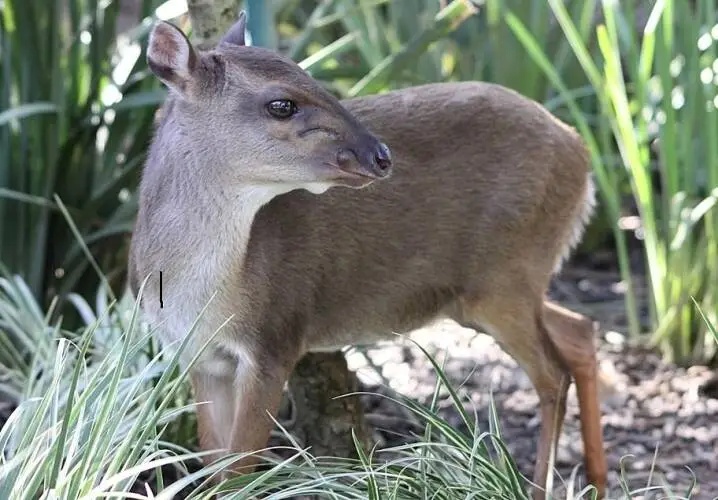
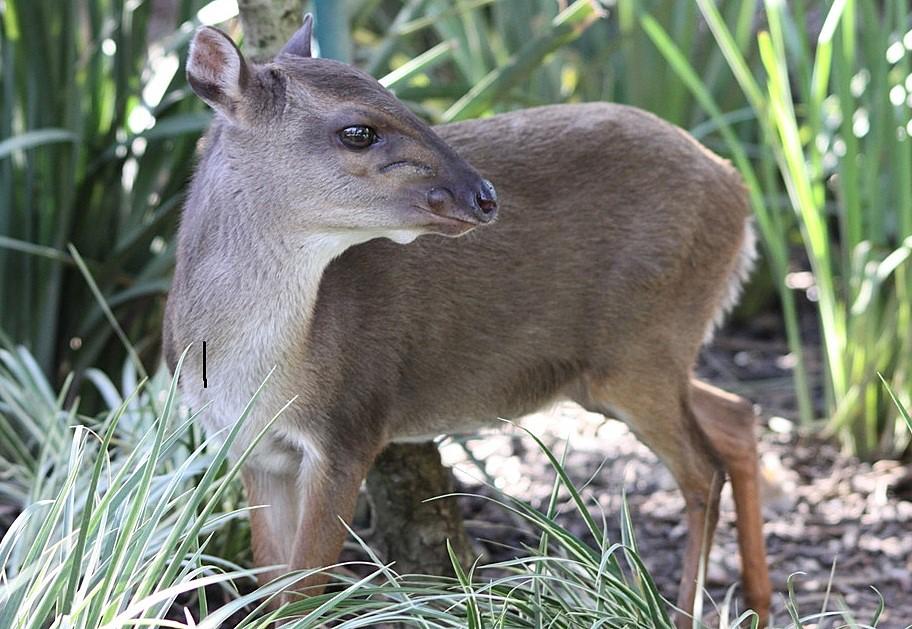
White-bellied duiker hunting in Cameroon, also commonly referred to as Gabon duiker hunting, represents one of the more established forest antelope opportunities within a rainforest safari. While not typically the primary focus of a hunt, this species is encountered more consistently than some of the rarer forest duikers under the right conditions.
Most hunters travel to Cameroon to pursue primary species such as bongo or forest buffalo, with smaller antelope taken as part of the broader experience. For American hunters in particular, understanding how white-bellied duiker fit into this structure is important when planning a hunt, as opportunities are tied directly to time spent in the field rather than a fixed daily plan.
For a full breakdown of how these safaris are structured, see our guide to hunting in Cameroon.
Available Gabon Duiker Hunts
Africa Hunting Trip for Dwarf Buffalo & Sitatunga Cameroon
Booking Season: 2026
Hunt Difficulty: Difficult
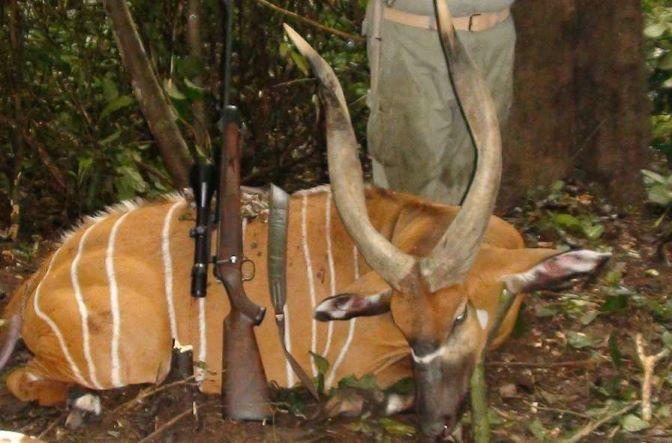
Bongo and Forest Elephant Hunting Safari (13 Days) – Cameroon
Booking Season: 2026
Hunt Difficulty: Difficult
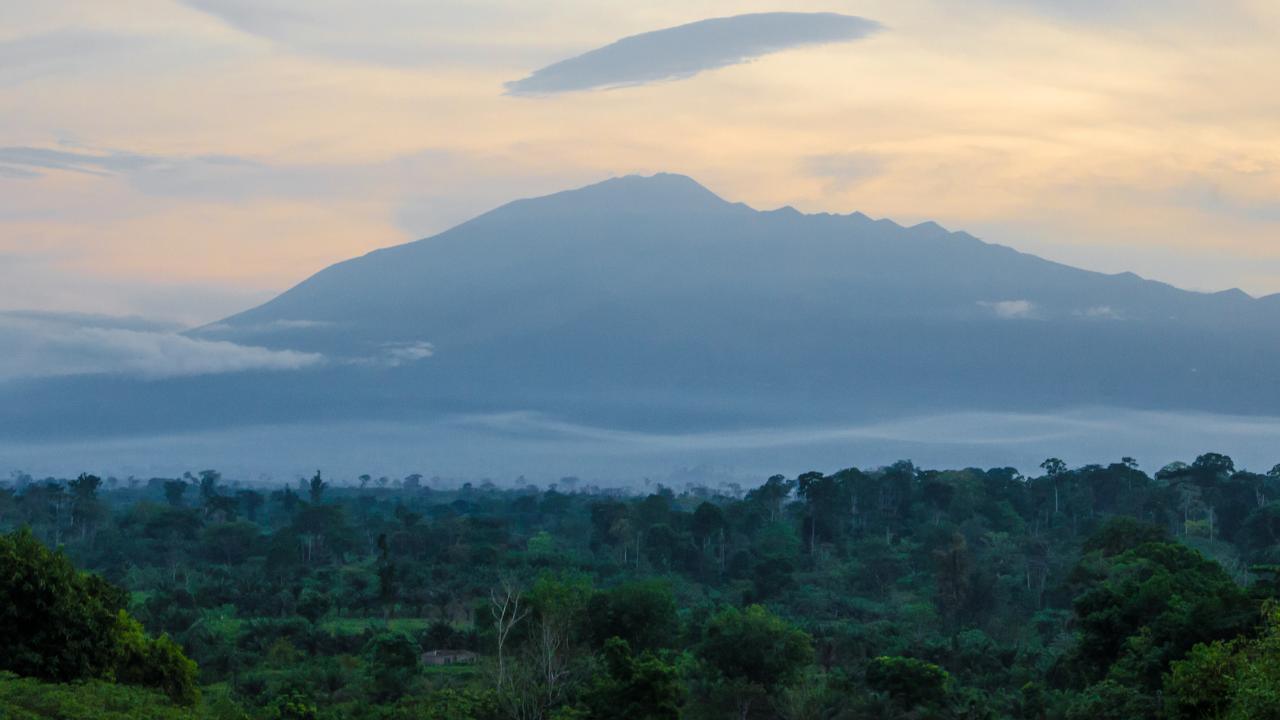
White-bellied duiker, also known as Gabon duiker, are found in southern Cameroon’s dense rainforest regions, where thick vegetation, limited visibility, and humid conditions define the hunting environment. They are typically associated with dense forest and transitional edge habitat, areas with consistent cover and food availability, and concessions with established rainforest hunting pressure.
Unlike some of the more specialized duiker species, white-bellied duiker are present across a broader range of suitable habitat, although their distribution still depends on local conditions and concession quality. This makes them one of the more consistently encountered forest duiker species in Cameroon, although still far from guaranteed on any given safari.
White-bellied duiker are not usually tracked in a traditional sense. Most encounters occur while moving through forest terrain during the course of a broader hunt. Hunters may encounter them along forest trails and natural movement paths, near feeding areas within dense vegetation, and during early morning or late afternoon movement.
Compared to more elusive species, encounters can be slightly more frequent, but opportunities remain brief and dependent on visibility. Shots are typically taken at close range, often requiring quick reactions and clear communication with the professional hunter. As with most rainforest species, success improves with time in the field rather than any repeatable hunting pattern.
In many cases, opportunities improve later in a safari as more time is spent moving through suitable habitat.
White-bellied duiker are often considered one of the more realistic secondary species available during a rainforest safari. They are more consistently encountered than some rarer duiker species, still dependent on time in the field, and are not guaranteed on any given hunt. Compared to more specialized species such as Ogilby’s or Peter’s duiker, white-bellied duiker represent a more attainable opportunity, while still requiring time in suitable habitat.
For serious collectors and experienced Africa hunters, this species is often viewed as a valuable addition to a forest safari, particularly when building out a broader rainforest species portfolio. Successful encounters occur during extended time in the field on dedicated bongo hunts, where hunters are already moving through terrain where this species is present.
This is not a species that determines whether to book a safari, but rather one that adds value once already committed to a rainforest hunt.
White-bellied duiker are still considered a challenging species due to the nature of rainforest hunting. Hunters should expect limited visibility with short, fast encounters, close-range shooting scenarios, and opportunities that develop quickly and disappear just as fast as they appeared. While more attainable than some forest duikers, they are far from guaranteed and still require patience and time in the field.
This type of hunting is best suited to hunters already committed to a rainforest safari who want to include additional species as part of a broader experience. It appeals particularly to serious hunters and collectors who are looking to build out a range of forest species, rather than focusing on a single primary animal.
For American hunters, white-bellied duiker represent one of the more realistic secondary opportunities in Cameroon, offering a balance between attainability and challenge within the constraints of rainforest hunting.
Hunters who understand that success is tied to time in the field rather than structured daily opportunities tend to get the most out of this type of hunt.
This type of hunting is not ideal for those expecting structured, predictable opportunities or building a precise species list within a fixed timeframe. While more attainable than some duiker species, it is still dependent on conditions and time in the field, and should not be viewed as guaranteed.
Hunters looking for high-volume or highly structured hunting experiences are unlikely to find this type of safari suitable.
White-bellied duiker, also known as Gabon duiker, represent one of the more realistic secondary opportunities within a Cameroon rainforest safari. While not a primary reason to travel, they offer a meaningful addition to the overall experience, particularly for hunters spending extended time in suitable habitat.
For experienced hunters and collectors, they form part of the broader appeal of rainforest hunting, where multiple species may be encountered over time rather than targeted individually. Understanding their role within the broader structure of a Cameroon hunt helps set realistic expectations and ensures the opportunity is approached correctly from the outset.
Can you hunt white-bellied duiker in Cameroon?
Yes. They are available in certain rainforest concessions, although opportunities depend on location and time in the field.
Is white-bellied duiker the same as Gabon duiker?
Yes. The terms are used interchangeably.
How difficult is white-bellied duiker hunting?
It is challenging due to terrain and visibility, but generally more attainable than rarer forest duiker species.
Search from our range of Hunts across various popular destinations in Africa.

Book Your Hunt