10-Day Sitatunga Hunt in Zambia’s Tondwa GMA
Booking Season: 2026
Hunt Difficulty: Difficult

American hunters searching for Southern (Zambezi) Sitatunga Hunts quickly discover that Zambia has earned a reputation few other destinations can match. While Southern Sitatunga occur elsewhere in southern Africa, it is Zambia's vast wetland systems, experienced local trackers and long hunting tradition that have established the country as the benchmark for this highly specialised safari.
Unlike traditional plains game hunting, pursuing Southern Sitatunga is shaped by swamps, reed beds and seasonal floodplains where visibility is limited and opportunities can be brief. Every hunt depends on understanding water levels, reading fresh movement through dense vegetation and working alongside trackers whose knowledge of these wetlands has often been passed down through generations.
Understanding why Zambia became the world's leading Southern Sitatunga destination is just as important as understanding the animal itself. Hunters planning to go hunting in Zambia soon realise that choosing the right hunting area, the right time of year and an experienced outfitter can have as much influence on success as patience and marksmanship in the field.
Available Sitatunga Hunts
10-Day Sitatunga Hunt in Zambia’s Tondwa GMA
Booking Season: 2026
Hunt Difficulty: Difficult

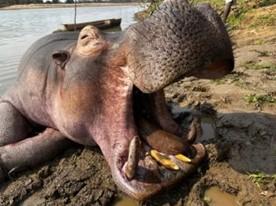
7-Day Dangerous Game & Plains Game Safari in Zambia
Booking Season: 2026
Hunt Difficulty: Difficult
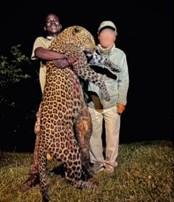
Hunt Zambia 21 Days - Lion, Leopard, Cape Buffalo & PG
Booking Season: 2026
Hunt Difficulty: Difficult
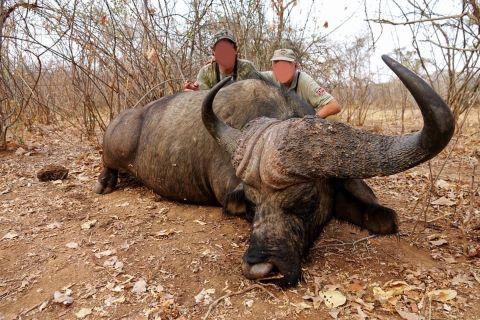
Buffalo Hunting in Zambia's Zambezi Valley
Booking Season: 2026
Hunt Difficulty: Difficult
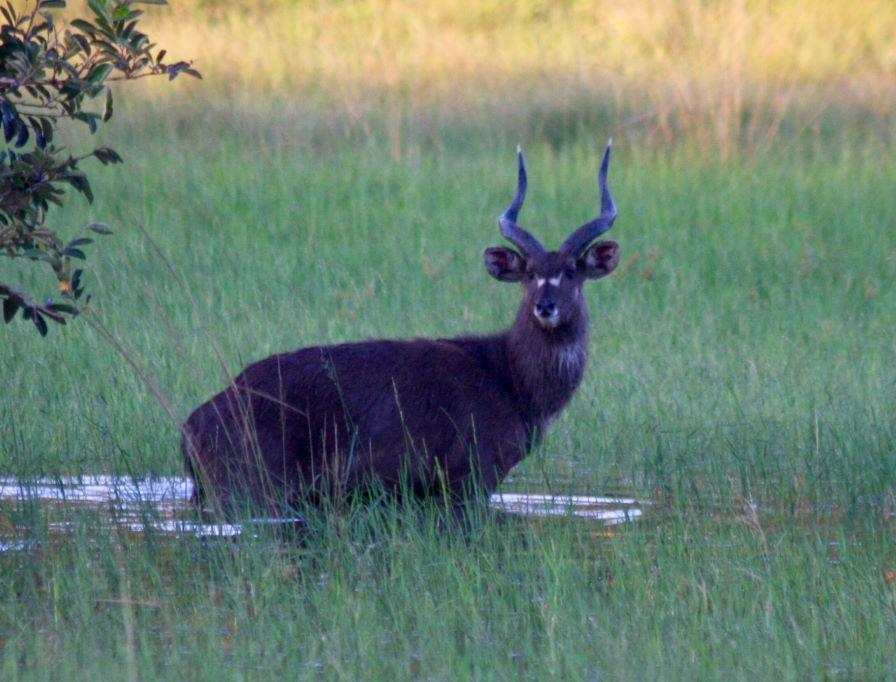
Trophy Hunting in Zambia | Tondwa Plains Game Safari
Booking Season: 2026
Hunt Difficulty: Moderate, Difficult
Few countries have become so closely associated with a single antelope as Zambia has with the Southern (Zambezi) Sitatunga. While the species also occurs in neighbouring parts of southern Africa, Zambia's vast wetland ecosystems have long been regarded as the benchmark for hunters seeking an authentic swamp safari.
Much of that reputation comes from the Kafue Flats, one of Africa's largest floodplain systems. Seasonal flooding creates an intricate landscape of reed beds, papyrus swamps, shallow lagoons and natural channels that provide ideal habitat for Southern (Zambezi) Sitatunga. These wetlands allow the animals to spend much of their lives hidden from view, emerging only briefly to feed or move between areas of cover.
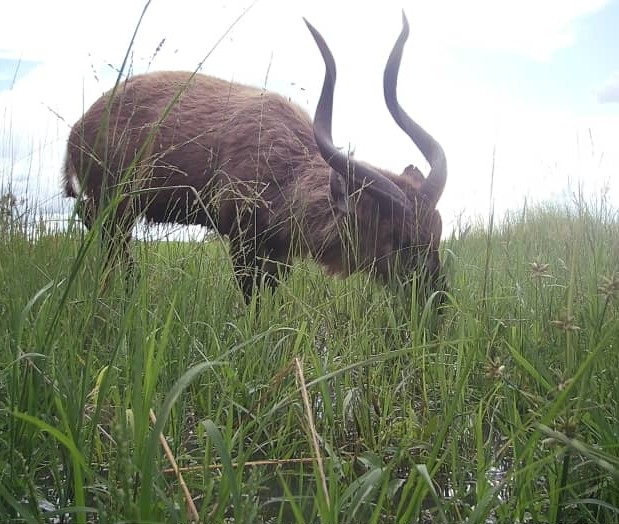
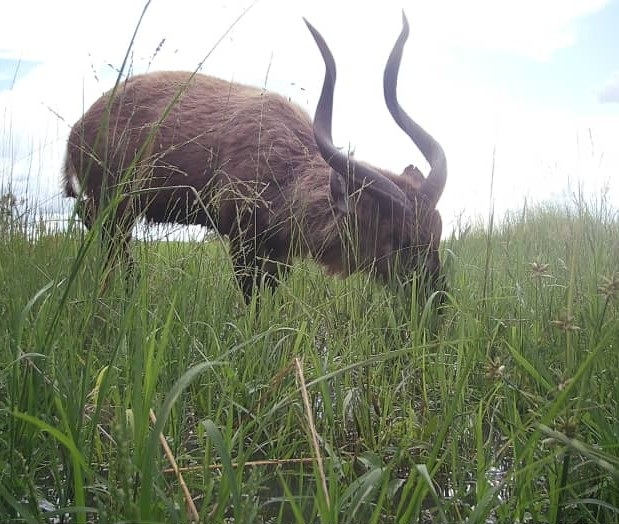
Unlike many antelope that roam widely across open country, Southern (Zambezi) Sitatunga are highly specialised. Their long, splayed hooves allow them to move confidently through soft marshes where predators, livestock and people struggle to follow. Hunting them successfully requires equally specialised knowledge of the wetlands, with experienced local trackers reading subtle signs of movement that most visitors would never notice.
Zambia's reputation has been built over decades of carefully managed hunting. Limited quotas, vast wetland concessions and a long tradition of professional guiding have helped maintain the country's status as the world's premier destination for Southern (Zambezi) Sitatunga. For hunters seeking an authentic swamp safari, few places offer the same combination of habitat, tradition and opportunity.
Southern (Zambezi) Sitatunga hunting bears little resemblance to most African safaris. Rather than tracking game across open plains or glassing distant hillsides, hunters spend their time navigating flooded grasslands, reed beds and winding channels where visibility is often measured in metres rather than hundreds of yards.
Each morning usually begins before first light, when trackers assess fresh movement from the previous night and decide which sections of the wetland offer the best chance of finding a mature bull. Depending on the hunting area and seasonal water levels, the day's search may involve quietly walking natural levees, following narrow game paths through the reeds or using small boats to reach otherwise inaccessible sections of the swamp.
Patience is one of the defining characteristics of a successful Southern (Zambezi) Sitatunga hunt. A mature bull may remain hidden for hours before briefly stepping into an opening to feed, cross a channel or investigate nearby movement. When that opportunity comes, there is often little time to react before the reeds close behind him once again.
Success is rarely measured by the number of animals seen during the day. Instead, it comes from understanding the wetland, trusting trackers and making the most of the few genuine opportunities that present themselves. That combination of patience and specialised knowledge is what makes Southern (Zambezi) Sitatunga hunting unlike any other safari in Africa.
Southern (Zambezi) Sitatunga hunting has earned its reputation not simply because of the habitat, but because of the men who have spent their lives learning to read it. In Zambia, local trackers are often the difference between spending days searching empty reed beds and finding the fresh sign of a mature bull.
Unlike tracking game across dry ground, reading movement through flooded wetlands requires a different set of skills. A bent reed, a freshly disturbed patch of mud or a narrow trail disappearing into thick papyrus may reveal that a bull has passed only minutes earlier. To most hunters, these signs are almost impossible to recognise. To an experienced tracker, they tell the story of where the animal has been, where it is likely to be heading and whether it is worth continuing the pursuit.
Communication between the professional hunter and the team becomes especially important throughout the day. As conditions change and water levels influence animal movement, decisions are constantly made about whether to continue following fresh sign, wait quietly along a likely crossing point or move to another section of the swamp altogether.
The final shot is only one part of the story. More often, hunters remember the teamwork, local knowledge and patience that made the opportunity possible. Together, these qualities have helped establish Zambia as the world's leading destination for hunting one of Africa's most elusive antelope.
One of the advantages of hunting Southern (Zambezi) Sitatunga in Zambia is the opportunity to combine the safari with outstanding Plains Game Hunts. While the sitatunga remains the primary objective, many of Zambia's hunting concessions also support a variety of sought-after antelope, allowing hunters to enjoy a more diverse safari without leaving the same hunting area.
Depending on the concession and available quota, hunters may have opportunities to pursue species such as Kafue lechwe, Chobe bushbuck, Common Waterbuck, Burchell's zebra and several other Zambian plains game species. Although these animals occupy different habitats, they often complement a sitatunga safari naturally, with time spent away from the wetlands providing a welcome change of pace while adding variety to the overall hunt.
This combination is one of Zambia's greatest strengths. Few destinations offer the chance to pursue one of Africa's most elusive swamp antelope while also hunting such a diverse range of game during the same safari. The result is a well-rounded adventure that showcases both Zambia's remarkable wetlands and its exceptional wildlife.
Southern (Zambezi) Sitatunga hunting is unlike almost any other safari in Africa. Hunters should not expect to see large numbers of animals each day or spend their time glassing open country from distant vantage points. Success is earned through patience, quiet observation and a willingness to trust experienced trackers as they work through one of Africa's most specialised hunting environments.
The wetlands demand a slower, more deliberate approach. Hours may pass with little visible activity before a mature bull briefly steps clear of the reeds, offering the only genuine opportunity of the day. Those moments are rarely predictable, making patience and disciplined shooting every bit as important as physical endurance.
For hunters who appreciate fair-chase hunting, enjoy reading the country and value the journey as much as the trophy itself, few safaris are as rewarding. The combination of Zambia's remarkable wetlands, skilled local trackers and healthy Southern (Zambezi) Sitatunga population has earned the country a reputation that continues to attract hunters from around the world.
Whether Southern (Zambezi) Sitatunga is the sole objective or forms part of a broader Zambian safari, this is a hunt remembered not for the number of opportunities presented, but for the satisfaction of earning one of Africa's most elusive and respected trophies.
The best time to hunt Southern (Zambezi) Sitatunga in Zambia is generally during the dry season, when water levels begin to recede and movement through the wetlands becomes easier. Lower water levels help concentrate animals around preferred feeding areas while improving visibility through the reeds, giving hunters a better chance of locating mature bulls.
Southern (Zambezi) Sitatunga are primarily hunted in Zambia's famous Kafue Flats, an extensive floodplain system that provides ideal habitat for this elusive swamp antelope. The combination of permanent wetlands, seasonal flooding and experienced local trackers has helped establish the region as one of Africa's premier sitatunga hunting destinations.
Yes. Many hunting concessions in Zambia offer the opportunity to combine Southern (Zambezi) Sitatunga with a variety of plains game species. Depending on the area and available quota, hunters may also pursue species such as Kafue lechwe, Chobe bushbuck, Common Waterbuck, Burchell's zebra and other Zambian antelope during the same safari.
Southern (Zambezi) Sitatunga hunting is moderately demanding rather than physically extreme. Hunters should expect to spend long hours walking through wet ground, navigating reed beds and uneven terrain while remaining patient and alert. Good mobility and a reasonable level of fitness will help, but success depends far more on patience, teamwork and careful observation than on covering long distances.
Search from our range of Hunts across various popular destinations in Africa.

Book Your Hunt