10-Day Plains Game Hunt in Maasailand, Tanzania
Booking Season: 2026
Hunt Difficulty: Moderate

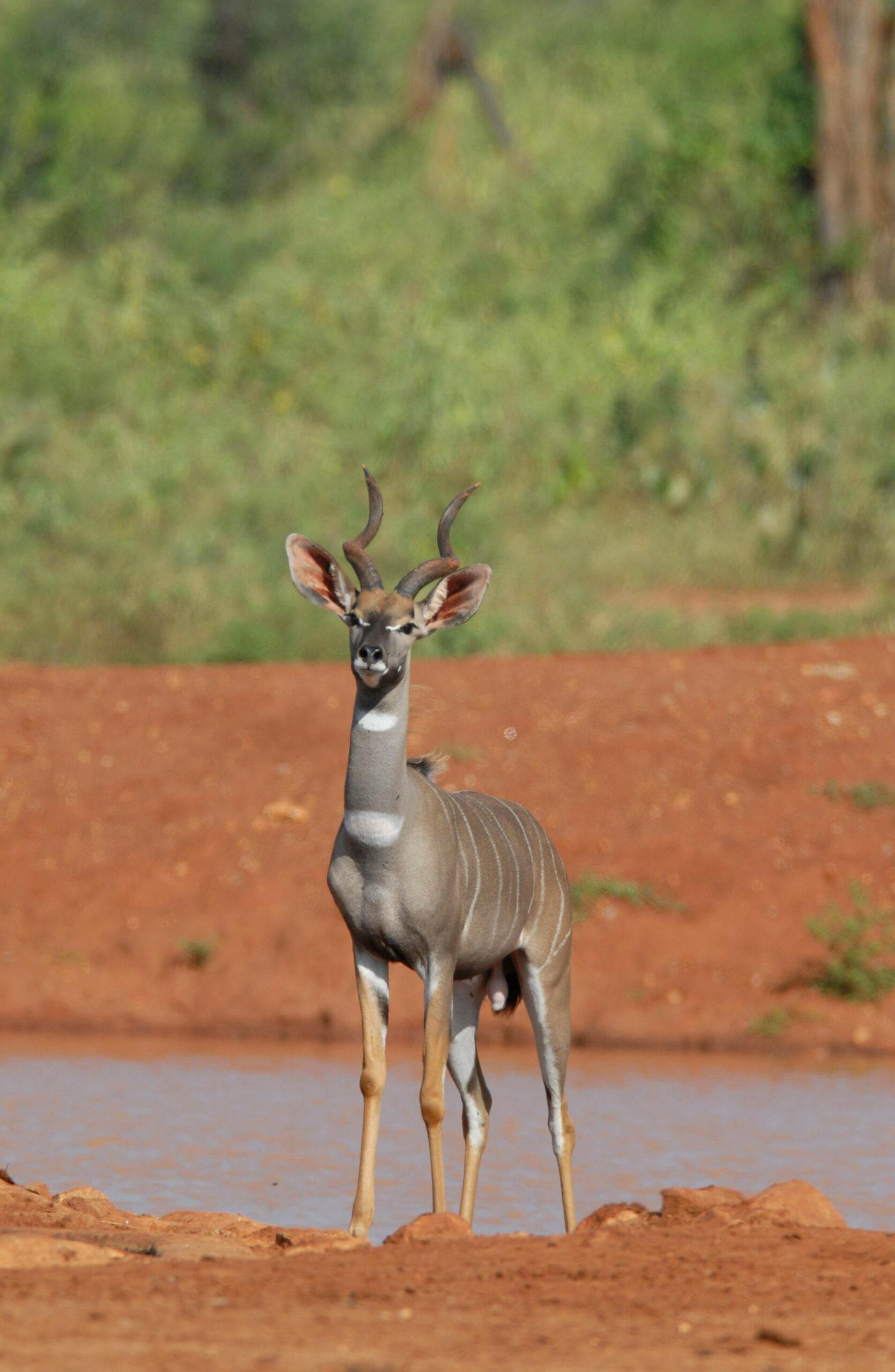
Lesser kudu hunting in Tanzania offers a very different experience from the more confined, high-pressure environments found elsewhere in Africa. It remains a specialized hunt with limited availability, but here the challenge is shaped far more by space and movement than by restriction.
For hunters considering hunting in Tanzania, lesser kudu represents a hunt where opportunities aren’t forced by terrain. Instead, they develop, or fall apart over time as animals move through larger, more open systems where control is limited and outcomes are less predictable.
You’re not dealing with quick encounters or repeated chances. Time in the field matters, and staying with the process becomes more important than reacting to a single moment. Every hour behind the animal increases the distance you need to recover, and reduces the chances of ever catching up.
Lesser kudu are already a difficult species, but in Tanzania that difficulty comes from a different place than many hunters expect.
The challenge here isn’t just visibility or reaction time, it’s movement.
Animals cover more ground, shift between areas more freely, and aren’t as tightly held by terrain features that naturally create shot opportunities. You’re not constantly dealing with animals just out of sight, you’re dealing with animals that may simply not be where you expect them to be when you arrive.
That changes how the hunt feels from the start.
Instead of working within a tight system where opportunities appear suddenly, you’re operating across a broader landscape where opportunities have to be built, followed, and sometimes lost over distance rather than in a single moment.
Available Lesser Kudu Hunts
10-Day Plains Game Hunt in Maasailand, Tanzania
Booking Season: 2026
Hunt Difficulty: Moderate


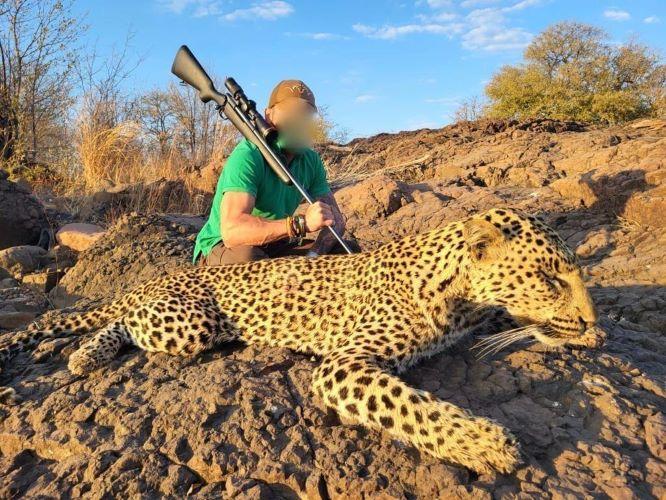
Free-Range Leopard Hunting Safari in Tanzania | 14-Day Licenc
Booking Season: 2026
Hunt Difficulty: Difficult

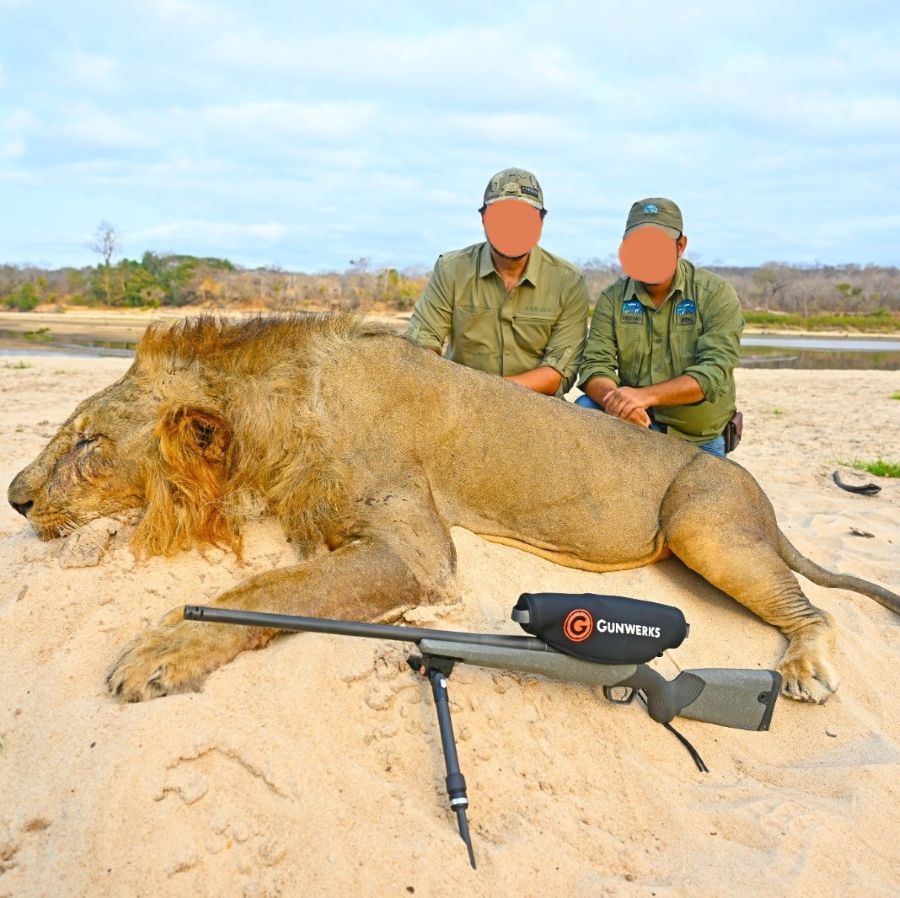
Hunt Lion, Leopard, Elephant & Cape Buffalo in Masailand, Tanzania
Booking Season: 2026
Hunt Difficulty: Moderate, Difficult
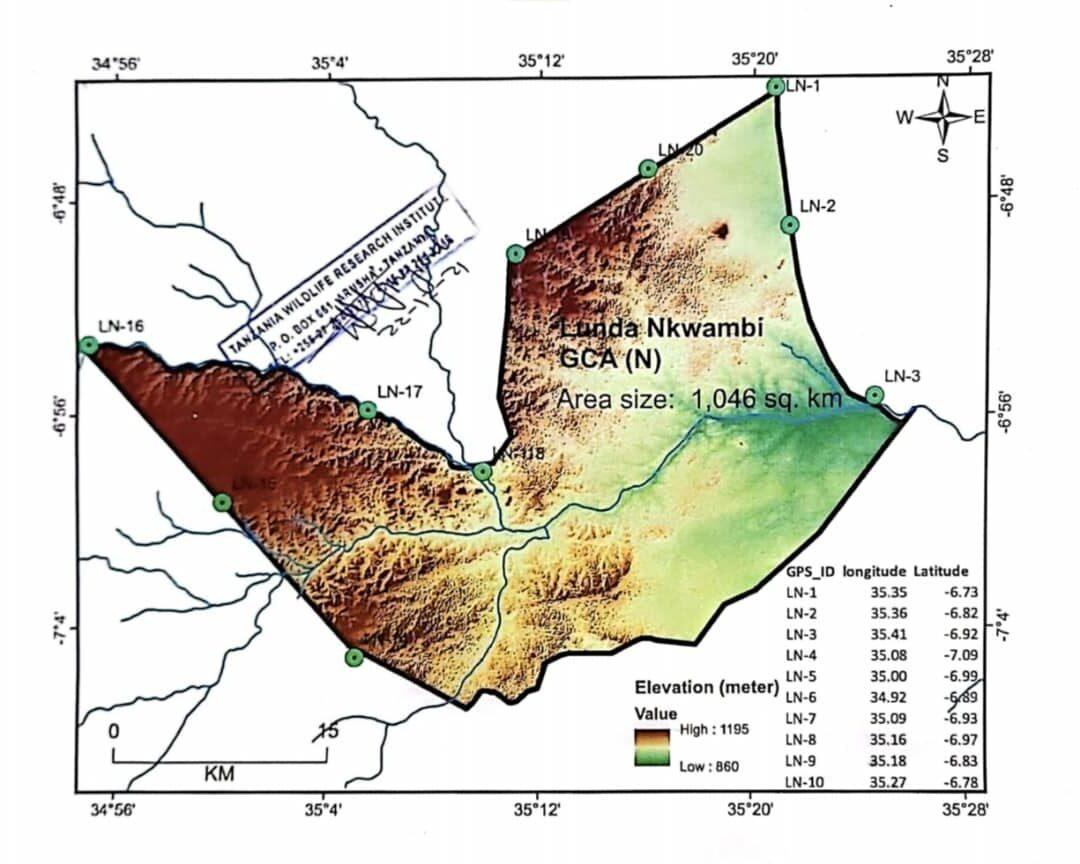
Tanzania Hunting Safari 4 x Species Spiral Horn Hunt
Booking Season: 2026
Hunt Difficulty: Difficult
Tanzania’s hunting areas are typically larger, less constrained, and more varied than what most hunters are used to in lesser kudu environments.
That matters because it removes a level of control. Animals aren’t limited to small pockets of habitat. They move through larger systems, often without the pressure or confinement that forces encounters elsewhere. The result is a hunt that feels less compressed—but also less predictable.
You may spend time working an area, reading sign, and following movement patterns, only to find the animal has shifted beyond reach or changed direction in a way that resets the situation entirely. The opportunity is still there, but it isn’t waiting for you in the same way. You gain time, but lose control.
You get space, but far fewer chances to force an outcome.
Lesser kudu hunting in Tanzania isn’t spread evenly across the country, it’s tied to specific ecosystems where the right combination of dry bush, broken terrain, and movement corridors still exists. In practice, most hunting takes place in southern Tanzania, particularly in areas like the Selous (Nyerere) ecosystem and parts of the Rungwa–Ruaha region.
These aren’t small, controlled concessions. They’re large, open systems where animals move freely across significant distances, and where habitat variation constantly changes how the hunt unfolds.
In the Selous and surrounding blocks, you’re typically dealing with mixed bushveld, open patches, river systems, and thick edges. You’ll often find sign, but turning that into a shot depends on how well you can stay with movement across a big landscape without losing direction or visual reference.
In the Rungwa–Ruaha areas, the terrain becomes drier and more broken. Visibility can improve in places, but movement becomes even more important. Animals use terrain breaks, vegetation lines, and elevation to reopen distance quickly, even when you feel close.
The key difference across all these areas isn’t just density, it’s control. You’re not hunting lesser kudu in an environment that forces encounters. You’re hunting them in systems where they can move, disappear, and reappear over distance.
The best time generally aligns with drier periods, when vegetation thins and tracking improves. But timing here affects movement more than anything else.
As conditions change, movement patterns shift, water access becomes more important, and travel routes become more defined. That can improve your ability to stay with animals, but it doesn’t guarantee more encounters.
Unlike more confined environments, where timing increases visibility, here it mainly influences how effectively you can follow and interpret movement across a larger area, and whether you can stay connected long enough to turn that into an opportunity.
Lesser kudu hunting in Tanzania feels less compressed, but far more uncertain. You’re not constantly reacting to sudden, close-range opportunities. Instead, you’re trying to stay with an animal that is constantly moving away from you, working through tracks, partial visuals, and shifting direction over time.
This hunt is not about finding the animal, it’s about staying with it. If you lose that connection, even briefly, you’re no longer continuing the same opportunity. You’re starting over.
You may follow tracks for hours, get a brief visual without a shot, reposition based on movement, and try to close distance without letting the animal reopen it.
The pressure is different. It’s not about acting instantly, it’s about preventing the opportunity from slipping out of reach over time.
Most American hunters come into lesser kudu in Tanzania thinking in terms of opportunity.
They’re used to hunts where you’ll see multiple animals, pass on one, and expect another chance shortly after. That mindset doesn’t translate well here. In Tanzania, it’s not about how many you see, it’s about whether you can stay with one long enough to turn it into something workable.
That’s where things start to slip. You get into the right area, find good sign, maybe even catch a glimpse early on. It feels like the hunt is on track—that it’s only a matter of time. But that assumption is the problem.
The animal doesn’t need to stop. It doesn’t need to give you another look. It doesn’t need to make a mistake.
You can do most things right and still never get a shot. The hunters who do well here are the ones who stop thinking in terms of “next opportunity” and focus on the one in front of them, however incomplete it might be.
Because in Tanzania, you don’t lose opportunity in a moment, you lose it over distance.
Most lesser kudu hunts in Tanzania don’t fail in a single moment, they unravel over distance. It usually starts well.
You’re in the right area. There’s fresh sign. Movement suggests the animal is ahead and not far. At some point, you get confirmation, a glimpse, a shape, just enough to know you’re on the right animal.
From there, the goal seems straightforward: close the distance and set up. That’s where it starts to break. The animal doesn’t hold. It keeps moving—not dramatically, but just enough to stay ahead. Terrain opens, closes, and shifts. Vegetation swallows movement. Tracks age faster than you expect. Distance quietly increases.
For a while, it feels like you’re still in it. If you’ve been following for hours without gaining ground, you’re not closing, you’re drifting.
You follow, adjust, try to anticipate. You’re not making obvious mistakes, you’re just not quite catching up. Most hunters don’t lose this hunt because they rushed—they lose it because they never close the distance.
Then the break happens. The moment you lose visual or directional certainty, the hunt doesn’t pause, it resets. Now you’re not continuing, you’re trying to rebuild.
In more confined environments, opportunities disappear in seconds. Here, they fade over time. You stay close enough to believe it might still come together—but never close enough to force it.
Eventually the sign fades, movement becomes harder to read, and the distance becomes too much to recover. And the animal is gone, not blown out, not spooked, just out of reach.
Shot opportunities in Tanzania are generally less rushed than in more confined environments, but they come far less often.
You’re usually working toward something, closing distance, adjusting position, and trying to hold onto an opportunity that has been developing over time. When the moment finally comes, it may still be brief, slightly angled, or not exactly what you’d prefer.
The pressure doesn’t come from reacting quickly. It comes from recognizing whether what you have in front of you, after everything it took to get there—is good enough to take. Because in Tanzania, you’re not managing moments.
You’re trying to stop one from slipping away.
Search from our range of Hunts across various popular destinations in Africa.

Book Your Hunt