
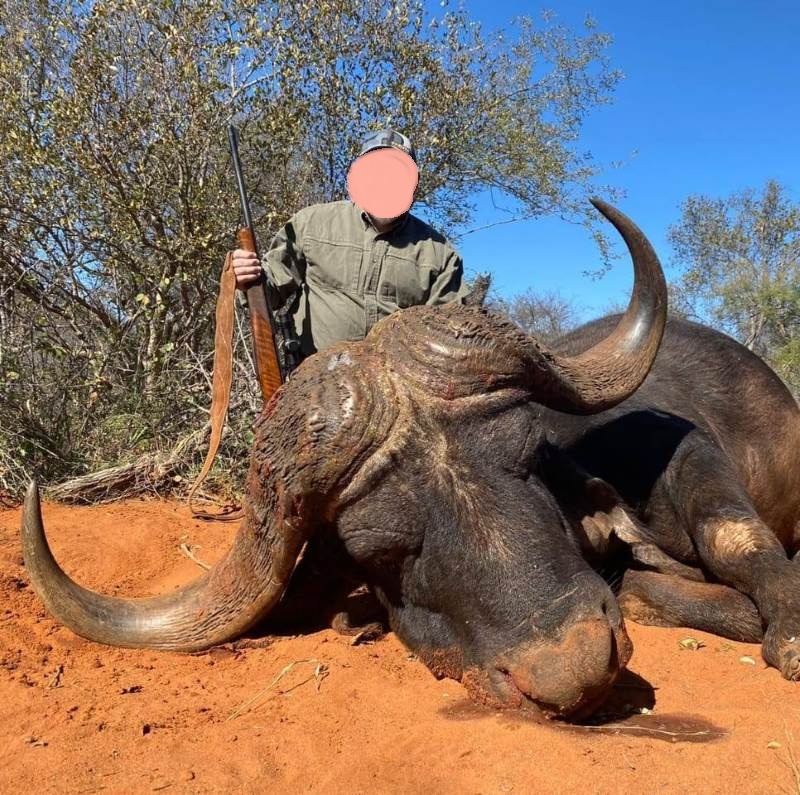
Two South African buffalo hunts can offer the same number of hunting days, the same trophy expectations and a similar price, yet take place on properties that produce different hunting experiences. One area may cover 20,000 acres. Another may be considerably smaller. The larger property doesn't automatically offer the better buffalo hunt.
What matters is what those acres contain.
How much suitable buffalo habitat is there? How many buffalo live on the property? Does it support established breeding herds and older bulls, or are trophy bulls regularly introduced? Where are the permanent water sources? How much hunting pressure do the buffalo receive, and what happens when fresh tracks disappear into the thick stuff?
These are far more useful questions than simply asking an outfitter how many acres he has.
Choosing the right hunting area is important when buffalo hunting in South Africa, where hunts take place on properties that can differ in size, terrain, buffalo populations and the way they are managed.
The right property also depends on the hunter.
A hunter who wants to cut fresh spoor at daylight and spend the day tracking an old bull on foot may be looking for a different area from someone who cannot comfortably walk several miles through bushveld. Likewise, a hunter specifically travelling to South Africa for an exceptional 44-inch bull may have different priorities from someone whose goal is simply to hunt a mature, hard-bossed buffalo.
None of those hunters necessarily needs the biggest property.
They need the right property for the buffalo hunt they want.
Before booking, look beyond the acreage advertised on the safari package. Ask about the buffalo living there, the country you'll be hunting, how frequently the area is hunted and what a normal hunting day is likely to look like once you leave the lodge in the morning.
Those answers will tell you considerably more about a Cape buffalo hunting area than the number beside the word “acres.”
Does a Bigger Buffalo Hunting Area Always Mean a Better Hunt?
Property size matters when choosing a Cape buffalo hunting area, but the largest number of acres doesn't automatically produce the best hunt.
A 30,000-acre property certainly sounds more impressive than a 10,000-acre property. What those numbers don't tell you is how much of each area the buffalo use.
Buffalo need suitable grazing, water and cover. Depending on the property, parts of the hunting area may consist of habitat the buffalo rarely use, while other sections may hold them regularly. Water distribution, vegetation, terrain and seasonal conditions can all influence where the herds and bulls spend their time.
Usable Buffalo Country can Matter More than the Headline Acreage
The shape and layout of the property matter as well. A long, narrow hunting area, several disconnected blocks, or a property divided by internal fencing may hunt differently from one large continuous block of similar acreage.
Ask what the advertised acreage represents.
Is the entire property available for the buffalo hunt? Are there internal camps or fences? Are some sections inaccessible or rarely used by buffalo? Where are the main water sources, and how evenly are they distributed across the property?
Then ask how the buffalo normally use the area.
A professional hunter who works the property regularly should be able to explain where breeding herds tend to move, where older bulls are commonly encountered, how that changes through the season and what usually happens once buffalo have been pressured.
That information tells you more than simply being told the property is 20,000 acres.
At the same time, acreage shouldn't be dismissed. A large area with suitable habitat, well-distributed water and an established buffalo population can provide enough space for animals to move and for a hunt to develop naturally over several days.
The point isn't that smaller is better.
It's that bigger is only better when those additional acres contribute something to the hunt.
For an American hunter comparing several South African buffalo safaris, a better question than “Which property is the biggest?” is:
“How much of this property is country we'll realistically hunt for buffalo, and what makes it good buffalo habitat?”
The answer may tell you more about the safari than another 10,000 acres on a brochure ever will.
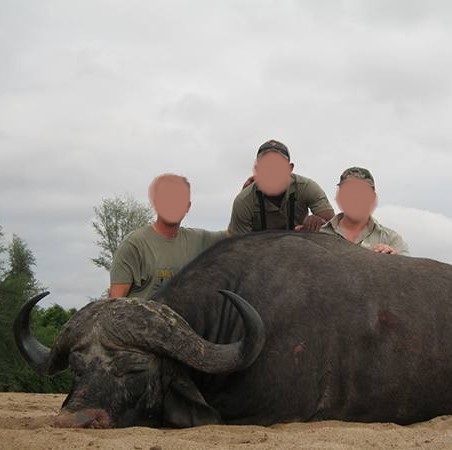
Does the Property Hold an Established Buffalo Population?
Knowing how many acres you will be hunting is only part of the picture. You also need to understand what buffalo are living on those acres.
Some South African hunting properties hold established buffalo populations with breeding herds, younger animals, mature bulls and older bulls that have spent years on the property. Other areas may have smaller resident populations, with additional trophy bulls introduced periodically for hunting.
That difference is worth understanding before you book.
An established population doesn't guarantee that you'll find the bull you want, just as the introduction of
trophy bulls doesn't automatically mean you'll have an easy hunt. What it does tell you is something about how the buffalo population on that particular property is managed.
Ask how long buffalo have been established on the hunting area. Are there breeding herds? Are there different age classes? How many mature bulls are normally present? Do older bulls separate from the herds and spend significant time elsewhere on the property?
Numbers alone don't tell you whether the property holds the buffalo you want to hunt.
An area may have many huntable bulls, but if most mature bulls are around 38 inches and you've booked the safari specifically hoping for a 42- or 44-inch trophy, the number of buffalo on the property isn't particularly helpful.
Ask what size and age of mature bulls the property realistically holds. If trophy size matters to you, find out whether bulls in your target range are already present or whether an animal would need to be introduced for the hunt. If your priority is an old, hard-bossed bull rather than maximum horn spread, say that as well.
Also ask how many bulls realistically meet the trophy class you've booked. A property may hold plenty of buffalo but only one or two bulls that match what you're looking for. If having several mature bulls to choose from matters to you, establish that before booking rather than assuming a large buffalo population automatically gives you plenty of options.
The question isn't simply how many huntable buffalo are on the property. It's whether the property holds the kind of buffalo you came to South Africa to hunt.
Then ask about introductions.
Are buffalo regularly brought onto the property? If so, why and how frequently? Are bulls introduced to supplement the existing population, or are trophy animals brought in specifically to be hunted?
That last question can be especially relevant in South Africa.
Some hunters travel with a particular trophy objective and may book after seeing photographs of a specific bull or being told that an animal exceeding a certain horn measurement is available. That can be a perfectly clear arrangement, provided the hunter knows exactly what is being offered.
But it is a different proposition from choosing a property because it holds an established population and then hunting for a suitable mature bull within it.
For the purposes of choosing the hunting area, you don't need to decide which model is better.
You need to know which model you're booking.
If you're comparing Cape Buffalo Hunts, ask each outfitter to explain how the buffalo population on the property is structured and managed. Don't settle for “we have plenty of buffalo.”
A much more useful question is:
“Are the buffalo we'll be hunting part of the established population on this property, or has the bull I'm likely to hunt been introduced specifically for the safari?”
The answer won't tell you everything about the hunt.
But it will tell you considerably more about the hunting area you've been asked to choose.
How Much Hunting Pressure Does the Area Receive?
Two properties with similar acreage and similar buffalo populations can produce different hunts depending on how much hunting pressure those buffalo have received.
Ask how many buffalo hunts take place on the property during a season.
A hunting area may hold a good population of mature bulls, but if those buffalo are regularly being tracked, bumped and hunted, they may behave differently from buffalo on an area that receives little hunting pressure.
That doesn't necessarily make it a bad hunting area.
Pressured buffalo can simply be more difficult to hunt. Bulls may become more challenging to approach, move into thicker brush after being disturbed or require more tracking before the hunting team gets another opportunity.
That additional difficulty can be part of what makes the hunt interesting.
The timing of your safari also makes a difference. A property hunted several times earlier in the season may feel different by the time you arrive in August or September. That doesn't mean an early-season hunt is automatically better. Vegetation, water availability and buffalo movements are changing through the season as well.
What matters is understanding how much pressure the buffalo have received before your hunt begins.
If you're booking for a particular trophy class, ask about the bulls you're likely to hunt rather than only the total buffalo population.
A property might hold six mature bulls that meet your expectations, but how many of those bulls have already been pursued during the season? Has the bull you've seen in photographs already been hunted or disturbed? Have the same groups of bulls been followed repeatedly by previous hunters?
Those details matter once you start following tracks.
There is also a difference between a property being busy and its buffalo being heavily hunted. A lodge may host plenty of plains-game hunters without putting much pressure on the buffalo. Ask specifically about buffalo hunting pressure on the area, rather than simply how many hunters visit the property each year.
And don't assume that less pressure always means a better safari.
An old bull that has been pursued before and knows how to disappear into thick bush may provide exactly the difficult tracking hunt you travelled to Africa for. Another hunter may prefer an area where the buffalo have received less disturbance and where he has a better chance of working onto bulls without spending several days trying to relocate them.
Again, it comes back to choosing the area that matches the hunt you want.
Before booking, ask your outfitter:
“How many buffalo hunts have taken place on this property this season, and how much hunting pressure have the bulls we're likely to hunt already received?”
It's a much more useful question than simply asking whether there are plenty of buffalo available.
Does the Hunting Area Suit the Way You Want to Hunt?
The right buffalo area depends on how you want to hunt.
South African buffalo country varies. Thick bushveld means limited visibility and potentially close encounters, while open country may produce longer shooting opportunities. Neither is better, but the difference matters when you're choosing an area.
It can also matter when choosing the rifle you want to bring.
If you've always wanted to carry your .500 NE double behind the trackers, thick country where buffalo are commonly approached at close range may suit that rifle well. Put the same open-sighted double into more open country, where a longer shot may be required, and it may not be the rifle or hunting experience you had in mind.
That doesn't mean choosing a hunting area around your rifle. It means thinking about how the country, the way you want to hunt and the equipment you're bringing fit together.
Your physical ability matters as well.
If you want to cut fresh spoor in the morning and follow an old bull for as long as it takes, tell the outfitter. If age, an old injury or limited mobility means several hours of walking through thick bush will be difficult, tell him that too. There are South African buffalo areas that can suit different hunters, but the outfitter needs to know what you can comfortably do before recommending one.
Also establish where you will be hunting in relation to camp.
Not every buffalo hunt takes place on the property where the hunter is staying. Some opportunities are on other private hunting areas or reserves, and accommodation may be some distance away. In other cases, the buffalo available on the property where you're staying may not match the trophy class you've booked, and another hunting area may offer the better opportunity.
A 30-minute drive each way may not sound significant when you're booking the safari, but over several hunting days it adds up. A longer daily drive can also be frustrating if you arrived expecting to walk out of camp and start looking for buffalo.
Ask before booking:
“Where will we actually hunt my buffalo, and how far is that area from where I'll be staying?”
Finally, think about the rest of your safari.
If buffalo is your main objective but you're also hunting in South Africa for springbok, gemsbok or several other species, mention that before the hunting area is selected. Excellent buffalo country may not necessarily offer everything else on your list, and part of the safari may need to take place elsewhere.
The best buffalo area therefore isn't always the property with the most acres, the biggest herd or the shortest drive from camp.
It's the area that best fits the buffalo you want to hunt and the African hunting trip you want to have.
Frequently Asked Questions
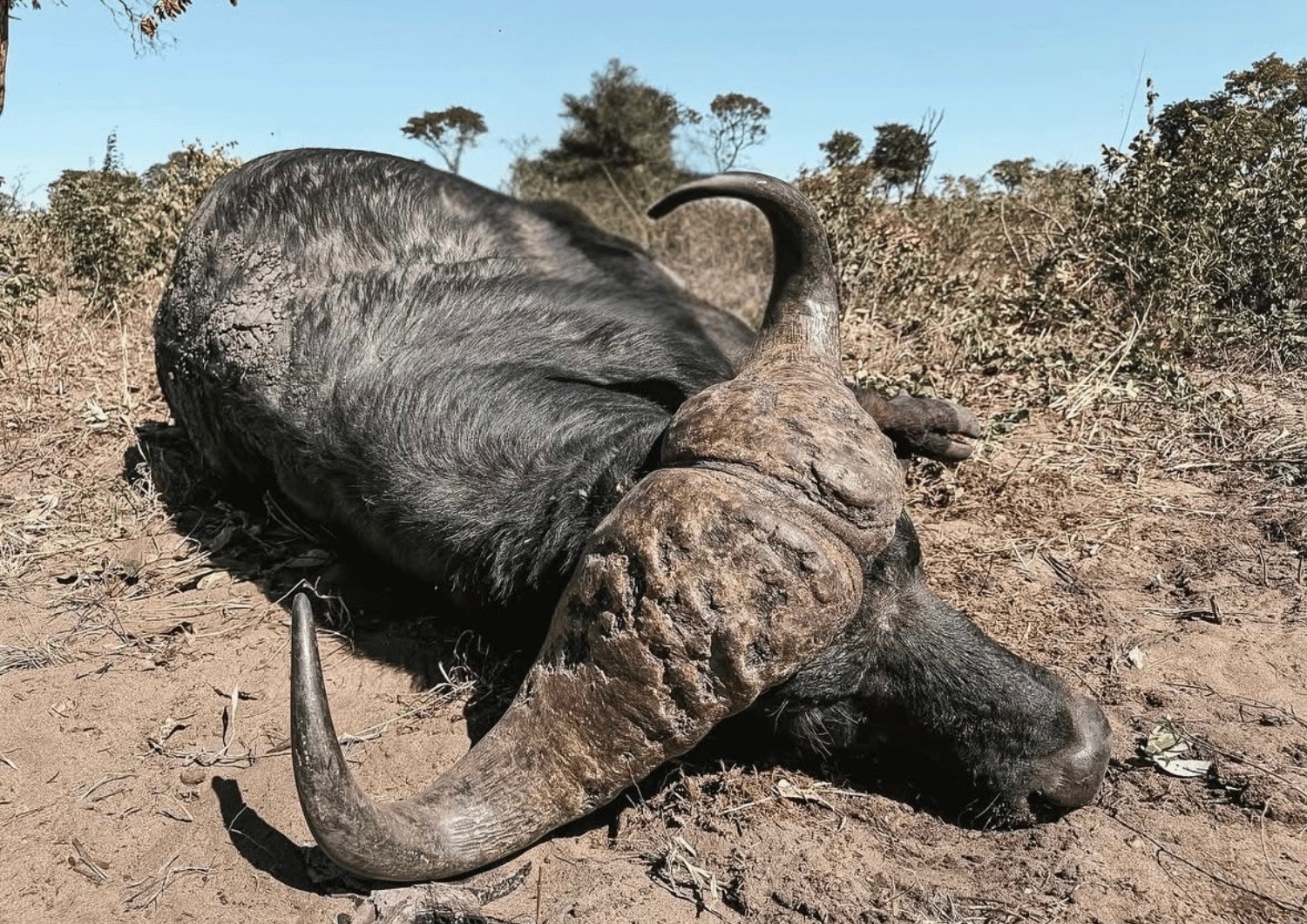
Does a Cape buffalo hunting area need to be one continuous property?
No. A buffalo hunt can take place on one continuous property or across different hunting areas. What matters is understanding what the advertised acreage represents. If several separate properties have been combined to produce the total acreage, ask how much of that country you will realistically hunt for buffalo and whether travelling between areas will take time out of the hunting day.
How do I know if the property has bulls in the trophy class I've booked?
Ask how many bulls currently on the property realistically meet the trophy class or age you're booking,
rather than relying on the total number of buffalo. If you've booked a particular size range, ask whether several suitable bulls are available or whether the hunt effectively depends on one animal. Current photographs can also help if trophy size is important to you.
Should I choose a buffalo area based on trophy size or the hunting experience?
That depends on what matters most to you. If you've travelled to South Africa specifically for a 42- or 44-inch bull, the property needs to hold buffalo capable of meeting that expectation. If your priority is tracking an old, hard-bossed bull on foot, terrain, hunting pressure and the age of the available bulls may matter considerably more than another inch of horn.
Decide which matters most before choosing the area, rather than after arriving in camp.
What should I ask an outfitter before choosing a Cape buffalo hunting area?
Ask about the actual huntable acreage, terrain, buffalo population, number of mature bulls, trophy sizes currently available, recent hunting pressure and whether bulls are regularly introduced. Also ask how much walking to expect, where you will hunt and how far the hunting area is from camp.
If buffalo is part of a larger Big Game Hunting in South Africa safari, tell the outfitter which other species are important to you. The best buffalo property may not necessarily be the best area for the rest of your hunt.
About the Author
Pierre van Wyk is the co-founder of Game Hunting Safaris and is actively involved in planning African hunting safaris for international hunters. Based in South Africa, he works with professional hunters and outfitters across the country and helps clients compare hunting areas, trophy opportunities and safari options before booking.