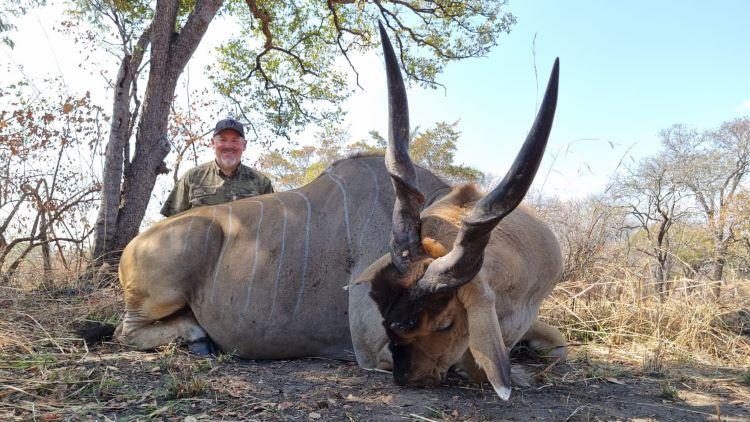
10x African Plains Game Trophies in 10 Days in Limpopo, SA
Booking Season: 2026
Hunt Difficulty: Moderate, Difficult

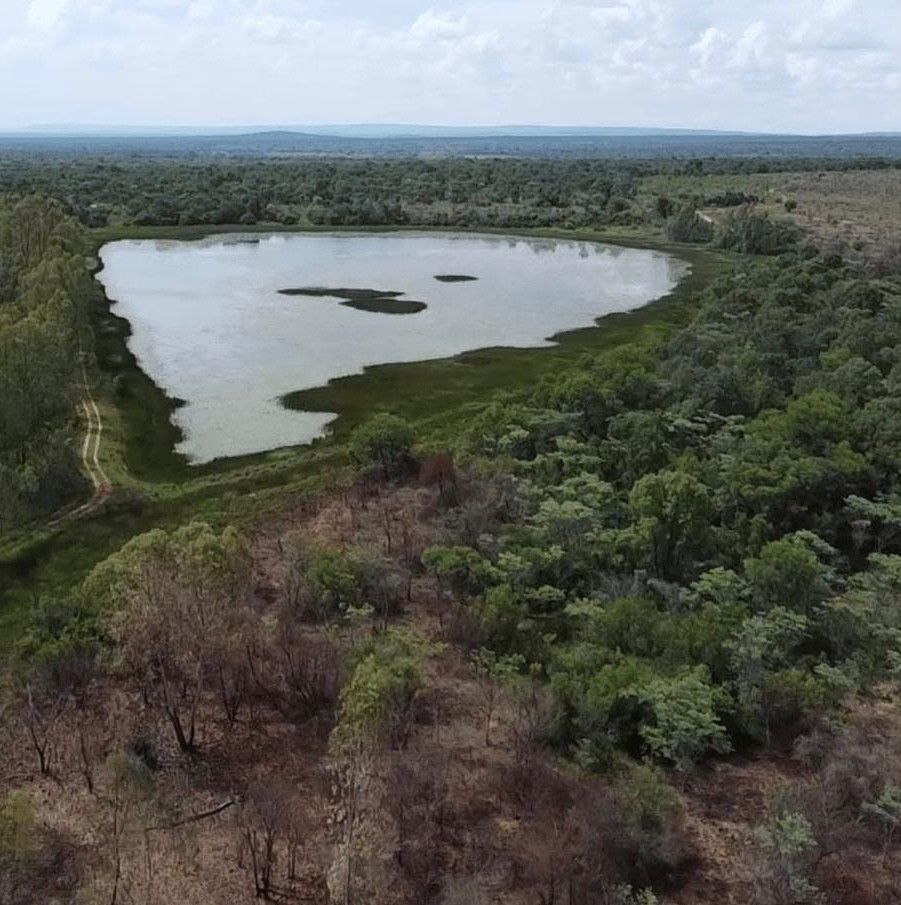
Big game hunting in South Africa offers a different kind of African safari from the large wilderness concessions of Tanzania, Zimbabwe, Zambia or Mozambique. The country has an extraordinary variety of huntable game, excellent safari infrastructure and outstanding hunting areas, but understanding how the South African model works is important before deciding whether it is the right destination for you.
Cape buffalo sits at the heart of much of South Africa's serious big game hunting. Buffalo hunts range from large private wildlife areas to extensive free-range environments, while kudu, eland, sable, nyala, waterbuck and other large plains game can turn a buffalo safari into an exceptional multi-species hunt. For someone researching Big Game Hunting across Africa, South Africa stands apart because so many different types of safari can be built within one country.
It is also considerably more accessible than other traditional wilderness destinations. Hunters can fly into Johannesburg and reach camp by road the same day, safari lengths can be relatively flexible, and changing areas or combining species is often easier than it would be in a remote African concession.
But accessibility should not be confused with every hunt being the same.
South Africa's hunting industry is built around privately managed wildlife areas, many of which are fenced. Property size, terrain, wildlife management, hunting pressure and the way individual animals are managed can therefore make an enormous difference to the quality and character of a safari.
Choosing a South African big game hunt requires looking beyond a species list and trophy fees. A buffalo hunt in thick Limpopo bushveld can bear very little resemblance to hunting across the mountains of the Eastern Cape or the more open country of the Northern Cape.
Anyone wanting to understand the country more broadly, including its regions, travel, seasons and safari logistics, can find that information in our complete guide to Hunting in South Africa.
Here, we're looking at something more specific: What does big game hunting in South Africa offer, how does it differ from the rest of Africa, and what should you understand before choosing a hunt?
Hunts Currently Available
10x African Plains Game Trophies in 10 Days in Limpopo, SA
Booking Season: 2026
Hunt Difficulty: Moderate, Difficult
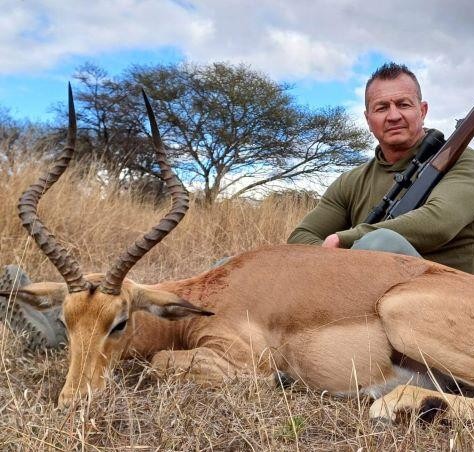
South Africa Hunting Trip, Plains Game Special in Limpopo
Booking Season: 2025
Hunt Difficulty: Moderate

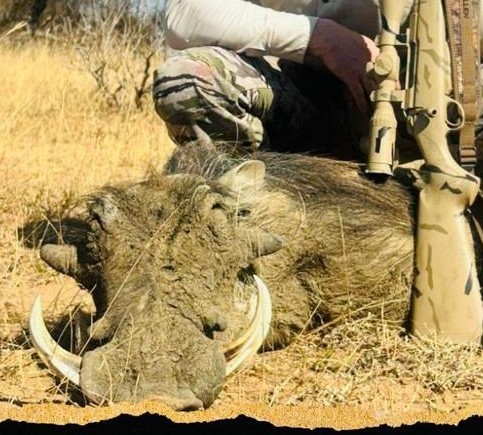
Safari Hunting in SA, 9 Nights and 5 x Plains Game Species
Booking Season: 2026
Hunt Difficulty: Moderate
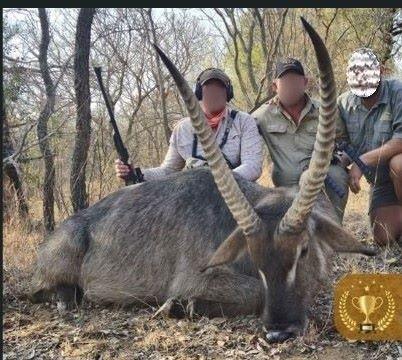
African Hunting Safari SA Golden Wildebeest plus 4 Species
Booking Season: 2026
Hunt Difficulty: Moderate
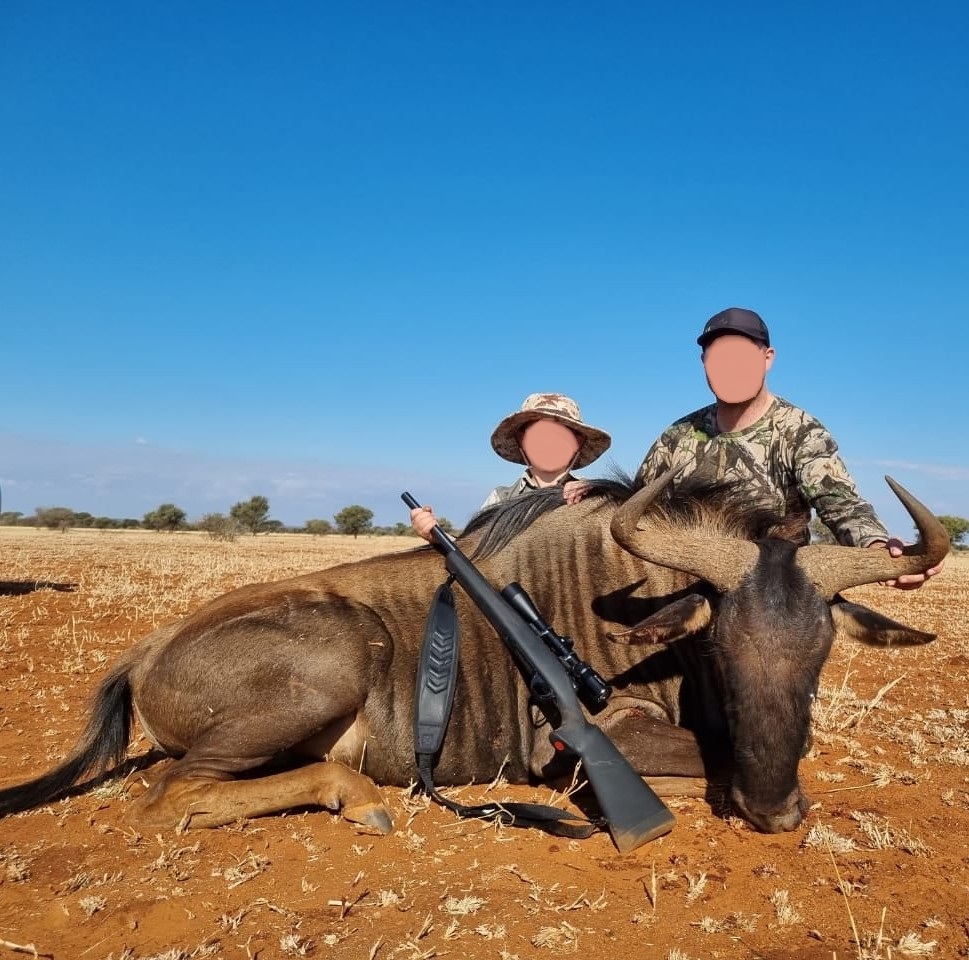
Hunt Waterbuck, Wildebeest & Impala in South Africa
Booking Season: 2026
Hunt Difficulty: Moderate
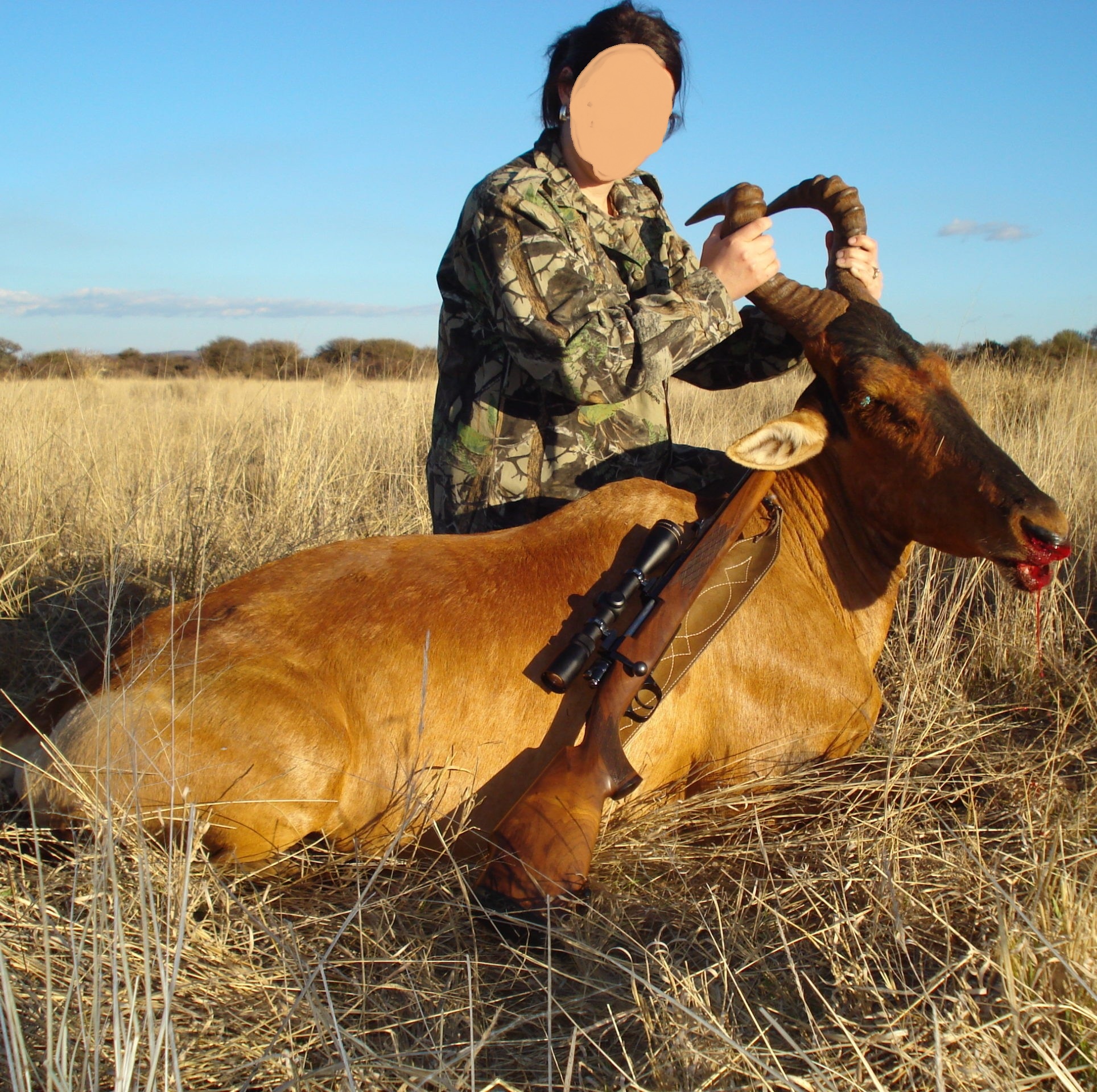
Hunting in South Africa: Tsessebe, Impala, Waterbuck & 2 More Species
Booking Season: 2026
Hunt Difficulty: Moderate
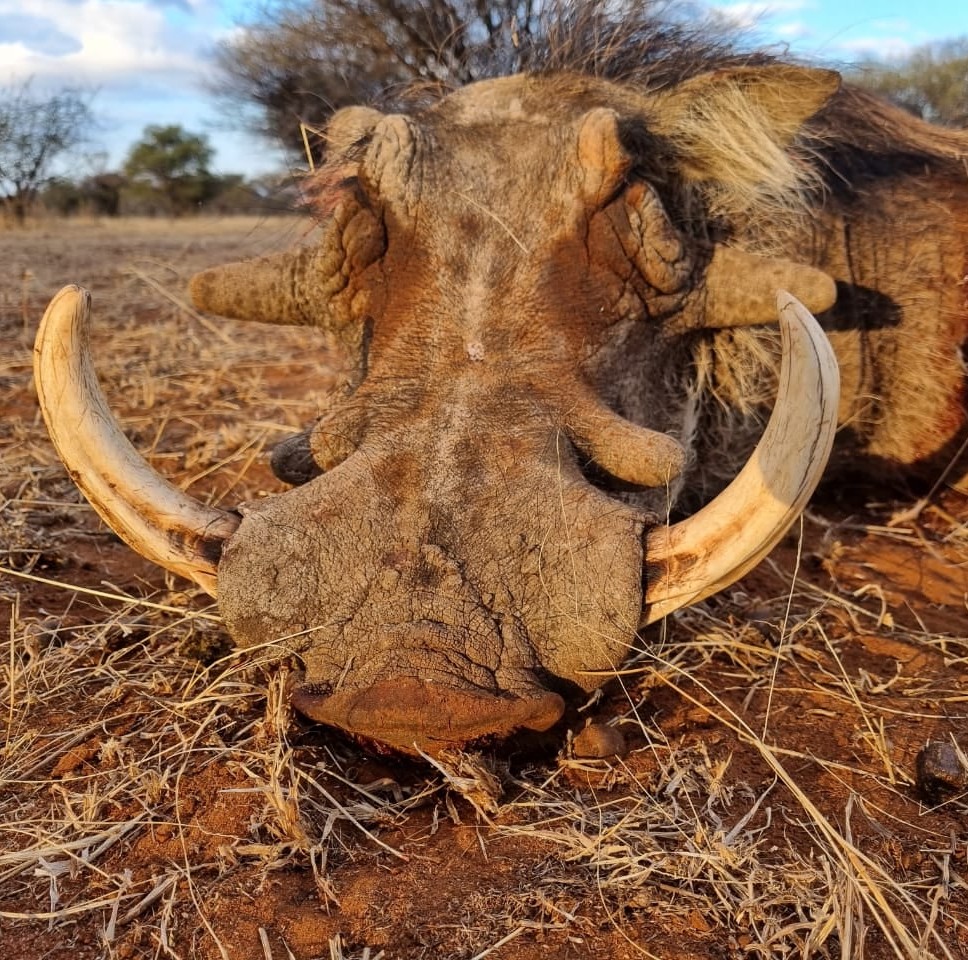
African Plains Game in Limpopo: Sable, Impala & Warthog Hunts
Booking Season: 2026
Hunt Difficulty: Moderate
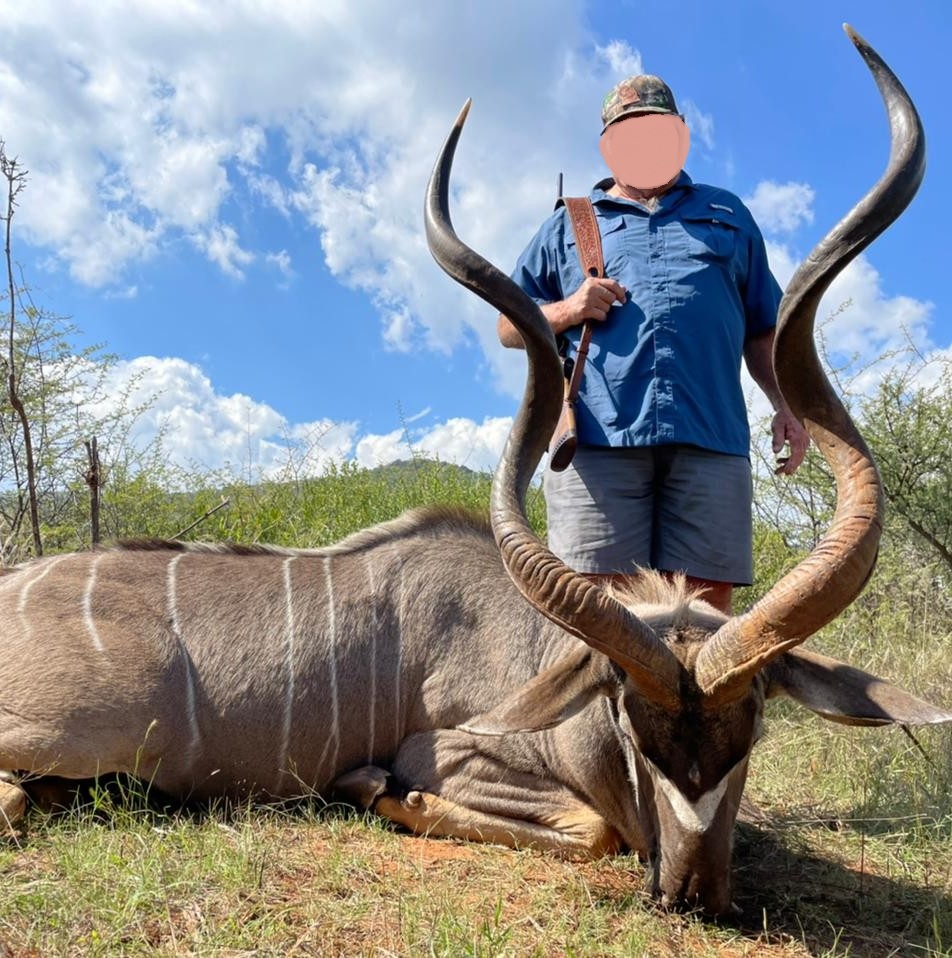
Plains Game Hunts in SA: Sable, Kudu, Warthog & 2 More Trophies
Booking Season: 2026
Hunt Difficulty: Moderate
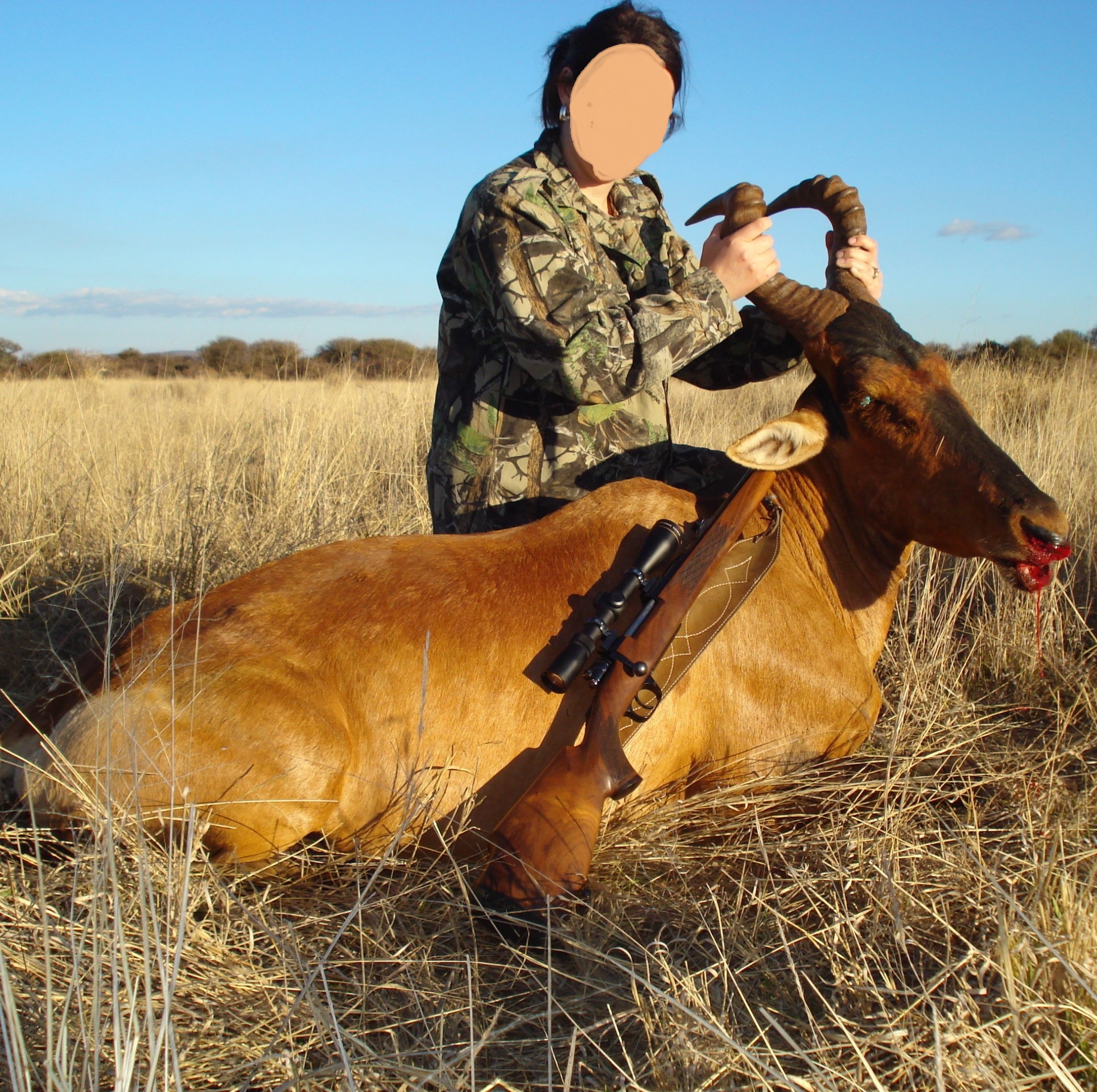
Hunt Kudu, Sable, Zebra, Gemsbok & 4 More Species in Limpopo
Booking Season: 2026
Hunt Difficulty: Moderate
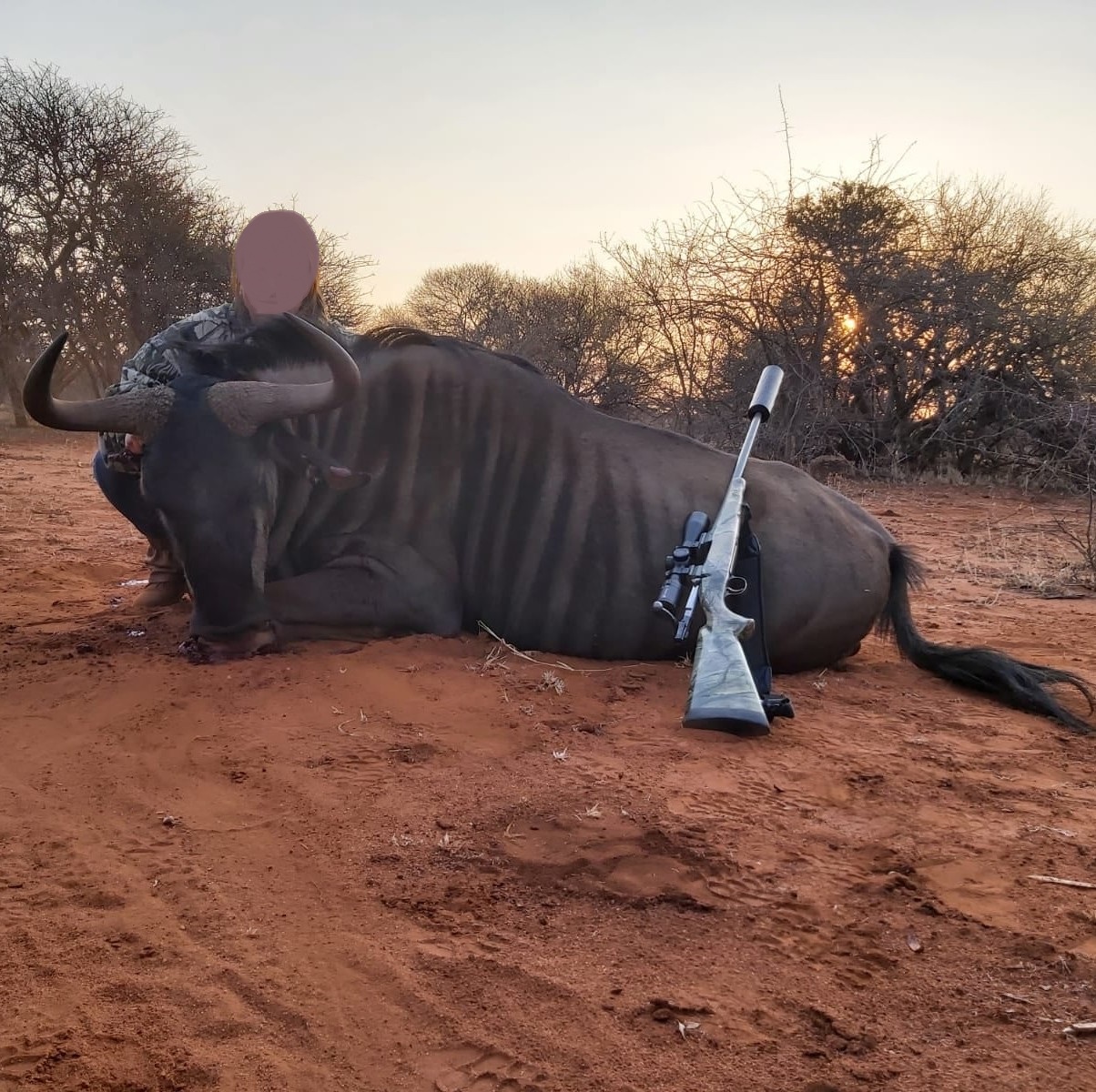
Hunt Wildebeest, Impala & Warthog in Limpopo, South Africa
Booking Season: 2026
Hunt Difficulty: Moderate
Big game hunting in South Africa is not limited to the Big Five or even to dangerous game. Some of the country's most sought-after big game animals are plains game species and understanding that distinction makes it much easier to decide what kind of safari you want.
Cape buffalo is the obvious heavyweight. Buffalo are hunted across several regions of South Africa and can form the main objective of a dedicated safari or be combined with other species. Cape buffalo is only one part of Africa's wider dangerous game story, which we explore in more detail in our Dangerous Game Hunts guide.
South Africa's large plains game species are equally important. Greater kudu, eland, sable, nyala, waterbuck, gemsbok and wildebeest can all become major hunting objectives rather than simply animals added around a buffalo hunt.
A mature kudu bull in bushveld may take days to find. Eland can cover enormous distances, while sable and nyala require their own approach to judging mature animals. These are different hunts, even though none involves following dangerous game.
That variety is one of the reasons Plains Game Hunts play such a large role in South African safaris. A hunter can build a trip around two or three priority species or combine a buffalo hunt with plains game when time and opportunity allow.
The important question is not how many species South Africa offers. It is which animals you want to spend your safari hunting.
South Africa does not follow the same big game hunting model as Tanzania, Zimbabwe, Zambia or Mozambique. Much of the country's hunting takes place on privately owned or managed wildlife areas rather than government concessions, and that changes how a safari is planned.
Most hunting ranches are fenced, but that description alone tells you little about the hunt. Areas may cover thousands or even tens of thousands of acres, while others are considerably smaller. Terrain, vegetation, wildlife populations, hunting pressure and the way the property is managed can matter just as much as the number of acres behind the fence.
This is important when choosing Cape Buffalo Hunts in South Africa. One property may require days of tracking through bushveld to find a mature bull, while another may offer a more predictable hunt. Both may be advertised as buffalo hunting in South Africa, but they are not necessarily offering the same safari.
South Africa also differs in the dangerous game it realistically offers. Cape buffalo is widely available and remains the country's principal dangerous game species for hunters. Elephant hunting opportunities are more limited and permit dependent, while South Africa should not be confused with destinations such as Tanzania, Zimbabwe or Mozambique when it comes to hunting wild lion and leopard.
None of this makes South Africa better or worse.
It simply means you need to understand exactly what you are booking.
Big game hunting can look different from one part of South Africa to another. The same species may occur in several regions, but terrain, vegetation and hunting conditions can change how they are pursued.
Limpopo is classic bushveld country. Thick vegetation and limited visibility often mean more time tracking and working through cover, particularly when hunting Cape buffalo or kudu. Sable, waterbuck and nyala also feature strongly in many of the province's hunting areas.
The Eastern Cape presents a different challenge. Mountains, valleys, open hillsides and pockets of bush can make glassing and longer stalks a much bigger part of the hunt. Kudu are one of the major attractions, alongside a variety of plains game.
KwaZulu-Natal brings another change in terrain, with bushveld, river valleys and mountainous country depending on the area. Nyala are particularly associated with the province, while buffalo and other large game can also form part of a safari.
Move west into the Northern Cape and the country opens considerably. Visibility increases, shots may be longer and species such as gemsbok and wildebeest become more prominent. It can feel a world away from following buffalo tracks through Limpopo bushveld.
Choosing the right area therefore starts with deciding what you want to hunt and how you want to hunt it. The species list may look similar on paper, but the safari can be completely different once you are on the ground.
South Africa offers big game hunting across everything from free-range areas to privately managed wildlife ranches. Understanding the difference matters, but simply asking whether an area is fenced does not tell you enough about the hunt.
A large property with difficult terrain, thick vegetation and established wildlife populations can provide days of hard hunting. Another area may be smaller, more intensively managed and offer more predictable opportunities. Both operate within the South African hunting model, but they can provide different safaris.
Another distinction worth understanding is that some South African hunts can operate on what is commonly described as a put-and-take basis, where an animal is introduced onto a property specifically for an upcoming hunt. This can occur with certain species and hunting operations, including crocodile hunts where an animal may be moved into a suitable water system before the safari. It is not how every South African hunt operates, but it is something worth asking about if the origin and history of the animal matter to you.
One point worth understanding is how the term free range is sometimes used in South Africa. Within the hunting industry, large properties of around 50,000 acres or more may be described or treated as free-range hunting areas even when the broader property has boundary fencing. For someone accustomed to the North American meaning of free range, that distinction is worth clarifying before booking.
This becomes important with species such as Cape buffalo. Ask how large the hunting area is, how the buffalo population is managed, whether the animals are established on the property and how frequently the area is hunted. It is also worth remembering that buffalo do not always respect property boundaries simply because there is a fence in the way. Those answers tell you more than the word fenced on its own.
Free-range hunting also takes place in genuinely open areas of South Africa, particularly for certain plains game species. But free range should not automatically be assumed to produce a better hunt. A huge area with very little game and a well-managed property with challenging terrain are two very different propositions.
The important thing is knowing what kind of hunt you want and asking enough questions to make sure the area can provide it.
The cost of big game hunting in South Africa varies depending on the species, hunting area and way the safari is structured. A plains game hunt built around kudu, wildebeest and gemsbok will look very different financially from a safari where Cape buffalo is the primary objective.
Most safaris are priced using a combination of daily rates and trophy fees, although package hunts that include a set number of hunting days and specific animals are also common. Cape buffalo will usually represent a substantial part of the budget on a dangerous game safari, while adding several plains game species can increase the final cost surprisingly quickly.
One detail worth checking carefully is how individual trophy fees are calculated. Some South African outfitters price certain animals according to horn length, trophy size or category rather than charging one fixed fee regardless of the animal taken. A sable, kudu or buffalo that moves into the next trophy category can therefore cost considerably more than the price initially used when planning the safari.
Before hunting a size-based animal, make sure you understand where the price categories change and what happens if the animal selected by the PH exceeds the category you originally budgeted for.
There are also the usual additional costs to consider, including observers, rifle rental, ammunition, transfers, trophy preparation and gratuities. Our African Hunting Safari Prices guide provides a broader breakdown of the costs involved in planning a safari across Africa.
The cheapest advertised trophy fee does not necessarily mean the cheapest hunt. Knowing exactly how the safari and individual animals are priced makes it much easier to build a realistic budget before you arrive.
South Africa makes sense for someone who wants flexibility. A safari can be built around Cape buffalo, focused entirely on plains game or combine both without necessarily requiring the time and logistics involved in hunting a remote wilderness concession elsewhere in Africa.
It is also a good choice for a first African safari. Travel is relatively straightforward, hunting areas can often be reached by road from major airports, and there is an enormous range of accommodation, terrain and species from which to choose.
But South Africa is not the answer to every big game hunting objective.
If the dream is a traditional wilderness safari built around wild lion, leopard or elephant across unfenced concessions, countries such as Tanzania, Zimbabwe, Zambia or Mozambique may be a better fit. If the priority is Cape buffalo, exceptional plains game, flexible safari length and the ability to combine several hunting objectives, South Africa becomes considerably more difficult to overlook.
The important thing is to choose the country for the hunt you want rather than simply because it offers the species on your list.
Our African Hunting Trips bring together current safari opportunities across South Africa and other leading hunting destinations, making it easier to compare the areas, species and type of hunt before deciding where to go.
South Africa's strength is not that every big game safari is the same. It is that you can choose one that suits the way you want to hunt.
South Africa offers Cape buffalo alongside a wide range of large plains game, including greater kudu, eland, sable, nyala, waterbuck, gemsbok and wildebeest. The species available will depend on the hunting area, permits and how the property is managed. Buffalo remains one of the country's principal dangerous game hunting opportunities.
The cost depends heavily on the species and structure of the safari. Plains game hunts are generally considerably less expensive than Cape buffalo hunts, while multi-species safaris can be priced using daily rates and individual trophy fees or sold as packages. Hunters should also check whether trophy fees are fixed or increase according to horn length or trophy category.
Both free-range and fenced big game hunting are available in South Africa. Many safaris take place on large privately managed wildlife areas with boundary fencing, while genuinely open hunting also occurs in certain regions. Property size alone does not determine the quality of the hunt, so it is worth asking how the wildlife is managed and whether animals are established in the hunting area.
Yes. Cape buffalo is widely hunted in South Africa and is one of the country's most important dangerous game species. Hunts take place across a variety of environments, from bushveld to large private wildlife areas and some free-range settings. The size of the property, buffalo population and management practices can make a considerable difference to the hunt itself.
A focused plains game safari may be planned around seven hunting days, while a Cape buffalo hunt or broader multi-species safari may justify additional time. The right length depends on the primary species, hunting area and number of animals on your list. Building in enough time to hunt priority animals properly is generally better than trying to fit too many species into a short safari.
Yes. Straightforward international access, a wide choice of hunting areas and the ability to combine Cape buffalo with plains game make South Africa particularly practical for a first African safari. It also allows a hunt to be built around different budgets and timeframes without requiring the logistics of a remote wilderness concession.
Discounted Hunts
Safari Hunting in SA, 9 Nights and 5 x Plains Game Species
Booking Season: 2026
Hunt Difficulty: Moderate
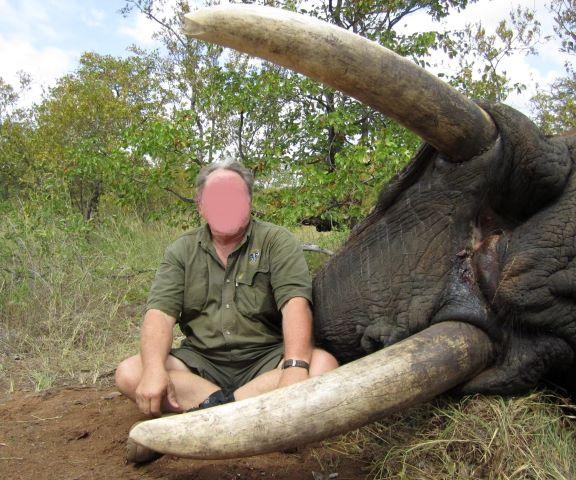
Non-Export Elephant Hunt in Namibia | Caprivi Safari
Booking Season: 2026
Hunt Difficulty: Difficult
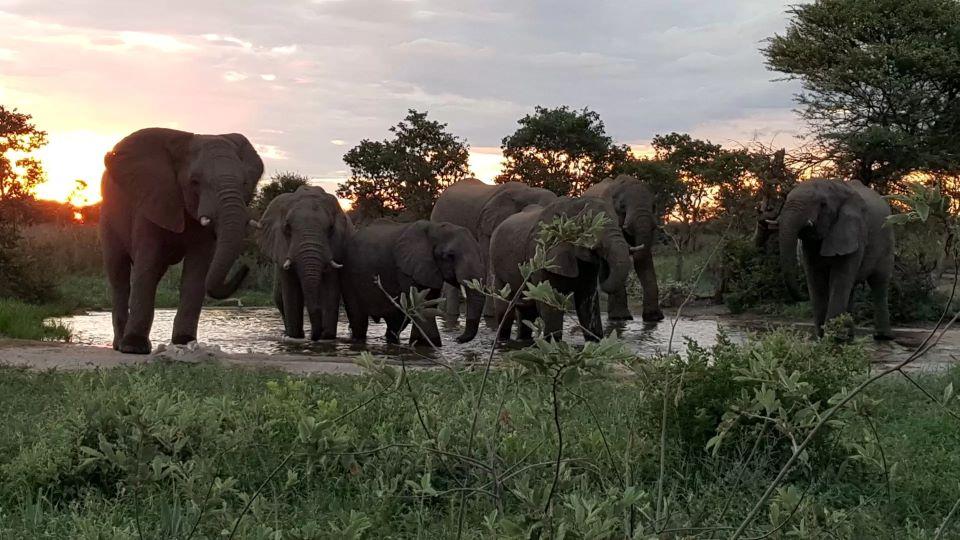
Non-Exportable Elephant Hunting in Namibia: Bushmanland
Booking Season: 2026
Hunt Difficulty: Difficult
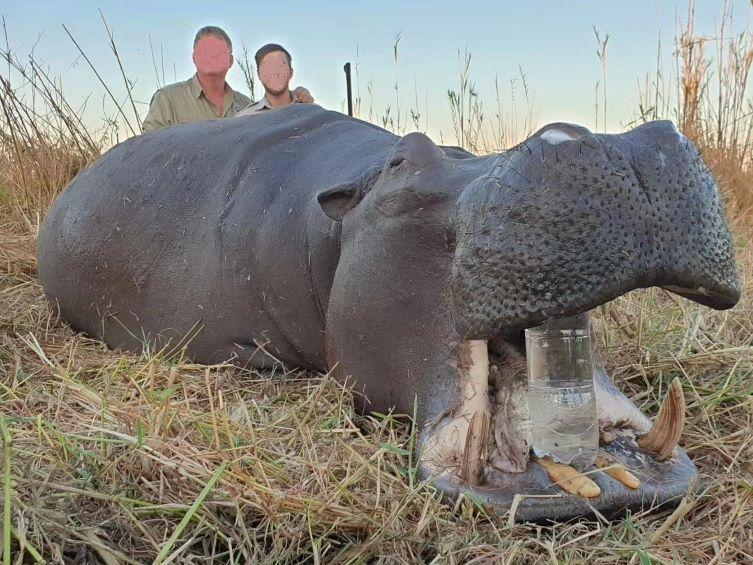
5-Day Exportable Hippo Hunt in Namibia’s Caprivi
Booking Season: 2026
Hunt Difficulty: Difficult
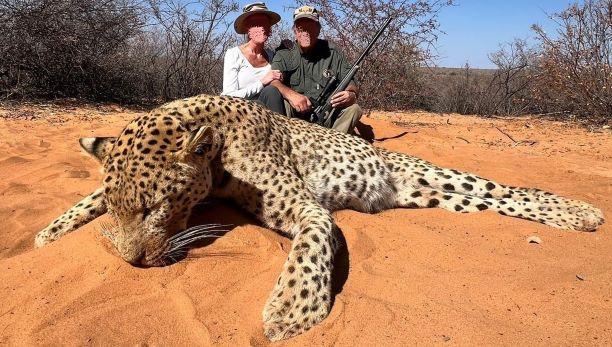
Leopard Safari in Bushmanland
Booking Season: 2026
Hunt Difficulty: Difficult
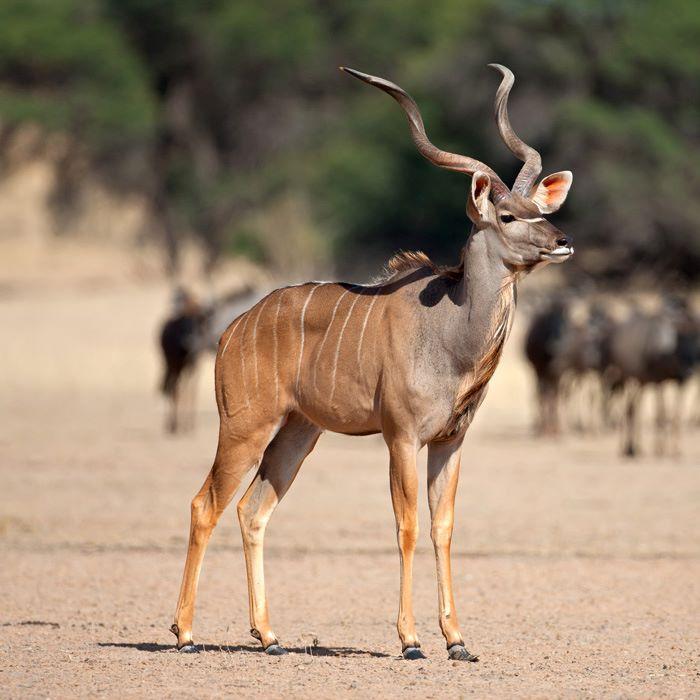
10 Days Kudu hunting bonanza and more for 2 Hunters in SA
Booking Season: 2026
Hunt Difficulty: Difficult
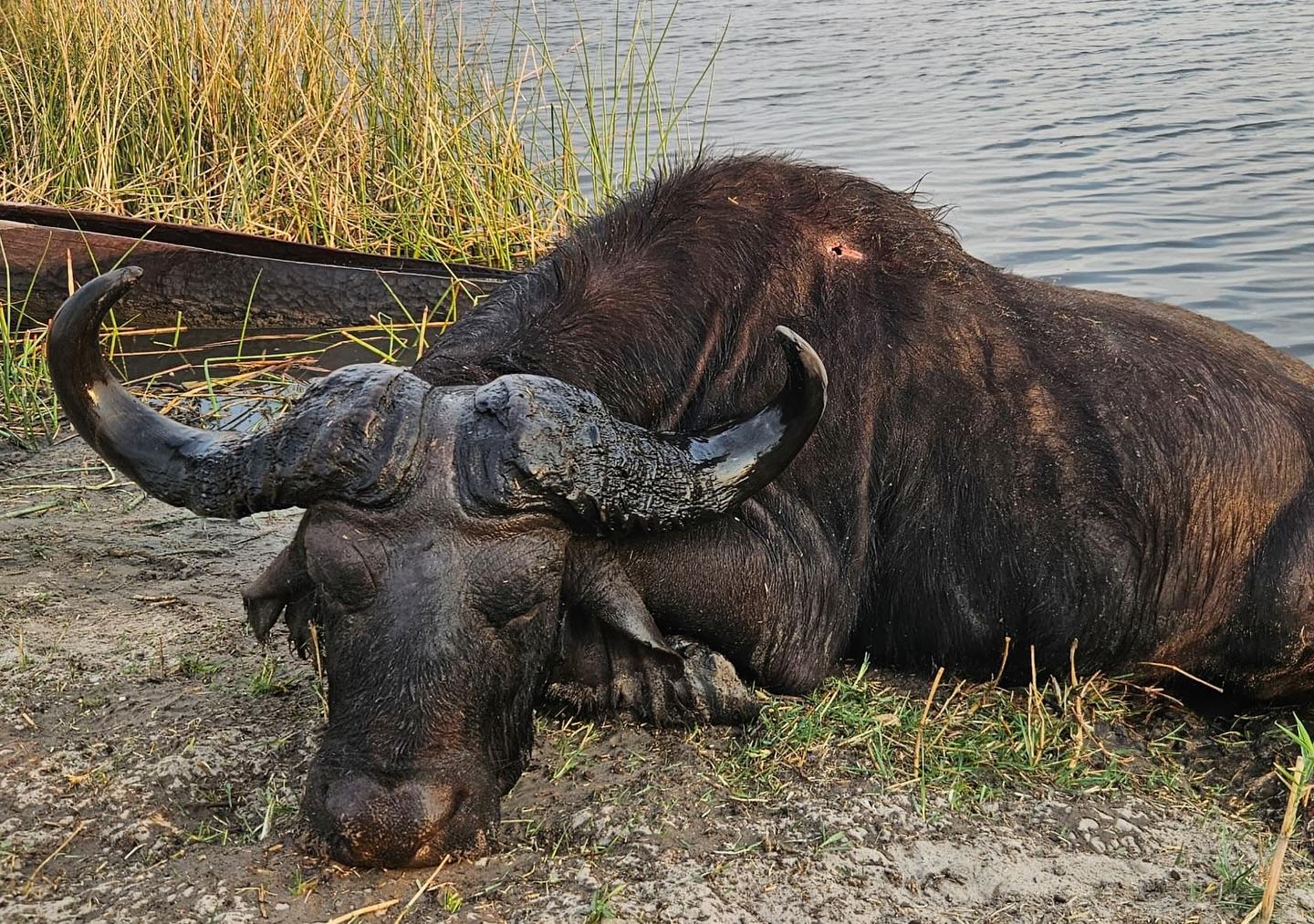
5 Full Day Zambezi Cape Buffalo Safari, Namibia
Booking Season: 2026
Hunt Difficulty: Difficult
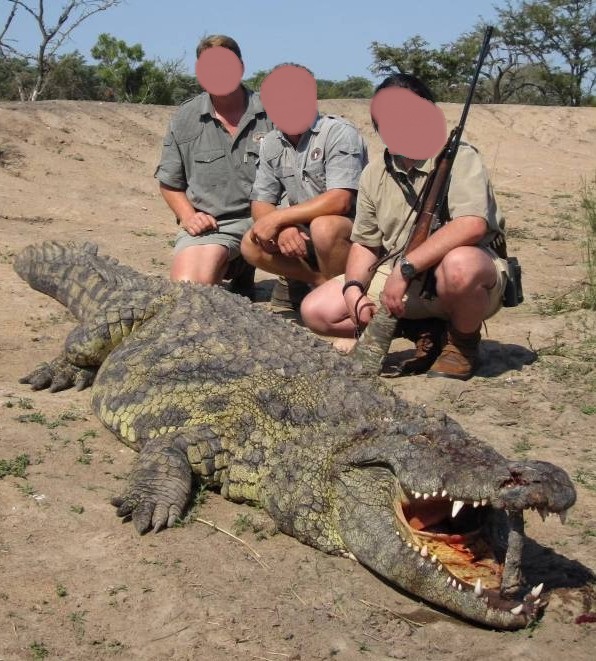
Non-Exportable Crocodile Hunt in Namibia’s Caprivi Strip
Booking Season: 2026
Hunt Difficulty: Moderate, Difficult
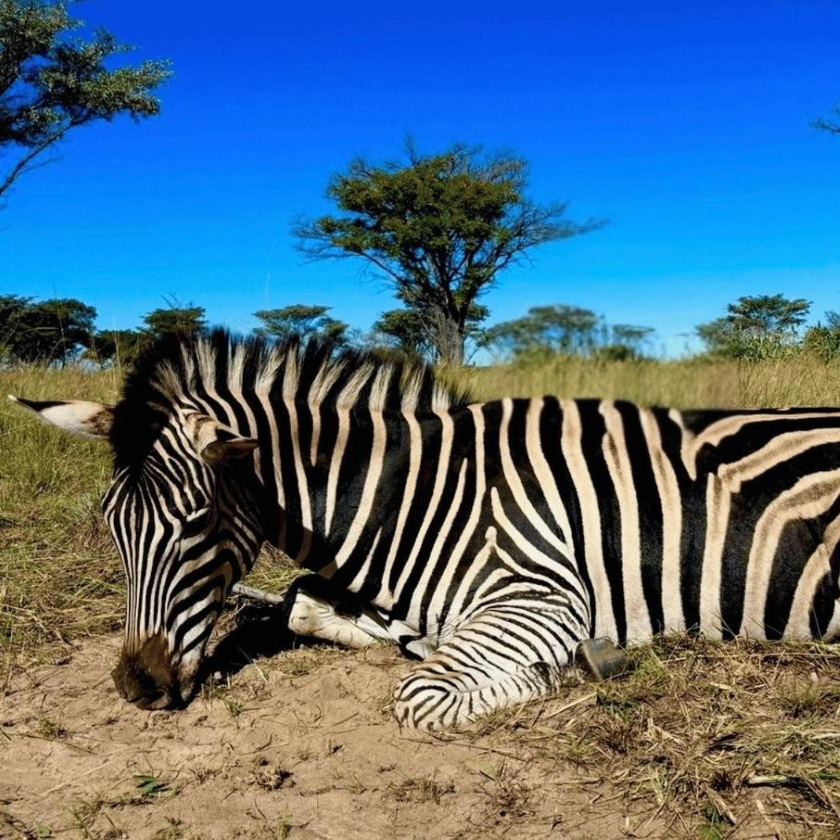
Wildebeest, Impala, Zebra, Warthog & Blesbok Hunts in Limpopo
Booking Season: 2026
Hunt Difficulty: Moderate
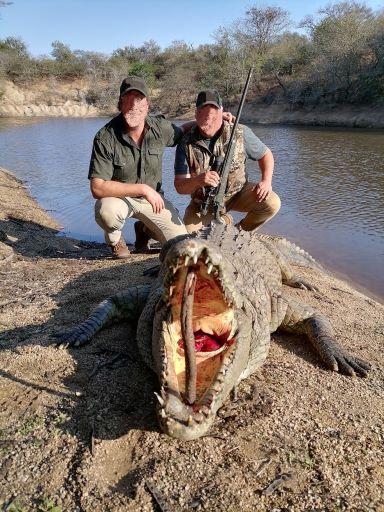
Free Range Crocodile Hunting Safari in Limpopo, SA
Booking Season: 2026
Hunt Difficulty: Moderate
Packaged Hunts
10x African Plains Game Trophies in 10 Days in Limpopo, SA
Booking Season: 2026
Hunt Difficulty: Moderate, Difficult
South Africa Hunting Trip, Plains Game Special in Limpopo
Booking Season: 2025
Hunt Difficulty: Moderate
African Hunting Safari SA Golden Wildebeest plus 4 Species
Booking Season: 2026
Hunt Difficulty: Moderate
Hunting in South Africa: Tsessebe, Impala, Waterbuck & 2 More Species
Booking Season: 2026
Hunt Difficulty: Moderate
African Plains Game in Limpopo: Sable, Impala & Warthog Hunts
Booking Season: 2026
Hunt Difficulty: Moderate
Plains Game Hunts in SA: Sable, Kudu, Warthog & 2 More Trophies
Booking Season: 2026
Hunt Difficulty: Moderate
Hunt Kudu, Sable, Zebra, Gemsbok & 4 More Species in Limpopo
Booking Season: 2026
Hunt Difficulty: Moderate
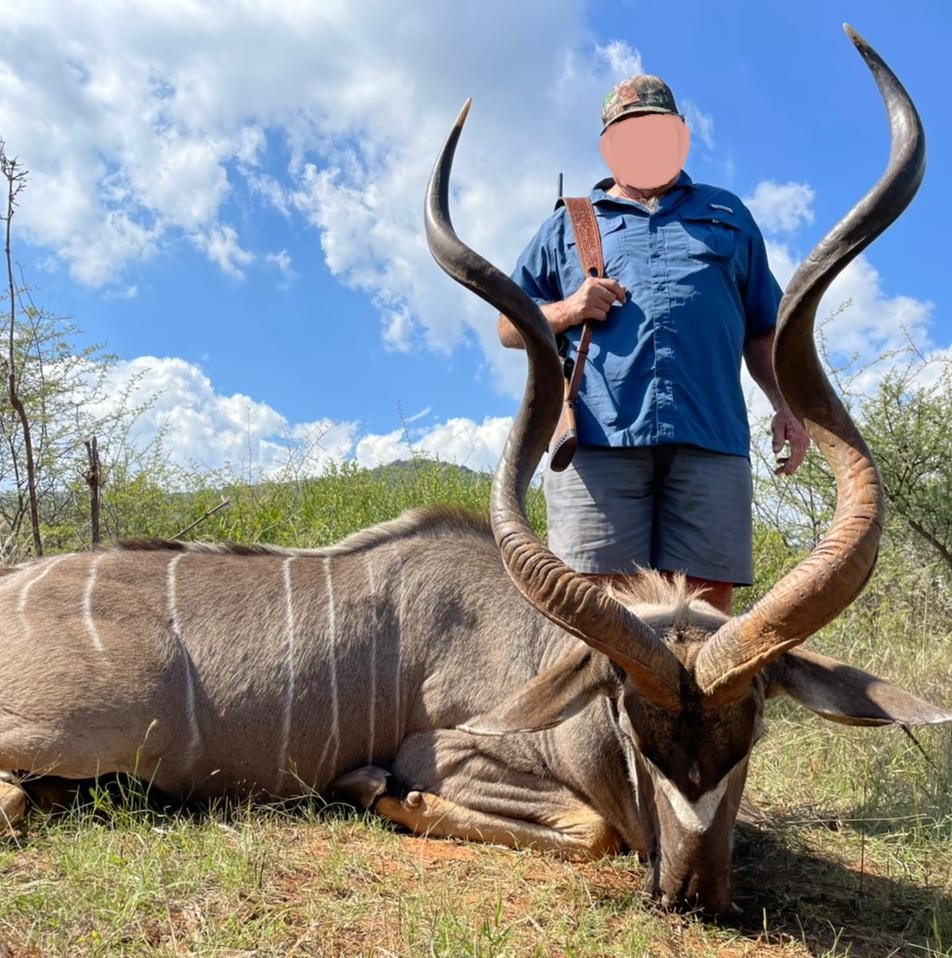
Plains Game Hunting in Limpopo: Kudu, Impala & 2 More Species
Booking Season: 2026
Hunt Difficulty: Moderate
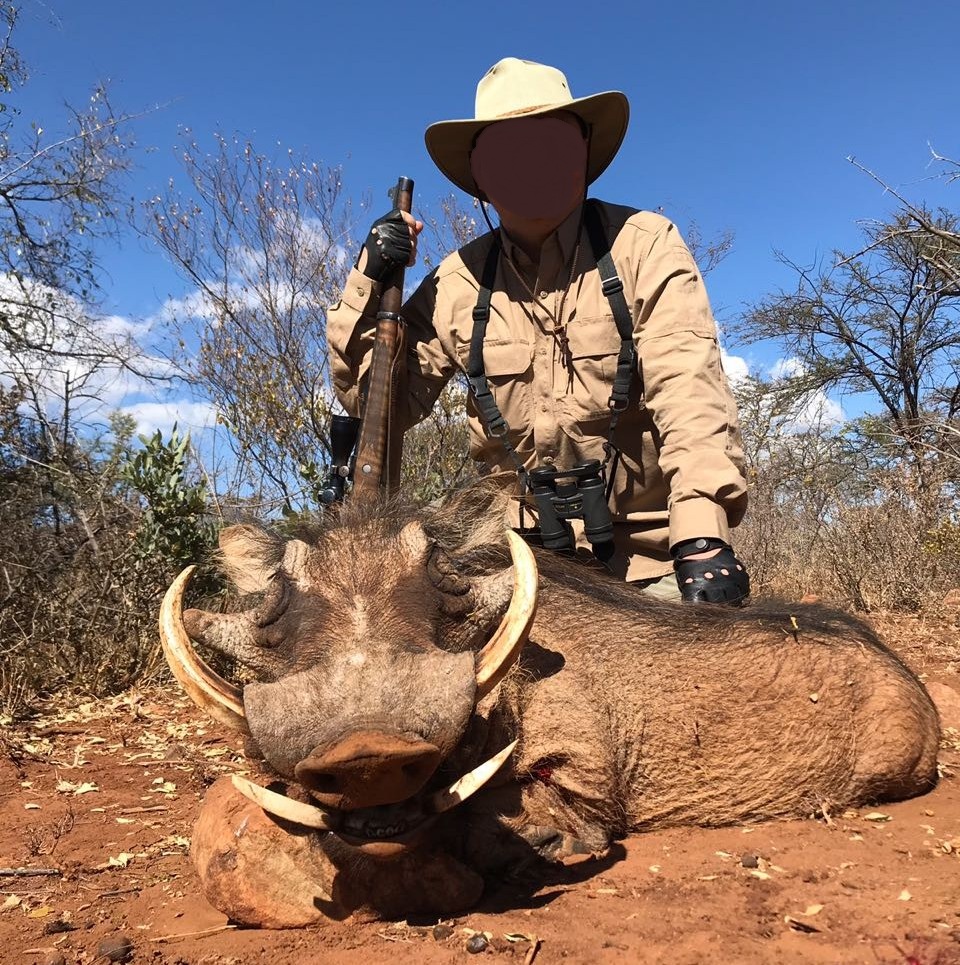
Hunt Blesbok, Wildebeest, Impala & Warthog in Limpopo
Booking Season: 2026
Hunt Difficulty: Moderate
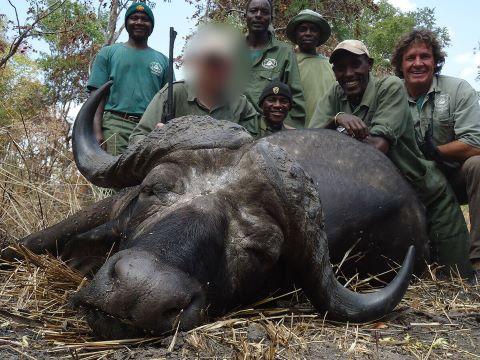
A Classic Cape Buffalo Safari in Tanzania's Legendary Selous
Booking Season: 2026
Hunt Difficulty: Difficult
Cancelled Hunts
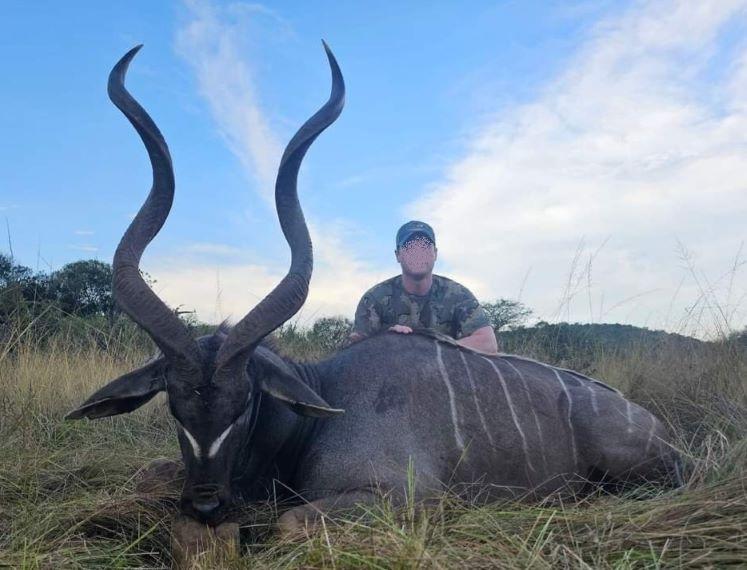
South African Plains Game Safari Trophy Nyala plus 5 Species
Booking Season: 2026
Hunt Difficulty: Moderate, Difficult
Wildebeest, Impala, Zebra, Warthog & Blesbok Hunts in Limpopo
Booking Season: 2026
Hunt Difficulty: Moderate
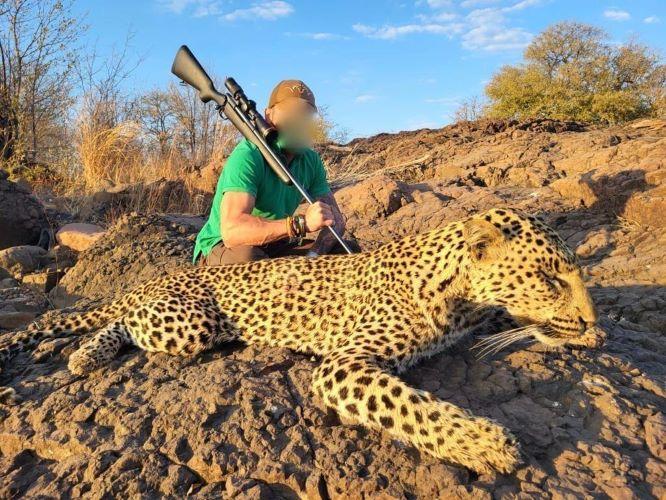
Free-Range Leopard Hunting Safari in Tanzania | 14-Day Licenc
Booking Season: 2026
Hunt Difficulty: Difficult
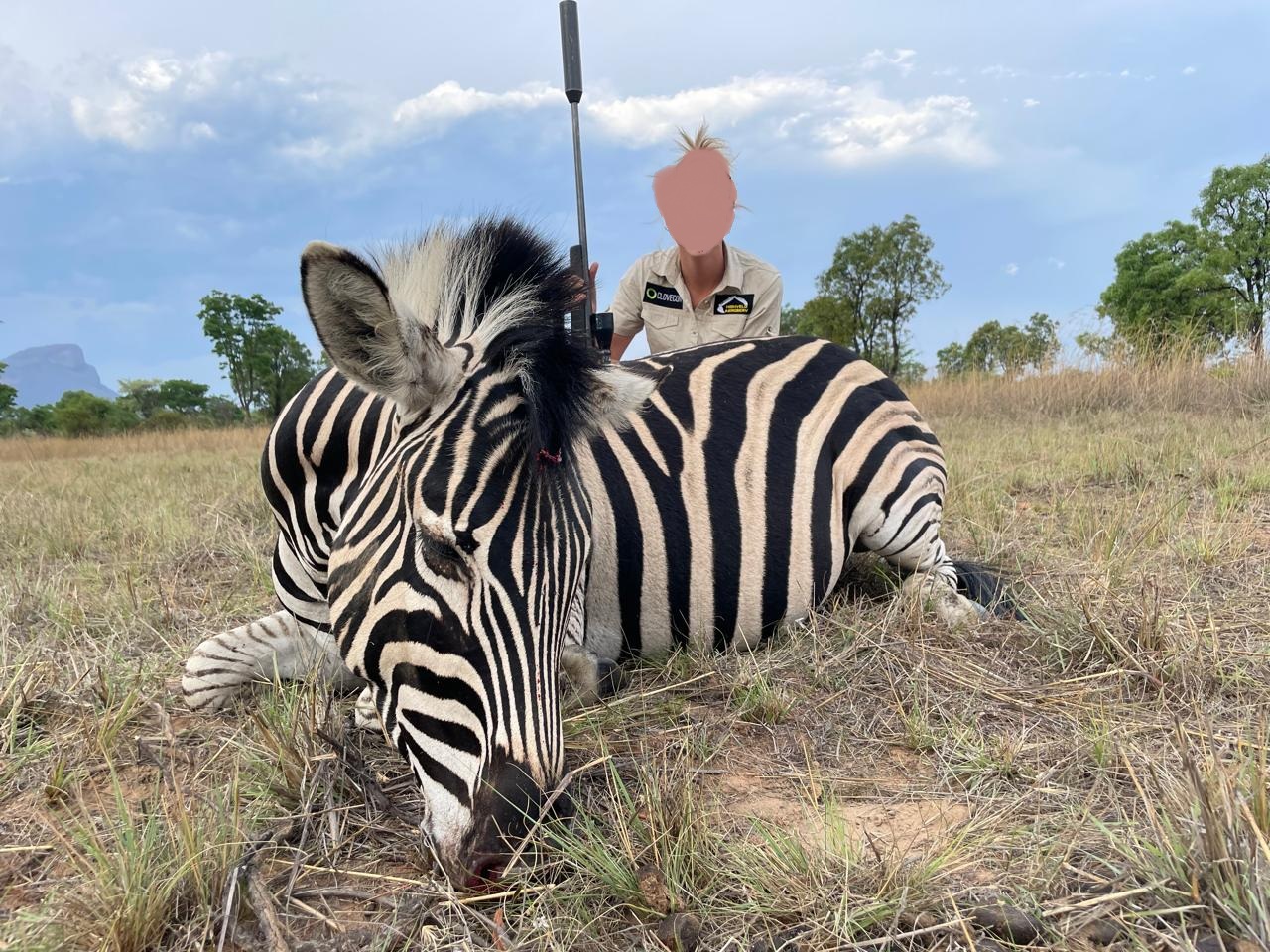
Hunt Cape Buffalo, Wildebeest, Zebra & Bushbuck in Limpopo
Booking Season: 2026
Hunt Difficulty: Difficult
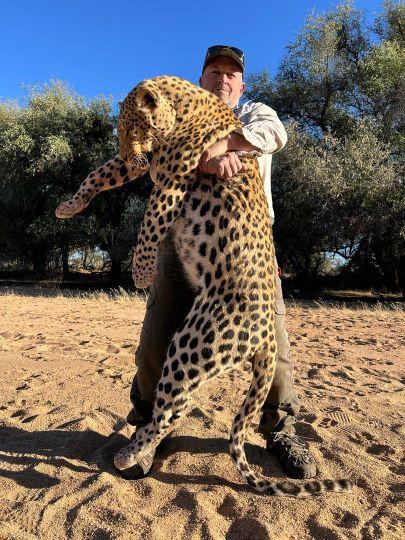
Namibia Leopard & Brown Hyena Cancelation Hunt
Booking Season: 2025
Hunt Difficulty: Difficult