
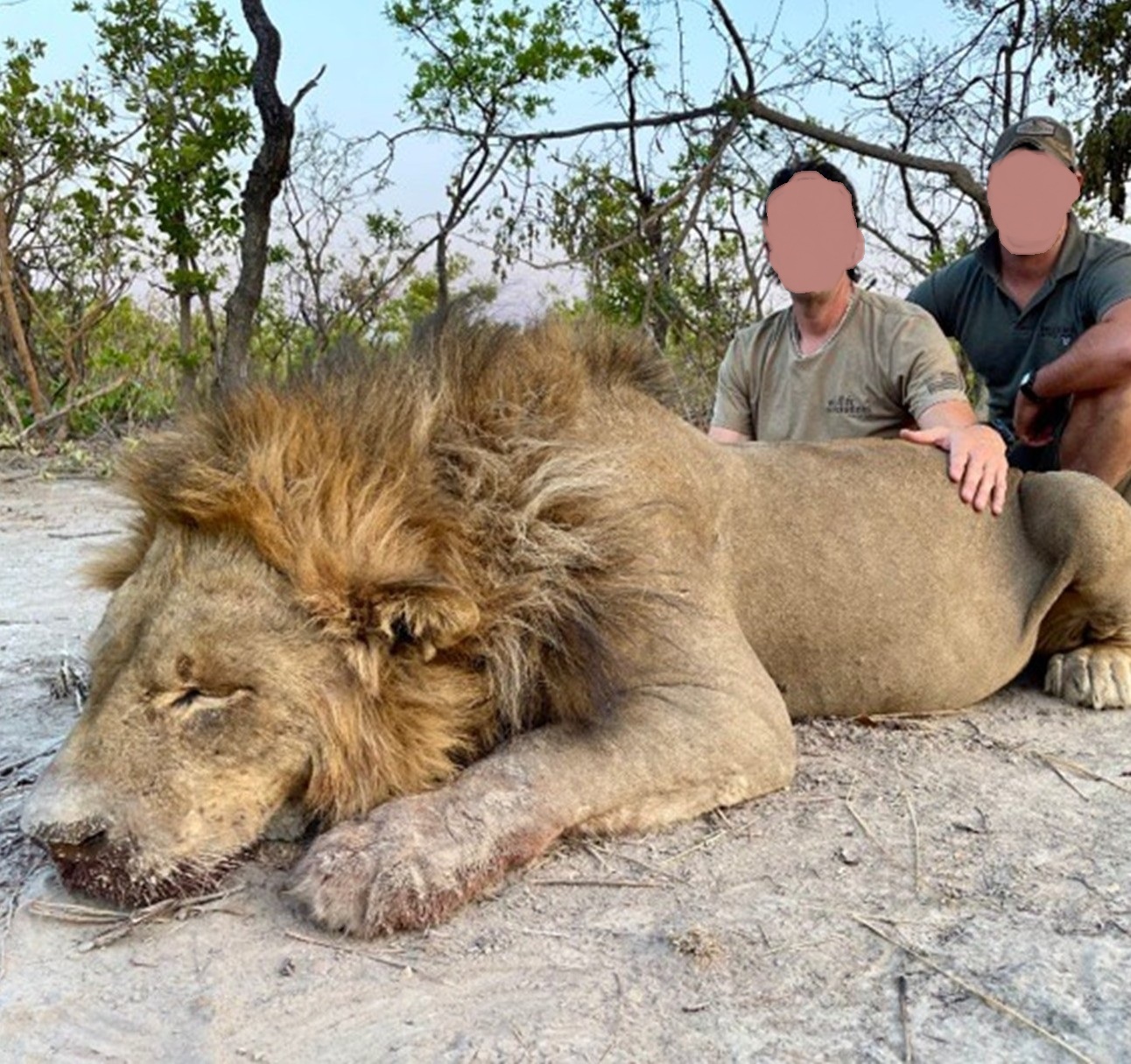
Two lion hunts in South Africa can look similar on a booking platform and still be different hunts.
Both may be advertised as five-day safaris. Both may include a mature male lion, accommodation and the services of a professional hunter. Yet one may cost more than the other. The lions may come from different management systems, the hunting areas may be different, and the trophy from one hunt may not be importable into your home country.
Booking lion hunting in South Africa involves more than comparing photographs, mane size and the advertised safari price.
You need to know exactly what you are buying.
In South Africa's captive-bred lion market, sometimes referred to as the “farmed” lion market, hunters may be offered different classes or categories of lion at various prices. Those classifications are not necessarily the same from one outfitter to another. If you are quoted for a Class 2, Class 3 or Class 4 lion, ask what that classification means, how the lion has been selected and what determines the difference in price.
The hunting area matters just as much. How large is it? How long has the lion been there? How will the hunt be conducted? Will you be tracking on foot? What permits are required, and have they been issued? If you want to take the trophy home, is the lion from this hunt eligible for import into your country?
These aren't questions to ask after arriving in camp.
They are questions to answer before paying the final balance and boarding a flight to South Africa.
There are lion hunts available to hunters with different expectations and budgets. The important part is understanding the hunt being offered, what is included, what documentation is in place and whether it matches what you thought you were booking.
What Type of Lion Hunt Are You Being Offered?
The first question to ask is where the lion came from.
Most lions historically hunted in South Africa have been captive-bred rather than taken from established wild populations. Wild lion hunting opportunities do exist, but they represent a small part of the South African hunting market. SANBI has previously reported that less than 5% of lion trophy hunts were sourced from wild populations.
That distinction needs some explanation as the terminology used to advertise lion hunts can be confusing.
A captive-bred lion is an animal bred in a controlled environment. It may later be moved to a hunting property and released into a larger area before being hunted. The rules governing that process, including permits and release requirements, depend on the province and circumstances of the hunt.
A lion from an established wild population is different.
South Africa's wild lions occur within national parks, protected areas and private reserves. Many of these areas are fenced, including smaller reserves that support recognised wild lion populations. The presence of a fence therefore does not, by itself, make a lion captive-bred.
Wild lions living on these reserves hunt natural prey, breed within functioning populations and live under very different conditions from lions produced by captive-breeding operations.
Simply asking whether the hunting area has a fence doesn't tell you what kind of lion hunt you are buying.
Ask the outfitter directly.
Was the lion bred in captivity? Where did it come from? When was it moved to the hunting property? How long will it have been in the hunting area before the hunt begins? Is the lion part of an established wild population on the property, or has it been introduced specifically for the hunt?
If the hunt is advertised as “wild” or “managed wild,” ask exactly what that description means for that safari. Don't assume that two outfitters using the same description are selling the same type of hunt.
This distinction can affect more than the character of the safari. It can influence the price, availability, permits, hunting method and, particularly for international hunters, whether the resulting trophy can be imported into their home country.
How Will You Actually Hunt the Lion?
The way the lion will be hunted is another question to settle before booking.
Many South African lion hunts involve locating fresh spoor and then following the lion on foot with the professional hunter and trackers. Roads and likely crossing points may be checked from the vehicle first, but once tracks are found, the hunting team will start tracking through the bush and soft sand.
Shots can also be close.
During Pierre van Wyk's own Kalahari lion hunt, the final shot was taken at approximately 18 yards. That doesn't mean every South African lion hunt ends at that distance, but hunters should be prepared for the possibility of seeing a lion considerably closer than they might expect.
Rifle choice becomes part of the experience as well. A scoped bolt-action rifle remains a practical choice, while hunters who enjoy traditional dangerous game rifles may find an open-sighted double well suited to a close-range hunt. A .470 NE or .500 NE in your hands while following fresh lion spoor through the Kalahari certainly adds a different character to the safari.
Whatever rifle you choose, being comfortable with it matters more than simply carrying the largest calibre available. Close range does not make the shot unimportant. If anything, the pressure of suddenly seeing a lion at short distance makes understanding Lion Shot Placement and being familiar with your rifle even more important.
This is a different style of hunting from waiting over bait, which remains a common method for wild lion hunts in countries such as Zimbabwe, Mozambique and Tanzania.
Some hunters specifically want to track a lion on foot. Others may be considerably less comfortable following fresh spoor knowing that the animal is somewhere ahead.
There is nothing wrong with either preference. What matters is knowing before you book.
Ask how the lion will normally be located, how much of the hunt is likely to take place on foot, what the terrain and visibility are like, and what happens when the tracks lead into thick cover. A five-day lion safari tells you how much hunting time you have bought. It doesn't necessarily tell you how you are going to hunt.
What Does a Lion Class Actually Mean?
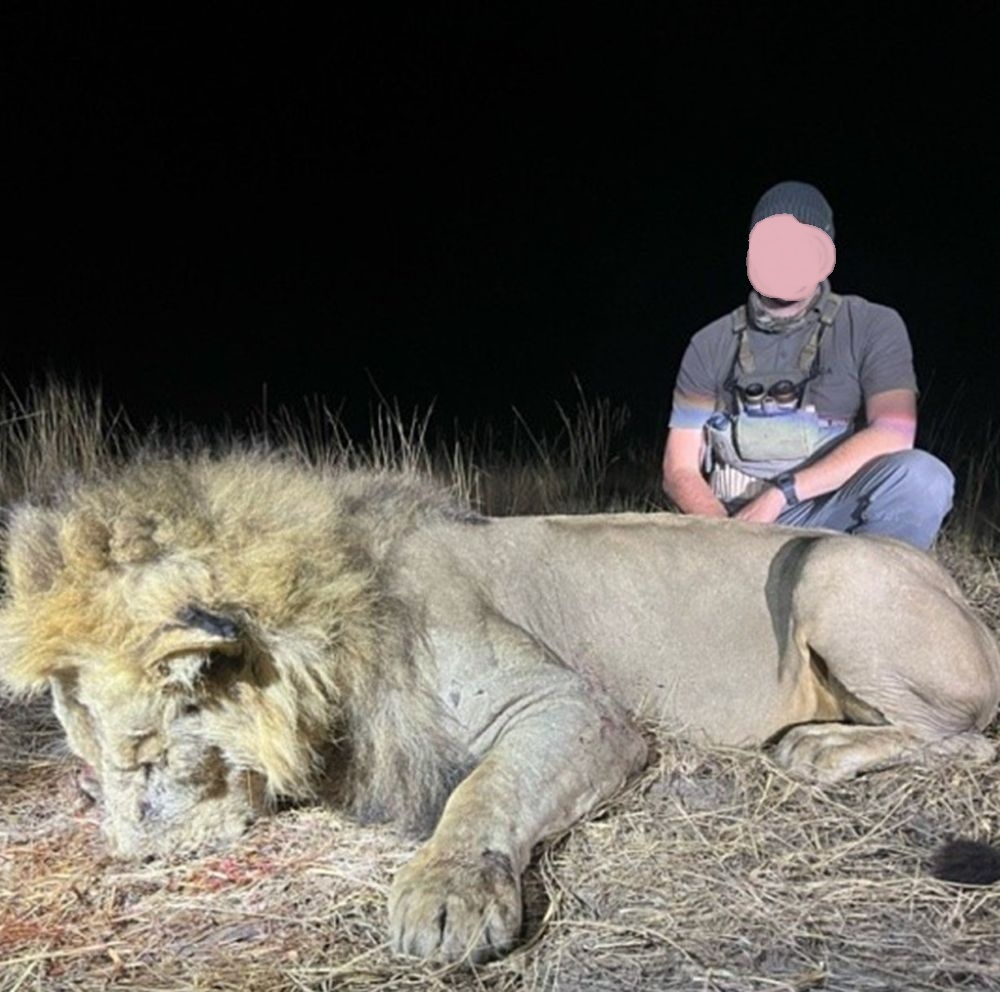
Captive-bred lions in South Africa are marketed in different classes or categories, with the price increasing as you move into the higher classes.
A lion class is not necessarily a universal grading system used in the same way by every outfitter. A Class 3 lion offered by one operator should not automatically be assumed to be the same as a Class 3 lion advertised somewhere else.
Age and maturity can influence the classification, but much of the commercial difference is also visible in the lion itself. Mane development, colour, overall appearance and the individual animal being offered can all affect the price.
A mature male carrying a heavy, dark or black mane may command considerably more than a younger or lighter-maned lion. Some hunters specifically want that classic black-maned trophy and are prepared to pay the difference. Others are perfectly happy with a mature, representative lion and would rather put the additional money towards another species or a longer safari.
White lions are another category altogether. They are unusual colour variants rather than a separate species, and captive-bred white lions may be offered at a considerable premium because of their appearance and relative scarcity in the hunting market.
If an outfitter quotes you for a Class 2, Class 3 or Class 4 lion, ask what determines that class in their operation. Ask about the lion's age and mane characteristics. You can also ask for a current photograph of the actual lion being offered rather than relying on an example of that category.
Then decide what matters to you.
If you've always wanted a heavy black-maned lion, paying for a higher category may make sense. If your goal is to track a mature lion on foot and experience the hunt itself, paying considerably more for a particular mane or category may add very little to the safari you want.
You're not simply choosing a class. You're deciding which characteristics are worth paying for.
How Much Does the Hunting Area Matter?
The size of the hunting area is worth asking about, but acreage alone doesn't tell you how the lion hunt will develop.
A large property sounds impressive on a booking page. What matters more is what that hunting area looks like on the ground.
Thick Kalahari bush, sandy roads, patches of open ground and heavy cover can make tracking a lion challenging even when you know the animal is somewhere in the hunting area. Another property of similar size may be considerably more open, making it easier to locate the lion or pick up fresh spoor.
Ask how much of the property is available to the lion and what the terrain looks like. Is there enough soft ground to track effectively? How thick is the vegetation? Are there large open areas? Where are the water points? And how much of the hunt normally takes place away from the road network?
For captive-bred lion hunts, an important question is how long the lion has been in the hunting area before you arrive. Release requirements can differ between provinces, so don't assume that every South African lion hunt operates under the same conditions.
The longer a lion has occupied an area, the more opportunity it has had to move through the property and establish its own patterns. But time alone doesn't determine the quality of the hunt. Terrain, cover, property size and the way the hunt is conducted all play a part.
This is why asking only “How many acres is the property?” isn't enough.
Ask what those acres are like to hunt.
Make Sure the Lion Hunting Permits Have Been Issued
Before travelling to South Africa for a lion hunt, make sure the permits required for that hunt have been issued by the relevant authorities.
Don't settle for being told that the paperwork has been submitted or that the permits will be ready by the time you arrive.
Ask for a copy before you get on the plane.
Lion hunting in South Africa is regulated, and the permits and requirements depend on the province and circumstances of the hunt. For captive-bred lions, there may also be permits associated with moving or releasing the animal before the hunt.
This becomes important when the safari has been booked months in advance. A deposit may be required to secure the lion and your hunting dates, with the remaining balance due closer to the safari. Before making that final payment, confirm with the outfitter that the required hunting permits have been issued and ask for copies of the relevant documentation.
We were recently made aware of an international hunter who arrived in South Africa for a lion safari after paying for the hunt, only to discover that the required permit had not been secured.
That is a situation you want to avoid before leaving home. Ask which authority issued the permit, check that the details correspond with the hunt you have booked and keep a copy with your travel documents.
If the permit has not yet been issued, ask what happens to your hunt, deposit and final payment if approval does not arrive before your travel date.
A confirmed booking and a paid lion do not replace an issued hunting permit.
What Does the Advertised Lion Hunt Price Actually Include?
Two lion hunts advertised at different prices aren't necessarily expensive and cheap versions of the same safari.
First establish what each price includes.
Some South African lion hunts are sold as complete packages, with the lion, professional hunter, accommodation, meals and a set number of hunting days included. Others may separate certain costs or charge additionally for transfers, rifle hire, observers, extra hunting days or additional species.
The lion itself can account for a substantial part of the difference. As we've already discussed, age, mane development, colour and the category used by the outfitter can all influence what you're paying.
Deposits are another consideration. An outfitter may require a deposit to secure your hunting dates and, in some cases, the lion you have selected. Make sure you understand when the remaining balance becomes payable and what happens to your deposit if the hunt cannot proceed. Then look beyond the advertised package.
Are airport transfers included? What about ammunition if you're hiring a rifle? Are there additional government or permit charges? What happens if you decide to hunt another species while you're there? And if you intend taking your lion home, which taxidermy, dipping, packing, freight and import costs sit outside the safari price?
These additional costs are one reason it helps to understand African hunting safari prices before comparing packages purely on the advertised total.
Trophy importability matters as well. Some hunters may knowingly book a South African lion hunt without intending to take the trophy home. Others consider the skin and skull an important part of what they're buying.
If bringing your trophy home matters to you, establish whether the lion from that hunt can legally be imported into your country before you book it.
A cheaper lion hunt isn't necessarily better value if you thought you were buying something that wasn't included, or a trophy you cannot take home.
Compare what you're getting, not just the number at the bottom of the quotation.
Before You Book Your Lion Hunt
There is no single South African lion safari that will suit every hunter. The lion itself, the hunting area, the way the hunt is conducted, the permits, trophy importability and the final cost all need to match what you expect from the experience.
Hunters considering Big Game Hunting in South Africa can also combine a lion safari with other dangerous game or plains game, depending on the hunting area and species available.
For hunters planning a broader Hunting in South Africa safari, those additional opportunities can turn a focused lion hunt into a considerably larger African hunting trip.
Know what you're buying before you book it. Then go hunting.
Frequently Asked Questions About Booking a Lion Hunt in South Africa
Can a Captive-Bred South African Lion Count Toward an SCI Big Five Award?
No. Safari Club International's policy opposes the hunting of African lions bred in captivity. A captive-bred lion is not eligible for entry into the SCI Record Book and cannot count toward an SCI hunting award.
If completing an SCI-recognised Big Five or another SCI hunting award is important to you, establish that the lion you are considering qualifies before booking the safari.
A hunter can legally hunt a captive-bred lion in South Africa where the necessary permits and provincial requirements are met, but that does not mean the lion will qualify for SCI recognition.
Can an American Hunter Import a Captive-Bred Lion Trophy From South Africa?
Do not assume that because a lion can legally be hunted in South Africa, its trophy can legally be imported into the United States.
The United States regulates the import of African lion hunting trophies, and captive-bred South African lions have been treated differently from qualifying wild and wild-managed lions.
If bringing the trophy home is important to you, confirm the current U.S. Fish and Wildlife Service requirements for the particular lion and hunt before paying your deposit or final balance. Don't rely on the fact that another hunter may have imported a lion previously.
Is South Africa Ending Captive-Bred Lion Hunting?
South Africa has adopted a policy objective to end the commercial captive lion industry, including captive keeping, intensive breeding and commercial exploitation of captive and captive-bred lions.
That process has not happened overnight. Government has been developing and implementing measures aimed at phasing down the industry, including voluntary exit programmes and restrictions on new captive lion facilities.
For a hunter considering a safari months or years ahead, the practical lesson is simple: check the current regulations and permit situation when you book, and check again before you travel.
Does a Captive-Bred Lion Count as One of the African Big Five?
The lion is one of the five species traditionally associated with Big Five Hunting, together with elephant, Cape buffalo, leopard and rhinoceros.
However, simply hunting a lion does not mean that the trophy will qualify toward every hunting organisation's Big Five awards or records. Safari Club International, for example, does not allow a captive-bred lion to count toward an SCI hunting award.
If completing a recognised Big Five achievement is part of your hunting goals, check the rules of the organisation whose award or record you intend pursuing before choosing your lion hunt.
About the Author
Tamlyn van Wyk is the co-founder of Game Hunting Safaris and has first-hand experience hunting dangerous game in Southern Africa, including lioness in South Africa’s Kalahari. She works alongside hunters and outfitters in planning African hunting safaris, with a focus on providing hunters with clear, practical information before they book.