
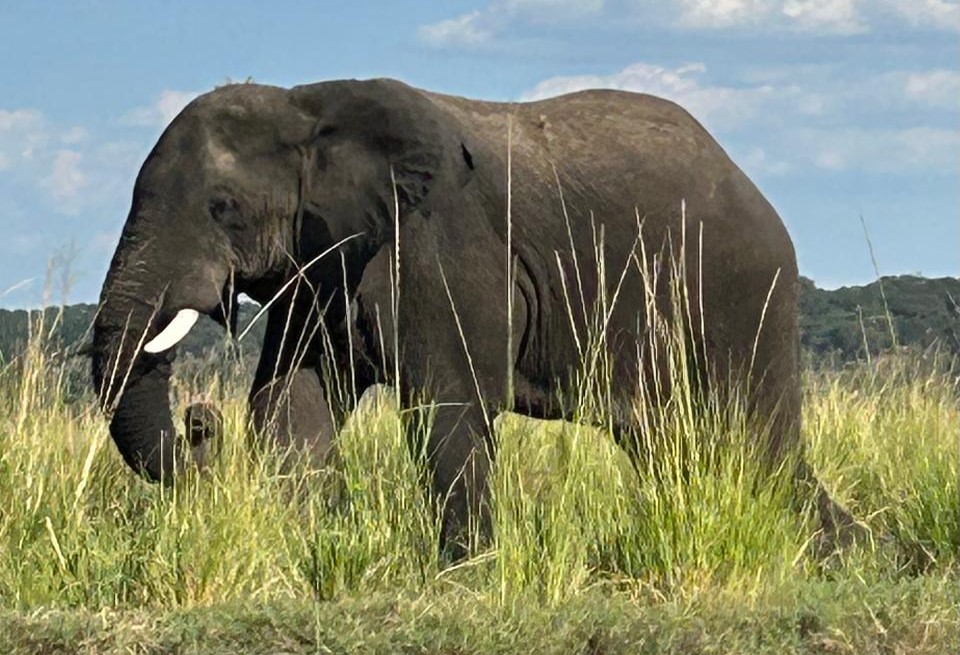
Deciding to go elephant hunting in Botswana is the easy part. Deciding where in Botswana to hunt takes a little more thought.
Two elephant hunts in the same country can come with different price tags, trophy expectations and hunting conditions. One area may hold large numbers of elephants moving between permanent water and protected areas, while another may have fewer elephants but offer excellent opportunities for mature bulls. The amount of walking, vegetation, water, hunting pressure and even the time of year can change what you experience on the ground.
Botswana's large elephant population shouldn't be the only reason you choose a particular hunt. Seeing plenty of elephants is one thing. Finding the right mature bull, in an area that suits the type of hunt you want, is another.
Before comparing safari prices or asking an outfitter what size tusks you can expect, it helps to understand the hunting area itself. Where are the bulls coming from? Are they resident or moving through? What happens when the water changes later in the season? How many elephant hunts have already taken place there? What have hunters realistically taken from the area in recent seasons?
Start With the Elephant Hunt You Want
Before comparing hunting areas, decide what matters most to you.
Some hunters want to spend their safari tracking old bulls through large concessions and are prepared to walk for days before finding an elephant worth pursuing. Others place more emphasis on trophy potential and want to hunt an area with a recent record of producing mature bulls carrying heavier ivory.
Not every hunter is chasing ivory weight. Some simply want to hunt a mature, representative bull from the area and enjoy a proper elephant hunt. Time can matter as well. A hunter with ten days available has a different decision to make from someone who can stay in camp for two or three weeks.
The number of elephants you hope to see should also be part of that conversation. Hunting an area with high elephant densities can be an extraordinary experience, but seeing more elephants does not automatically mean seeing more of the bulls you want to hunt.
Think about the hunt itself before becoming attached to a concession name or an expected ivory weight. Do you want a remote wilderness safari where finding the right bull may take time? Are you comfortable passing mature elephants while looking for something specific? Would you rather hunt an area where bulls move through from neighbouring wildlife areas? Are you hoping to combine elephant with buffalo or another species?
There isn't one answer that suits every hunter.
What matters is knowing what you want before you start comparing prices. Once that is clear, the differences between Botswana's elephant hunting areas begin to make a lot more sense.
North vs South: Botswana Does Not Offer One Type of Elephant Hunt
Hunting in Botswana can be different from one area to another, and elephant safaris are no exception.
In the north, around the wider Chobe and Zambezi ecosystem, elephant numbers are high. Bulls move following water, food and seasonal conditions, and some hunting areas benefit from movement between protected areas and neighbouring wildlife regions.
Depending on the terrain, finding bulls isn't always a matter of cutting tracks and following them for hours. In areas with high elephant density, you may see elephants regularly and get opportunities to look at bulls before deciding whether one deserves a closer inspection. In other areas, fresh tracks may still be what starts the day's hunt.
Move farther south and the picture is different. Elephant densities can be lower, water more scattered and bulls more widely dispersed. You may see fewer elephants and spend more time looking for fresh tracks before committing to a bull.
That doesn't necessarily make the southern hunt worse. It makes it different.
A hunter who wants to experience the sheer number of elephants found in parts of northern Botswana may naturally prefer that environment. Another may be perfectly happy seeing fewer elephants if the area has a good history of mature bulls and offers the style of tracking hunt he is looking for.
This distinction becomes important when comparing safari prices. A hunt in one part of Botswana should not be compared with another simply by looking at the number of hunting days and the elephant trophy fee. You need to understand what the area is producing, how the elephants are using it and what type of hunt you are paying for.
And even within the same region, conditions don't remain static. Water and rainfall can alter elephant movement considerably from one part of the season to another.
That's why the next question isn't simply how many elephants are in the area?
It's which elephants are using the area when you're going to hunt it?
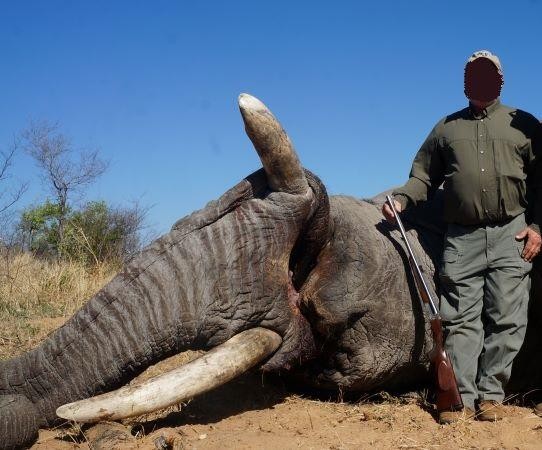
Lots of Elephants Doesn't Mean Lots of Trophy Bulls
A high elephant population looks impressive when you're comparing hunting areas, but the total number of elephants only tells you so much.
A large proportion of the elephants you see may be cows, calves and younger animals. Even where bulls are plentiful, that doesn't mean the area is regularly holding the mature bulls you're looking for. The question is not simply how many elephants are there, but what class of bulls are using the area.
Mature bulls move considerable distances, and their presence in a hunting area can change with water, food and the time of year.
An area bordering a national park or another wildlife area may have bulls moving in and out rather than remaining there throughout the season. That can make recent information from the PH more useful than a general elephant population figure.
Ask specific questions. How often are mature bulls being seen? Are they resident animals or bulls moving through the area? What was taken last season? What good bulls were passed? And, importantly, were those bulls there at the same time of year that you are planning to hunt?
Trophy expectations need the same common sense. An area that regularly produces mature 40-pound bulls shouldn't suddenly be treated as a 60-pound area because one exceptional elephant was taken there three years ago. Likewise, a lower-density area shouldn't automatically be dismissed if it has a consistent history of producing the type of bull you want.
When choosing between two Botswana safaris, recent evidence from the actual hunting area is more useful than being told how many elephants live in Botswana.
Water, Rain and Season Can Change the Same Hunting Area
A good elephant area in Botswana doesn't hunt the same way throughout the season.
Water is a big reason why.
Some northern hunting areas are influenced by major permanent water sources. Around Chobe, for example, the Chobe River provides dependable water through the dry season. Elephants using these landscapes aren't dealing with the same water constraints as animals occupying drier country where seasonal pans and temporary water sources play a much bigger role.
After the rains, elephants can spread into areas where seasonal water is available. As those pans and other temporary sources begin to dry, their movements can change and animals may become increasingly dependent on permanent water.
The timing of your hunt can matter almost as much as the area you choose.
Don't assume that every Botswana elephant area responds to the dry season in the same way. An area influenced by permanent river systems such as Chobe can continue holding and attracting large numbers of elephants, while conditions in a drier area may cause bulls to move as water and feeding conditions change. A concession that was holding good bulls earlier in the season may therefore look different several months later. The opposite can happen as well. Bulls that weren't regularly using an area may begin moving through it as conditions change.
Recent rainfall matters too. A wet year can leave seasonal water available for longer and allow elephants to remain more widely dispersed. A dry year can change that picture sooner. Last season's results are useful, but they don't guarantee that bulls will be using the same country on the same dates this year.
Ask the PH specific questions before booking. Where are mature bulls normally found during the month you're considering? Where is the dependable water? What seasonal water is likely to remain? How does bull movement normally change as the country dries out? And what are scouts seeing in the area now?
You're not trying to predict exactly where an elephant will be six months from now. Nobody can do that.
You're trying to establish whether the area, timing and type of hunt you want make sense together.
Habitat Changes the Way an Elephant Hunt Is Conducted
Two hunting areas can hold similar numbers of elephants and still produce different days in the field.
Thick brush can make it difficult to see an entire bull, even when you know he is close. You may spend considerable time working for a better angle before the PH can judge the elephant. Wind becomes important, visibility can disappear quickly, and getting close doesn't necessarily mean getting a good look.
More open country presents a different challenge. Elephants may be easier to locate and look over from a distance, but approaching them without being seen is more difficult. There may be fewer opportunities to use vegetation to close the distance, particularly when several elephants are together.
The type of country can also influence the rifle a hunter prefers to carry. Open terrain may present the possibility of a longer shot, making a well-scoped bolt-action rifle a practical choice for a hunter who shoots it confidently.
Dense bush is a different proposition. Shots can be much closer, and hunters comfortable with traditional double rifles may prefer an open-sighted .470 or .500 Nitro Express that comes quickly to the shoulder. Carrying a traditional double is also part of the appeal of an African elephant hunt, particularly for a hunter who has always wanted to use one on dangerous game.
One rifle isn't necessarily better than another. You need to shoot your chosen rifle accurately, and it should suit the conditions you are likely to encounter. If carrying a double is important to you, the type of country you will be hunting is worth discussing with the PH before you book. Whatever your personal rifle preference, elephant shot placement is critical.
The ground underfoot matters too. Some areas lend themselves to long tracking days through sand and flat country. Others can involve thicker vegetation, harder ground or conditions where tracks are more difficult to follow. The physical demands of two Botswana elephant hunts can be quite different, even when both are sold as ten-day safaris.
Habitat also affects how easily bulls can be judged. Seeing ivory from one angle is not the same as having enough time and visibility to assess the elephant properly. In thick country, numerous encounters may be needed before the PH gets the look he wants.
None of this makes one type of country better than another. It comes back to the hunt you want.
Before booking, ask what a normal hunting day looks like in that area. How much time is spent driving looking for fresh sign or elephants? How much is spent tracking on foot? What is the vegetation like during your hunting dates? Once you find bulls, how difficult is it normally to get a proper look at them?
Those answers tell you considerably more about the experience you're buying than a photograph of the camp or the size of the concession.
Why Two Botswana Elephant Hunts Can Cost Different Amounts
Two elephant hunts can have the same number of hunting days and still be priced differently. That doesn't automatically mean the more expensive hunt is better value, or that the cheaper hunt is a bargain.
Looking at African hunting safari prices can give you a useful starting point, but elephant hunts still need to be compared area by area.
The hunting area itself is part of what you're paying for. Access to productive elephant country, the quota available in that area, camp and operating costs, remoteness and the logistics required to run the safari can all affect the final price.
Quota deserves particular attention. Knowing that an outfitter has an elephant available isn't quite enough. Ask which hunting area the quota belongs to, how many elephant hunts are planned there during the season and where your safari falls in that sequence.
Hunting pressure can matter just as much. If several elephant hunts have already taken place in an area before you arrive, the situation on the ground may be different from what the first hunter of the season experienced. Mature bulls may have moved, become more difficult to locate or simply no longer be using the same country.
That doesn't mean you should automatically avoid being the fourth or fifth elephant hunter into an area. What matters is understanding the quota, the size and nature of the hunting area, elephant movement and what has happened there before your arrival.
Trophy expectations can influence price as well. An area with a recent and consistent record of producing exceptional mature bulls may command a premium. If your goal is simply a good representative bull, paying that premium may not make sense. If you're specifically looking for heavier ivory and are prepared to pass suitable elephants, it might.
Remoteness costs money. Charter flights, vehicles, fuel, camp logistics and moving staff and supplies into isolated hunting areas all must be paid for. A higher safari price therefore doesn't necessarily mean you're simply paying more for the elephant.
Comparing elephant hunts on trophy fee alone can be misleading.
Ask what the additional money is buying you. Is it better access to mature bulls? Lower hunting pressure? Better trophy potential? A more remote hunting area? Additional hunting days? More difficult logistics? Or are you simply looking at two operators with different pricing structures?
Once those questions are answered, you can start comparing value rather than price.
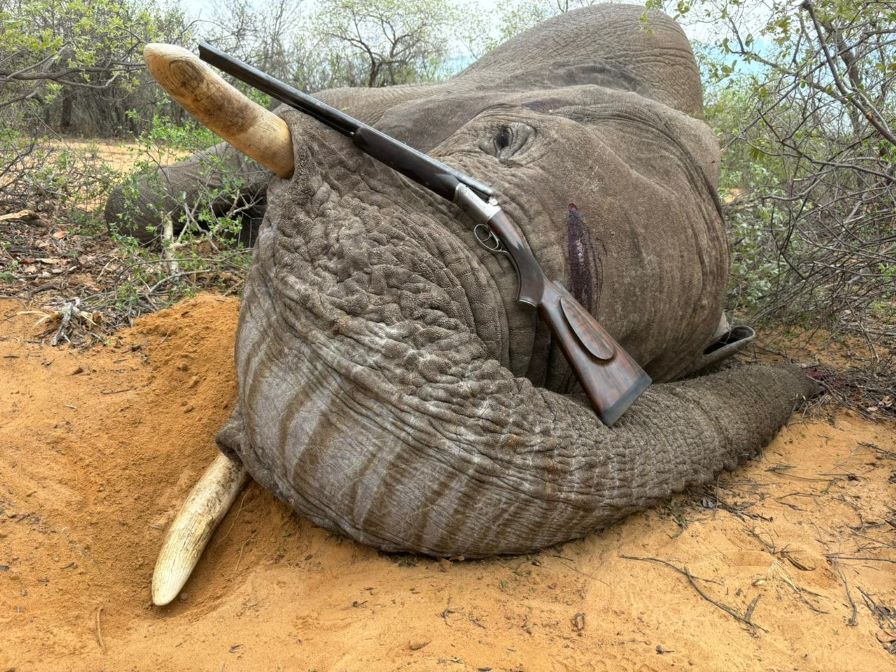
The Right Botswana Elephant Hunt Is the One That Fits You
There isn't one hunting area in Botswana that will be right for every elephant hunter.
One hunter may be prepared to pay more for an area with a strong recent history of exceptional bulls. Another may prefer a good representative elephant and put more value on the experience, the country and the way the hunt is conducted. A hunter carrying a scoped bolt-action rifle may have different preferences from someone who has spent years waiting to carry his .500 double in Africa.
The same applies to time and budget. Ten available hunting days, three weeks away from home or a fixed trophy expectation can all change which safari makes the most sense. If you're also considering big game hunting in Botswana, the other species you want to hunt may influence the area you choose.
Don't choose the hunt because somebody tells you it is Botswana's best elephant area.
Ask why it is the right area for you. Look at the bulls being taken now, not just the best elephant from five seasons ago. Ask what the PH and scouts are seeing. Understand the quota and hunting pressure. Find out how the area changes during the month you intend to hunt. And make sure you understand exactly what the safari price includes.
By that point, you're no longer comparing two elephant hunts on a quotation.
You're comparing the actual hunting opportunities behind them.
If you're planning an elephant safari and want help comparing areas, trophy expectations and available hunts, speak to us about the African hunting trips we currently have available before choosing an area simply on price or reputation.
Frequently Asked Questions About Choosing an Elephant Hunting Area in Botswana
How Do I Know if an Elephant Hunting Area in Botswana Is Producing Good Bulls?
Don't rely on one exceptional elephant or photographs from several seasons ago. Ask to see recent bulls taken from the actual hunting area, what mature bulls have been passed and what the PH and scouts are currently seeing.
Also ask when those bulls were seen. A good bull photographed in June doesn't necessarily tell you what will be using the area when your safari takes place in September.
Should I Choose an Elephant Hunt in Botswana Based on Trophy Size?
Not necessarily. If heavier ivory is your priority, recent trophy history should form part of your decision. But plenty of hunters would rather take a mature, representative bull in an area offering the type of elephant hunt they want.
Be clear about that before booking. Paying a premium for exceptional trophy potential makes little sense if you would be delighted with a good, mature bull representative of the area.
Can I Combine Elephant Hunting With Other Dangerous Game in Botswana?
Potentially, but the species you want to combine can influence which hunting area makes the most sense. Don't choose the elephant area first and assume everything else can simply be added afterwards.
If you're considering elephant as part of a Big Five hunting safari, discuss the complete species list, available quota and hunting area with the outfitter before deciding where to hunt.
What Should I Ask a PH Before Booking an Elephant Hunt in Botswana?
Ask about the actual hunting area rather than simply asking how many elephants are there.
Find out what mature bulls have been taken recently, what good bulls have been passed, where those bulls came from, how elephant movement changes during your hunting dates, how much quota is available and how many elephant hunts will take place before yours.
Then ask the simplest question of all:
“If you were booking this hunt yourself, what would you want to know about this area?”
A good answer can tell you considerably more than another trophy photograph.
About the Authors
Pierre and Tamlyn van Wyk are the founders of Game Hunting Safaris, helping international hunters plan and compare African hunting safaris. Their work focuses on hunting destinations, species, safari planning and connecting hunters with suitable hunting opportunities across Africa.