
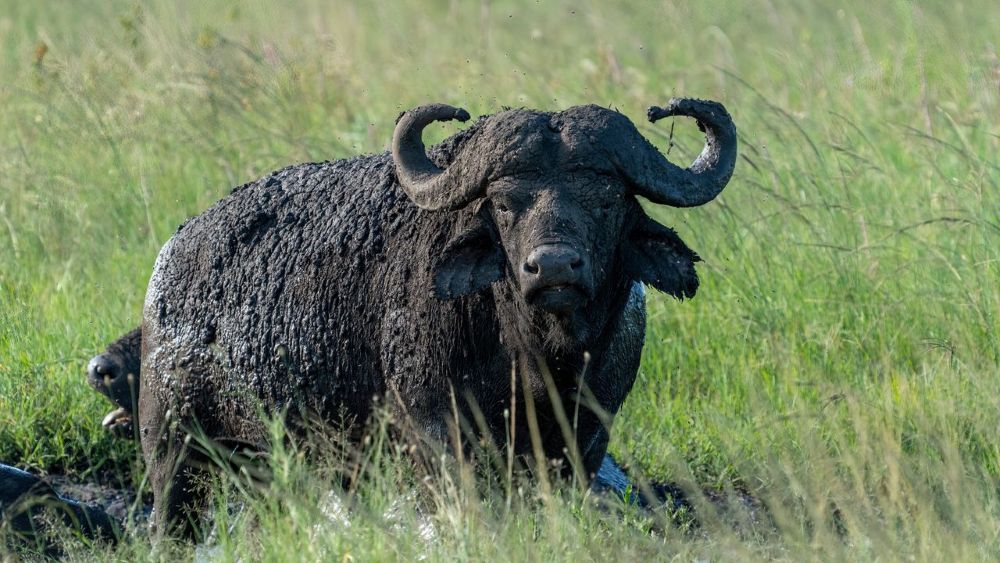
Before booking a safari Buffalo Hunting in Zimbabwe there is one question that deserves far more attention than the calibre of your rifle or the size of the hunting concession. Do you want to spend days following the spoor of one old Dagga Boy, or would you rather experience the challenge of selecting a mature bull from within a moving buffalo herd?
Both are classic Zimbabwe buffalo hunts. Both require patience, sound judgement and respect for one of Africa's most formidable animals. Yet the similarities largely end there. The way Professional Hunters track, approach and ultimately hunt a solitary Dagga Boy differs significantly from the decisions required when a herd of buffalo is constantly moving, feeding and protecting its younger animals.
Neither style of hunt is inherently better. Some hunters are drawn to the quiet intensity of following a single old bull through Zimbabwe's mopane woodlands, reading every track and waiting for one hard-earned opportunity. Others thrive on the complexity of hunting within a herd, where identifying the right bull, maintaining a safe shooting lane and resisting rushed decisions become part of the challenge.
Understanding these differences helps hunters choose the safari that best matches their expectations. Whether your goal is an old warrior that has spent years surviving on his own or a mature herd bull standing among dozens of other buffalo, Zimbabwe offers some of Africa's finest opportunities to experience both traditional styles of Cape Buffalo Hunts.
[DYNAMIC-BLOGTABLEOFCONTENT]
One Buffalo or Fifty? The Hunt Changes Completely
Although both hunts involve the same species, pursuing a solitary Dagga Boy and hunting a mature bull within a buffalo herd are remarkably different experiences. The difference is not simply the number of animals involved. It influences every stage of the hunt, from following the first spoor to deciding whether the moment is right to take the shot.
Following a Dagga Boy often becomes a highly personal pursuit. The tracking team focuses on the spoor of one old bull, reading subtle signs to determine where he has fed, rested or changed direction. As the hours pass, the hunt becomes less about finding buffalo and more about understanding the behaviour of a single experienced animal that has survived years of droughts, predators and previous encounters with hunters.

A buffalo herd presents an entirely different set of challenges. Before the hunter has even been seen, dozens of eyes, ears and noses are constantly scanning the surrounding bush. While one buffalo may be feeding, another may already be watching. A single animal detecting movement, scent or an unfamiliar sound can alert the entire herd, turning a careful stalk into hundreds of pounds of muscle moving away through the mopane in seconds.
The complexity continues once the right bull has been identified. Mature bulls are rarely standing alone. Cows, younger bulls and calves constantly change position as the herd feeds and shifts direction, sometimes walking directly behind the chosen animal. Good shot placement therefore becomes about far more than aiming correctly. Hunters and Professional Hunters must be certain that the bullet cannot pass through the intended bull or strike another buffalo that is not part of the hunt. Waiting for a safe, unobstructed opportunity is often one of the most important decisions made during the entire safari.
This is where the two hunts truly separate. A Dagga Boy tests patience and persistence. A herd hunt tests observation, judgement and the discipline to wait while everything around you continues to change. Both require respect, but they challenge the hunter in very different ways.
The Herd Sees More Than You Think
A buffalo herd relies on far more than the instincts of a single animal. While some buffalo feed with their heads down, others are constantly watching, listening and scenting the surrounding bush. One cow may suddenly lift her head after catching movement. A young bull may stare in the direction of the hunters. Another animal may simply stop feeding because something no longer feels right. Long before the entire herd reacts, one buffalo has often already recognised that something has changed.
This collective awareness makes approaching a herd very different from following a solitary Dagga Boy. Rather than watching a single animal, the hunting team must continually assess the behaviour of dozens of buffalo at the same time. One alert animal can influence the actions of every other buffalo within seconds, turning a careful stalk into a rapidly changing situation.
Even after the correct bull has been identified, the work is far from over. Buffalo seldom stand still for long. Mature bulls drift through the herd, cows cross in front of them, younger animals move into the shooting lane and the entire herd may slowly change direction while feeding. The perfect opportunity can disappear almost as quickly as it appeared.

This is where discipline becomes just as important as marksmanship. The temptation to rush a shot is rarely rewarded. Professional Hunters are constantly watching not only the chosen bull, but every buffalo around him, ensuring there is a clear and ethical opportunity before giving the hunter the go-ahead. Waiting another thirty seconds is often the difference between a well-executed shot and a situation that becomes unnecessarily dangerous or complicated.
Choosing the Right Bull Is Part of the Hunt
One of the biggest misconceptions about hunting buffalo herds is that the challenge ends once the herd has been found. Locating the buffalo is often only the beginning. The next task is identifying the mature bull that best fits the management objectives of the safari while ensuring every decision is made safely and ethically.
This is where the experience of your PH becomes invaluable. Age, boss development, horn condition and body characteristics all need to be assessed, often while buffalo are constantly changing position. A mature bull that appears perfect one moment may disappear behind cows, younger bulls or thick vegetation the next, only to reappear from a completely different angle a few seconds later.
Good buffalo hunting is rarely rushed. Professional Hunters constantly balance trophy quality with safety, waiting for the right bull to present the right opportunity rather than encouraging a hurried shot. Sometimes that means allowing an excellent bull to walk away because another buffalo has moved into the line of fire or the angle no longer allows for a safe and ethical shot.
This patience is one of the reasons Zimbabwe has earned such a respected reputation for buffalo hunting. Success is measured not simply by taking a mature bull, but by making good decisions throughout the hunt and ensuring that every shot is both deliberate and responsible.
When the Herd Changes the Plan
A buffalo herd rarely behaves exactly as expected. The chosen bull may suddenly drift behind a line of cows, younger bulls can move into the shooting lane and animals feeding quietly one moment may begin walking in a completely different direction the next. A carefully planned approach often needs to change within seconds, requiring both the hunter and the hunting team to adapt without rushing the opportunity.
Unlike following a solitary Dagga Boy, where the focus remains on one animal, a herd demands constant awareness of everything happening around the chosen bull. Every movement has the potential to change the shot. A calf stepping forward, another mature bull crossing behind the target or a cow suddenly becoming alert may all be enough to delay the opportunity.
Professional Hunters place great emphasis on patience because buffalo rarely follow a predictable script. Trying to force the shot usually creates unnecessary risk, while waiting often allows the herd to settle naturally and present another opportunity a few minutes later.
Shot placement becomes equally important. The objective is no longer simply placing the bullet accurately into the chosen bull, but ensuring there is a completely safe line of fire with no possibility of striking another animal as the herd continues to move. Understanding proper Cape Buffalo Shot Placement is only part of the equation. Equally important is recognising when the safest decision is to lower the rifle and wait for a better opportunity.
The Trophy Tells a Different Story
Although both hunts can produce outstanding Cape buffalo trophies, the bulls themselves often reflect very different lives. Understanding those differences helps explain why some hunters dream of pursuing an old Dagga Boy, while others are drawn to the challenge of selecting a mature herd bull.
A Dagga Boy has usually spent years surviving on his own after leaving the protection of the herd. Those years often leave visible signs. Heavy bosses may be worn smooth, horn tips can become chipped or broken through years of fighting and moving through thick bush, and scars across the face and shoulders tell the story of countless encounters with rival bulls. Every mark reflects another season survived.
A mature herd bull may present a different picture. Still living among other buffalo, these bulls frequently carry cleaner horn tips, more symmetrical bosses and less obvious wear than an old solitary bull. They may still hold a dominant position within the herd, protecting breeding opportunities and constantly defending their position against younger challengers. While they may not always display the battle-worn appearance of an old Dagga Boy, they represent buffalo in their physical prime.
The appeal of each trophy lies in something different. Some hunters admire the unmistakable character of an old warrior whose horns bear the marks of a lifetime spent surviving alone. Others appreciate the balance, condition and presence of a mature herd bull that continues to dominate one of Africa's most formidable animals. Both represent exceptional buffalo, but they tell very different stories.
In the end, the best trophy is often the one that reflects the hunt you came to Zimbabwe for.
Which Buffalo Hunt Is Right for You?
Choosing between a Dagga Boy and a herd bull is less about trophy size and more about the style of hunt that appeals to you most. Both require patience, good shooting and careful decision-making, but they reward different qualities.
A Dagga Boy safari often appeals to hunters who enjoy tracking and spending long hours following the spoor of a single animal. Every sign along the trail matters, and the satisfaction comes from eventually catching up with one old bull that has survived on his own for many years. It is a hunt built around persistence and patience.
A herd hunt places different demands on the hunter. Locating buffalo is often only the beginning. Reading the behaviour of the herd, identifying the correct mature bull and waiting for a safe opportunity all become part of the challenge. The pace can change quickly, and every decision must consider the movement of dozens of animals rather than just one.
It is also worth remembering that hunters do not always have a choice. Some safari areas are managed primarily around mature herd bulls, while others are better known for producing old solitary Dagga Boys. Quota availability, concession management and the characteristics of the local buffalo population often determine the style of hunt that is realistically available.
Neither approach is more authentic than the other. Both are part of Zimbabwe's long buffalo hunting tradition, and both require the experience of skilled Professional Hunters and trackers. The best safari is often not about choosing between a Dagga Boy and a herd bull, but embracing the opportunity that the hunting area has been carefully managed to provide.

Why Zimbabwe Offers Both
One of the reasons Zimbabwe has earned such a respected reputation for buffalo hunting is that it continues to offer opportunities to pursue both old solitary Dagga Boys and mature herd bulls across its diverse hunting areas. The style of hunt is often shaped by the characteristics of the concession, the local buffalo population and the management objectives established for that area rather than a single approach being applied everywhere.
This variety is one of the strengths of Hunting in Zimbabwe. Some safari areas are known for tracking old bulls through vast mopane woodlands and thick jesse bush, while others regularly encounter breeding herds moving between grazing areas and permanent water. Both represent authentic Zimbabwe buffalo hunting, but each rewards a different style of hunter.
That diversity also explains why Zimbabwe has remained such an important destination for Big Game Hunting in Zimbabwe. Success is not measured only by trophy quality, but by the opportunity to hunt free-ranging buffalo in landscapes where tracking, patience and sound judgement remain at the centre of every safari.
Whether the hunt ends with a weathered old Dagga Boy carrying the scars of a lifetime or a magnificent, mature herd bull still holding his place within the herd, the trophy is only one part of the story. The lasting memories come from the country, the people and the decisions made along the way.
Frequently Asked Questions
How much does a buffalo hunt in Zimbabwe cost?
The cost of a buffalo hunt in Zimbabwe depends on several factors, including the hunting area, safari duration, the type of concession and what is included in the package. Whether you pursue a solitary Dagga Boy or a mature herd bull does not usually determine the overall price on its own, as safari costs are influenced by far more than the style of hunt. Our African Hunting Safari Prices guide explains the main costs involved and what hunters should expect when planning a Zimbabwe buffalo safari.
Should I choose a Dagga Boy or a herd bull for my first buffalo hunt?
There is no single right answer. A Dagga Boy hunt usually centres around tracking one old bull over long distances, while a herd hunt focuses more on reading the behaviour of multiple buffalo and selecting the correct mature bull. The best choice depends on the type of hunting challenge that appeals to you.
Are Dagga Boys more dangerous than herd bulls?
Both deserve the same level of respect. A wounded solitary Dagga Boy may rely entirely on his own instincts, while a herd presents different risks because multiple buffalo are constantly moving around the hunter and Professional Hunter. Every buffalo hunt should be approached with patience, good judgement and careful planning.
Why do old buffalo leave the herd?
As bulls mature, many eventually leave the breeding herds and spend increasing amounts of time alone or in small bachelor groups. These solitary bulls, commonly known as Dagga Boys, often develop the worn bosses, chipped horn tips and scars that make them so distinctive.
Can a herd bull produce a better trophy than a Dagga Boy?
Both can produce exceptional trophies. An old Dagga Boy often displays the character that comes with age, while a mature herd bull may carry cleaner horn tips and remain in outstanding physical condition. Trophy quality should always be judged as part of the individual hunt rather than by whether the bull came from a herd or lived alone.
Why do Professional Hunters sometimes refuse a shot?
A buffalo hunt can change in an instant. Cows, calves and younger bulls frequently move around the chosen animal, making a previously safe shot unsuitable. Waiting for a clear opportunity is an important part of ethical buffalo hunting and often prevents unnecessary risk to both hunters and wildlife.
Can you hunt both Dagga Boys and herd bulls during the same safari?
Sometimes, but it depends on the concession, available quota and the management objectives of the hunting area. Discussing these options before booking helps ensure your expectations match the opportunities available during the safari.
Why is Zimbabwe famous for buffalo hunting?
Zimbabwe combines extensive wild hunting areas, experienced Professional Hunters and healthy buffalo populations with a long tradition of tracking free-ranging game. The opportunity to pursue both old Dagga Boys and mature herd bulls is one of the reasons the country remains one of Africa's classic buffalo destinations.
How far in advance should I book a Zimbabwe buffalo safari?
The best buffalo safaris are often planned well in advance. Popular concessions, experienced Professional Hunters and available buffalo quota may all be limited, particularly in sought-after hunting areas. Planning early also makes it easier to combine buffalo with other species or customise your African Hunting Trips around the style of safari you want.