
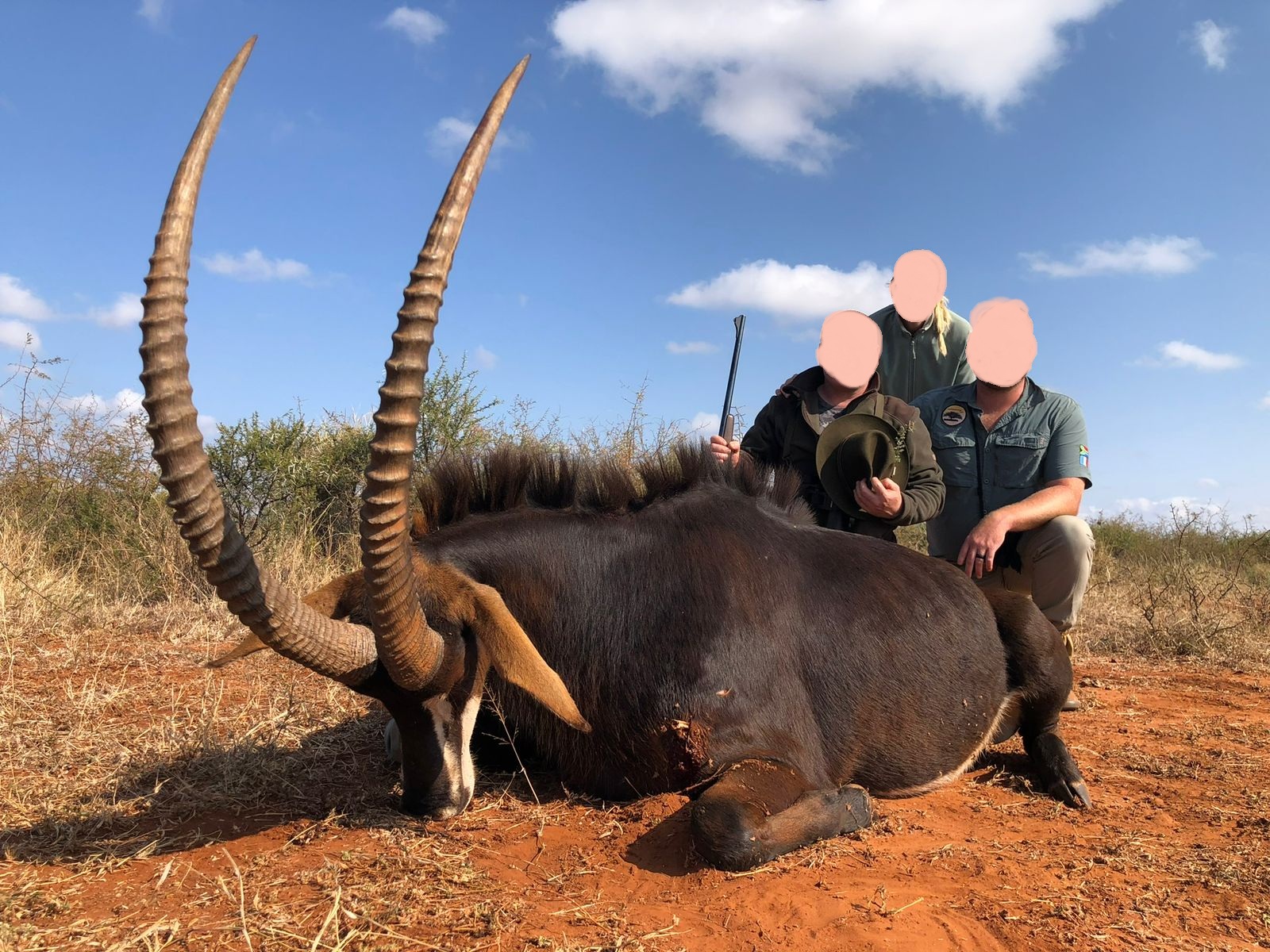
Planning an African hunting safari often starts with a list. Cape buffalo, kudu, sable, leopard, gemsbok, bushbuck, the list can grow quickly once a hunter begins looking at what is available across Africa.
A better place to start is with one question: If you could only take one animal on the entire safari, which one would it be?
If the answer comes immediately, that animal should influence most of the decisions that follow. The country, hunting area, number of days, available quota and even the time of year may all need to be chosen around the species that matters most. A hunter who has dreamed about an old Cape buffalo bull for twenty years should not compromise the buffalo hunting simply because another area offers a longer trophy list.
That does not mean every African Hunting Trip needs one defining animal. Some safaris are better planned around several species, especially when the hunter wants a good mixture of plains game rather than one specific trophy. Others can be even less structured: choose a productive hunting area, understand the daily rates and trophy fees, arrive with a few animals in mind and hunt what the bush gives you.
Each approach can produce an excellent safari. The important part is deciding what would make the trip successful for you before choosing where to hunt.
[DYNAMIC-BLOGTABLEOFCONTENT]
When One Animal Is the Reason for the Safari
Some African safaris begin with a country. Others begin with one animal.
If Cape buffalo, elephant, leopard, lion or bongo is the reason for travelling to Africa, the safari should usually be planned around that species. The best country on paper is not enough. The hunter needs the right hunting area, suitable habitat, available quota, enough hunting days and a Professional Hunter who regularly hunts that animal.
This becomes particularly important with limited-quota and specialized species. A leopard tag may be available in one concession and already committed in another. Elephant movement can change during the season. Bongo requires completely different country from a traditional southern African plains game safari. Even Cape buffalo hunting can vary considerably between areas within the same country.
Choosing the primary animal first can therefore narrow down almost every other decision. The hunting area, safari length, dates and secondary species can all be selected around the hunt that matters most.
There is also little value in compromising the main objective simply to create a longer trophy list. If an old buffalo bull is the reason you have wanted to hunt Africa for twenty years, an excellent buffalo area with six worthwhile secondary species may be a far better choice than an average buffalo area offering twenty.
The same principle becomes even more important on specialized hunts where opportunities may be limited. You may spend days looking for the right tracks, checking baits or waiting for a particular animal to move into huntable country. When one animal matters above everything else, give yourself the best possible chance of hunting that animal properly.
That doesn't mean it has to be the only animal you hunt. It simply means everything else comes second.
One Primary Animal Doesn't Mean You Can Only Hunt One Animal
Building a safari around one primary animal does not mean ignoring everything else in the hunting area. It establishes which animal gets priority when decisions need to be made.
A hunter travelling primarily for Cape buffalo might also have kudu, bushbuck, sable or warthog on his wish list. If those animals are available in the same area, they can add considerably to the safari without taking anything away from the main objective. Depending on how the hunt is priced, additional species may simply be hunted when an opportunity presents itself and charged at the applicable trophy fee.
The important part is knowing which animals are available before the safari begins. Some species may require quota or permits, while others might occur only in another hunting area. Changing camps, driving several hours or taking a charter flight for a secondary animal can quickly use hunting days that were supposed to be spent looking for the primary species.

There is also value in having a good backup plan. A hunter can spend ten days looking for a particular buffalo bull, leopard or other difficult animal and still come home without it. If there are secondary species you would be happy to hunt, discuss them with the outfitter beforehand. They can provide another option if conditions turn against the primary hunt or an opportunity simply never develops.
That decision does not have to be made on day one. If tracks are being found and the hunt is getting closer, it may make sense to stay focused on the main animal. If a few days have passed with little sign and good secondary opportunities are available, priorities can be reconsidered.
The primary animal remains the reason for choosing the safari. The other animals give the hunt room to change when Africa refuses to follow the original plan.
When Several Animals Matter Equally
Not every hunter arrives in Africa with one animal that matters more than everything else. Sometimes the safari is being planned around a group of species, and getting the combination right becomes more important than finding the absolute best area for any one of them.
This is common on Plains Game Hunts. A hunter may want kudu, gemsbok, zebra, wildebeest and warthog, with no single animal deciding whether the trip was successful. Other safaris can be built around a more specific objective, such as hunting several of Africa's spiral-horned antelope or pursuing the different springbok or wildebeest color variants during the same trip.
In those situations, choosing a hunting area with good populations of the animals on the list makes more sense than travelling to different parts of the country chasing the best possible example of each one. If the species cannot all be hunted in the same area, the route between hunting areas should become part of the safari planning from the beginning.
The same approach can work with Big Game Hunting, but the planning becomes more complicated. A hunter wanting buffalo, leopard and hippo on the same safari needs an area where all three are genuinely available, enough hunting days to pursue them properly and the necessary quota already secured. Seeing three animals on an outfitter's species list does not necessarily mean all three will be available during your safari.
Geography matters as well. Two species may be available in the same country but hundreds of miles apart. Moving between hunting areas can involve long drives, charter flights and changing camps. That may be worthwhile when both animals are important, but the travel time needs to be included when deciding on the exact number of hunting days.
There is also a point where adding another animal starts working against the hunt. Trying to fit eight or ten species into too few days can turn a safari into a race from one opportunity to the next. A missed day, bad weather or an animal that takes longer than expected can then put the entire list under pressure.
When several animals matter, the goal is not to build the longest trophy list possible. It is to choose a combination that can realistically be hunted well in the time and country available.
Sometimes the Best Plan Is to Hunt What the Bush Gives You
Not every safari needs a fixed trophy list. A hunter may simply choose a good hunting area, book the number of days he wants and arrive with several animals he would be happy to hunt.
This approach can work well where there is a variety of game and the hunter is not dependent on quota or a specific permit. Before the safari, look through the available species and trophy fees, decide what interests you and understand what can be hunted in the area.
Then go hunting.
A kudu that was halfway down the wish list may suddenly become the priority when an exceptional bull appears. Fresh eland tracks can change the plan for the morning. A mature animal you had barely considered before the safari may provide an opportunity too good to ignore.
There is something to be said for allowing a safari to develop this way. You are still selective about the animals you hunt, but you are not spending every day trying to complete a predetermined list.
Choose good hunting country, know what is available and leave enough room for the bush to decide what happens next.
When There May Be No Good Backup Plan
Building a safari around one animal carries more risk when the best hunting area for that species offers few alternatives. Some specialized hunts take place in country chosen because it produces the primary animal, not because it offers a long list of secondary species. Bongo Hunts are a good example because the habitat and hunting area are selected first and foremost around the opportunity to hunt bongo.

A hunter may travel to a particular area for elephant, leopard or another specialized species knowing that other game is limited or simply not the reason for being there. If the primary hunt does not come together, moving somewhere else to hunt different animals may require additional days, another camp or completely different arrangements.
That does not make it the wrong safari. A hunter who has already taken most of the animals he wants may be perfectly happy spending ten or fourteen days concentrating on one species, even knowing there is a chance he could return home without it.
The important part is understanding that risk before booking. Ask what worthwhile secondary species are available in the hunting area and what options exist if the primary hunt is unsuccessful.
Sometimes there is a good Plan B. Sometimes the safari is about one animal, and the hunter must be comfortable with that.
Your Rifle Should Match the Safari You Are Planning
The way a safari is planned can also influence what rifle makes the most sense. A hunter concentrating on one species can choose a rifle and caliber specifically suited to that animal, while a flexible multi-species safari may call for something capable of handling a much wider range of game.
If the plan is to hunt plains game as opportunities arise, a familiar all-purpose rifle can be more useful than travelling with several rifles. The important thing is knowing the likely size of the animals, the terrain and the shooting distances before deciding what to bring.
Dangerous Game Hunts change the requirements. A rifle suitable for kudu, gemsbok and wildebeest may not be legal or appropriate if Cape buffalo or another dangerous game species could form part of the safari. Any possibility of adding dangerous game should therefore be discussed with the outfitter before leaving home.
Rifle rental can also keep things simple, particularly when travelling between countries or hunting areas. Ask what rifles and calibers are available, whether suitable ammunition is kept in camp and what the rental charges include. Do not assume that “rifle rental available” means the rifle you need will be waiting when you arrive.
Whether the safari revolves around one animal or whatever good opportunities the bush produces, the rifle should give you enough flexibility to hunt the animals you realistically expect to encounter.
Frequently Asked Questions
Should I choose the animal or the country first?
If one animal is the main reason for your safari, start with the animal. Find the countries and hunting areas offering the best realistic opportunity for that species, then compare them. If you are more interested in a varied safari, choosing the hunting area first can make more sense.
How many animals should I plan to hunt on one safari?
There is no ideal number. It depends on the species, number of hunting days and how difficult the individual hunts are likely to be. Five plains game animals may be perfectly realistic in the time available, while one leopard or elephant could require most of the safari. Avoid building a list so ambitious that every hunting day becomes a race to take the next animal.
What happens if I don't get the main animal?
That should be discussed before the safari. Some hunting areas offer excellent secondary species that can become the focus later in the hunt. On specialized safaris there may be few worthwhile alternatives, and the hunter needs to be comfortable with that possibility before booking.
Can I add animals after the safari has started?
Often, yes, provided the species is available and any required quota or permits are in place. Depending on how the safari is priced, the additional animal may simply be charged at the applicable trophy fee. Never assume an animal can be added simply because it appears on a species list.
Is it better to book a package or pay daily rates and trophy fees?
Both can work. A package provides certainty when the hunter already knows what he wants to pursue. Daily rates with individual trophy fees can provide more flexibility for a hunter who wants to see what opportunities develop. Compare what is included before deciding purely on the advertised price.
Should I take my own rifle or rent one in Africa?
Either option can work. Bringing your own rifle means hunting with something familiar, while renting can simplify international travel and firearm paperwork. If renting, confirm the rifle, caliber and ammunition available before the safari rather than assuming a suitable rifle will be in camp.
Is it okay to go to Africa without a fixed trophy list?
Absolutely. Some hunters prefer having several animals in mind and then allowing the hunting area to determine what they pursue. If a mature animal provides an exceptional opportunity, there is nothing wrong with changing the plan. Sometimes the animal you remember most was never near the top of the original list.