
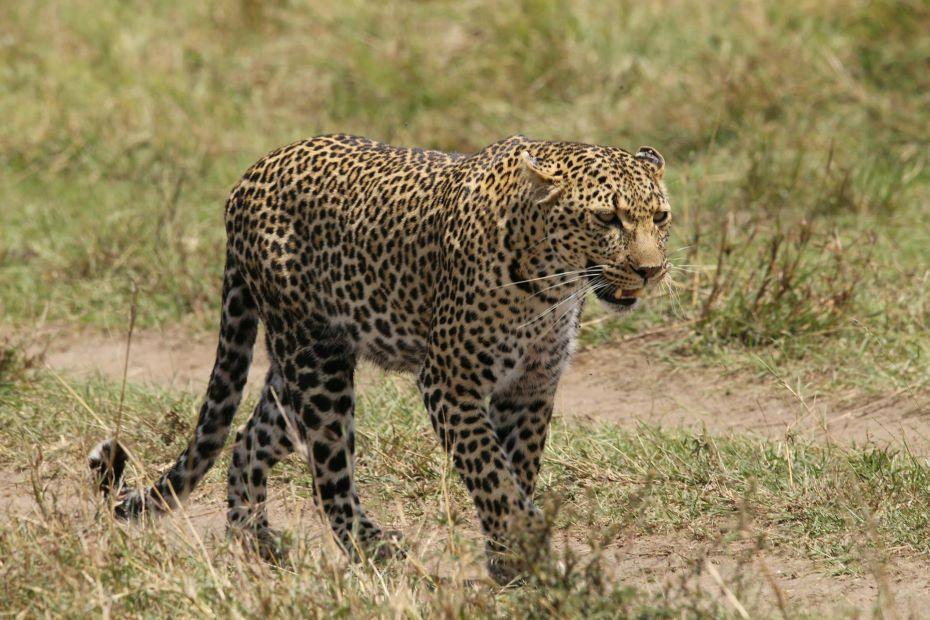
Tanzania remains one of Africa's most sought-after hunting destinations and one of the last places where a traditional East African safari still operates on a truly wild scale. Vast wilderness concessions, low hunting pressure, remote tented camps, and dangerous game moving freely across unfenced landscapes continue to attract hunters from around the world.
It is also one of Africa's most expensive hunting destinations. Hunters comparing Tanzania to countries such as South Africa, Namibia, or Zimbabwe are often surprised by the significant difference in safari costs.
The reason is not a single trophy fee or government charge. Tanzania operates under a unique system built around enormous wilderness concessions, strict government quotas, anti-poaching responsibilities, remote camp logistics, and some of the largest free-range hunting areas remaining in Africa.
For hunters seeking a complete overview of Tanzania hunting safaris, including hunting areas, safari options, species, regulations, and travel planning, we recommend reading our comprehensive Tanzania destination guide.
In this article, we focus specifically on why traditional hunting safaris in Tanzania cost more than most other African hunting destinations and what hunters are actually paying for behind the scenes.

[DYNAMIC-BLOGTABLEOFCONTENT]
Why Tanzania Still Feels Like Old East Africa
One of the biggest reasons hunting safaris in Tanzania cost significantly more than many other African destinations is the scale and style of the safari itself. Unlike shorter high-volume hunting operations commonly found elsewhere in Africa, Tanzania still operates largely around vast government-controlled concessions where wildlife moves naturally across enormous unfenced wilderness areas.
For international hunters, the difference becomes obvious almost immediately after arriving in camp. Days are longer, hunting areas are larger, and the pace of the safari revolves less around quickly locating animals and more around traditional tracking methods, patience, and covering substantial distances through genuinely wild country.
A single hunting block may cover hundreds of square miles containing river systems, miombo woodland, floodplains, thorn country, and remote areas with very little permanent human presence. Maintaining safari operations across areas of this size requires enormous logistical support long before a hunter even arrives in camp.
Roads often need constant grading during the hunting season, river crossings require maintenance, fuel and food supplies must be transported over long distances, and camps rely heavily on generators, refrigeration systems, satellite communications, radio networks, and support vehicles operating deep inside remote hunting areas.
Unlike photographic safari lodges with year-round tourism traffic, hunting camps in Tanzania often operate during a relatively short seasonal window. This means outfitters have limited time each year to recover the substantial costs involved in maintaining concessions, staff, equipment, anti-poaching operations, and remote safari infrastructure.
For hunters searching for a traditional East African safari experience, however, this remoteness is precisely what makes Tanzania so desirable. The feeling of hunting truly wild country, far from fences, crowds, and heavily developed safari areas, remains one of the defining reasons many hunters continue choosing Tanzania despite the higher overall costs.
Low Quotas, Dangerous Game Permits and Limited Availability
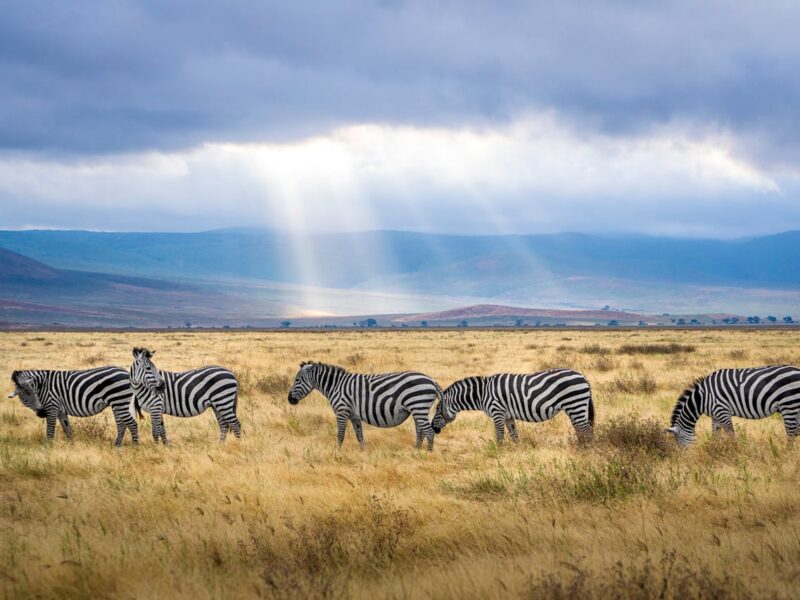
Another major reason hunting in Tanzania remains expensive is the country’s strict quota system and the limited number of dangerous game animals available each season. Unlike high-volume hunting destinations where operators may harvest large numbers of animals annually, Tanzania follows a tightly controlled concession and licensing structure designed around low hunting pressure across vast wilderness areas.
Each hunting concession receives a limited annual quota allocated by wildlife authorities, determining how many buffalo, lion, leopard, elephant, crocodile, and plains game animals may legally be harvested during the season. In many cases, mature dangerous game animals are extremely limited, particularly in well-managed concessions known for producing high-quality trophies.
For outfitters, these quotas create enormous pressure to manage concessions carefully over the long term. A single old buffalo bull or mature elephant may represent years of conservation management, anti-poaching investment, habitat protection, and operational overhead before a hunter ever arrives in camp.
This is one of the reasons many buffalo hunting in Tanzania and elephant hunting in Tanzania safaris operate under strict government license structures tied directly to safari length, concession quotas, and species availability. Traditional 21-day dangerous game safaris remain especially expensive because they provide hunters the opportunity to pursue multiple dangerous game species within some of Africa’s most remote wilderness hunting areas.
The limited availability of these hunts also means many outfitters cannot rely on high client turnover to offset operational costs. In some concessions, only a small number of international hunters may visit during an entire season, despite the enormous expense required to maintain roads, camps, vehicles, staff, game scouts, and anti-poaching patrols throughout the year.
For hunters, however, low hunting pressure is also part of Tanzania’s appeal. Many safari areas still feel genuinely wild, with hunters able to spend days tracking dangerous game through remote country without encountering neighboring hunting vehicles, fences, or heavily developed tourism infrastructure.
Rare East African Plains Game Species Add to Tanzania's Appeal
While Tanzania is internationally known for its dangerous game hunting, the country also attracts many hunters searching for rare East African plains game species not commonly available elsewhere in Africa. Several remote concessions support specialty animals such as Lesser Kudu, Gerenuk, Fringe-Eared Oryx, East African Impala, and various gazelle species highly sought after by experienced plains game collectors.
For many international hunters, the opportunity to combine a traditional East African safari with selective plains game hunting adds significantly to Tanzania’s appeal. Because many of these species occur only in limited regions under carefully controlled quotas, availability often remains low while demand among serious collectors stays consistently high.

Why Tanzania’s Remote Hunting Areas Are So Expensive to Operate
One of the misconceptions surrounding hunting safaris in Tanzania is that hunters are simply paying premium prices for trophy animals. The reality is that a significant portion of these costs comes from operating safaris across some of the most remote and undeveloped wilderness areas remaining in Africa.
Hunting concessions in Tanzania cover hundreds, and sometimes thousands, of square miles consisting of miombo woodland, river systems, floodplains, mountains, and isolated bush country with very little permanent infrastructure. There are no nearby towns, fuel stations, repair facilities, or modern tourism developments supporting daily safari operations.
Simply maintaining access to these remote concessions is expensive. Roads require constant grading throughout the hunting season, bridges and river crossings may need repairs after seasonal rains, and outfitters frequently operate support vehicles, tractors, fuel trucks, generators, refrigeration systems, and radio communication networks deep inside the concession itself.
Unlike other African hunting destinations operating year-round tourism models, hunting camps in Tanzania often function during a relatively short seasonal window. This leaves outfitters with limited time each year to recover the substantial costs involved in maintaining camps, roads, vehicles, equipment, anti-poaching teams, game scouts, and full-time safari staff.
Remote camps also require a surprising amount of behind-the-scenes logistical support. Food, fuel, bottled gas, spare vehicle parts, ammunition, medical supplies, and camp equipment may all need to be transported hundreds of miles into isolated hunting blocks long before the safari season begins.
For international hunters booking traditional East African dangerous game safaris, much of what they experience in camp, professional staff, well-maintained safari vehicles, hot meals after long tracking days, laundry service, refrigeration, satellite communications, and comfortable tented accommodations in the middle of nowhere, depends on an enormous operational effort taking place behind the scenes.
International hunters are also surprised by the number of people involved in a traditional Tanzania safari. In addition to the Professional Hunter, these safaris rely on trackers, skinners, camp staff, cooks, mechanics, drivers, government game scouts, and anti-poaching personnel working together throughout the season to keep remote camps operating safely and efficiently.
This combination of large concession areas, low hunting pressure, dangerous game management, anti-poaching responsibilities, and remote safari logistics is one of the primary reasons Tanzania remains one of Africa’s most expensive, yet still most respected hunting destinations for serious dangerous game hunters.
Why Tanzania Safaris Still Feel Like Traditional East African Expeditions
Part of what continues to attract hunters to Tanzania is that safaris still retain the atmosphere of the classic East African expeditions that helped make the region famous decades ago. While modern safari camps provide comfortable accommodations and reliable service, many safaris in Tanzania still revolve around remote tented camps positioned deep inside unfenced wilderness areas far removed from cities, paved roads, and large tourism developments.
For international hunters, this traditional safari atmosphere forms a major part of the overall experience. Long hunting days are often followed by evenings around the fire discussing tracks, missed opportunities, old buffalo bulls, lion spoor, and plans for the following morning while camp staff prepare meals and maintain camp operations behind the scenes.
Unlike shorter high-turnover hunting operations, Tanzania safaris function more like fully supported wilderness expeditions requiring large teams of trackers, skinners, cooks, camp staff, mechanics, drivers, and government game scouts working together throughout the season. Maintaining this level of service in extremely remote hunting areas adds significantly to the operational costs of running a safari in Tanzania.
Remote camps themselves also require substantial infrastructure. Generators, refrigeration systems, water supplies, satellite communications, fuel storage, medical equipment, laundry facilities, and support vehicles all need to operate reliably despite being located hundreds of miles from major towns or supply centers.
Hunters are often surprised by the level of comfort still available inside these isolated camps. Traditional tented safari accommodations may include proper beds, hot water, dining tents, solar power systems, daily laundry service, and comfortable communal areas overlooking nearby river systems or dry-season water sources frequented by wildlife.
For hunters searching for an authentic East African safari experience rather than simply harvesting a trophy animal, this combination of wilderness, traditional camp life, dangerous game hunting, and remote safari atmosphere remains one of Tanzania’s biggest attractions despite the higher overall costs involved.
Why Tanzania Remains Worth the Cost
Despite the high costs associated with dangerous game hunting safaris, experienced hunters still view Tanzania as one of the most authentic hunting destinations remaining in Africa. For hunters searching for truly wild free-range safaris rather than shorter high-volume hunting operations, Tanzania continues to offer an experience that is increasingly difficult to find elsewhere.
Part of Tanzania’s appeal lies in the scale of the wilderness itself. Vast unfenced hunting concessions, low hunting pressure, traditional tracking methods, remote tented camps, and the possibility of encountering buffalo, elephant, lion, leopard, and plains game in genuinely wild country all contribute to the atmosphere that has defined East African safaris for generations.
Hunters are also drawn to the unpredictability of the experience. Hunting dangerous game in Tanzania often involves long days on foot, difficult tracking conditions, extreme heat, thick cover, and the constant possibility that a mature buffalo bull or lion may appear suddenly at close range after hours of following spoor through remote river systems and thorn country.
Unlike more commercialized hunting destinations where infrastructure and accessibility are often prioritized, many Tanzania safaris still feel raw, remote, and heavily dependent on the skill of trackers, Professional Hunters, camp staff, and the hunter’s own ability to stay patient and perform under pressure.
For hunters willing to accept the higher costs involved, Tanzania continues to deliver something many other destinations struggle to replicate — a traditional East African dangerous game safari experience that still feels genuinely wild, challenging, and deeply connected to Africa’s old safari heritage.
Planning a Tanzania Hunting Safari?
If you are researching hunting in Tanzania beyond safari costs, our complete guide covers hunting areas, safari durations, dangerous game species, licensing requirements, travel planning, and what hunters can expect from a traditional East African safari.
Common Questions About Hunting Safaris in Tanzania
Why Are Hunting Safaris in Tanzania So Expensive?
Hunting safaris in Tanzania are expensive largely because of the scale and remoteness of the safari operations involved. Outfitters must maintain enormous wilderness concessions, anti-poaching teams, remote camps, vehicles, generators, staff, road networks, and communication systems across some of Africa’s least developed hunting areas. Strict government quotas, dangerous game regulations, and short seasonal operating windows also contribute significantly to the overall cost of hunting in Tanzania.
Why Are Dangerous Game Hunting Safaris in Tanzania Usually 21 Days?
Many dangerous game hunting safaris in Tanzania operate under 21-day government license structures because tracking species such as lion, elephant, leopard, and Cape buffalo across large free-range concessions often requires significant time. Longer safaris also allow hunters the opportunity to pursue multiple dangerous game species while adapting to changing weather conditions, tracking challenges, and animal movement patterns within remote wilderness areas.
Are Hunting Safaris in Tanzania Free Range?
Yes, most dangerous game hunting safaris in Tanzania take place within vast unfenced concessions where wildlife moves naturally across enormous wilderness ecosystems. Unlike some higher-volume hunting destinations, Tanzania is internationally respected for offering traditional free-range hunting safaris involving long tracking days, low hunting pressure, and genuinely wild dangerous game hunting conditions.
Is Hunting in Tanzania Worth the Cost?
For many experienced dangerous game hunters, Tanzania remains one of the most authentic hunting destinations left in Africa. While the costs are considerably higher than many other safari destinations, hunters are often paying for access to remote wilderness areas, traditional East African safari camps, low hunting pressure, highly experienced tracking teams, and the opportunity to hunt dangerous game in truly wild free-range environments that are increasingly difficult to find elsewhere in Africa.
About the Author
Tamlyn van Wyk is the co-founder of Game Hunting Safaris and has visited Tanzania on numerous occasions while working with outfitters, Professional Hunters, and safari operators across several of the country’s leading dangerous game hunting areas. From the remote concessions of Lunda Nkwambi to parts of the Selous ecosystem and Masailand, Tanzania remains one of the destinations he is most frequently asked about by American hunters researching traditional East African safaris.
This article was written to answer one of the most common questions international hunters ask before booking a safari, why hunting in Tanzania costs significantly more than many other African hunting destinations, and what hunters are actually paying for behind the scenes.