
[DYNAMIC-BLOGTABLEOFCONTENT]
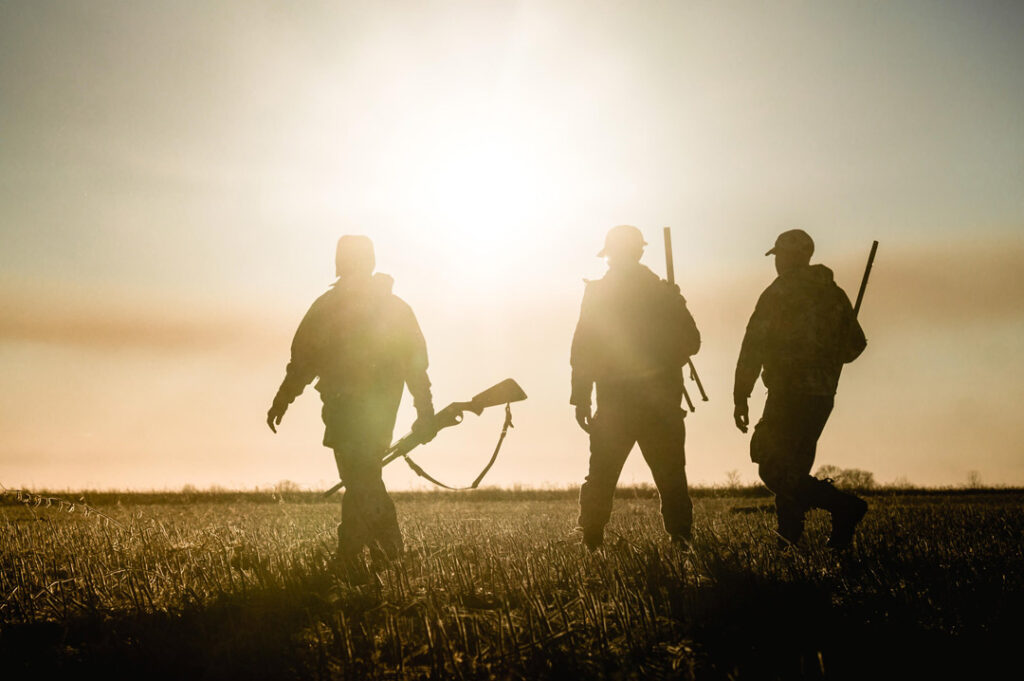
When planning to go hunting in Zimbabwe, the hunter needs to have a good understanding that it is not only about the perfect shot placement but also includes being aware and knowing the country’s relevant hunting laws and procedures. In this article, we will touch briefly on dangerous game hunting, available species to hunt as well as tourist destinations. Knowing the “admin requirements” will allow the hunter to have no hidden surprises during or after their hunting safari in Zimbabwe.
Hunting Permits and Safari Documentation in Zimbabwe
Hunters visiting Zimbabwe must ensure that their safari is arranged through an appropriately licensed operator and professional hunter, with the necessary authorisations in place for the hunting area and species being pursued.
Zimbabwe's hunting documentation also includes administrative and financial reporting requirements handled by safari operators. These should not be confused with the permits authorising the hunt itself.
Before travelling, ask your outfitter to confirm the applicable hunting permits, species quotas and any additional documentation required for trophy export. The exact requirements depend on the hunting area, animals involved and current Zimbabwe Parks and Wildlife Management Authority procedures.
Zimbabwe Outfitters
Zimbabwean hunting outfitters, or “operators” as they are referred to locally, must be registered and licensed by the Zimbabwe Tourism Authority. It is always worthwhile if you take a chance and book your hunting safari to request the Zimbabwe hunting outfitter’s license number. These operators can be verified through the Safari Operators Association of Zimbabwe (SOAZ). Queries via email can be sent to soaz@mweb.co.zw
Zimbabwe only allows professional hunters licensed in Zimbabwe to conduct hunts and operate in Zimbabwe.
Local taxidermists will insist that hunters can prove that the safari was paid for in foreign currency. A hunting return form and a completed NP/Cites form 11 may be a requirement as well, depending on what animals will be targeted. If there is any uncertainty, the ZPWMA is always available for any necessary clarification and is extremely helpful.
The Minimum Required Calibers for Rifle Hunting in Zimbabwe
Zimbabwe regulates rifle hunting according to the classification of the animal being hunted, with minimum requirements covering projectile diameter and muzzle energy.
Hunters pursuing dangerous game, including elephant, Cape buffalo and hippo, must ensure their rifles and ammunition meet the applicable legal requirements. The same applies to hunters targeting lion, leopard and plains-game species.
Before travelling, confirm the current minimum calibre, muzzle-energy and ammunition requirements for your intended species with your Zimbabwean professional hunter and outfitter. These requirements should not be confused with a PH's recommendations for a particular hunting situation.
Temporary Firearm Permits
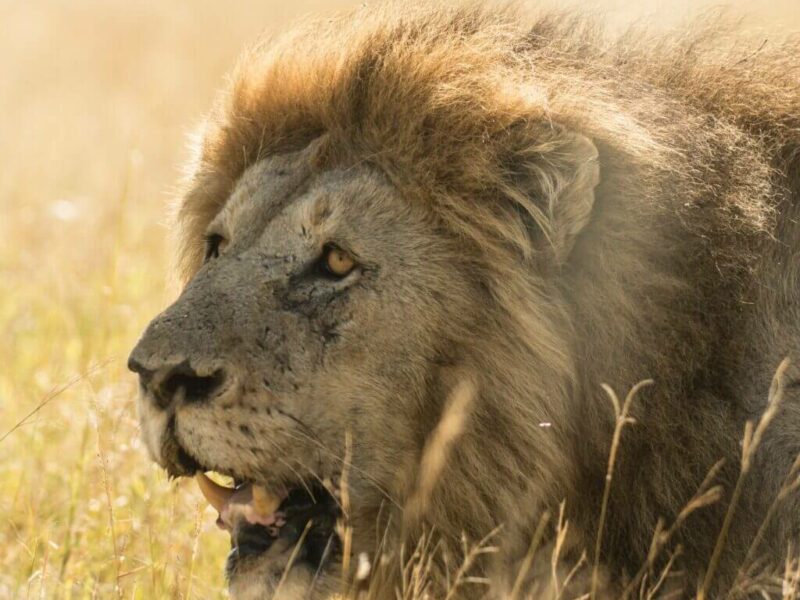
When arriving at the port of entry into Zimbabwe for your African safari hunting trip, a temporary firearm import permit can be obtained at no cost to the hunter. Any number of firearms can be imported but the limitation is 100 rounds per firearm. Fully automatic rifles are prohibited.
A permit for a handgun can be arranged via an outfitter who can assist, but it is to be noted that hunting with handguns is only permitted in certain areas. Before making a travel booking, the hunter needs to confirm with the airline that transportation of firearms is permitted. Over the last few years, there have been a few airlines that have discontinued this service.
It is always advisable to travel with notarized copies of your firearm licenses, passport, and a copy of your travel itinerary. Before leaving on your game hunting safari be sure to obtain a letter of invitation from the outfitter, as this will be required when arranging the temporary firearm permits. Hunting Guides and Professional Hunters
It is illegal for a non-resident to obtain a Zimbabwean Professional Hunter’s license. Therefore, it would then be illegal for them to conduct a safari in Zimbabwe.
Zimbabwe has allocated thousands of acres of land to the conservation of habitat and has rich biodiversity through sustainable hunting practices.
The Zimbabwe Department of National Parks and Wildlife (ZDNPW) along with the Zimbabwe Professional Guides Association (ZPGA) ensure the highest ethics and morals of their members. This is achieved through strict apprenticeships, ongoing monitoring, and adherence to the code of conduct and the governing constitution that members have pledged to uphold. To qualify as a hunting guide in Zimbabwe takes two years. To be eligible for the program applicants must have a first aid certificate from the Red Cross and attend and pass shooting exams, sponsored by the ZDNPW and the Zimbabwe Shooting Association (ZSA).
Zimbabwe hunting guides are the highest qualified both in Africa and worldwide.
All members undergo rigorous training on animal behavior and life cycles ensuring they understand which animals to select sustainably. All guides practice fair chase.
All professional hunting guides must comply with national wildlife laws, including tourist hunting regulations. All hunters planning a game hunting safari to Zimbabwe need to ensure that their guides as well as the safari operators are registered and belong to suitable organizations.
Dangerous Game Hunting Laws in Zimbabwe
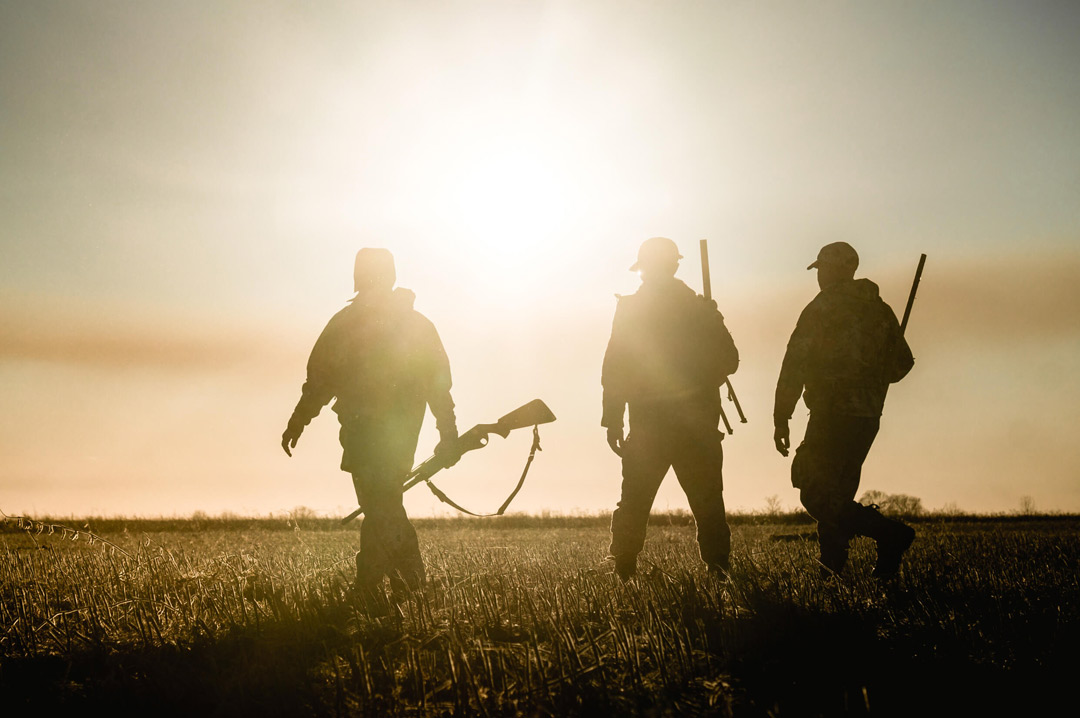
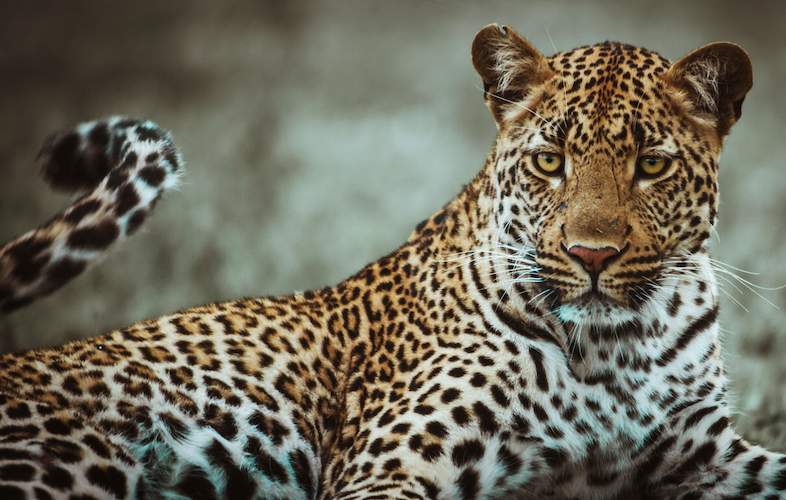
When booking an Africa hunting trip, Zimbabwe rates as a top destination for dangerous game hunting, with four of the Big 5 species found in Zimbabwe, namely the elephant, Cape Buffalo, lion, and leopard. For hunters seeking a true test of nerve and power, Cape buffalo hunts in Zimbabwe offer one of Africa’s most intense and rewarding dangerous game experiences.
Hunters planning a broader safari can explore Big Game Hunting in Zimbabwe for more information on the country's major game species and hunting opportunities.
The other members of the Dangerous 7 that are available include a hippo and Nile crocodile which make for a good combo game hunting opportunity
Zimbabwe is home to more than 100 000 elephants with approximately 50 000 of these being found in Hwange and the Zambezi Valley.
Hunting Laws and Regulations in Zimbabwe
Zimbabwe's hunting regulations distinguish between different categories of land, including designated safari areas, communal hunting areas and private land. The permissions governing hunting methods, species and equipment are not necessarily identical across these areas.
Hunters should confirm whether their safari takes place within a Zimbabwe Parks and Wildlife Management Authority safari area, a communal hunting area or private land.
Night hunting, artificial lighting, hunting with dogs, bowhunting and the use of vehicles are subject to applicable restrictions and authorisations. Hunters should never assume that a method permitted in one hunting area is automatically legal elsewhere.
Before booking, request written confirmation from the outfitter that the proposed hunting methods, species quotas and permits comply with the requirements applying to the specific area.
Communal and Tribal Areas
- Night hunting is only allowed for certain species. Lion, leopard, and bush pigs are included. The use of callers, artificial lighting, and night vision scopes is allowed.
- Equipment that may be used includes handguns. Bow hunting is also allowed.
- Operators need to operate ethically and within the bounds of the law.
Private Land Areas (known as alienated areas)
- The operator uses their own standards if they operate within the parameters of the wildlife protection laws.
Special permits can be obtained to hunt leopards with dogs. - Nocturnal hunting may be conducted using artificial light, callers, and night vision scopes.
- Bowhunting and game hunting with a handgun is legal.
Zimbabwe Parks Area
- Vehicles may be used to spot animals, but hunters may not shoot from a vehicle.
- The utilization of dogs for hunting is illegal.
- Bow hunting is not allowed.
- A vehicle may not be used to chase or drive animals.
- Hunting needs to take place on foot and shots may not be fired within 440 yards of the vehicle.
- Hours of hunting are regulated as follows: during daylight hours, half an hour before sunrise, and half an hour after sunset.
Zimbabwe Visa Requirements and Health
International hunters should confirm Zimbabwe's current visa requirements before travelling, as entry conditions and visa fees depend on nationality.
Hunters carrying firearms should also arrange the necessary documentation with their outfitter and confirm their airline's firearm transport requirements before departure.
Malaria precautions are important when visiting certain Zimbabwean hunting regions, particularly lower-altitude areas. Consult a travel-health professional before departure for advice appropriate to your destination and medical circumstances.
Tourism in Zimbabwe
Zimbabwe is becoming renowned for its tourist attractions with the latest revenue revealing that the country generated over US$ 600 million. Zimbabwe has actively been working on improving local travel and infrastructure to attractions as most have historically been found in remote areas.
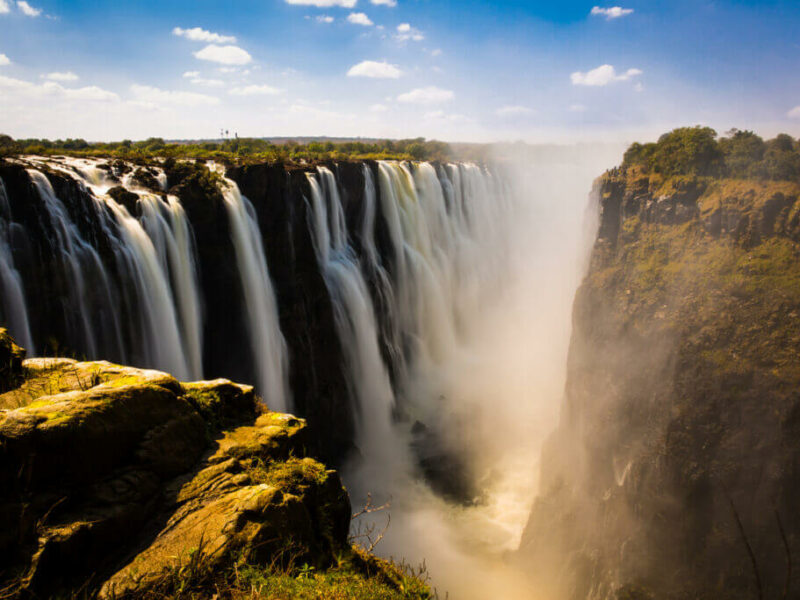
Victoria Falls
At the top of the list of attractions can only be Victoria Falls.
Interesting Facts about Victoria Falls:
- The largest waterfall in the world and can be seen from two countries, namely Zambia and Zimbabwe, and falls within two national parks.
- The falls were named after the famous British explorer, David Livingston.
- It is one of the seven wonders of the world.
- Victoria Falls International Airport allows easy access and is situated only 28 miles South of Victoria Falls. There are some fantastic hotels in the vicinity. Hunters should consider including a visit when planning their African hunting adventure.
Lake Kariba
Did you know that Lake Kariba is the world’s largest artificial lake and reservoir by volume and is situated along the border of Zambia and Zimbabwe? It covers an area of 2150 square miles and is a sought-after dangerous game destination, focusing on crocodiles and hippos.
A Kariba houseboat is the ultimate relaxation holiday including game viewing, fishing, and breathtaking views.
There are many other attractions in Zimbabwe including the Chinhoyi Caves and plenty of famous national parks such as the Zambezi National Park, Limpopo National Park, and the Hwange National Park that are well worth a visit.
Zimbabwe as a Hunting Destination
Hunting in Zimbabwe remains a focus for international hunters, whether they are pursuing African plains game or dangerous game. Having visited the country on numerous occasions, I can definitely recommend it as a top hunting destination in Africa. Hunters looking for broader information on hunting areas, seasons, species and travel can explore our Hunting in Zimbabwe guide. Those comparing Zimbabwe with other destinations can explore our Hunting Trips for a wider look at safari options across Africa.
About the Author
Tamlyn van Wyk is part of the Game Hunting Safaris team and has firsthand experience of hunting expeditions across Southern Africa. Her time in the field helps inform the practical guidance GHS shares with hunters planning their African safaris.