
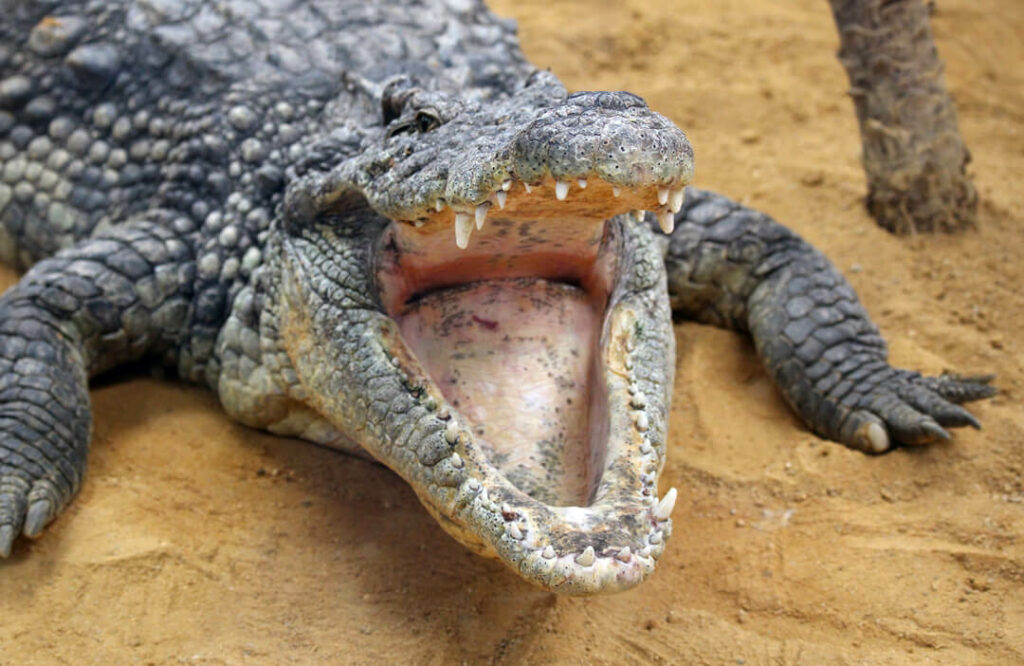
Safety is one of the first questions American hunters ask when considering a crocodile safari in Mozambique. Hunting a large Nile crocodile is one thing; travelling halfway around the world into remote African hunting country and spending days around unfamiliar waterways can raise an entirely different set of questions.
Mozambique has long been an established destination for Crocodile Hunts, with areas such as Lake Cahora Bassa offering the opportunity to pursue mature Nile crocodiles in vast, wild surroundings. These hunts are carefully planned around the water, the location of the animal and the practical realities of recovering a crocodile once the shot has been taken.
The broader logistics of Hunting in Mozambique matter just as much. Depending on the hunting area, reaching camp may involve international and regional flights, long road transfers, boats or charter aircraft. For an American hunter planning a first safari in the country, understanding who is responsible for those arrangements and what happens between landing at the airport and reaching hunting camp can remove much of the uncertainty before departure.
Once the hunt begins, an experienced Professional Hunter and local team manage the approach, positioning and recovery while the hunter concentrates on making the right decisions when an opportunity develops. No dangerous game hunt is entirely without risk, but good preparation, experienced people on the ground and a clear understanding of how the safari will operate can make a significant difference.
This article takes a closer look at Crocodile Hunting in Mozambique from that perspective: what hunters can expect when travelling into remote crocodile country, how safety is managed around the water, and what questions you should ask before booking your safari.
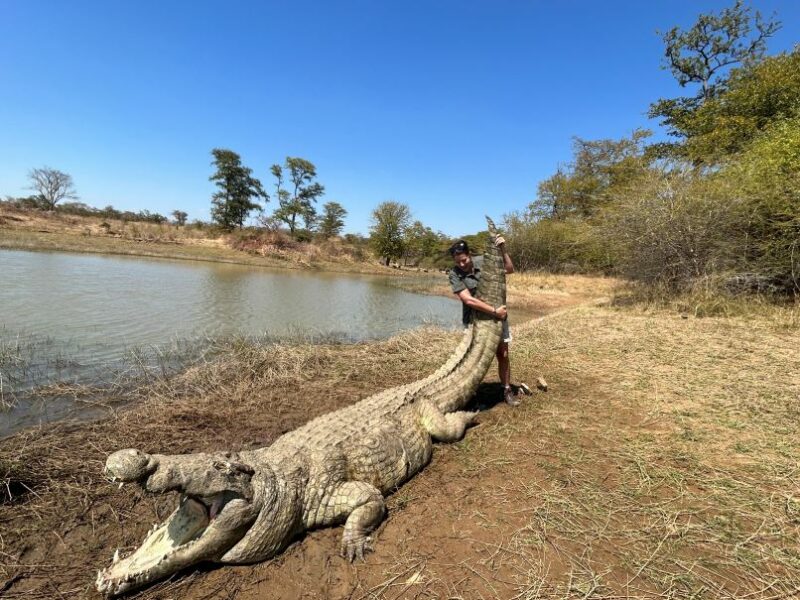
Why Lake Cahora Bassa is Known for Crocodile Hunting
Nile crocodiles can be hunted in several African countries, but Lake Cahora Bassa has long been one of Mozambique's best-known crocodile hunting areas. Having travelled to Cahora Bassa myself, I have seen firsthand the scale of the lake, the remoteness of the surrounding country and the conditions hunters can expect when pursuing crocodiles in this part of Mozambique.
Hunting such a vast body of water presents its own challenges. Crocodiles may be located along distant shorelines, sandbanks and quieter sections of the lake, and considerable time can be spent travelling by boat and observing potential animals before a suitable trophy is identified. Access, weather and water conditions can all influence how the hunt unfolds.
This is also where good local knowledge becomes important. An experienced Professional Hunter and hunting team understand where mature crocodiles are likely to be found, how to approach them without unnecessary disturbance and how to manage the practical realities of hunting around a large African lake.
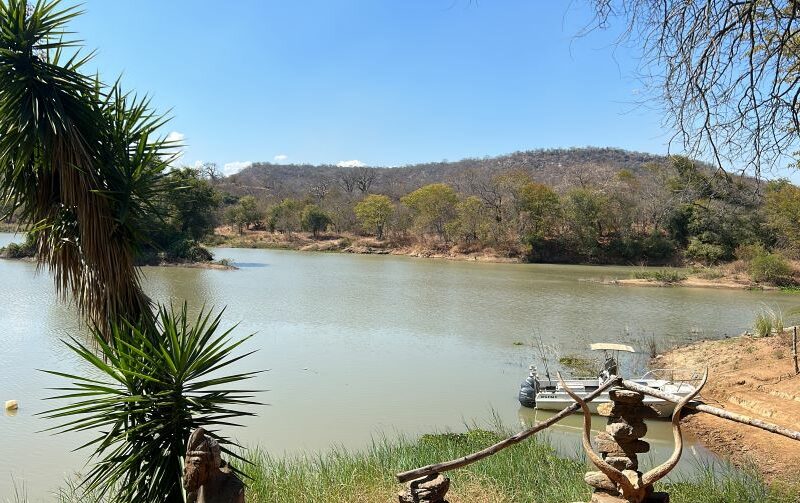
Why Hunters Choose Mozambique for a Crocodile Safari
Mozambique appeals to hunters looking for a safari that still involves genuinely remote country and a sense of adventure beyond the hunt itself. Crocodile hunting can take place around vast waterways such as Lake Cahora Bassa, where reaching the hunting area and spending long days on the water become part of the safari.
The country also offers the possibility of combining crocodile with other species, depending on the hunting area, available quota and the safari being booked. Some hunters travel to Mozambique specifically for dangerous game, while others build a broader safari around several species.
Cahora Bassa adds another dimension for hunters who enjoy fishing. Depending on the arrangements and time available, fishing can sometimes be incorporated into the trip, creating the type of "cast and blast" safari for which parts of Mozambique have become well known.
What sets the country apart, however, is the setting. A crocodile hunt in Mozambique is not simply about arriving at a hunting property and locating an animal. Travel, boats, large expanses of water and remote hunting camps can all become part of the story, particularly in areas such as Cahora Bassa.
What Makes Crocodile Hunting Different From Other Dangerous Game Hunts
Crocodile hunting presents a very different challenge from following buffalo tracks through the bush or searching for elephant across vast wilderness areas. Much of the hunt can involve patience, observation and waiting for the right animal to appear in a position where a clean shot and successful recovery are both possible.
A large crocodile may be spotted long before there is any opportunity to hunt it. The PH and hunting team need time to judge the animal, watch its movements and understand where it is likely to leave the water. Even when a suitable crocodile is located, there is no guarantee it will remain in the same place or offer the opportunity the hunter needs.
The water changes everything. A crocodile lying close to the edge can disappear remarkably quickly, which means the hunting team must consider far more than simply getting within shooting distance. The position of the animal, its proximity to deeper water and the possibilities for recovery all become part of the decision before a shot is taken.
This is where patience matters. After travelling halfway around the world and spending hours searching shorelines, it can be tempting to believe that seeing a large crocodile means the opportunity has finally arrived. Sometimes the better decision is to wait. The angle may be wrong, the animal may be poorly positioned or there may simply be too much risk of losing it in the water.
Experienced crocodile hunters understand that the best opportunity is not necessarily the first one. The PH may spend considerable time studying an animal before deciding whether to continue the approach, wait for conditions to change or leave and return later.
That combination of observation, patience and careful planning is what separates crocodile hunting from many other Dangerous Game Hunts. The final opportunity may come together quickly, but everything that happens beforehand is about making sure that when the hunter does take the shot, the team is already thinking several steps ahead.
Is Mozambique a Safe Destination for a Hunting Safari?
Safety is a reasonable concern for anyone planning to travel into remote parts of Africa, and Mozambique is no exception. Conditions can vary considerably from one part of the country to another, which is why hunters should book with an established outfitter who understands the current situation in the specific hunting area and manages the logistics from arrival through to departure.
Over the last 30 years, I have been fortunate enough to travel through Mozambique on numerous occasions. My hunting trips have taken me to the Marromeu region for Cape buffalo and to Lake Cahora Bassa for Nile crocodile. I have also travelled extensively along the coast, visited Maputo and Bazaruto, and spent time fishing Mozambique's waters.
Those trips have given me a very different perspective from the image of Mozambique that international hunters sometimes form before visiting. A professionally organized safari is carefully planned, with the outfitter coordinating airport collections, road or charter transfers, accommodation and travel into the hunting area.
That does not mean hunters should treat every part of Mozambique as identical or assume conditions never change. Before travelling, it is important to discuss the current situation with your outfitter, follow relevant government travel advice and understand exactly where the safari will take place. Mozambique is a large country, and conditions in one province may have little relevance to a hunting area hundreds of miles away.
Once in camp, the risks associated with hunting dangerous game are managed by the Professional Hunter and experienced local team. On a crocodile safari, that includes understanding the waterways, approaching animals carefully, managing boats where they are used and ensuring the hunter is properly positioned before a shot is considered.
My own time hunting and travelling in Mozambique has produced some exceptional memories, but the key has always been travelling with people who know the country. Choosing an experienced outfitter and understanding the logistics of your particular safari are far more useful than making a blanket judgment about an entire destination.
The Journey to the Crocodile Hunting Grounds
Arriving in Mozambique
Reaching a remote crocodile hunting area is part of the safari, and hunters should understand the travel arrangements before leaving home. For hunts taking place around Lake Cahora Bassa, travel will typically be coordinated by the outfitter, with the final route depending on current flight schedules, the location of camp and the arrangements made for the safari.
American hunters travelling with firearms should confirm all firearm import requirements well before departure. An experienced Mozambique outfitter will normally assist with the necessary arrangements and coordinate the hunter's arrival and onward transfer, but it remains important to know exactly what documentation is required before boarding the flight to Africa.
Once you arrive, having someone from the outfitting team there to meet you makes the transition considerably easier. From that point, the journey into hunting country begins.
The Journey to Lake Cohora Bassa
Reaching the hunting grounds around Lake Cahora Bassa can involve a substantial overland transfer, depending on where the safari is based. Road conditions and travel times can vary, particularly once the journey moves away from the main routes, so hunters should ask their outfitter for realistic transfer times rather than relying solely on distances shown on a map.
The drive itself offers a first look at a side of Mozambique most tourists never see. Small villages and roadside markets appear along the route, and the landscape gradually changes as you travel farther from the larger towns and closer to the lake.
Depending on arrival times, road conditions and the location of camp, an overnight stop may form part of the journey. This is one of the reasons the logistics should be understood before booking. Getting to remote crocodile country takes time, and hunters should allow for that when planning the overall length of their safari.
Arrival at the Hunting Grounds
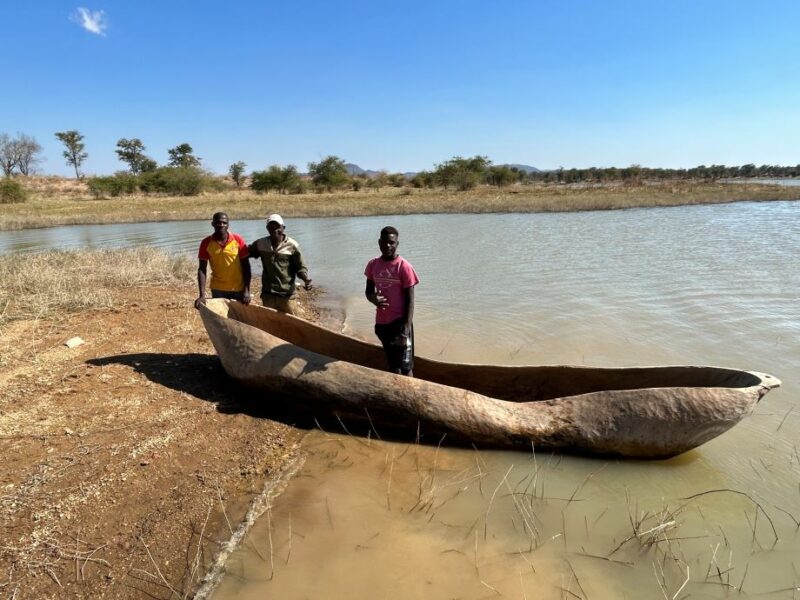
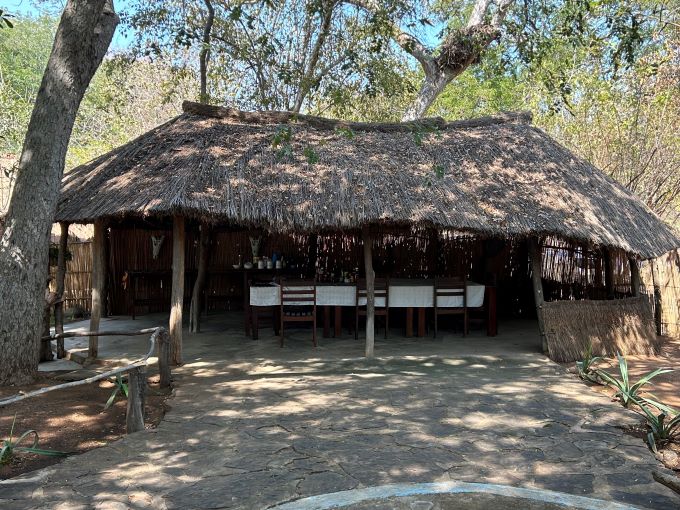
For some Cahora Bassa safaris, the final journey into hunting country may continue by boat. The scale of the lake quickly becomes apparent once you are on the water, with vast shorelines and remote stretches of country that can take considerable time to reach.
During these transfers, hunters are accompanied by the outfitter's team, who understand the local waterways and the route into camp. Once there, boats may continue to play an important role in the safari, allowing the hunting team to travel between different sections of shoreline while searching for mature crocodiles.
Other crocodile hunting areas in Mozambique can involve completely different logistics, including road transfers or charter flights into remote concessions. Hunters considering a safari farther north should confirm the exact travel arrangements directly with their outfitter, as routes and flight availability can change.
The Shot is Only Half the Plan
On a crocodile hunt, getting within range of a mature animal is only part of the challenge. Long before the rifle is raised, the Professional Hunter is already considering what will happen after the trigger is pulled.
Where the crocodile is lying matters. An animal resting several yards from the water presents a very different situation from one positioned on the edge of a steep bank with deep water immediately behind it. The PH must consider the shooting angle, the crocodile's position and how quickly the hunting team can respond once the shot is taken.
Recovery is part of that planning. A large crocodile is an exceptionally powerful animal, and allowing a wounded crocodile to reach deep water can turn a successful stalk into a difficult recovery. This is one reason hunters may spend hours looking at crocodiles without taking a shot. Finding the right animal is important, but finding that animal in the right position can be just as critical.
The hunter also needs to be ready. There may have been hours of travelling by boat, glassing distant shorelines and waiting under the African sun before an opportunity finally develops. When it does, there is little room for complacency. Crocodile Shot Placement is critical, particularly when an animal is positioned close to deep water, and the hunter must be steady and completely clear about which crocodile the PH has selected before taking the shot.
Depending on the situation, the PH may already have the boat positioned for recovery or members of the hunting team ready to move. If a follow-up shot is required, decisions may need to be made quickly. The work does not simply begin after the crocodile is down; much of it has already been planned beforehand.
That is one of the realities hunters sometimes underestimate about pursuing Nile crocodiles. The photograph at the end may show a hunter beside an enormous reptile on the shoreline, but the success of that moment can depend on decisions made long before the first shot was fired.
What Hunters Should Ask Before Booking a Mozambique Crocodile Hunt
A crocodile safari in Mozambique can look straightforward when viewed from home, but the details behind the hunt can make a considerable difference once you arrive. Before booking, hunters should understand exactly where they will be hunting, how they will reach the area and what the safari will involve from the moment they land in Mozambique.
Safety should be part of that conversation. Asking the right questions is not only about finding a mature crocodile or choosing the best hunting area. It is also about understanding how the outfitter manages the practical risks of hunting around remote waterways. Hunters should ask how boats are used during the hunt, how crocodile recovery is handled, what communication is available in remote camp and what contingency plans are in place should a medical or other emergency occur.
The answers can tell you a great deal about how professionally the safari is run. An experienced outfitter should be able to explain who will accompany you in the field, how the team operates around the water and what happens if something does not go according to plan. These are reasonable questions when booking any dangerous game safari, particularly one taking place around large bodies of water and far from major towns.
Location and logistics matter just as much. A hunt around Lake Cahora Bassa may involve flights, long road transfers and considerable time travelling by boat. Hunters should ask for realistic transfer times and understand how many days are allocated to actual hunting rather than simply looking at the total duration of the safari.
It is also worth discussing how mature crocodiles are located and judged. Trophy expectations should be realistic, and the outfitter should be able to explain how crocodiles are assessed before a decision is made to hunt a particular animal. The same applies to additional species. If the safari is being sold as a combination hunt, confirm which animals are realistically available in that specific hunting area, whether the necessary quota is in place and how adding species will affect the overall cost. Understanding African Hunting Safari Prices and exactly what is included in the quoted rate can make it much easier to compare one safari with another before booking.
Hunters interested in adding fishing should discuss this before booking as well. Areas such as Cahora Bassa can offer opportunities to spend time with a rod when the hunting schedule allows, but this should be arranged as part of the safari rather than assumed.
Firearm arrangements, ammunition and any necessary import documentation should also be confirmed well before departure. The more questions that are answered before boarding the flight to Africa, the fewer surprises there are likely to be once the journey begins.
Ultimately, choosing a Mozambique crocodile hunt is about more than comparing trophy sizes and safari prices. You are also choosing the Professional Hunter, outfitter and team responsible for getting you into remote hunting country, managing the days around the water and bringing you safely back to camp. Knowing how they plan to do that should be an important part of deciding which safari to book.
What a Safe Crocodile Safari Really Comes Down To
No hunting safari involving dangerous game is entirely without risk, and crocodile hunting in Mozambique is no exception. The important distinction is how those risks are understood and managed by the people responsible for the safari.
An experienced Professional Hunter and outfitter will know the hunting area, understand local conditions and manage the logistics involved in reaching remote camps and waterways. Once the hunt begins, the same experience becomes important when locating crocodiles, approaching them, choosing a suitable shooting position and recovering an animal from the water.
Hunters also have a role to play. Following the PH's instructions, remaining patient around the water and being properly prepared for the shot are all part of hunting an animal where a mistake can quickly complicate recovery.
Having travelled and hunted in Mozambique myself, I would never describe every safari or every part of the country in exactly the same way. Conditions differ, hunting areas differ and circumstances can change. What I can say is that good planning, an experienced outfitter and a professional team on the ground can remove much of the uncertainty that concerns hunters before their first trip.
Anyone considering a Mozambique Crocodile Hunting Safari should look beyond the trophy and understand how the hunt will actually be conducted, from arriving in the country to reaching camp and spending time on the water. That preparation is part of choosing the right safari and knowing what to expect before you ever board the plane.
Frequently Asked Questions
Is crocodile hunting in Mozambique safe for American hunters?
Crocodile hunting takes place in remote areas and around large bodies of water, so no safari involving dangerous game is entirely without risk. Hunters should choose an experienced outfitter who knows the hunting area, manages transfers and camp logistics, and has clear procedures for operating boats, approaching crocodiles and recovering animals. American hunters should also check current travel advice for the specific region they will be visiting before departure.
Where are Nile crocodiles hunted in Mozambique?
Lake Cahora Bassa is one of Mozambique's best-known areas for hunting large Nile crocodiles, although opportunities may also exist in other approved hunting areas and river systems. The location of the hunt can significantly affect travel arrangements, accommodation and how the safari is conducted, so hunters should confirm the exact hunting area before booking.
How difficult is it to judge the size of a Nile crocodile?
Judging a crocodile from a distance can be surprisingly difficult, particularly when much of the animal is submerged. Professional Hunters may assess overall length, head size and body proportions while observing an animal over time. Hunters should be prepared to look at several crocodiles before the PH identifies a mature animal worth pursuing.
What happens if a crocodile reaches the water after being shot?
Recovery can become considerably more difficult if a wounded crocodile reaches deep water. This is why the PH considers the animal's position and proximity to the water before allowing a shot. Careful shot placement and having a recovery plan already in place are important parts of the hunt, and hunters should follow their PH's instructions immediately after firing.
Can I combine a crocodile hunt with other big game in Mozambique?
Potentially, yes. Depending on the hunting area, available quota and season, crocodile may form part of a broader Big Game Hunting safari that includes other species. Hunters should confirm exactly which animals are available in the specific concession rather than assuming that every species associated with Mozambique can be added to their safari.
How many days should I allow for a Mozambique crocodile hunt?
Hunters should consider more than the number of hunting days when planning their trip. Reaching remote areas such as Lake Cahora Bassa can involve regional flights, lengthy road transfers and boat travel. It is worth discussing the complete itinerary with the outfitter and allowing sufficient time for both the hunt and travel into and out of camp rather than planning an overly tight international schedule.
About the Author
Pierre van Wyk is the co-founder of Game Hunting Safaris and has spent more than 30 years travelling, hunting and fishing across southern Africa. His travels in Mozambique have included Cape buffalo hunting in the Marromeu region, crocodile hunting around Lake Cahora Bassa, and numerous fishing and recreational trips throughout the country. He writes from first-hand experience to help international hunters better understand what to expect when planning an African hunting safari.