
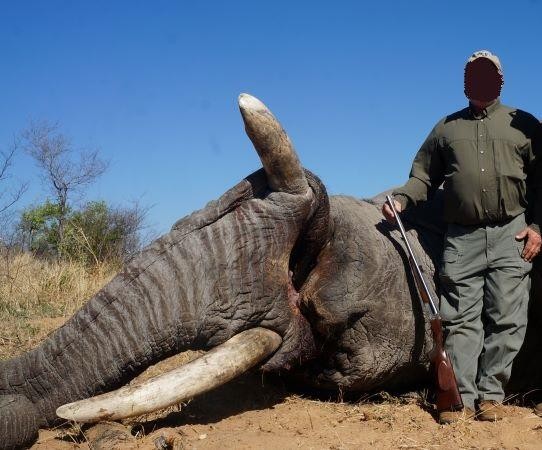
Following the tracks and finding the elephant is only part of the job.
You may have spent several hours behind the trackers before catching up with a bull. He looks big. He has good ivory. To the visiting hunter, he may look exactly like the elephant you've come to Zimbabwe to hunt.
The PH may not be nearly as convinced.
Before deciding that this is the right bull, he will want to judge the elephant as a whole. His body size and proportions, head, neck, general condition and signs of maturity all matter. So does his ivory, but the length of his tusks or an estimate of what they might weigh is only part of the picture.
There is a difference between identifying a mature bull and deciding that he is a good representative bull to hunt.
What is realistic varies between hunting areas and elephant populations. A heavy bull taken from a Zimbabwe concession in a previous season may show what that area can produce, but it doesn't mean the next hunter should arrive expecting to find another one.
Most hunters planning elephant hunting in Zimbabwe should have a clear idea before the safari of what they and the outfitter are looking for. That may be a good representative mature bull for the area, an especially old bull, or a hunt with particular but realistic trophy expectations. Then the tracking begins, and you see what the bush gives you.
The time to understand what you're looking for is before the hunt, not when the PH is whispering that there's a bull at 40 yards.
So how does the hunting team make that judgement?
It often starts before you ever see the elephant.
The First Clues May Be on the Ground
Long before a hunter gets a proper look at the bull, the trackers may already have a good idea of the kind of elephant they're following.
A large bull leaves clues.
The size of his spoor is an obvious starting point. Trackers will also look at how fresh the tracks are, the direction the elephant is travelling and any other sign he has left behind. Fresh dung can help show how recently the bull passed through, while its size may provide another clue to the size of the elephant they're following.
In good tracking conditions, trackers may notice details in the spoor that visiting hunters would walk straight past. The condition and wear of the foot can leave clues in a clear track, while years spent following elephants in the same area can tell them much more.
Sometimes they may even recognise the bull they're following from his tracks.
Individual elephants can leave distinctive spoor. The size and shape of the foot, wear, cracks or other characteristics can become familiar to trackers who repeatedly follow the same bulls. A good track can sometimes be almost like a fingerprint.
That local knowledge makes a considerable difference. If the trackers recognise the spoor of a known mature bull, the hunting team may already have some idea of the elephant they're following before anyone has seen him.
But an unfamiliar track doesn't tell them everything. Large spoor and other sign may suggest a big bull worth following, but they won't tell the hunting team whether the elephant ahead is 35, 45 or 55 years old.
The question at this stage isn't necessarily how old he is. It's whether the sign suggests this is a bull worth following.
That matters on an elephant hunt.
Following the wrong track for hours can take you a long way through the Zimbabwe bush before you discover that the bull at the end of it isn't the elephant you're looking for.
Good trackers therefore aren't simply following spoor. They're constantly reading what the elephant has left behind, how recently he passed through and where he appears to be heading.
Eventually, if everything goes well, the tracks lead you to the bull.
That's when the real judging begins.
Judge the Bull Before You Judge His Tusks
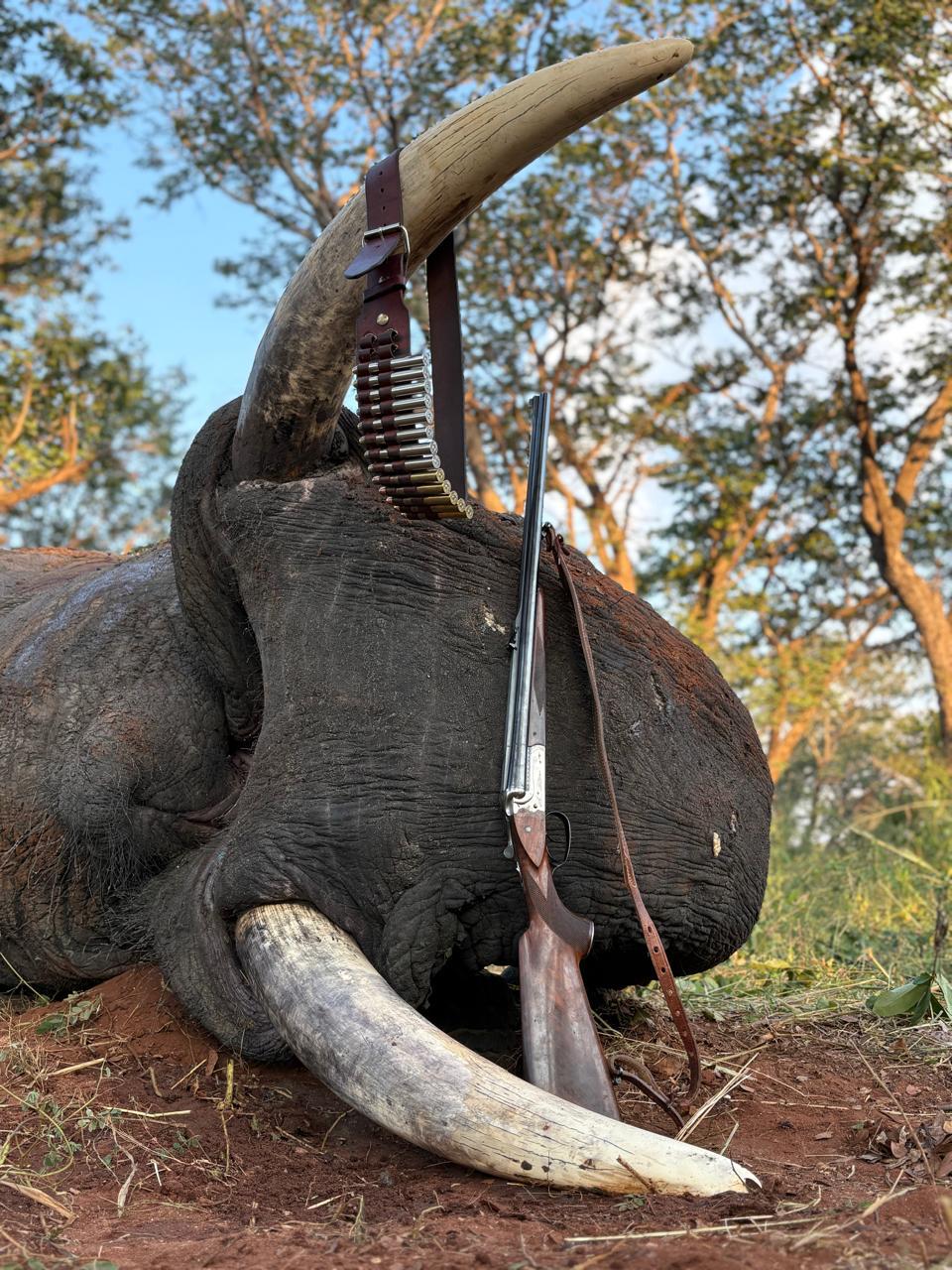
Once the hunting team catches up with the elephant, the spoor has done its job.
Now they can look at the bull himself.
It is easy for a hunter's eyes to go straight to the ivory, particularly when the elephant is standing in reasonably open terrain. The PH will certainly look at the tusks, but he will also be studying the rest of the animal.
A mature bull should look like a mature bull before his ivory enters the discussion.
Overall body size is part of that judgement. Mature elephant bulls are heavily built animals, with the head, neck, shoulders and body developing as the animal ages. When several bulls are together, comparing them can make some of those differences easier to see.
The head can provide more clues.
Older bulls may show more pronounced temporal depressions on the sides of the head, and changes in the face and head can contribute to the overall impression of age. Body condition may also tell the PH something, particularly when looking at an old elephant.
But none of these should be treated as a single test.
A bull doesn't become an old elephant because his temples look hollow, and a powerful bull in good condition shouldn't automatically be dismissed as young. The PH is putting several characteristics together and judging the animal standing in front of him.
This is also where experience is difficult to replace.
A hunter on his first elephant safari might look at two big bulls and struggle to see much difference between them. A PH who has spent years hunting and observing elephants may see differences in their build, head and general appearance almost immediately.
Even then, putting an exact age on a live elephant isn't straightforward.
Elephants replace their molars through life, and tooth development and wear can provide much better information when ageing an animal after recovery. Unfortunately, that's not particularly useful while he's standing in front of you.
The PH can't exactly ask the bull to open his mouth so he can check which set of molars he's using.
In the field, judging age is therefore an informed assessment rather than an exact calculation.
The PH needs to make sure before making the call. Once the shot has been taken, the decision cannot be changed. If there's any doubt about the bull's maturity, ivory or whether he's the right elephant for the hunt, a few more minutes of watching him can be worth far more than making a hurried decision.
Patience is part of elephant hunting in Zimbabwe, particularly when deciding whether to take a bull or keep hunting.
Once the smell of gunpowder is in the air, hindsight doesn't help much.
You don't need to look at a bull and decide that he's 43 rather than 47 years old. You need to recognise the characteristics of a mature elephant and understand why the PH may want to spend more time looking at him before deciding.
Only then does the ivory become another part of the picture.
A Mature Bull Doesn't Have to Look Ancient
A mistake a hunter could make is expecting every suitable bull to show the most obvious characteristics of a very old elephant.
They don't.
A mature bull may still be carrying plenty of body condition and look powerful and healthy. His temporal depressions may not be deeply pronounced, and he doesn't need to look worn down before the PH considers him a suitable bull to hunt.
This is where the difference between a mature representative bull and an exceptionally old bull becomes important.
If the objective of the hunt is to find a suitable bull representative of the area, the PH isn't necessarily looking for the oldest elephant he can find. He is looking for a bull with the maturity and characteristics that make him suitable for that hunt.
Maturity is judged from the whole elephant, not from how old and battered he looks.
And the same principle applies when you finally start looking properly at the ivory.
What Can the Tusks Tell You?
Once the PH is satisfied that he is looking at a mature bull, the ivory becomes an important part of the judgement.
The first thing a hunter tends to notice is length.
Long tusks are impressive, but visible length alone doesn't tell you what a tusk weighs. The PH will also be looking at the thickness of the ivory, particularly around the lip, the overall shape of the tusks and how much mass they appear to carry.
Some tusks are long and relatively slender. Others may not appear as long but carry more weight. There is also more ivory than you can see.
Part of each tusk extends back into the skull, so the visible portion is only part of its total length. The internal pulp cavity also affects how much a tusk eventually weighs. Neither can be properly assessed while the elephant is standing in front of you.
Estimating tusk weight on a live bull is never an exact calculation.
An experienced PH may be excellent at judging ivory, particularly on elephants from an area he knows well, but he is still making an estimate from what he can see.
A bull that looks like a 50-pounder doesn't arrive with 50 lb stamped on the side of his tusk.
The condition of the ivory matters too. Tusks may be worn, chipped, broken or noticeably different from one another. That doesn't suddenly make a mature elephant immature, but it can affect how the bull is judged depending on what the hunter and PH are looking for.
For the hunter, the important point isn't learning how to calculate tusk weight from 30 yards away.
It is understanding why the PH may look beyond the obvious length of the ivory before deciding what is standing in front of him.
And there is another complication.
The same ivory may mean something quite different depending on where in Zimbabwe you're hunting.
What Is a Representative Mature Bull in Zimbabwe?
There isn't one tusk weight that suddenly makes an elephant a good representative bull across Zimbabwe.
Different hunting areas support different elephant populations, and the quality of ivory hunters can realistically expect may vary. That local context matters when judging the bull in front of you.
When hunting in Zimbabwe, realistic trophy expectations should always be based on the area being hunted and what it has been producing. Elephants are no different. What represents a good trophy should be judged against the hunting area and the game it produces, rather than against an exceptional animal taken somewhere else.
The bigger-than-average bull is the possibility, not the promise.
A PH may look at a clearly mature elephant and decide to keep hunting. Being mature doesn't automatically make him the right bull for that safari.
The ivory may not match what the hunter and PH agreed to look for, or the PH may simply believe they should keep looking.
A representative mature bull doesn't have to be the biggest elephant in Zimbabwe to be the right elephant for that hunt.
Know What You're Looking For Before the Hunt
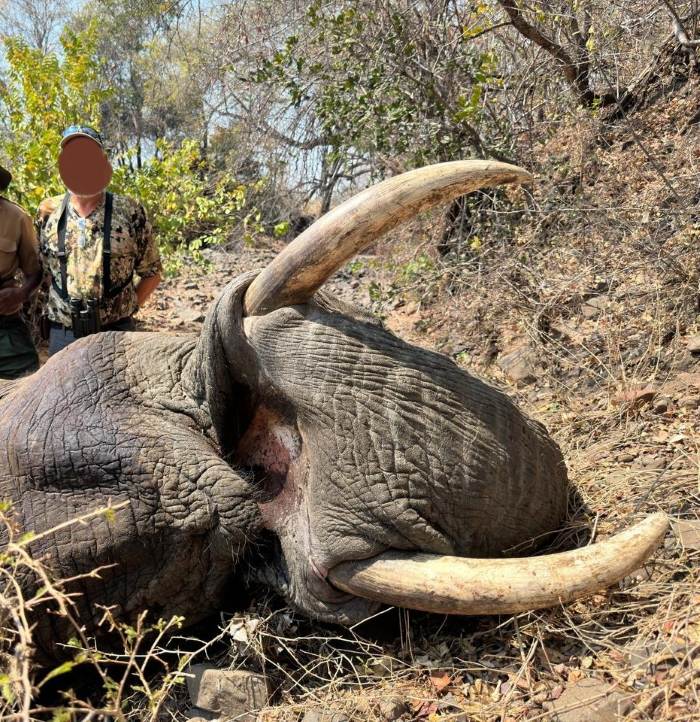
The best time to discuss trophy expectations isn't after you've started following elephant tracks.
Good planning matters on African hunting trips, but trophy expectations should be particularly clear before an elephant safari.
If you're looking for a good representative mature bull, say so. If age is more important to you than perfect ivory, the PH should know that too. And if you have expectations about tusk weight or ivory quality, discuss whether those expectations are realistic for the area before you book.
That doesn't mean setting a number and refusing to look at anything below it. Elephant hunting doesn't work quite that neatly.
The hunting area may produce an exceptional bull during the season, but nobody can promise that the same quality of elephant will walk in front of the next hunter.
What a good outfitter can do is explain what the area has been producing, what a realistic representative bull looks like and what you can reasonably hope to find. Then, when the trackers finally lead you to an elephant and the PH spends those extra few minutes studying him, you'll understand what he's looking for.
And if he eventually turns to you and says,
“That's our bull.”
you'll understand why.
Frequently Asked Questions About Judging Mature Elephant Bulls
How can you tell if an elephant bull is mature?
A mature elephant bull is judged from a combination of characteristics rather than one feature. Body size and proportions, the head and neck, temporal depressions, general condition and ivory can all provide clues.
Experienced PHs also consider how the bull compares with other elephants in the area and, where possible, what the trackers already know about him.
There is no single field test that gives an exact age.
Can you accurately estimate elephant tusk weight before the shot?
An experienced PH can make a good estimate, but nobody knows the exact weight while the elephant is still standing.
Visible tusk length, thickness around the lip, shape and apparent mass all help with the judgement. Part of the tusk is hidden inside the skull, however, and the internal pulp cavity also affects its final weight.
That's why an estimated 50-pound bull remains an estimate until the ivory can be weighed.
What is considered a good elephant bull in Zimbabwe?
There isn't one tusk weight or measurement that defines a good bull across the country.
A suitable representative bull depends on his maturity, the hunting area, the quality of elephants that area realistically produces and what the hunter and PH agreed to look for before the safari.
Elephant is only one part of big game hunting in Zimbabwe, but the same principle applies across species: realistic trophy expectations should begin with the quality of game found in the actual hunting area.
Is elephant hunting part of Big Five hunting in Zimbabwe?
Yes. Elephant is one of Africa's traditional Big Five species, alongside Cape buffalo, lion, leopard and rhino.
For hunters interested in Big Five hunting, Zimbabwe remains particularly important because elephant, buffalo, lion and leopard can all form part of its wider dangerous-game hunting opportunities, subject to the hunting area, quota and applicable permits.
About the Author
Pierre van Wyk is an African hunter and the founder of Game Hunting Safaris. He has hunted dangerous game across southern Africa, including elephant in Zimbabwe, and believes the best safari advice comes from understanding what happens in the bush, not simply what looks impressive in a trophy photograph.
When he's not hunting, Pierre works with professional hunters and outfitters across Africa to help international hunters plan realistic, well-run safaris.