
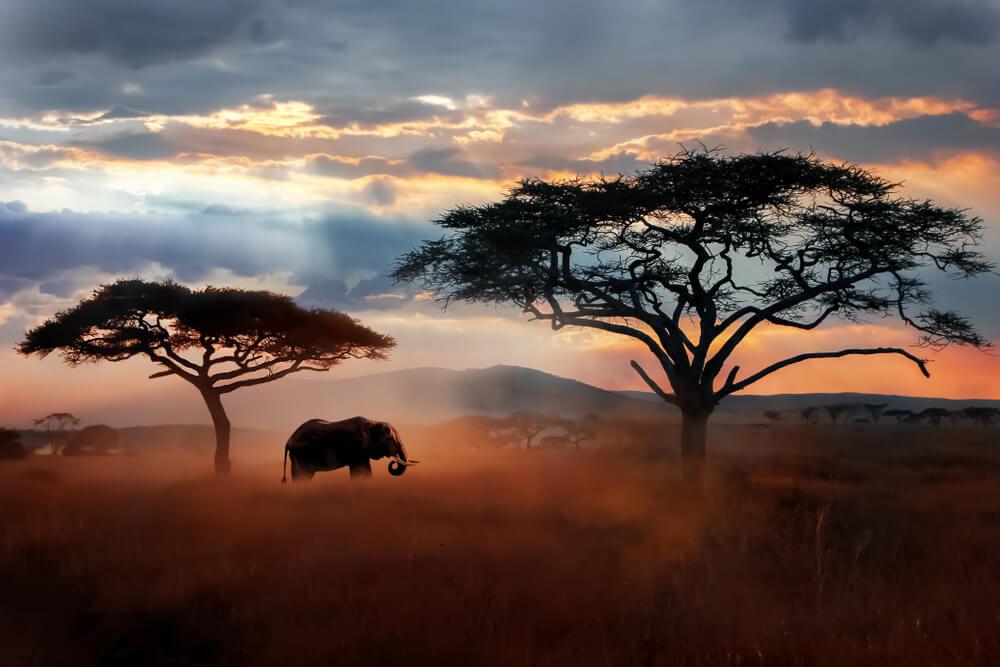
Among Africa’s many hunting destinations, Tanzania can be considered the one to rule them all. Situated within Africa’s Great Lakes region and bordering legendary safari destinations such as Zambia and Mozambique, the country is home to an exceptional variety of dangerous game, plains game, and smaller African species. From Cape buffalo and elephant to kudu and sable, Tanzania hunting safaris are widely regarded as some of the finest and most authentic hunting experiences anywhere in Africa.
But how did Tanzania become the famous safari destination it is today, and what drew the great hunters of old to these wild East African landscapes? Perhaps it was the incredible trophy quality, the vast unfenced wilderness areas, or simply the timeless sense of adventure that still surrounds Tanzania’s hunting concessions today.
[DYNAMIC-BLOGTABLEOFCONTENT]
Key Takeaways
Tanzania has earned a legendary reputation as one of Africa’s most historic and respected hunting safari destinations, attracting famous explorers, professional hunters, writers, and international sportsmen for more than a century. From dangerous game species such as lion, elephant, leopard, and Cape buffalo to exceptional plains game hunting opportunities, the country continues to offer some of the most authentic East African safari experiences available today.
American hunters and international safari enthusiasts are still drawn to Tanzania’s vast unfenced wilderness areas, remote concessions, and world-class trophy quality, while the country’s strict conservation measures, regulated quotas, and wildlife management systems help preserve these iconic hunting areas for future generations.
From Tanganyika to Tanzania: The History of East African Hunting Safaris
The Tanzania hunting safari concept can be traced back millions of years to the earliest known existence of our human ancestors in the region. While the African hunt of today is built on pride and sport, its origins lie in subsistence and survival.
Once the Ugandan Railway was completed around 1900, access to East Africa was greatly increased, and as more people were able to access this destination, the knowledge of Tanganyika’s game animals and its impressive trophies began to gain traction. As areas of East Africa became colonized by the British and German nations, it was soon agreed that the Tanzania hunting safari offering could be turned into a lucrative source of income. In 1909, a £50 permit entitled the holder to the following species:
- 2 x Buffalo
- 1 x Eland
- 6 x Oryx
- 1 x Greater Kudu
- 10 x Topi
- 229 x Other Antelope
- 2 x Hippo
- 22 x Zebra
- 4 x Waterbuck
- 4 x Lesser Kudu
- 26 x Hartebeest
- 86 x Colobus Monkeys
- Unlimited Lion *
- Unlimited Leopard *
* At the time, lions and leopards were considered vermin due to their killing livestock, soldiers, and townspeople.
Another contributor to the early success and popularity of the Tanzania hunting safari was the accessibility provided by the nearby archipelago of Zanzibar.
This collection of small islands became a major gateway into Tanzania thanks to the slave trade, which provided aides and porters to those entering the country to experience an African hunt. Entry through this manner was often considered safer and more reliable as local tribes and their chiefs could be reimbursed (or bribed) with goods brought through by European visitors. This traffic also built a reliable source of income for the merchants who plied their products and services throughout the area’s ports and Stone Town.
In 1964, the then-named Tanganyika Wildlife Department was founded to regulate and formalize the hunting industry in Tanzania. From 1973 to 1978, Tanzania implemented a ban on all game hunting activities within the country. Once the ban was lifted, the industry was overseen by the Tanzania Wildlife Corporation, which in 1988 transferred control to the Department of Wildlife. Today, all safaris and hunts are controlled and guided by the Tanzanian Wildlife Management Authority (TAWA).
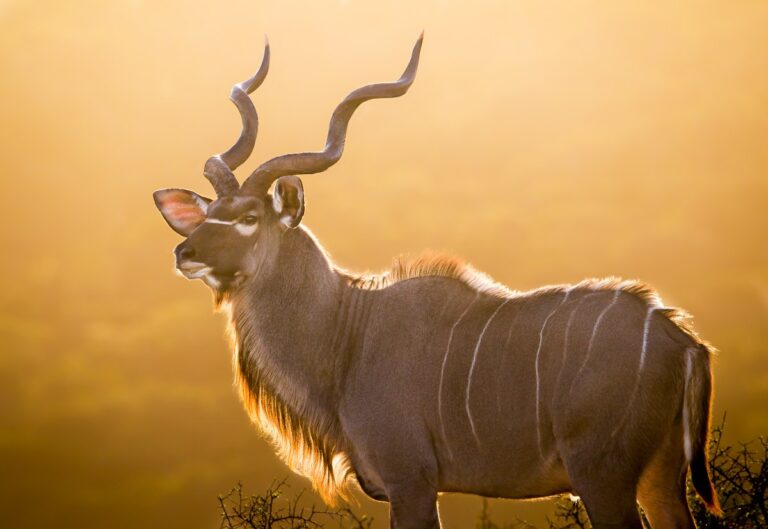
Why Tanzania Became a Legendary Hunting Destination
What influenced this country to become a top game hunting destination in old Africa?
Tanzania’s popularity as a hunting destination could arguably have been influenced by what was called the “Scramble for Africa.” During this time, Western and European nations were colonizing their share of the continent, focusing on East Africa. These “great white hunters,” as they became known, brought with them the idea of sport hunting and the need to derive funds that would support the expansion and protection of their colonies.
The sport of big game hunting carried an air of privilege and a taste of the aristocracy, as it was only available to the rich and connected. To them, a Tanzania hunting safari was an exotic excursion, an expedition into dark Africa, traveling through “a whole new world.” Tanzania’s hunting allure came as much from its vast trophy species as it did from the above. Stories of man-eating lions, massive tusker elephants, and legendary dangerous game hunting safaris in wild East Africa suddenly became accessible to those with both the means and desire to experience these animals firsthand.
News of one’s successful hunting safari in Tanzania, usually accompanied by a select trophy photograph or portrait, was a much bigger affair than it is in today’s world of fast media and served as a massive interest and influence to those back home.
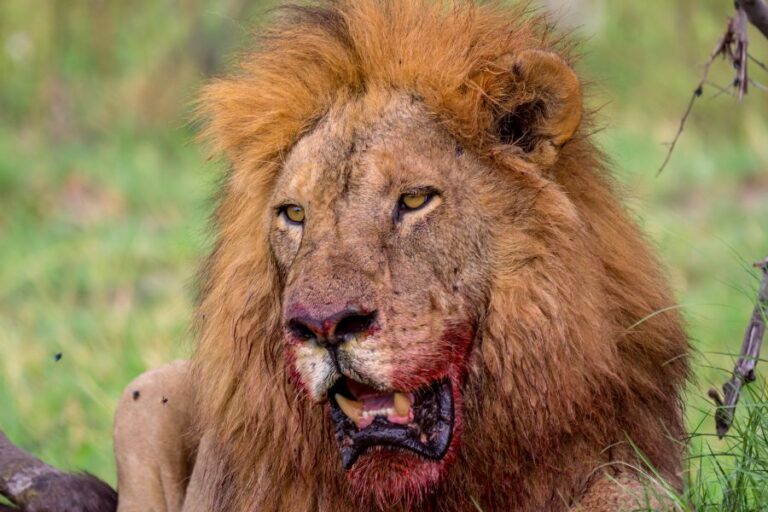
The prominent drawcard to Tanzania’s hunting grounds was the animals, still as popular and prosperous today as they were then, which served as both a challenge and reward to those who tested their skills – and sometimes their limits – in Tanzania’s wild lands. Massive tusker elephants, prized male lion trophies, legendary Cape buffalo hunts, and a variety of exotic African plains game continue to excite hunters just as much now as they did during the golden age of East African safaris.
Notable figures of the African hunt and Pioneers of the hunting safari in Tanzania
Theodore Roosevelt
The former American president’s famous hunting safari in Tanzania during 1909 and 1910 was as much about scientific exploration and discovery as it was about sport hunting. Joined by his son Kermit, Theodore Roosevelt pursued a remarkable variety of African game, including lions, rhinos, hippos, buffalo, and numerous elephant hunts, together with an extensive selection of African plains game species ranging from antelope to warthog. Birds, reptiles, and even fish also formed part of this legendary East African expedition.
While some critics today question the scale of the safari, Roosevelt’s journey relied heavily on the expertise of hundreds of local porters, guides, protection officers, camp staff, and naturalists who assisted the party throughout their nine-month journey across Tanzania and neighboring regions. Their knowledge and experience played a critical role in navigating the remote wilderness areas of East Africa during this period.
This historic expedition helped place Tanzania firmly on the map for future hunters, explorers, and tourists from around the world.
Frederick Selous
An inspiration to man hunters throughout history, Frederick Selous is arguably an embodiment of the saying “man, myth, legend.” Despite being remembered for the sport hunting aspect, another focus of Selous’ hunts was scientific documentation and journaling. Selous was known for providing both private collectors and British museums with numerous specimens, observations, and other knowledge available only to those who would’ve walked the same paths as him.
Today, his legacy lives on through the 21,000 square mile Selous Reserve in Tanzania, where game hunting is still allowed alongside photo tours and general game viewing activities. His name has also been given to animal species such as the Sitatunga’s (Tragelaphus spekii selousi) scientific name and the Selous mongoose.
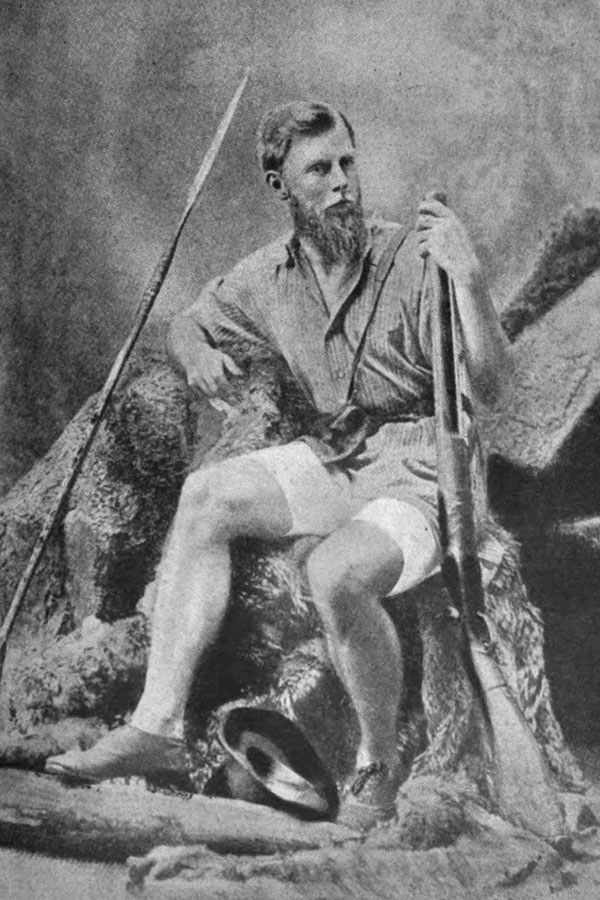
Ernest Hemingway
The respected author saw two significant safaris during his time spent in Africa, the first in 1933 and the second in 1954. Inspired by Theodore Roosevelt, Hemingway tracked his way across Tanzania’s famed Serengeti, where he experienced some of the most legendary lion hunts in Tanzania alongside elephant hunts and numerous African plains game species. The experiences were the inspiration for novels and short works such as Green Hills of Africa and The Snows of Kilimanjaro.
A fun fact related to his Tanzania hunting safari expeditions is that he survived two plane crashes while traveling the continent. One of these crashes resulted in newspapers running his obituary, when in fact the man was alive and well!
David Livingstone
The legendary missionary and abolitionist may be most fondly known for his role in bringing Christianity and medicine to East Africa. However, David Livingstone also had a fondness for African hunting, whether for sport, subsistence, or self-defense. Throughout his travels, David hunted antelope, giraffes, and zebras, as well as lions known for attacking villagers and livestock. He later criticized trophy hunting unless conservation was also taken into account, writing about the importance of preserving both animal populations and the environment.
Preservation for the Future: Conserving the Trophies of Tomorrow
The Tanzania hunting safari might’ve looked a lot different today if it weren’t for the country’s conservation practices and strictly regulated game hunting industry, which has conserved animal populations to the stable and healthy levels we have today. The days of unlimited Lion hunting are far in the rearview, and today’s strict quotas and guidelines ensure future generations will be able to walk in the same footsteps as the famous bygone hunters.
Hunting and Conservation in Tanzania: A Working Relationship between Beast and Man
Income and funds derived from permits and other fees get largely funneled back into TAWA’s anti-poaching programs and community initiatives, as well as other activities like park patrols, habitat conservation, and maintenance work.
Hunting outfitters and other related service providers serve as a lucrative and much-needed source of jobs and training. Those within the immediate community are employed and offered opportunities for community improvement, education, support, and funds for grass-roots projects, resulting in a sense of community pride and involvement in something greater than themselves.
All hunting safaris in Tanzania subscribe to fair chase principles, and a TAWA guide or representative must be present on all hunts to guarantee that all guidelines and processes remain legal and ethical.
These measures may have been laughed at by those who once headed into their African hunt driven by pride and perhaps greed. But Tanzania’s conservation efforts are safeguarding a sometimes fragile industry’s future in a time when so much of our natural world has been plundered.
Modern Tanzania Hunting Safaris Today
Modern Tanzania hunting safaris continue to combine the romance and adventure of old Africa with today’s stricter conservation standards, regulated quotas, and professionally guided safari operations. Hunters visiting Tanzania can expect remote unfenced concessions, experienced professional hunters (PHs), well-managed game populations, and access to some of East Africa’s most iconic dangerous game and plains game species.
For serious collectors and experienced international hunters, Tanzania remains especially attractive due to the diversity of unique East African trophies available throughout the country’s wilderness concessions.
Species such as the gerenuk, fringe-eared oryx, East African impala, lesser kudu, and elusive striped hyena hunts continue to attract hunters seeking trophies rarely encountered elsewhere in Africa. Combined with legendary dangerous game opportunities including Cape buffalo, lion, elephant, and leopard hunting safaris, Tanzania offers one of the most complete and authentic African safari experiences available today.
Hunters interested in how these opportunities are pursued today can explore our Big Game Hunting in Tanzania guide.
In the modern era of hunting in Tanzania, the more things change, the more they stay the same
Hunting in Tanzania has come a long way from its subsistence roots and the gilded age of colonialism. The changes and growth seen in present-day Tanzania have been learned through years of trial and error, experience, and most of all the history of their own country and others that find the hunting industry a major contributor to their economy.
Quotas
The “license” afforded to early hunters, as mentioned previously, wouldn’t be possible or accepted in today’s times. Currently, Tanzania’s Elephant quota is set at 50 (or 100 tusks), with hopes of increasing this figure to 100 Elephants, while the numbers for both Leopard and Lion have been increased, but are still well managed. These quotas can change on a year-to-year basis depending on factors like population size, changes in climate or habitat, and even hunting traffic.
Accommodation
Early accommodation options for those on their African hunt would be considered primitive by today’s standards. While bush camps are still the most common option, today’s camps have amenities such as electricity, satellite connectivity, and private camps with comfortable beds and linen, as well as laundry services. Apart from these bush camps, Tanzania offers luxury lodges and even private houses within the hunting concession or hunting area.
Costs
A standard factor of hunting in Tanzania (and any other destination) is the daily rate. In the early days, this fee was paid to merchants and slave owners to compensate them in return for the hiring of slaves, horses, wagons, and other materials needed for the trip. Similarly, in today’s era, this rate covers the cost of hunting guides, food, and transport, and access to the hunting area.
The Experience
One thing that has probably stayed the most consistent over time is the experience of the safari. The same wonder and wilderness await you now as much as it did for those hundreds of years ago. Whether you’re experiencing the “Brain of Africa” for the first time or making a repeat visit, Tanzania is sure to cast its spell and have you wanting to come for more.
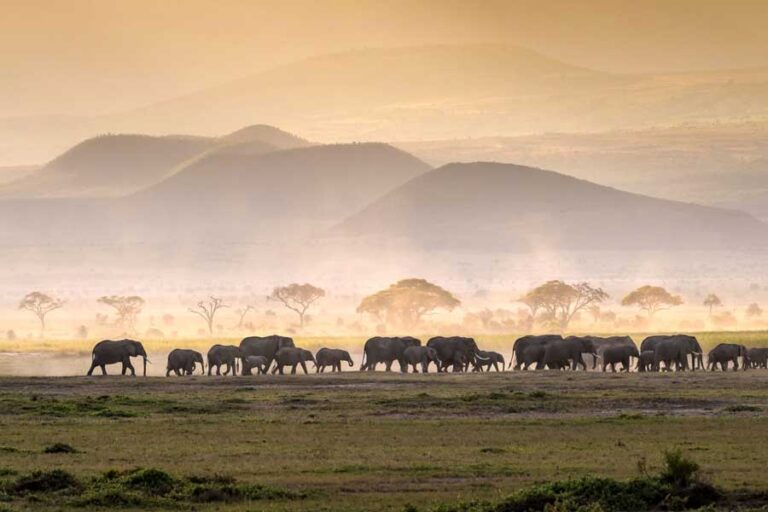
Frequently Asked Questions
Is a Tanzania hunting safari suitable for beginners and intermediate hunters?
Tanzania offers a wide variety of hunting opportunities suitable for both beginner and experienced hunters, depending on the species being pursued and the type of safari selected. Hunters newer to African safaris are often encouraged to begin with shorter plains game-focused safaris targeting species such as antelope, zebra, warthog, and smaller predators before progressing to more physically demanding dangerous game hunts.
What dangerous game and plains game hunting packages are available in Tanzania?
Tanzania offers a wide variety of dangerous game and plains game hunting packages depending on the species being targeted and the duration of the safari. Hunting permits are generally structured around 10-day, 14-day, and 21-day safaris, with longer safaris allowing hunters to pursue iconic dangerous game species such as lion, leopard, elephant, and Cape buffalo alongside numerous African plains game animals.
Does Tanzania still produce high-quality dangerous game and plains game trophies?
Tanzania continues to produce exceptional dangerous game and plains game trophies throughout its remote wilderness concessions and unfenced safari areas. The country remains especially well known for producing outstanding lion, leopard, elephant, and Cape buffalo trophies, together with highly sought-after East African plains game species such as the gerenuk, fringe-eared oryx, East African impala, and lesser kudu.
What unique East African species can hunters pursue in Tanzania?
Tanzania is renowned for offering several highly sought-after East African species that are rarely encountered elsewhere on the continent. These include the gerenuk, fringe-eared oryx, East African impala, lesser kudu, and the elusive striped hyena, together with iconic dangerous game species such as lion, leopard, elephant, and Cape buffalo.
The Legacy of Tanzania Hunting Safaris Lives On
Africa is home to many legendary hunting destinations, but Tanzania continues to stand apart for its rich safari history, exceptional dangerous game opportunities, and deep connection to some of hunting’s most iconic figures. From the era of Theodore Roosevelt, Frederick Selous, and Ernest Hemingway to today’s modern conservation-driven safari industry, Tanzania has remained one of East Africa’s premier hunting destinations. Hunters looking for current information on hunting areas, species, seasons and safari planning can explore our Hunting in Tanzania guide.
Whether pursuing Cape buffalo in remote concessions, tracking elephant through vast wilderness areas, or experiencing the timeless atmosphere of an authentic East African safari, Tanzania continues to offer hunters an unforgettable African hunting experience unlike anywhere else on the continent.
Authors: Pierre van Wyk & Tamlyn van Wyk, Co-Founders of Game Hunting Safaris.
Pierre and Tamlyn van Wyk are passionate African hunting specialists and co-founders of Game Hunting Safaris, with extensive experience across many of Africa’s leading dangerous game and plains game destinations. Their expertise includes African hunting safaris, trophy species, safari planning, conservation-focused hunting practices, and destination-specific hunting opportunities throughout Southern and East Africa.