
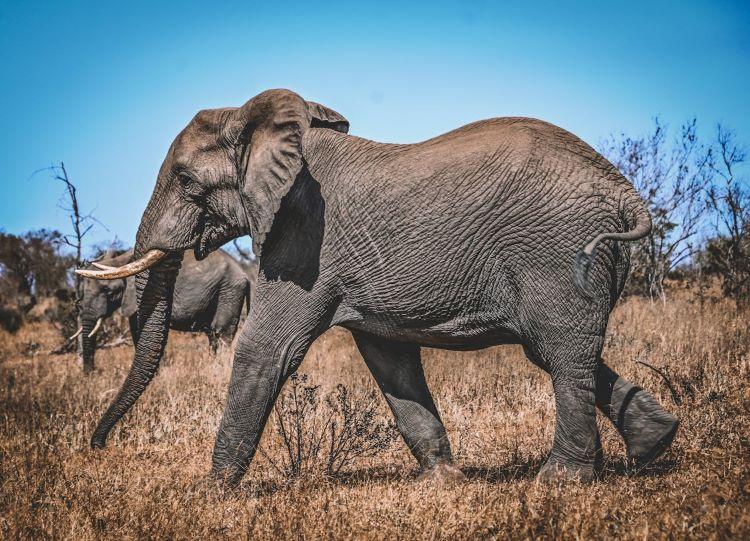
Preparing for an elephant hunting safari in Botswana involves far more than simply booking a hunt and arriving in camp. For many American hunters, Botswana represents one of the most exclusive and physically demanding dangerous game experiences left in Africa, with remote wilderness concessions, strict quota systems, and traditional tracking hunts often conducted on foot in thick bushveld and floodplain terrain.
Unlike more commercial safari destinations, elephant hunting in Botswana typically requires advance planning, realistic expectations, and a clear understanding of the physical, logistical, and mental demands involved in pursuing mature bulls under genuine free-range conditions.
From selecting the right outfitter and preparing suitable rifles to understanding travel logistics, hunting conditions, and close-range shot opportunities, proper preparation plays a major role in the overall safari experience. Hunters researching elephant hunts or comparing different options for hunting in Botswana should understand that Botswana safaris are structured around lower hunting pressure, limited quota availability, and more traditional wilderness hunting conditions than many neighboring countries.
For hunters considering their first Botswana hunting safari, understanding what to expect before arriving can help avoid common mistakes and make the experience far more rewarding once boots finally hit the ground in elephant country.
[DYNAMIC-BLOGTABLEOFCONTENT]
Physical and Mental Preparation for an Elephant Hunt in Botswana
One of the biggest mistakes first-time dangerous game hunters make is underestimating how physically and mentally demanding elephant hunting in Botswana can become once tracking begins.
Unlike many plains game safaris where large areas may be covered by vehicle, elephant hunts in Botswana are built around long hours of tracking on foot through mopane bushveld, floodplains, dry river systems, and deep Kalahari sand. Depending on the concession and the movement of the bulls, hunters may spend entire days covering ground in hot conditions before getting a realistic shooting opportunity.
For American and international hunters arriving from colder climates or desk-based professions, the combination of heat, adrenaline, uneven terrain, and carrying a heavy rifle can become exhausting far quicker than expected. Physical preparation before the safari makes a significant difference.
Cardiovascular conditioning, long-distance walking, leg strength, and overall stamina are all important — particularly for hunters planning traditional free-range elephant hunts where tracking pressure can build quickly once fresh spoor is located. Many professional hunters recommend spending several months preparing physically before arriving in Botswana, especially for older hunters or anyone unfamiliar with extended walking in African bush conditions.
Mental preparation matters just as much.
Elephant hunting is slow, methodical, and unpredictable. Hunters may track bulls for hours without ever getting a clear shot opportunity, and close-range encounters inside thick cover can become intense very quickly. In many situations, shot opportunities happen fast and under significant pressure, leaving little time for hesitation once the professional hunter gives the signal to shoot.
This is where rifle familiarity becomes critical.
Hunters who arrive confident with their rifle, recoil management, shooting sticks, and follow-up shot placement tend to perform far better under pressure than hunters simply carrying the largest caliber they could find before the hunting trip. Elephant hunting is rarely about long-range shooting. In thick bushveld or riverine cover, opportunities can develop at surprisingly close distances where calm decision-making and accurate shot placement matter far more than raw rifle power alone.
For hunters, the real challenge of elephant hunting in Botswana is not simply finding a mature bull — it is remaining physically composed and mentally focused once the tracking becomes serious and the distance between hunter and elephant starts closing quickly.
Choosing the Right Rifle for an Elephant Hunt in Botswana
One of the common mistakes hunters make when preparing for an elephant hunt is choosing a rifle based purely on caliber reputation rather than practical shooting confidence under real hunting conditions.
The “best” elephant rifle often depends less on internet debate and far more on how the hunt is expected to unfold once tracking begins on the ground.
Botswana elephant hunts are rarely static shooting situations. Hunters may spend hours tracking bulls through mopane bush, dry riverbeds, or thick riverine cover before suddenly finding themselves inside extremely close shooting distances where fast target acquisition, composure, and shot placement become far more important than simply carrying the largest rifle available.
For hunters expecting traditional close-range tracking conditions, professional hunters favor larger stopping calibers such as the .470 Nitro Express, .500 Nitro Express, or .458 Lott due to their heavy frontal energy and effectiveness during close encounters in thick cover. These rifles are often preferred when shots may occur at 20 to 40 yards and immediate stopping power becomes a serious consideration.
At the same time, not every hunter is comfortable shooting heavy-caliber rifles accurately under pressure.
Experienced elephant hunters continue to use rifles such as the .375 H&H or .416 Rigby effectively because they can shoot them confidently, recover quickly between shots, and place bullets accurately when opportunities develop fast at close range.
That matters more than many hunters realize.
A rifle that produces excessive recoil, poor shooting habits, or hesitation under pressure becomes a liability during an elephant hunt — particularly once adrenaline starts building and the distance between hunter and bull begins closing inside thick bushveld terrain.
Hunters preparing for these dangerous game hunts should spend time practicing realistic field shooting positions long before arriving in camp. Shooting sticks, quick target acquisition, controlled follow-up shots, and recoil management are all far more important than bench-rest accuracy alone.
Optics are another area where first-time dangerous game hunters may tend to overcomplicate things.
While low-powered scopes or red-dot optics can work well in more open terrain, Botswana elephant hunts still unfold at very close distances where simplicity, speed, and reliability become critical. In thick cover, some hunters continue to prefer express sights or lightweight low-magnification optics that allow for fast sight picture acquisition during sudden encounters.
Regardless of caliber or rifle setup, proper elephant shot placement remains the single most important factor in a successful hunt. Even the largest dangerous game calibers cannot compensate for poor shot placement under pressure, particularly during close-range encounters inside heavy cover. Hunters preparing for elephant hunts should spend time understanding elephant anatomy, brain-shot angles, and presentation before arriving in camp.
Travel Logistics and Bringing Rifles to Botswana
For many American hunters, the most stressful part of preparing for an elephant hunting safari begins long before stepping into the bush.
Traveling internationally with rifles, ammunition, and hunting equipment requires planning, particularly when connecting through multiple countries or moving through major African transit hubs such as Johannesburg.
One of the biggest mistakes hunters make is assuming firearm travel to Africa works the same way as domestic airline travel in the United States. It does not.
Firearm paperwork, temporary import permits, ammunition restrictions, baggage weight limits, and airline-specific policies can vary significantly depending on the carrier and route being used. Hunters traveling to Botswana should begin organizing rifle documentation and travel logistics several months before departure to avoid unnecessary complications closer to the safari date.
Outfitters recommend limiting equipment to what is actually necessary for the hunt. Large dangerous game rifles, ammunition, optics, and hunting gear become heavy once additional charter flights and small bush aircraft are involved. In remote Botswana concessions, strict baggage weight limits are common, particularly when chartering into isolated hunting areas near the Okavango Delta or northern river systems.
Hunters should also spend time practicing with the exact rifle setup they intend to travel with rather than switching equipment shortly before the safari. Confidence and familiarity matter far more than bringing the newest rifle or optic combination into dangerous game country for the first time.
Travel fatigue is another factor many first-time African hunters underestimate.
Long international flights, overnight layovers, customs procedures, rifle clearances, and charter transfers can leave hunters physically drained before the safari even begins. Arriving a day early before entering camp is often one of the smartest decisions hunters can make, particularly before physically demanding elephant hunts where tracking may begin immediately after arrival.
Most importantly, hunters should work closely with experienced outfitters and booking agents familiar with Botswana firearm import procedures and current airline requirements. Regulations can change, and having professional guidance before departure can prevent small paperwork mistakes from turning into major travel problems once rifles and ammunition are involved internationally.
Hunters should also understand that Botswana maintains strict regulations regarding acceptable dangerous game firearms and hunting methods. Muzzleloaders are prohibited for elephant hunting under current wildlife regulations, and while bowhunting may be permitted under certain conditions and permit structures, dangerous game hunts involving archery equipment remain highly specialized and far less common than traditional rifle safaris. Hunters considering alternative hunting methods should always confirm current regulations directly with their outfitter before making travel arrangements.
What First-Time Hunters Often Underestimate
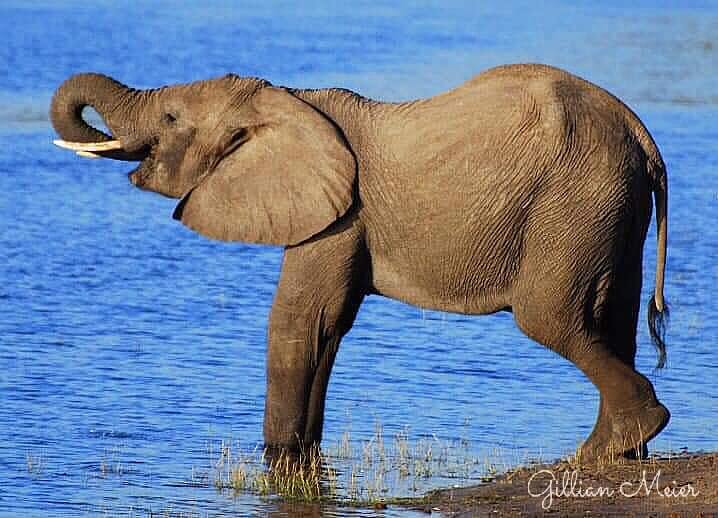
Most hunters preparing for their first elephant hunt in Botswana expect the physical demands long before they arrive in camp. They prepare for the walking, the heat, the heavy rifles, and the pressure that comes with hunting dangerous game at close range. What many do not fully anticipate is the emotional weight that often comes with finally standing in front of a mature elephant bull after the tracking is over.
Elephants affect people differently.
Even experienced hunters who have pursued dangerous game across Africa are often surprised by how personal the experience feels once they are close to an old bull in thick cover. The intelligence, awareness, and sheer presence of an elephant at close distance creates a different atmosphere than many hunters expect beforehand, particularly after spending hours or even days tracking the animal through remote wilderness terrain.
For some hunters, the moment after the shot is not excitement so much as reflection.
Professional hunters who have guided elephant safaris for years will often tell you the same thing — many first-time elephant hunters become unexpectedly emotional afterward. Some quietly sit beside the bull for a long time without saying much at all. Others struggle to explain exactly what they are feeling in the moment. It is not uncommon for hunters who once imagined taking multiple elephants to eventually decide that one elephant hunt was enough for a lifetime experience.
Not because the hunt was disappointing, but because it carried far more emotional gravity than they expected beforehand.
That emotional side of elephant hunting is something many articles and videos never really discuss honestly enough. While all dangerous game deserves respect, there is something uniquely powerful about spending days tracking a mature elephant through Botswana’s wilderness before finally standing beside the animal once the hunt is over.
Understanding that reality beforehand is just as important as physical preparation, rifle selection, or shooting ability. For many hunters, elephant hunting in Botswana becomes less about simply taking a trophy and far more about experiencing one of the last truly wild dangerous game hunts still left in Africa.
Tracking Conditions and Shot Opportunities During an Elephant Hunt
A reality that many hunters may not fully understand after arriving in Botswana is just how slow and methodical elephant tracking can become once fresh spoor is located.
Contrary to what many first-time hunters expect, elephant hunting is rarely fast-paced. A mature bull may cover enormous distances during the night, feeding through mopane woodland, crossing dry river systems, or moving between water sources long before trackers ever cut a fresh track in the morning. Once spoor is found, the pace of the hunt often changes completely.
In the early stages of tracking, movement can feel almost relaxed. Trackers study the age of spoor, feeding sign, broken branches, and ground disturbance while gradually determining the direction, size, and speed of the bulls being followed. But as the tracks begin freshening and the distance starts closing, everything slows down.
Conversations become quieter and movement becomes deliberate. The light breeze suddenly matters far more than most hunters expect.
Trackers constantly watch shifting air currents because elephants detect scent exceptionally well, and a single bad wind change can end hours of careful tracking within seconds. In bushveld or riverine cover, hunters will often hear elephants long before they ever see them. The sound of branches breaking, low rumbles, feeding movement, or dust being thrown can quickly raise the pressure level once the trackers know the bulls are close.
This is where many first-time elephant hunters become surprised by how quickly situations can change.
After hours of slow tracking, the final approach may suddenly unfold at close range with limited visibility and only narrow shooting windows between brush, trees, and moving animals. Hunters may only see portions of the bull at first — the curve of a tusk, part of a shoulder, or movement through mopane before the professional hunter decides whether the approach should continue. Understanding proper elephant shot placement becomes critically important, particularly when angles, visibility, and distance can change within seconds during close-range encounters.
Shot opportunities themselves are often far less predictable than hunters imagine beforehand.
A mature bull may pause briefly before disappearing back into cover, change direction unexpectedly, or position itself poorly for several minutes while the hunting team waits for a clear angle. Hunters may spend many days tracking elephants before ever receiving a shot opportunity they feel comfortable taking.
That unpredictability is part of what makes elephant hunting in Botswana so mentally demanding.
Success is rarely just about finding elephants. It often comes down to patience, discipline, wind awareness, and the ability to remain calm once the tracking slows, visibility tightens, and the moment hunters have spent years imagining finally begins developing in front of them at very close range.
Final Thoughts on Preparing for an Elephant Hunt in Botswana
For many American sport hunters, the idea of hunting elephant in Botswana begins years before the safari itself ever happens. It starts quietly — reading old hunting stories late at night, watching Africa footage on a phone screen after work, or sitting alone in a truck thinking about one last truly wild hunt still left in the world.
This is ultimately what draws hunters to Botswana.
Not simply the size of the tusks or the reputation of dangerous game hunts, but the opportunity to experience something that still feels genuinely untamed in a modern world where very little does anymore.
Elephant hunting in Botswana is not always comfortable. The tracking can be physically exhausting, the pressure intense, and the emotional weight of the experience far greater than many hunters expect beforehand. But for hunters willing to prepare properly, understand the realities of the hunt, and respect both the animal and the responsibility involved, Botswana still offers one of the most authentic dangerous game hunting experiences remaining anywhere in Africa.
Long after the flights home, taxidermy decisions, and safari photographs are finished, most hunters remember something far simpler — the sound of trackers moving quietly through mopane leaves, the smell of dust and elephant in thick bushveld air, and the moment the distance between hunter and bull finally disappeared after years of imagining what that encounter might feel like.
Frequently Asked Questions About Preparing for an Elephant Hunt in Botswana
How physically demanding is an elephant hunt in Botswana?
Elephant hunting in Botswana can be far more physically demanding than many first-time hunters expect. Traditional free-range hunts often involve long hours of tracking on foot through mopane bushveld, dry river systems, floodplains, and deep Kalahari sand in hot conditions. Depending on the concession and movement of the bulls, hunters may spend entire days tracking elephants before receiving a realistic shot opportunity. Physical conditioning before the safari can make a major difference once tracking begins.
What caliber rifle is best for elephant hunting in Botswana?
The best rifle for elephant hunting in Botswana depends heavily on the hunter’s experience, confidence, and the type of hunting conditions expected during the safari. While larger stopping calibers such as the .470 Nitro Express, .500 Nitro Express, and .458 Lott remain popular for close-range dangerous game encounters, many experienced hunters continue to use rifles such as the .375 H&H and .416 Rigby very effectively. In Botswana, accurate shot placement and familiarity with the rifle matter far more than simply carrying the largest caliber available.
How close are most elephant shot opportunities in Botswana?
Many elephant hunts in Botswana unfold at surprisingly close distances once tracking becomes serious. In thick bushveld or riverine cover, shot opportunities may develop inside 20 to 50 yards with limited visibility and only narrow shooting windows through brush and trees. Hunters often hear elephants long before they ever see them, particularly during the final stages of a stalk. These close-range conditions are one reason why calm decision-making and proper elephant shot placement become so important during dangerous game hunts.
Is elephant hunting in Botswana emotionally difficult for first-time hunters?
For many hunters, the emotional side of elephant hunting becomes one of the most unexpected parts of the entire experience. Even experienced dangerous game hunters are often surprised by the emotional weight that comes with standing beside a mature elephant bull after days of tracking through remote wilderness terrain. Professional hunters frequently describe first-time elephant hunters becoming quiet, reflective, or unexpectedly emotional after the hunt, particularly because of the intelligence, size, and presence elephants carry at close range.
What should American hunters know before traveling to Botswana with rifles?
Traveling internationally with dangerous game rifles requires far more preparation than most domestic hunting trips in the United States. Hunters traveling to Botswana should begin organizing firearm paperwork, airline requirements, ammunition restrictions, and temporary import documentation several months before departure. Additional charter flights into remote hunting concessions may also involve strict baggage weight limits, making careful equipment planning extremely important before arriving in Africa.
Author Note:
Pierre van Wyk, co-founder of Game Hunting Safaris, has extensive experience hunting dangerous game throughout Africa, including elephant, buffalo, crocodile, hippo, and other iconic dangerous game species across multiple African countries.