
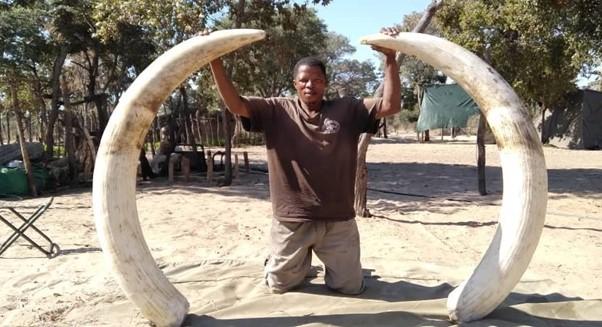
Botswana’s approach to elephant conservation is often misunderstood outside Africa, particularly by people unfamiliar with the realities of managing one of the largest free-ranging elephant populations left in the world. While elephant hunting remains controversial internationally, regulated elephant hunts continue to play a significant role in Botswana’s broader wildlife management strategy, especially in remote rural areas where human-elephant conflict, habitat pressure, and conservation funding remain ongoing challenges.
For international hunters researching elephant hunting in Botswana or comparing different elephant hunts across Africa, the conversation around conservation is impossible to ignore. Botswana is home to more than 130,000 elephants, and in some regions elephant densities have created growing pressure on habitats, farming communities, water infrastructure, and other wildlife species sharing the same ecosystems.
This is one of the reasons Botswana eventually reversed its earlier hunting ban and reopened regulated elephant hunts under strict quota systems and government oversight. Supporters argue that carefully controlled hunting generates conservation revenue, supports anti-poaching operations, creates economic value for remote wildlife areas, and gives rural communities stronger incentives to tolerate living alongside large elephant populations.
Critics, however, continue to question the ethics of elephant hunting altogether, particularly because elephants carry such strong emotional and symbolic importance globally.
The reality inside Botswana is often far more complex than the simplified arguments presented internationally.
Understanding how regulated elephant hunts fit into Botswana’s broader conservation strategy requires looking beyond emotion alone and examining the practical wildlife management challenges the country continues to face on the ground today.
[DYNAMIC-BLOGTABLEOFCONTENT]
Why Botswana Reopened Elephant Hunting
Botswana originally suspended elephant hunting in 2014 following growing international pressure around wildlife protection and photographic tourism. The decision was widely praised internationally, particularly by groups opposed to all forms of elephant hunting across Africa.
Inside Botswana itself, the situation became far more complicated over the following years.
Botswana holds the largest free-ranging elephant population in Africa, with elephant numbers heavily concentrated in certain northern regions near farming communities, water systems, migration corridors, and rural villages. As elephant populations continued increasing in some areas after the hunting suspension, reports of crop destruction, damaged infrastructure, water access problems, and dangerous human-elephant encounters also increased across parts of rural Botswana.
For people living outside Africa, human-elephant conflict can sometimes sound abstract or exaggerated when discussed online. But for many rural communities sharing daily space with large elephant populations, the reality can be very different. Elephants are capable of destroying crops overnight, damaging fencing and water installations, and creating serious safety risks in areas where people live, farm, and move on foot regularly.
This growing pressure eventually led Botswana’s government to conduct a nationwide review involving conservation authorities, wildlife specialists, and local communities directly affected by elephant populations. One of the strongest themes raised during the review was that many rural communities felt they were carrying the burden of living alongside elephants while receiving few meaningful economic benefits in return.
In 2019, Botswana officially lifted the hunting suspension and reopened regulated elephant hunting under strict quota systems and government oversight.
Supporters of the decision argued that controlled elephant hunts could help generate conservation revenue, create employment in remote wildlife areas, support anti-poaching operations, and provide rural communities with stronger economic incentives to tolerate large elephant populations living alongside them.
Critics, however, continued questioning whether elephant hunting should exist at all, particularly given the animal’s intelligence, social behavior, and global symbolic importance.
That debate still exists today.
The discussion around elephant hunting is often less about ideology and far more about balancing wildlife conservation with the realities faced by communities living alongside one of Africa’s largest elephant populations every day.
The debate became internationally visible again in 2024 when Botswana’s President Mokgweetsi Masisi responded to criticism from European governments over elephant hunting policies by suggesting that countries opposed to Botswana’s wildlife management approach were welcome to accept thousands of elephants themselves. While partly made in frustration, the remarks highlighted the growing divide between international perceptions of elephant conservation and the realities faced by countries managing large free-ranging elephant populations on the ground.
Supporters of Botswana’s policy also point out that the number of regulated elephant permits issued annually remains extremely small compared to the country’s overall elephant population growth through natural breeding. While elephant hunting remains emotionally controversial in many parts of the world, supporters argue that carefully controlled quotas have little overall impact on Botswana’s long-term elephant population trends, particularly in regions where elephant numbers continue expanding faster than habitats and rural communities can comfortably support.

Human-Elephant Conflict in Rural Botswana
One of the most misunderstood parts of Botswana’s elephant conservation debate is the reality faced by rural communities living alongside large free-ranging elephant populations every day.
For many people outside Africa, the phrase “human-elephant conflict” can sound distant or overly simplified when discussed online. The situation is often far more complex, not because elephants are inherently destructive animals, but because both elephant populations and human pressures continue expanding across many of the same landscapes.
Botswana’s elephant conservation success has allowed elephant numbers to recover and remain stable across wilderness regions, particularly in northern parts of the country surrounding the Okavango Delta, Chobe region, and major migration corridors. At the same time, rural communities continue relying on farming, livestock, water infrastructure, and expanding settlements within or alongside many of these same ecosystems.
As available space becomes increasingly pressured, interactions between people and elephants naturally become more common.
In some rural areas, elephants may move through crop fields at night, damage fencing and water installations, or create dangerous situations for people traveling on foot between villages and farming areas. During drought periods, both wildlife and human communities also depend on the same limited water sources, increasing pressure further in already fragile environments.
At the same time, many conservation officials and wildlife specialists are careful to point out that elephants themselves are not “to blame” for these situations. Much of the pressure comes from shrinking habitat availability, expanding human development, blocked migration routes, and the growing challenge of balancing long-term conservation success with modern land use demands across Africa.
This is one of the reasons Botswana’s conservation debate is often far more complicated than it appears internationally.
Protecting elephants successfully requires more than preserving the animals themselves. It also requires maintaining enough local support for communities willing to live alongside large wildlife populations over the long term. Without that support, even successful conservation programmes can become increasingly difficult to sustain politically, economically, and socially in rural areas most directly affected by wildlife pressure.
For Botswana, the challenge is not simply conserving elephants, it is finding realistic ways for both elephants and people to continue sharing the same landscapes into the future.
How Regulated Elephant Hunts Support Conservation Funding
One of the realities often overlooked in international discussions around elephant hunting is the enormous cost involved in protecting and managing large remote wilderness areas across Africa.
Maintaining anti-poaching patrols, wildlife monitoring programmes, concession infrastructure, staff employment, vehicles and roads across the vast unfenced areas used for Dangerous Game Hunts requires significant long-term funding.
While Botswana’s photographic safari industry plays a major role in the country’s tourism economy, not every wildlife area is equally suited to high-end photographic tourism. Some hunting concessions are extremely remote, difficult to access, heavily seasonal, or lack the infrastructure needed to support large volumes of non-hunting tourism consistently throughout the year.
This is where regulated elephant hunts continue playing an important economic role within certain conservation areas.
A small number of elephant hunts can generate substantial revenue from relatively few clients while placing limited overall pressure on the landscape itself. Supporters of Botswana’s model argue that this revenue helps keep remote wildlife areas economically viable, supports year-round conservation presence in wilderness regions, and provides employment opportunities in places where alternative economic activity may remain limited.
Critics, however, continue questioning whether hunting revenue alone justifies the ethical concerns surrounding elephant hunting.
That debate remains ongoing internationally, but within Botswana the conversation is often tied as much to long-term conservation economics as it is to wildlife management itself.
Why Elephant Hunting Creates Such Strong Global Reactions
Few wildlife topics create stronger emotional reactions internationally than elephant hunting.
Part of that response comes from the elephant itself. Elephants are widely viewed as intelligent, social, emotionally aware animals, and for many people around the world they represent far more than just another wildlife species. Images of elephant families, complex herd behavior, and long lifespans naturally create strong emotional connections, particularly among people who may never experience African wildlife outside documentaries, photography, or tourism campaigns.
Much of the global debate around elephant hunting takes place far from the rural African communities actually living alongside large elephant populations every day.
This is one of the reasons opinions around Hunting in Botswana and the country’s elephant management policies often become deeply divided internationally. For some people, elephant hunting is viewed entirely through an emotional or ethical lens. For others, particularly many wildlife authorities, rural communities, and conservation operators inside Africa, the conversation is often shaped more by long-term wildlife management realities, conservation funding, habitat pressure, and coexistence challenges on the ground.
Neither perspective exists in complete isolation from the other.
This complexity is part of what continues making elephant conservation one of the most debated wildlife issues in modern Africa today.

The Complex Reality of Elephant Conservation in Botswana
Botswana’s elephant conservation debate is unlikely to become less emotional anytime soon.
Elephants hold symbolic importance globally, and strong opinions around elephant hunting will probably always exist both inside and outside Africa. At the same time, Botswana continues facing the practical realities of managing one of the world’s largest free-ranging elephant populations across landscapes shared with rural communities, farming areas, migration corridors, and remote wilderness ecosystems.
That complexity is what often gets lost in simplified international discussions surrounding elephant hunting.
For Botswana, the conversation is rarely focused on hunting alone. It is also tied to long-term conservation funding, habitat pressure, anti-poaching efforts, rural livelihoods, tourism economics, and the ongoing challenge of maintaining enough local support for wildlife conservation in areas where people and elephants continue living side by side.
Whether someone supports elephant hunting or opposes it entirely, the broader conservation realities facing Botswana are far more complicated than people initially realize from a distance.
Perhaps that is the most important thing to understand about Botswana’s elephant conservation model, there are no easy solutions, only difficult long-term decisions shaped by wildlife, people, economics, and the realities of modern Africa itself.
Hunters looking for practical information about hunting areas, permits, methods and trophy expectations can read our complete Elephant Hunting in Botswana guide. Those ready to compare available species, destinations and safari structures can also explore our current Hunting Trips.
Frequently Asked Questions About Elephant Conservation and Hunting in Botswana
Why did Botswana reopen elephant hunting after banning it?
Botswana suspended elephant hunting in 2014 but reopened regulated elephant hunts in 2019 after growing concerns around rising elephant populations, increasing human-elephant conflict, and pressure from rural communities living alongside large elephant herds. The government conducted a nationwide review involving conservation authorities, wildlife specialists, and local communities before deciding to reintroduce hunting under strict quota systems and government oversight.
Does elephant hunting in Botswana actually help conservation?
Supporters of Botswana’s conservation model argue that regulated elephant hunting helps generate revenue for anti-poaching operations, wildlife management, remote concession protection, and rural employment. Hunting income can also help maintain conservation presence in wilderness areas that may not be financially sustainable through photographic tourism alone. Critics, however, continue debating whether the ethical concerns surrounding elephant hunting outweigh the financial conservation benefits.
How many elephants are hunted in Botswana each year?
The number of regulated elephant hunting permits issued annually in Botswana remains very small compared to the country’s overall elephant population, which is estimated to exceed 130,000 animals. Supporters of regulated hunting often point out that elephant populations in some regions continue growing through natural breeding at a rate far higher than annual hunting quotas.
Why is elephant hunting in Botswana so controversial internationally?
Elephant hunting creates strong emotional reactions globally because elephants are widely viewed as intelligent, social, emotionally aware animals. Many people outside Africa see elephant hunting primarily through an ethical or emotional lens, while conservation authorities and rural communities inside Botswana often focus more on wildlife management realities, habitat pressure, conservation funding, and human-elephant coexistence challenges. These very different perspectives are one reason the debate remains deeply divided internationally.
What is human-elephant conflict in Botswana?
Human-elephant conflict refers to situations where growing elephant populations increasingly interact with farming communities, villages, livestock areas, and water infrastructure. In some rural parts of Botswana, elephants may damage crops, destroy fencing, interfere with water systems, or create dangerous situations for people living and working near migration corridors and wilderness regions. Conservation officials generally agree that the challenge is not caused by elephants alone, but also by increasing pressure on land, shrinking habitat availability, and expanding human development across shared landscapes.
Can photographic tourism alone fund elephant conservation in Botswana?
Botswana has one of Africa’s strongest photographic safari industries, particularly around the Okavango Delta and Chobe region. However, not all remote wildlife concessions are equally suited to photographic tourism. Some conservation areas are extremely isolated, heavily seasonal, or difficult to access consistently. Supporters of regulated elephant hunts argue that hunting revenue helps keep certain remote wilderness areas economically viable while supporting year-round conservation operations and anti-poaching efforts.
Why do rural communities support elephant hunting in some parts of Botswana?
Support for elephant hunting among rural communities is often tied to economics and coexistence realities rather than hunting itself. In areas heavily affected by elephant pressure, some communities support regulated hunting because it can generate employment, meat distribution, infrastructure funding, and direct conservation revenue in regions where living alongside large elephant populations carries daily risks and economic costs.
Author Note:
Pierre van Wyk is the co-founder of Game Hunting Safaris and has extensive experience hunting dangerous game across several African countries, including elephant, buffalo, crocodile, hippo, and other dangerous game species. His experience in African hunting and conservation helps shape the practical perspective behind Game Hunting Safaris content.