
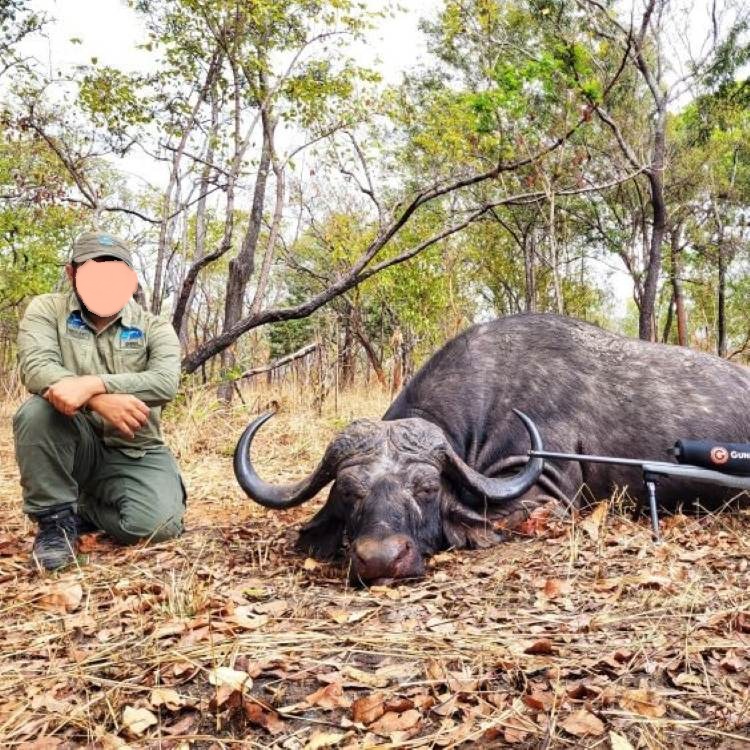
A hunter arriving in Tanzania may think his safari begins when he reaches camp. Much of the work that determines what happens during those first few hunting days has already been underway for weeks leading up to the safari.
This matters when Hunting in Tanzania, where hunting concessions are large and remote. You cannot arrive on the first morning, look at 1,000 square miles of country and simply decide to start searching for buffalo. Roads need to be accessible, vehicles and equipment prepared, permits and hunting licences must be in place, quota needs to be confirmed, and enough fuel, food and supplies must be in camp to keep the safari running.
Closer to the hunter's arrival, the work becomes focused on what is happening in the hunting area right now. Scouts may be checking water, roads and fresh tracks. Where buffalo are a priority, trackers can begin looking for recent herd movement days before the client arrives. Communities around the hunting area may also be asked to report fresh sign, recent sightings or problem animals moving close to villages or crops. These communities have good reason to remain involved.
Hunting provides meat following a successful safari, while revenue and other benefits from hunting areas can contribute to local communities. When an elephant, buffalo or other animal is causing problems, information can travel quickly between the community, scouts and hunting team.
Lion and leopard can require another layer of preparation, with baits, tracks and other field information helping the Professional Hunter understand which animals are currently using different parts of the concession.
None of this means the hunt has been completed before the hunter gets there. A buffalo herd can move, yesterday's lion tracks can disappear and a road can become unusable after heavy rain.
What it does mean is that the PH doesn't have to start a Big Game Hunting in Tanzania safari with a blank map and several hundred square miles of country to search.
By the time the hunter climbs into the Land Cruiser on his first morning, his safari has already been underway for quite some time.
The Paperwork Starts Months Before the Hunt
A Tanzania hunting safari involves more paperwork than simply arriving with a passport and rifle. Hunting licences, firearm documentation, species permits where required and the quota allocated to the hunting area all need to be dealt with before the safari begins.
Quota is particularly important. A species occurring in a concession does not automatically mean that it is available to hunt. The outfitter needs to confirm that quota has been allocated for the species included in the hunter's safari and that the necessary paperwork can be issued.
The hunter should also confirm that his own hunting licence and applicable permits have been secured before travelling. Do not assume that because the safari has been booked and the deposit paid, every piece of paperwork is automatically in place.
The same applies when bringing a rifle into Tanzania. The outfitter will normally assist with the required documentation, but copies of the relevant permits and licences should be checked before the hunter boards his flight.
A missed day because a vehicle needs a repair is frustrating. Arriving in Tanzania without the paperwork required to legally begin the hunt is a considerably bigger problem.
Scouts Will Be Working the Hunting Area Before You Arrive
In Tanzania's large concessions, finding game cannot begin from scratch on the first morning. Some areas cover well over 1,000 square miles, and sending a hunting vehicle out to randomly search that amount of country would waste valuable hunting days.
Where Cape Buffalo Hunting in Tanzania is a priority, scouts and trackers will already be working likely areas before the commencement of the safari. They will check water, roads and known trails for fresh spoor, follow tracks where necessary and build a picture of where buffalo have been moving during the days leading up to the safari.
This is important in areas such as Maasailand. Buffalo can cover long distances, and knowing where a herd was several weeks ago means little when the hunter arrives. Fresh information gives the Professional Hunter somewhere sensible to begin. This preparation becomes particularly important on Cape Buffalo Hunts, where recent spoor and herd movement can determine where the first day's tracking begins.
Shaw & Hunter Outfitters confirmed this to Game Hunting Safaris during our recent expedition in Tanzania. Their scouts begin looking for buffalo days before a client arrives, providing the hunting team with current information from the concession rather than starting the safari cold. That does not mean somebody has found a trophy bull and is waiting beside it for the hunter to arrive. As much as every buffalo hunter would like a 44-inch dagga boy tied to a tree before he gets there, that is not how it works. Buffalo move. Tracks are lost. Herds split, change direction or disappear into country that may take hours to reach.
The hunter still must find and hunt his buffalo. The difference is that the team has already started looking.
Roads and Access Need to Be Checked Before the Safari
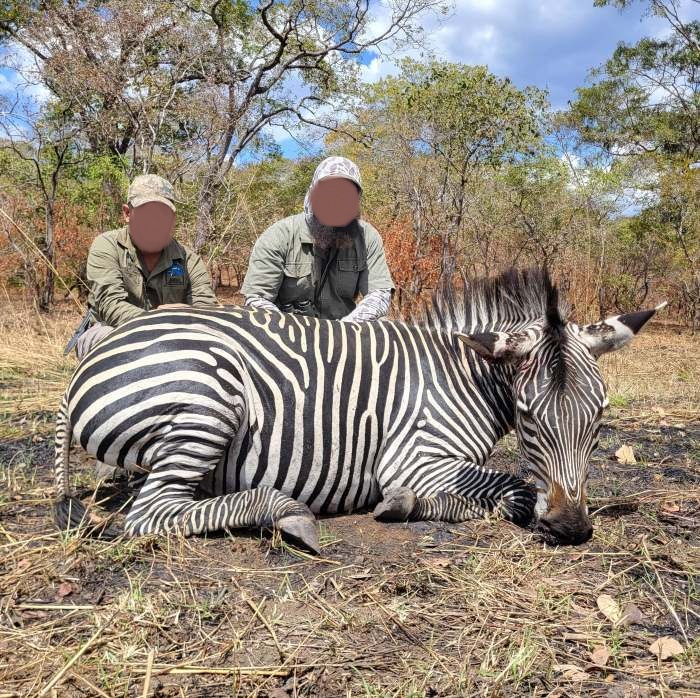
On a Tanzania hunting concession, knowing where the game is only useful if the hunting team can get there. Roads and tracks used during the previous safari may need to be checked again before the next hunter arrives, particularly after rain or when sections of the concession have not been driven for some time.
Fallen trees, washed-out crossings, thick vegetation and overgrown tracks can turn what looks like a short distance on a map into several hours of work. Scouts and camp staff may need to clear roads, inspect river crossings and make sure important parts of the hunting area accessible.
Away from established tracks, a route may also be blazed as the team moves through the bush, with a panga used to cut visible marks into trees along the way. These simple markers help scouts, hunting vehicles and recovery teams find the same route again through thousands of acres of similar-looking bush.
Access is not only important to the hunting team. Recovery crews may need to reach the area after an animal is down, particularly with large species where meat, the trophy and other usable parts of the animal must be removed from the field. A route that can be followed on foot may be considerably more difficult when vehicles and a recovery team need to get back into the same area.
This matters when fresh information comes in. If scouts have found recent buffalo tracks 40 miles from camp, or a community reports elephant activity in another part of the concession, the PH needs to know whether he can reach that area and what will be involved if the hunt is successful.
During our recent expedition through Tanzania, including the Simanjiro and Naberera areas, the distances involved made this obvious. Moving around these hunting areas takes time, and there are no shortcuts simply because a hunter has arrived and the clock on his safari has started.
A few hours spent checking access before the hunter reaches camp can save considerably more time once the hunting begins.
Camp, Vehicles and Supplies Have to Be Ready
Preparing a remote Tanzania hunting camp requires more than making sure there is enough food and fuel. Vehicles need to be checked, communications must work, recovery and skinning equipment needs to be ready, and supplies for the entire safari have to be accounted for before the hunter arrives.
Inventory lists matter. In a hunting area several hours from the nearest reliable supply point, forgetting something important cannot always be fixed with a quick drive into town. A small oversight can become a much bigger problem once the safari is underway.
Even something as basic as salt matters. Imagine a hunter taking a buffalo or other valuable trophy on a safari costing tens of thousands of dollars, only to discover that insufficient salt was brought into camp to properly cure the cape. The animal has been successfully hunted, but poor preparation after the shot can still damage the trophy.
Getting all those supplies into camp is also expensive. Fuel, food, drinking water, vehicle spares, medical supplies and equipment for trackers, skinners and recovery teams may have to travel hundreds of miles before reaching a remote concession. In some hunting areas, aircraft and additional support vehicles form part of the logistical chain.
That helps explain why African Hunting Safari Prices can vary so considerably between countries. A Tanzania safari price is not simply the cost of a PH, accommodation and the animals being hunted. Part of what the hunter is paying for is the considerable expense of putting a functioning safari operation into remote wilderness and keeping it there.
Mistakes in that environment can have expensive consequences. A properly prepared camp allows the PH and his team to concentrate on hunting once the client arrives rather than solving problems that should have been dealt with weeks earlier.
The PH Should Know Where He Wants to Start
By the final few days before the hunter arrives, information from across the concession starts coming together. Scouts have been checking tracks and water, communities may have reported recent animal movement, roads have been inspected and the PH has a much better idea of what is happening in different parts of the hunting area.
If fresh buffalo spoor has been found repeatedly in one section, there is little reason to spend the first morning searching somewhere else. Recent elephant movement, lion activity around a bait or leopard tracks along a particular drainage can influence the same decision.
Nothing is fixed. Buffalo that were using one water source can move, elephants may cover considerable distances and predators certainly do not remain where the hunting team would conveniently like them to be. Information received on the morning of the hunt can change the plan completely.
That is why all the work done before the hunter arrives cannot guarantee success. It simply replaces guesswork with current information.
When everyone climbs into the Land Cruiser on the first morning, the PH still makes the call. The difference is that he has information from the previous few days to decide where that first hunting day should begin.
The Work Before the Hunt Still Cannot Guarantee the Hunt
All this preparation gives the hunting team a better starting point, but Tanzania remains wild country. Buffalo move, elephants cross enormous areas, predators change their patterns and weather can alter access almost overnight.
Ultimately, the hunt still comes down to what Mother Nature decides to give you. No amount of scouting can guarantee that the buffalo will be where they were yesterday or that the lion visiting a bait will return the following night.
The purpose of all the preparation is not to manufacture an outcome. It is to make sure valuable hunting days are not wasted dealing with problems that could have been handled before the hunter arrived.
There is an old saying that if you fail to plan, you plan to fail. Few places make that more obvious than a remote Tanzania hunting concession.
When the hunter reaches camp, the actual hunt still lies ahead. A good outfitter has simply done everything possible to make sure the safari is ready to begin. Hunters planning African Hunting Trips should expect that preparation to be taking place long before they board the aircraft for Africa.
Frequently Asked Questions About Preparing for a Tanzania Hunting Safari
How far in advance should a Tanzania hunting safari be planned?
A Tanzania safari should normally be organized months before the hunter arrives. Hunting licences, firearm documentation, species permits where applicable and concession quota all need to be confirmed, while remote camps also require considerable logistical preparation. In the final days before the safari, attention shifts toward current conditions in the hunting area, including roads, water, fresh tracks and recent animal movement.
Do scouts start looking for animals before the hunter arrives in Tanzania?
Yes. In large Tanzanian hunting concessions, scouts and trackers can begin checking likely areas before the client reaches camp. Where Cape buffalo are being hunted, this may include checking water, roads and known movement routes for fresh spoor. During our recent expedition in Tanzania, Shaw & Hunter Outfitters confirmed that their scouts begin looking for buffalo several days before a client arrives. This gives the PH current information without removing the uncertainty of the actual hunt.
Why are hunting permits and quota so important in Tanzania?
The presence of a species in a hunting concession does not automatically mean it can be hunted. The appropriate quota must be available and the required hunting licence and permits must be in place. International hunters bringing firearms into Tanzania also need the relevant firearm documentation. Hunters should confirm these details with their outfitter before travelling rather than assuming everything is complete because the safari has been booked.
Why does a Tanzania hunting safari require so much preparation?
Many Tanzanian concessions are large, remote and a considerable distance from reliable supplies. Roads may need clearing, vehicles require preparation and fuel, food, water, medical supplies, trophy-care equipment and vehicle spares need to reach camp before the hunt begins. Scouts may simultaneously be gathering current information from across the concession. Good preparation allows the hunting team to spend the hunter's limited safari days hunting rather than fixing avoidable logistical problems.
How does the outfitter decide where to hunt on the first morning?
The PH uses the most recent information available. Fresh buffalo spoor, elephant movement, predator activity, water conditions, road access and reports from scouts or nearby communities can all influence where the hunting team starts. The plan can still change overnight because animals move and conditions change, but the PH begins with current field information rather than simply choosing an area on a map.
Why are Tanzania hunting safaris expensive?
Part of the cost comes from operating in remote wilderness. Fuel, food, vehicles, staff, communications, camp equipment and trophy-care supplies may have to travel hundreds of miles to reach a concession, while some operations also rely on aircraft and additional support vehicles. Hunters comparing African hunting trips should therefore look beyond trophy fees and consider what is required to operate and maintain the safari camp throughout the hunt.
Can all this preparation guarantee a successful Tanzania hunt?
No. Tanzania remains wild country, and no amount of preparation can control where a buffalo herd moves, whether a lion returns to a bait or what the weather does overnight. Preparation cannot guarantee an animal. Its purpose is to ensure that poor logistics, missing paperwork or avoidable camp problems do not unnecessarily cost the hunter valuable hunting days.
About the Authors
Pierre and Tamlyn van Wyk are the co-founders of Game Hunting Safaris. They have hunted across Africa and are regular visitors to Tanzania, spending time with Professional Hunters and outfitters in the hunting areas they recommend.