
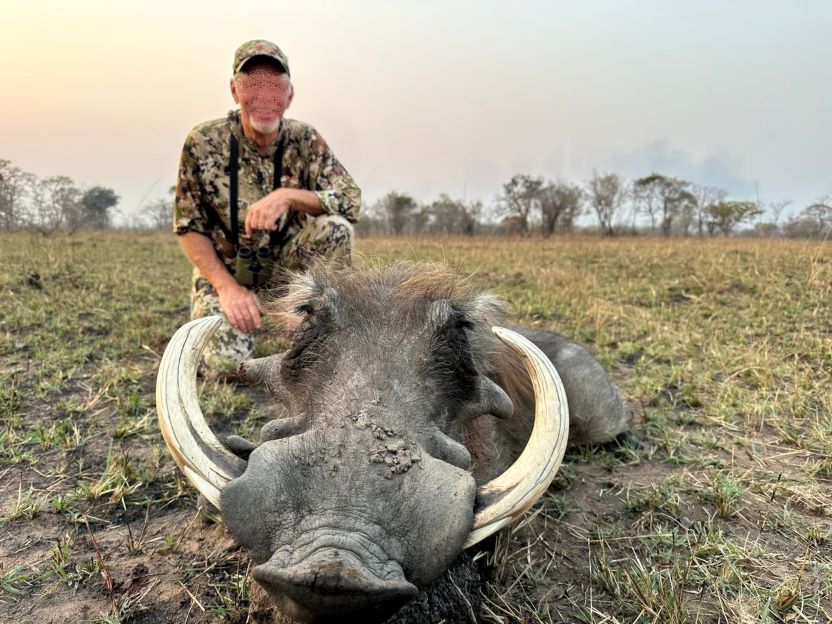
A hunting safari in Zambia rarely goes according to the initial plan. You may leave camp expecting to spend the day looking for buffalo, only for the trackers to cut spoor from a good bull moving through the area that morning. Yesterday’s promising tracks may have gone cold, while fresh sign somewhere else can change the direction of the hunt within minutes.
That is part of Hunting in Zambia. In large wilderness concessions, the animals do not follow the hunter’s schedule. Buffalo shift between feeding and resting areas, elephant bulls can move considerable distances, and a leopard working a bait one night may not return when expected. What happened yesterday matters, but what the trackers find this morning matters more.
Good Professional Hunters understand this. The original strategy gives the safari direction, but fresh tracks, reports from scouts, water, wind and recent animal movement determine where the hunting team spends its time. Sometimes the right decision is to stay with an animal for hours. Sometimes it is to leave old spoor behind and go looking for something better.
Hunters planning Big Game Hunting in Zambia should arrive with priorities, but also with enough flexibility to take advantage of what the country produces. In Zambia, changing the plan does not necessarily mean the original plan failed. Sometimes it simply means the bush has given you a better one.
Yesterday's Tracks Don't Hunt Today's Animals
Fresh spoor can change a hunting day in Zambia. A set of buffalo tracks found late yesterday may have looked promising, but by tomorrow morning, those bulls could be miles away. Spending half the day following old tracks simply because they belonged to the animal you wanted yesterday can cost valuable hunting time.
The first job every morning is to establish what happened during the night. Trackers watch roads, river crossings, water points and other places where animals may traverse. A fresh track crossing a road can tell them that an animal passed recently, which direction it was travelling and whether there is a possible chance of catching up.
Not every fresh track is worth following. A buffalo bull walking steadily away may be difficult to close the distance on, while another animal feeding slowly through the concession could be worth several hours on foot. Tracks may also show that an animal has moved out of the hunting concession altogether. Once that happens, there is no decision to make. The hunters have no choice but to leave the tracks and look for another opportunity.
Local knowledge of the hunting area matters. Trackers are not simply looking for spoor on the ground. They are deciding how old it is, what the animal was doing and whether following it is likely to produce a hunt.
In Zambia, that judgement can save hours. The objective is not to follow every track you find. It is to recognize which one is worth following today.
The Trackers Know Before Anyone Else Does
A hunter arriving in Zambia may know the species he wants and the trophy he hopes to take, but he does not know the hunting area like the men who work there every day. Even the Professional Hunter must rely on trackers.
They know where buffalo normally cross a river, which waterholes are being used, where elephant bulls have been moving and whether there is fresh leopard activity in the area. They also notice when something has changed. A road that produced tracks every morning may suddenly be quiet, while fresh movement may begin to appear somewhere else.
That information builds throughout the safari. Trackers remember where animals were seen, where spoor was lost and which areas have produced little activity. Reports from scouts and local communities add another layer of information. The PH takes all of this information, combines it with what he is seeing in the field and decides where the hunting team should spend its time and efforts.
The hunter may not see much of this happening. He may simply be told that tomorrow morning the team is heading to a different location. But that decision is rarely based on one track or one sighting. It is the result of the trackers, scouts and PH putting several pieces of information together.
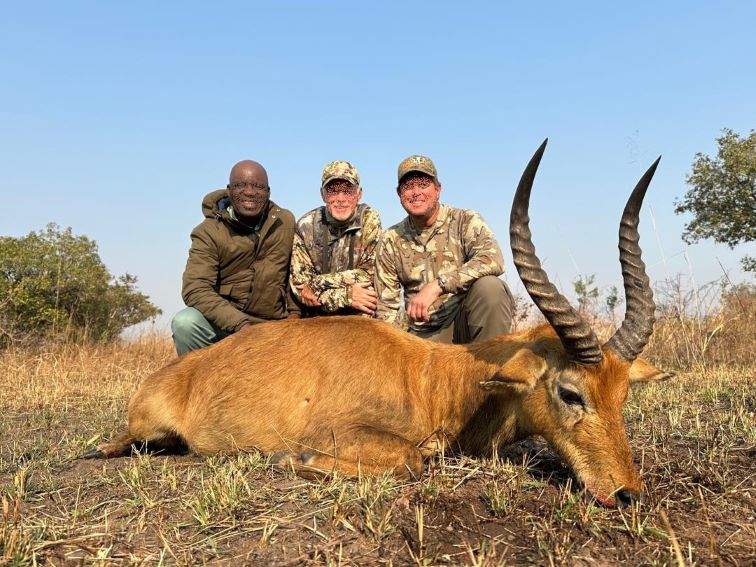
A Good PH Knows When to Try a New Plan
A Professional Hunter can start the morning with a clear objective and change direction two hours later. That does not mean the original plan was wrong. It means something happened in the hunting concession that made another option worth considering.
Fresh activity may be found in a different part of the concession. Scouts may report animals moving through an area that had been quiet for several days. Buffalo being followed may cross a boundary, the wind may turn, or tracks that looked promising eventually prove too old to justify another few hours on foot.
A good PH also knows that doing the same thing day after day and hoping for a different result is rarely a strategy. If an area has gone quiet, the tracks are consistently old or the animals simply are not there, something needs to change. That may mean checking different ground, moving a bait, changing the route used each morning or following information from scouts into another part of the concession. Sometimes opportunities are found. Other times they must be created.
This is where the PH must decide. Time in the field is limited, and continuing with a hunt simply because it was the plan at breakfast does not always make sense. He must weigh the chances of staying with the original objective against what the hunting area is offering somewhere else.
That decision can be difficult when the hunter has travelled halfway around the world with a particular animal at the top of his list. A good PH will keep that priority in mind, but he also knows when pushing the same plan is beginning to waste valuable hunting time.
Changing direction does not guarantee success. The new tracks may lead nowhere and the animal reported by a scout may be gone by the time the hunters arrive. In Zambia, refusing to change the plan can sometimes cost more time than trying a new one.
The Hunting Area Can Change the Safari
A Zambia safari is planned months, and often years, before the hunter arrives, but the animals have no interest in that itinerary. By the time the hunting team reaches camp, conditions in the concession may vary from what anyone expected when the safari was booked.
Buffalo may have shifted into another part of the area. Elephant bulls can move through and disappear again. Leopard activity can change overnight. Even water availability, late fires or pressure elsewhere in the region will influence where animals are spending their time.
Local intel matters. Outfitters such as Shamwari Safaris, one of the Zambia operators we work with, have teams on the ground who are seeing what is happening in the hunting area before the visiting hunter ever arrives. Scouts and trackers build a picture of animal movement, and that information will influence the opening days of the safari.
A hunter may arrive with buffalo at the top of his list and discover that the best opportunity in the concession that week is somewhere different from where everyone expected it to be. That is not necessarily bad luck or poor planning. It is free-range country. Animals move.
The advantage comes from having a hunting team willing to respond when they do.
Your Trophy List Is a Priority List, Not a Daily Schedule
A hunter should arrive in Zambia knowing which animals matter most to him. If buffalo is the main reason for the safari, buffalo remains the priority. But that does not mean every day needs to be spent looking for buffalo while opportunities for other animals are ignored.
The animals rarely appear in the order they are written on the trophy list. A good sable may be spotted while checking roads for buffalo tracks. Elephant sign may appear in an area the hunting team was not planning to visit that morning. A species that has been difficult to locate for several days may suddenly turn up while everyone is concentrating on something else.
The list itself can change as well. Zambia has a large variety of huntable game, and sometimes the bush produces an animal that was never part of the plan. A big Cookson's wildebeest can quickly get the attention of a hunter who had not given much thought to Wildebeest Hunts before arriving in camp. The same can happen with one of Zambia's specialist antelope, although species such as sitatunga require more planning than an opportunistic animal encountered during another hunt.
Hunters interested in Sitatunga Hunts should plan for the species before the safari begins. Quota, hunting area and any necessary permits need to be considered beforehand. You cannot simply add every species because an opportunity suddenly appears.
Some opportunities can be revisited. Others cannot. Passing a huntable animal because it was supposed to be taken later, or was not originally on the list at all, may mean never seeing that animal again. In free-range country, there are no guarantees about what will be standing there tomorrow.
But hunting what the bush gives you does not mean chasing inches or shooting every good animal that appears. Buffalo are a good example. The objective should remain a properly mature old bull. Horn size matters to hunters, but age, condition and the PH's judgement of the individual bull matter more than turning the hunt into a search for a particular measurement. Taking old bulls that have already contributed to the breeding population is part of responsible buffalo management.
The PH must still protect the time needed for the hunter's priorities. Spending three days pursuing a secondary species while the primary animal remains unhunted would make little sense.
The balance is knowing when an opportunity is worth taking and when to stay focused on the original objective. The trophy list tells the hunting team what matters. What the bush produces can change how that list eventually looks.
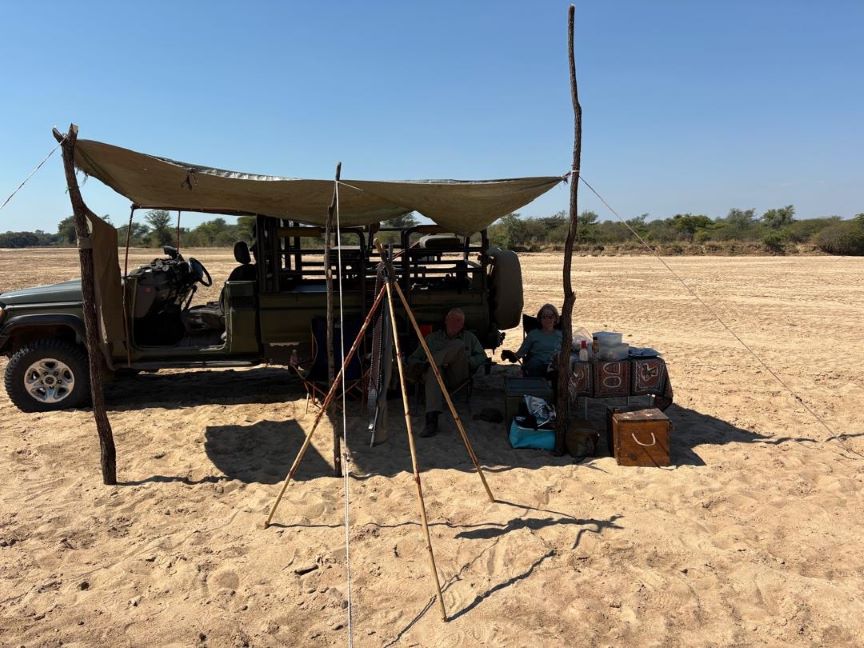
Come to Zambia With a Plan. Just Don't Marry It.
A Zambia safari must have a plan. The PH needs to know which animals matter most, the outfitter needs to secure the correct quota and permits, and enough hunting days must be allowed for the species at the top of the list.
That planning should begin long before the hunter arrives in camp. Hunters comparing African Hunting Trips should decide what they genuinely want from the safari and make those priorities clear from the beginning.
Once the hunting starts, however, the plan needs some room to move.
Fresh tracks may change the morning. An animal can cross out of the concession. Scouts may report activity somewhere else. A secondary species may suddenly produce an opportunity too good to ignore. None of that means the safari is going wrong.
The hunter still knows what he came to Zambia for. The PH still has a job to get him onto those animals. But some of the best decisions made during a safari were never written into the original plan.
Frequently Asked Questions About Hunting in Zambia
Does a hunting safari in Zambia always follow the original trophy list?
No. The hunter's priority species remain important, but free-range hunting does not always happen in the order planned. Fresh tracks, animal movement, available quota and unexpected opportunities can change which species are hunted on a particular day.
Why are trackers so important when hunting in Zambia?
Trackers often know the hunting area better than anyone else in camp. They read fresh spoor, monitor animal movement and notice changes in where game is feeding, crossing roads or using water. Their knowledge helps the Professional Hunter decide which tracks are worth following and where valuable hunting time should be spent.
Can I add another animal to my Zambia safari after I arrive?
Sometimes. If the species is available on quota and does not require arrangements that should have been made before the safari, an additional animal may be possible. Other species require permits, quota or specific hunting areas, so hunters should discuss important secondary species with the outfitter before travelling.
Is Zambia a Big Five hunting destination?
Yes. Zambia offers hunting for several of Africa's traditional Big Five species, including Cape buffalo, elephant, lion and leopard, subject to current quotas, permits and hunting-area availability. Hunters considering Big Five Hunting should plan the safari around the species available on quota rather than assume every animal can be combined on a single hunt.
Should I arrive in Zambia with a fixed hunting plan?
Arrive with priorities, not an inflexible daily schedule. Your PH needs to know which animals matter most, but fresh spoor, weather, animal movement and information from trackers and scouts may change the plan. In Zambia's free-range hunting areas, being prepared to take advantage of a good opportunity can be just as important as the original trophy list.
About the Authors
Pierre and Tamlyn van Wyk are the co-founders of Game Hunting Safaris. They have travelled extensively throughout Africa and have first-hand hunting and safari experience across several of the continent's major hunting destinations. Their work with Professional Hunters, outfitters and safari operators gives them practical insight into how African hunting safaris are planned and conducted in the field.