
Updated: July 2026
When most people think of an African safari, the term "Big Five" is never far behind. Today, these iconic animals symbolise Africa's rich wildlife heritage, appearing in everything from photography safaris to conservation campaigns and hunting literature. Yet surprisingly few people know where the famous name actually came from.
The Big Five consists of the African elephant, Cape buffalo, lion, leopard, and rhinoceros. Contrary to popular belief, they were not grouped together because they are Africa's largest mammals. The term was originally coined by professional hunters to describe the five animals considered the most dangerous and difficult to hunt on foot, where tracking, patience, and precise shot placement often determined success.
For hunters considering a Big Five hunting safari, understanding the history behind the Big Five provides valuable context for one of Africa's greatest hunting traditions. While today these animals also represent successful conservation and sustainable wildlife management, their legendary reputation remains deeply rooted in Africa's hunting heritage. Learn more about planning a Big Five Hunting safari in Africa before exploring the history behind this famous term
[DYNAMIC-BLOGTABLEOFCONTENT]
What Are the Big Five?
The term “Big Five” originates from the hunting community, referring to the animals that were the most difficult and dangerous to hunt on foot. Now, it is a term of admiration and awe, symbolising Africa’s incredible biodiversity and the importance of protecting these species.
Big Five Quick Facts
- The term "Big Five" originated with professional hunters rather than photographers.
- Cape buffalo are widely regarded as Africa's most dangerous game animal.
- The leopard is widely regarded as the most elusive member of the Big Five.
- Very few hunters complete the Big Five during a single safari.
- Today, regulated Big Five hunting contributes directly to conservation programmes in several African countries.
1. The Lion
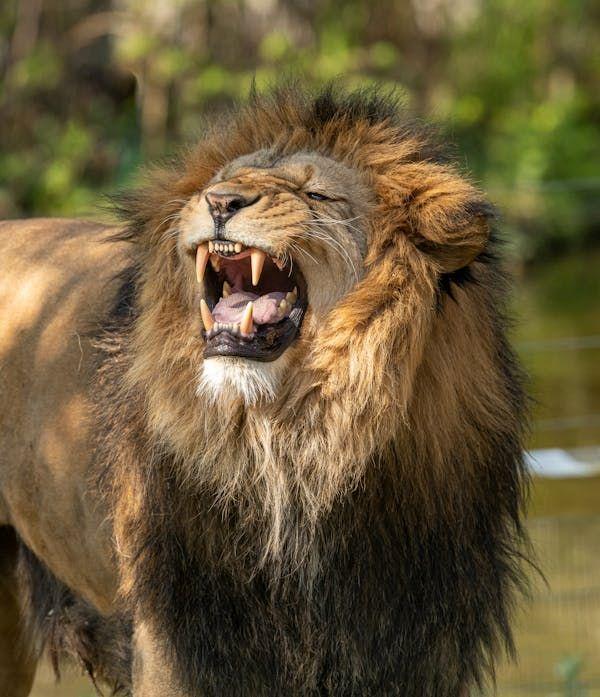
The lion, often called the “king of the jungle,” is one of the most recognisable African game animals. Found in savannas and grasslands, lions live in prides that consist of a few males, females, and their cubs. These apex predators play a vital role in maintaining the balance of ecosystems by controlling herbivore populations.
- Habitat: Lions primarily inhabit regions with dense grasslands, savannas, and open woodlands.
- Diet: Carnivorous, they hunt medium to large-sized animals such as zebras, antelopes, and wildebeests.
- Conservation Status: Vulnerable. Human-wildlife conflict and habitat loss remain significant threats to their survival.
For dangerous game hunters, lion represents the ultimate test of patience, discipline and respect. Learn more about our Lion Hunts conducted in selected African countries.
2. The Leopard
Known for its spotted coat, the leopard is a master of stealth. These elusive predators are solitary creatures, often seen lounging in trees where they stash their prey.
- Habitat: Leopards adapt to various environments, from savannas to rainforests and even semi-deserts.
- Diet: Opportunistic hunters, they prey on a wide range of animals, including birds, small mammals, and larger ungulates.
- Conservation Status: Vulnerable. Leopards face threats from poaching and habitat encroachment.
Few African animals challenge hunters quite like the elusive leopard. Discover where ethical Leopard Hunts are still available across Africa.
3. The African Elephant
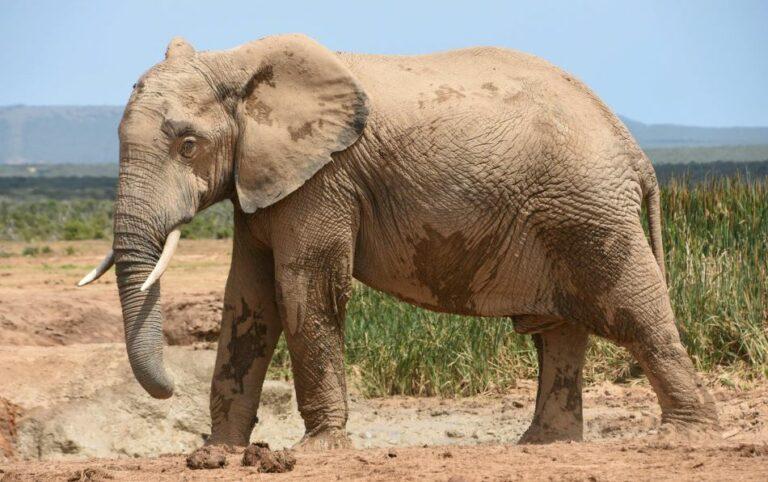
African elephants are the largest land animals on Earth. Their intelligence, strong family bonds, and crucial role in ecosystems make them a keystone species.
- Habitat: Found across savannas, forests, and deserts.
- Diet: Herbivorous, consuming grasses, bark, and fruits.
- Conservation Status: Endangered. Poaching for ivory and habitat fragmentation are the main challenges for elephant populations.
An elephant safari is regarded as one of Africa's greatest hunting achievements. Explore our Elephant Hunts to learn where these remarkable safaris are still legally conducted.
4. The Rhinoceros
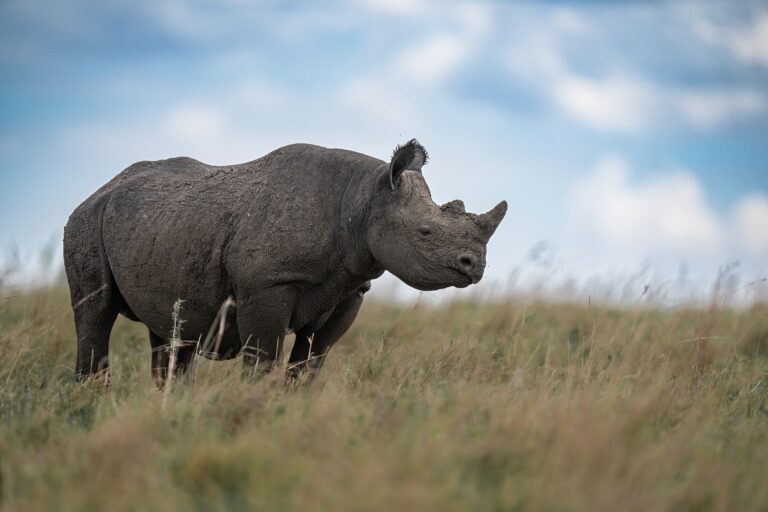
Both black and white rhinoceroses are included in the Big Five. These animals are distinguished by their size and the iconic horns that make them targets for poachers.
- Habitat: Grasslands and savannas.
- Diet: Herbivorous, grazing on grasses and shrubs.
- Conservation Status: Critically Endangered (black rhinos) and Near Threatened (white rhinos). Anti-poaching efforts are crucial for their survival.
Today, traditional rhino hunting is extremely limited, while conservation-focused Rhino Green Hunts continue to play an important role in wildlife management across parts of southern Africa.
5. The Cape Buffalo
The Cape buffalo, also known as the African buffalo, is known for its unpredictable temperament. These animals often move in herds and are formidable when threatened.
- Habitat: Swamps, grasslands, and forests.
- Diet: Grazers that feed on grass and other vegetation.
- Conservation Status: Least Concern. Although they are not endangered, they are vulnerable to diseases and hunting.
Respected by professional hunters throughout Africa, the Cape buffalo has earned its reputation as one of the continent's most dangerous game animals. Learn more about our Cape Buffalo Hunts across Africa's premier hunting destinations.
Why Hunters Respect the Big Five
The Big Five have never been defined by their size alone. Their reputation was earned through the unique challenges they presented to hunters travelling on foot across Africa's wilderness. Each species demands a different combination of skill, patience and sound judgement, making every successful hunt a memorable achievement.
A Cape buffalo is respected for its determination and unpredictable nature, particularly when wounded. Leopard hunting often requires days of careful preparation before a brief opportunity presents itself. Elephants demand exceptional shot placement, calm decision-making and close teamwork between the hunter, professional hunter and trackers. Lions require patience and discipline, while rhinoceros have historically commanded enormous respect because of their size, strength and awareness.
Perhaps more importantly, every member of the Big Five inhabits a different landscape and presents its own unique hunting challenge. Following fresh buffalo spoor through thick mopane woodland, waiting over leopard bait at last light or tracking elephant through remote wilderness are experiences that cannot be measured by trophy size alone.
Completing the Big Five is not simply about collecting five animals. It represents years of planning, multiple safaris and a deep appreciation for Africa's wildlife, its people and the traditions of dangerous game hunting that continue to shape modern conservation across the continent.
Challenges Facing the Big Five
Despite their iconic status, the Big Five continue to face a number of challenges across Africa. Their long-term survival depends on effective wildlife management, habitat protection and sustainable conservation programmes that balance the needs of both wildlife and local communities.
Poaching and Illegal Wildlife Trade
Poaching remains one of the greatest threats to several Big Five species, particularly elephant and rhinoceros. Illegal demand for ivory and rhino horn continues to place pressure on populations in parts of Africa, making well-funded anti-poaching initiatives essential to their protection.
Habitat Loss and Growing Human Populations
As Africa's human population continues to grow, wildlife increasingly competes with agriculture, livestock and expanding settlements. Protecting large, connected wilderness areas allows the Big Five to move naturally while reducing conflict between people and wildlife.
The Role of Sustainable Hunting
In countries where it is legally regulated, sustainable hunting plays an important role in conservation. Revenue generated through hunting concessions helps fund anti-poaching patrols, habitat management, scientific research and employment for local communities. In many remote hunting areas, wildlife has economic value because it is carefully managed for future generations rather than being replaced by agriculture or development.
Can You Still Hunt the Big Five?
Yes, but opportunities to hunt the Big Five vary considerably between species and countries. Modern Big Five hunting is conducted under strict government regulations, with quotas, permits and conservation programmes designed to ensure wildlife populations remain sustainable for future generations.
Today, species such as Cape buffalo, leopard, elephant and lion can still be legally hunted in selected African countries where well-managed hunting programmes directly contribute to habitat conservation, anti-poaching efforts and local communities. Rhinoceros hunting is far more restricted and is generally limited to carefully controlled conservation programmes, including Rhino Green Hunts, where wildlife management rather than trophy hunting is the primary objective.
Very few hunters pursue all five species during a single safari. Instead, completing the Big Five is often a journey that takes place over several years, with each safari focusing on a different species and destination. This approach allows hunters to experience Africa's diverse landscapes while building a collection that represents some of the continent's most respected game animals.
Do You Have to Hunt All Five Animals?
Not at all. While completing the Big Five is a lifelong ambition for some hunters, most begin with a single dangerous game species before gradually expanding their horizons over several safaris. In fact, many hunters discover that the journey itself becomes every bit as rewarding as eventually completing the collection.
For many hunters, Cape buffalo provides the natural introduction to dangerous game hunting. Others may start with an elephant safari in Zimbabwe, pursue leopard over bait in Namibia or Mozambique, or travel to Tanzania in search of one of Africa's classic dangerous game experiences. Each species presents its own unique challenges, landscapes and traditions, making every safari feel completely different from the last.
Very few hunters pursue the entire Big Five in one trip. Instead, they return to Africa over many years, hunting different countries, building lasting relationships with professional hunters and experiencing the remarkable diversity that makes each destination unique. By the time the fifth animal is taken, the memories often extend far beyond the trophies themselves.
Whether your goal is a single Cape Buffalo Hunt or the long-term ambition of completing Africa's legendary Big Five, every safari represents another chapter in a journey that few hunters ever forget.
Conclusion
For generations, the Big Five have represented the ultimate challenge in African hunting. Each species demands a different set of skills, from the patience required for leopard to the determination needed when following fresh Cape buffalo spoor or tracking elephant through remote wilderness. Completing the Big Five is rarely achieved during a single safari. Instead, it becomes a journey that takes many hunters across several African countries, each offering its own landscapes, traditions and unforgettable moments.
Whether your goal is to pursue a single dangerous game species or eventually complete the entire Big Five, careful planning and choosing the right destination are essential. Explore our Hunting Trips to discover professionally guided safaris across Africa and begin planning the next chapter of your own hunting adventure.
Frequently Asked Questions
What animals make up the Big Five?
The Big Five consist of the lion, leopard, African elephant, rhinoceros and Cape buffalo. The term originated with professional hunters who considered these animals the most dangerous to hunt on foot rather than the largest animals in Africa.
Why are they called the Big Five?
The name has nothing to do with size. The Big Five earned their reputation because they were historically regarded as the five most difficult and dangerous animals to pursue on foot during an African hunting safari.
Can you still legally hunt the Big Five?
Yes. Big Five hunting remains legal in several African countries under strict government regulations, quotas and conservation programmes. The availability of each species depends on the country and local wildlife management policies.
Which Big Five animal is the most dangerous?
Many professional hunters consider the Cape buffalo to be the most dangerous member of the Big Five due to its unpredictable nature, strength and willingness to confront danger when wounded. Every species, however, presents its own unique challenges.
Can you hunt all five animals during one safari?
While it is possible in certain circumstances, most hunters complete the Big Five over several safaris. This allows time to hunt each species properly while experiencing different countries, landscapes and hunting traditions across Africa.
Which countries offer Big Five hunting?
South Africa, Zimbabwe, Mozambique and Tanzania are among Africa's best-known Big Five hunting destinations. Each offers different species combinations, hunting styles and regulations, making careful planning an important part of every Big Five safari.
How long does it take to complete the Big Five?
There is no set timeframe. Some hunters complete the Big Five over many years, returning to Africa several times as opportunities arise. For many, the journey itself becomes just as rewarding as completing the collection.
Is Big Five hunting important for conservation?
In countries where it is legally conducted, regulated Big Five hunting contributes towards habitat protection, anti-poaching initiatives, wildlife management and local communities. Strict quotas help ensure hunting remains sustainable and supports long-term conservation goals.
What is the hardest Big Five animal to hunt?
Every hunter has a different opinion. Leopard is widely regarded as the most elusive, Cape buffalo demands exceptional tracking skills, while elephant requires calm decision-making and precise shot placement. Each species presents a completely different hunting challenge.
How much does a Big Five hunting safari cost?
The cost varies significantly depending on the species, destination and length of the safari. Buffalo hunts are generally the most affordable entry into dangerous game hunting, while completing the entire Big Five usually takes multiple safaris over several years.