
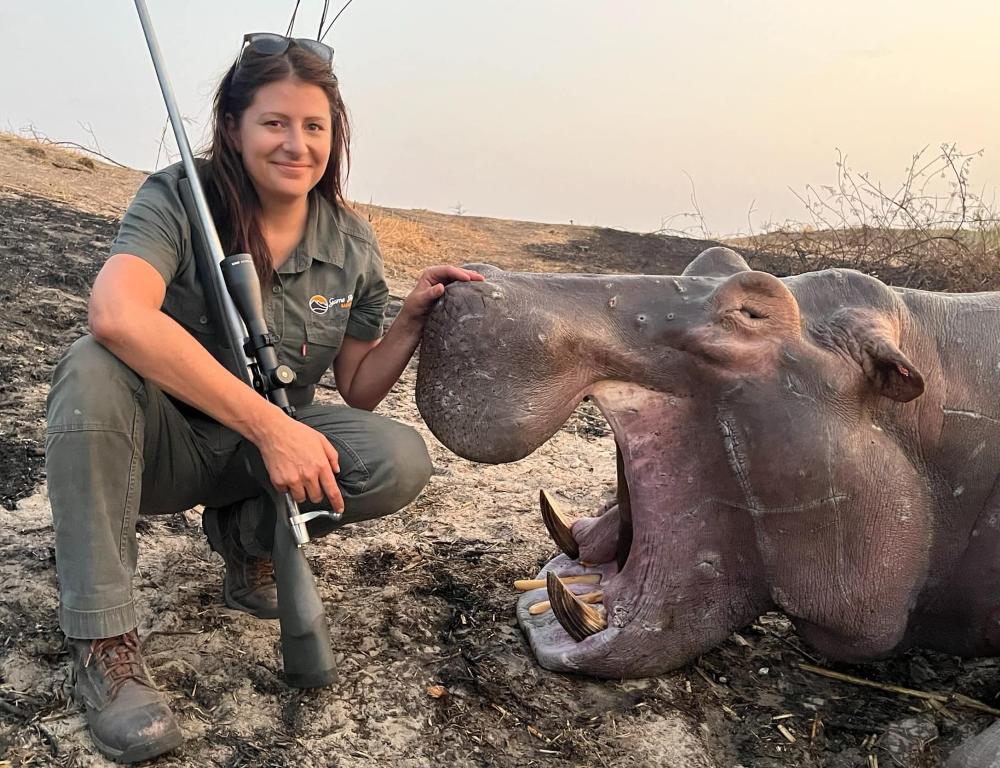
Hippo hunting in Namibia was always going to be different from any dangerous game safari I had experienced before, but I underestimated just how mentally exhausting the hunt would become once we reached the floodplains of the Caprivi. Between the relentless October heat, long hours staring across dark water waiting for a mature bull to surface, and the constant pressure of knowing that a missed opportunity could see the hippo disappear beneath the water forever, the safari quickly became one of the most intense hunting experiences I have ever faced.
Unlike many traditional African hunts where movement through the bush keeps hunters active throughout the day, much of this safari revolved around patience, silence, and concentration. We spent hours studying partially submerged hippo, trying to distinguish mature bulls from cows while watching small sections of water where the animals surfaced only briefly before vanishing again beneath the flooded channels.
What made the experience even more memorable was that this was no ordinary safari for me personally. Hunting a dangerous game species from the waterways of the Caprivi while balancing nerves, adrenaline, exhaustion, and excitement created an experience I will never forget.
[DYNAMIC-BLOGTABLEOFCONTENT]
October Heat and Dark Water in the Caprivi
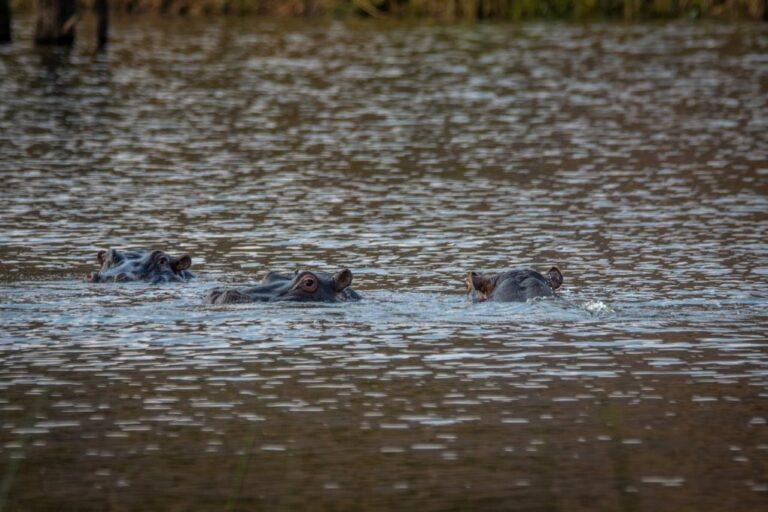
As I stood at the water’s edge watching the last light disappear across the Caprivi floodplains, I felt that familiar mixture of excitement and nerves that comes with all truly memorable dangerous game hunts. The sounds of the river carried through the still evening air while somewhere out in the dark water a mature hippo bull surfaced briefly before disappearing again beneath the surface. Unlike many traditional African safaris where game movement becomes easier to predict over time, hippo hunting in Namibia immediately felt uncertain and mentally exhausting.
We were hunting during the middle of October, deep into the dry season, with temperatures pushing beyond 42°C. Even during the drier months, conditions in the Caprivi can be incredibly demanding. During the wetter season, however, the floodplains become one enormous system of channels, lagoons, and submerged reed beds, making recovery after the shot significantly more difficult should a wounded bull disappear beneath the water.
One of the things that surprised me most about hippo hunting in Namibia was how much patience the safari required. Hours could pass with very little movement before a bull surfaced for only a few seconds, forcing complete concentration the entire time. Every approach had to be carefully planned to avoid unnecessary movement or noise near the waterways, especially in areas where crocodiles were also present.
Unlike many dangerous game species that rely on thick cover or distance for protection, hippo create pressure in a completely different way. Much of the hunt revolves around water, limited visibility, and waiting for brief opportunities while trying to remain calm under intense heat and physical exhaustion. That combination of patience, tension, and unpredictability is exactly what made this safari one of the most unforgettable hunting experiences I have ever had.
Spotting the Hunting Adversary
After spending most of the day slowly working through the concession, we eventually located a mature bull together with a female hippo in one of the smaller isolated bodies of water branching away from the main river system. A couple of crocodiles were also lying nearby, reminding us again how closely these dangerous species share the same waterways throughout the Caprivi. At this time of year the landscape was brutally dry, flat, and exposed, with almost no shade anywhere along the shoreline. The heat was relentless, and by midday simply remaining focused on the water became exhausting.
We eventually settled into position along the bank, me lying flat in the full sun with my eyes fixed on the water ahead. I remember deliberately keeping my scope on a lower magnification because there was simply no way of knowing exactly where the bull would surface next. At the same time, I kept my other eye open, trying not to lose sight of movement on the water while also fighting the urge to constantly adjust my position in the heat.
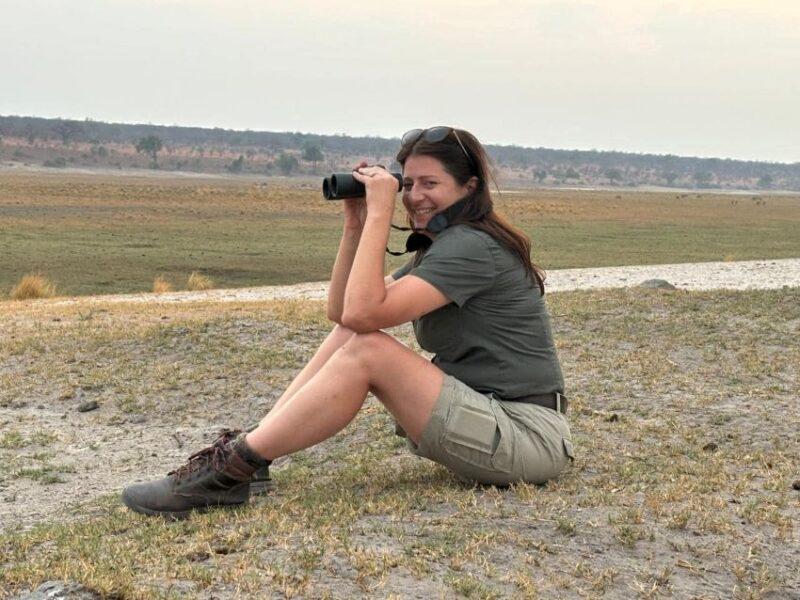
What made things even more difficult was the female repeatedly surfacing alongside the bull. When all you can see is a small section of the head breaking the surface for a few seconds at a time, distinguishing between the male and female becomes far more difficult than most hunters expect. This was where relying on the experience of my PH became critical, as he identified the mature bull far quicker than I could each time they surfaced.
The entire experience felt mentally draining in a way I had not expected. Hours passed staring across shimmering water waiting for an opportunity that lasted only seconds, knowing that hesitation, movement, or impatience could easily end the encounter before the shot was ever taken.
Waiting for the Right Shot Across the Channel
Eventually the pair moved further along the flooded channel and completely out of range. To improve our position, we climbed into a small mokoro and crossed toward a nearby island. I will admit that this was one of the more nerve-racking moments of the entire safari. Hippo are notorious for overturning these traditional canoes, and the very bull we were hunting had apparently already chased local fishermen from their mokoros earlier that week.
Sitting low in the water while quietly crossing the channel certainly changes the way one views hippo behavior. Fortunately we reached the bank without incident and carefully set up once again overlooking the water.
Blood, Sweat, Tears and Heat Along the Floodplains
By this stage of the safari, the heat was becoming absolutely relentless. After hours lying exposed beside the water, sweat was constantly running into my eyes while every piece of exposed skin felt sunburnt despite layers of sunscreen that had long since disappeared in the heat. Hunting hippo during the dry season certainly improves visibility along the waterways, but the physical conditions quickly become exhausting in other ways.
As the morning progressed, the hippo also became increasingly cautious. Their surfacing time shortened to only a second or two before disappearing again beneath the water, making it nearly impossible to settle properly behind the rifle before the opportunity vanished. Eventually the pair moved completely out of range again and we decided to back off for a few hours, allowing the hippo time to relax while we rehydrated and escaped the midday heat.
When we returned later that afternoon, conditions along the water felt calmer and I immediately felt more focused again. We waited quietly until both hippo submerged before carefully moving back into position along the bank. What made the moment even more memorable for me personally was that this entire safari was unfolding on our wedding anniversary, which somehow made the pressure and excitement feel even greater.
Lying there waiting for the bull to surface again became mentally exhausting. First the female would appear briefly, forcing me off the trigger again, followed by the bull surfacing only long enough for me to adjust slightly behind the scope before disappearing once more beneath the water. Finally, after hours of waiting, the bull surfaced again and this time everything felt right. I settled onto the target, saw the exact point I wanted, and gently squeezed the trigger.
A large splash erupted across the channel and the bull vanished beneath the surface. Both PHs immediately believed the shot was good, but the game scout was far less convinced and quietly suggested the bull may have missed the shot entirely — not exactly what I wanted to hear after hours of waiting in the heat.
The Wait…
Then came the hardest part of the entire safari — waiting.
As we watched the water, there was almost no visible disturbance on the surface. No bubbles, no sudden movement, and importantly, the female remained exactly where she had been before the shot. Normally she would have followed the bull immediately if he had moved off through the channel, so her behavior gave us hope that the shot had been successful.
Still, when hunting hippo in deep water, there is very little certainty immediately after the shot. If the bull sinks beneath the surface, the only option is often to wait for the gases within the stomach cavity to slowly bring the animal back to the surface. In reality, the process may only take a few hours, but when you are the one sitting beside the water wondering whether the shot was good, time seems to move painfully slowly.
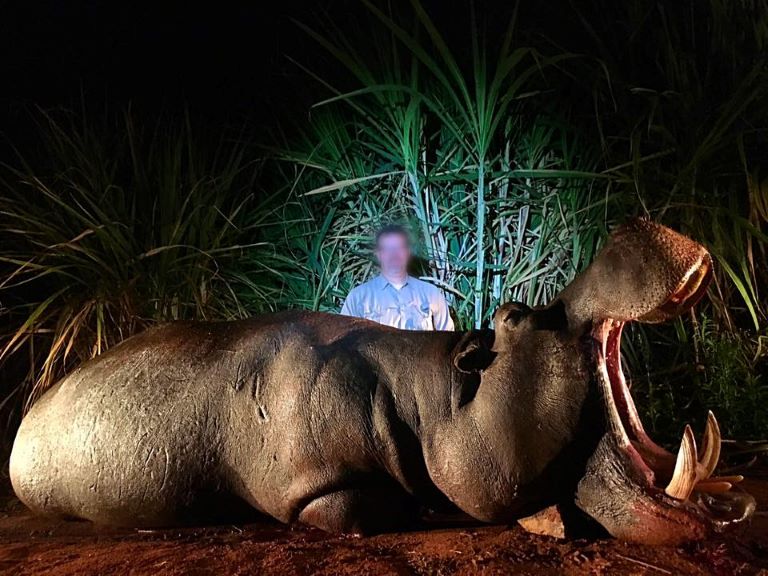
Eventually, after what felt like an eternity, the bull finally surfaced.
The sense of relief in that moment is difficult to describe. After the heat, the waiting, the pressure, and the uncertainty throughout the day, seeing the hippo rise to the surface felt like the perfect ending to an unforgettable wedding anniversary safari. More than anything else, the experience reinforced just how mentally demanding and emotionally exhausting hippo hunting in Namibia can become, particularly when hunting mature bulls in deep floodplain waterways.
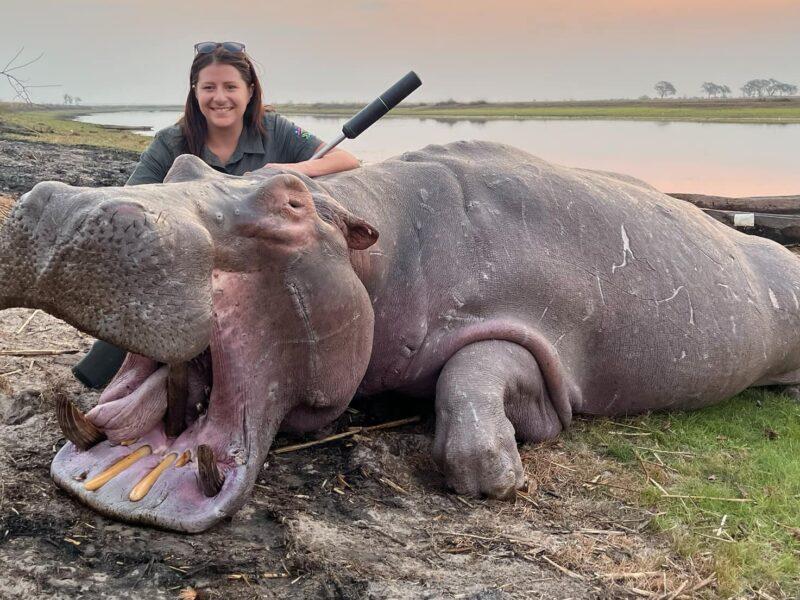
What stayed with me long after the safari ended was not only the pressure and uncertainty of the hunt itself, but also how quickly the entire atmosphere changed once the hippo had been recovered. Before long, local community members seemed to appear from every direction to help pull the bull from the water and begin processing the meat. In these remote floodplain areas, very little goes to waste, and even parts many hunters would never think about are valued by local families.
The experience also changed the way I viewed non-exportable hippo hunts. Beyond being a far more practical and cost-effective option for many hunters, these safaris provide meaningful benefits to remote communities through both meat distribution and employment opportunities throughout the hunting season. After seeing firsthand how much value a single animal can provide locally, the experience felt about far more than simply taking a trophy home.
The safari also reinforced just how unique Namibia's northern floodplains are from a dangerous game perspective. Throughout the hunt, we regularly encountered enormous crocodiles occupying the same waterways as the hippo, while fresh elephant tracks crossed muddy shoreline crossings almost daily. It is a side of hunting in Namibia that is very different from the dry plains and mountainous country most hunters associate with the country.
For me personally, the memories from the safari had very little to do with taxidermy or measurements. It was the heat, the waiting, the uncertainty beside the water, and ultimately sharing the experience on our wedding anniversary that made the hunt so unforgettable. Thankfully, we took plenty of photographs along the way, because hippo hunting in Namibia is certainly not an experience that fades quickly from memory.
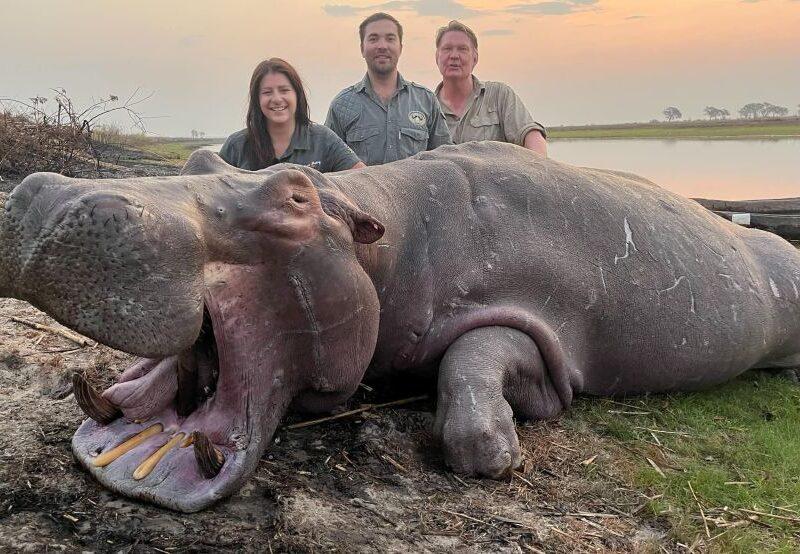
A Wedding Anniversary I'll Never Forget
Of all the memories I brought home from the Caprivi, the ones that stand out have little to do with the shot itself. I remember lying in the relentless October heat, watching the bull and cow surface together, and crossing that channel in a mokoro knowing the very hippo we were hunting had reportedly chased fishermen from their canoes only days earlier.
Then there was the long wait after the shot. We had no way of knowing for certain what had happened beneath the water, and the relief when the bull finally surfaced is something I will never forget. Watching the local community come together to recover the animal and make use of the meat added another dimension to an already memorable safari.
It was certainly an unusual way to spend our wedding anniversary, but I wouldn't have changed it. For hunters interested in the wider opportunities available, our guide to big game hunting in Namibia covers the country's dangerous game species and hunting areas. You can also browse our African hunting trips to compare available safaris across Africa.
Written by Tamlyn van Wyk, co-founder of Game Hunting Safaris, who has hunted hippo, buffalo, crocodile, and lion across several African countries, with a particular passion for dangerous game safaris in Namibia’s Zambezi Region.