
Updated: July 2026
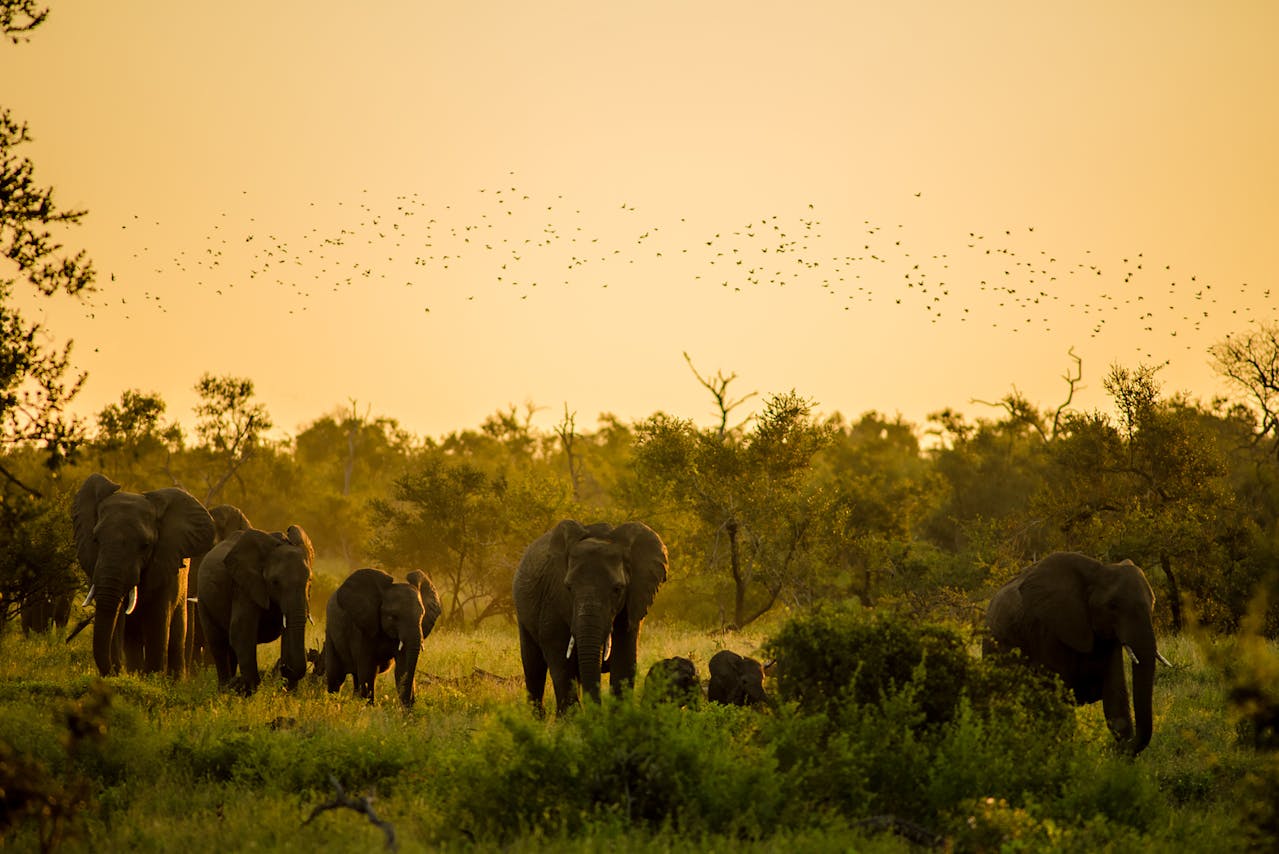
Elephant hunting has long been regarded as one of Africa's greatest hunting challenges. Pursuing the world's largest land mammal requires patience, careful tracking, precise shot placement, and the guidance of an experienced Professional Hunter. Success is rarely measured by distance walked or tusk weight alone, but by the discipline required to hunt one of Africa's most intelligent and respected game animals.
Whether you're researching your first elephant safari or comparing destinations across Africa, this guide explains how elephant hunting works, where to hunt, what rifles are commonly used, and how to prepare for a successful safari.
[DYNAMIC-BLOGTABLEOFCONTENT]
Key Takeaways
- The African elephant is a formidable dangerous game hunting adversary and is a member of the Big 5 and Dangerous 7.
- There are two sub-species of the African elephant: the African bush elephant and the African forest elephant.
- The best time of the year to go elephant hunting depends on the destination where you will be targeting the world’s largest land mammal.
- Most elephant hunting safaris take place on foot, with the hunting party starting at a point that the animal is known to frequent, for example a local waterhole.
- Shot placement remains paramount when elephant hunting.
Understanding African Elephant
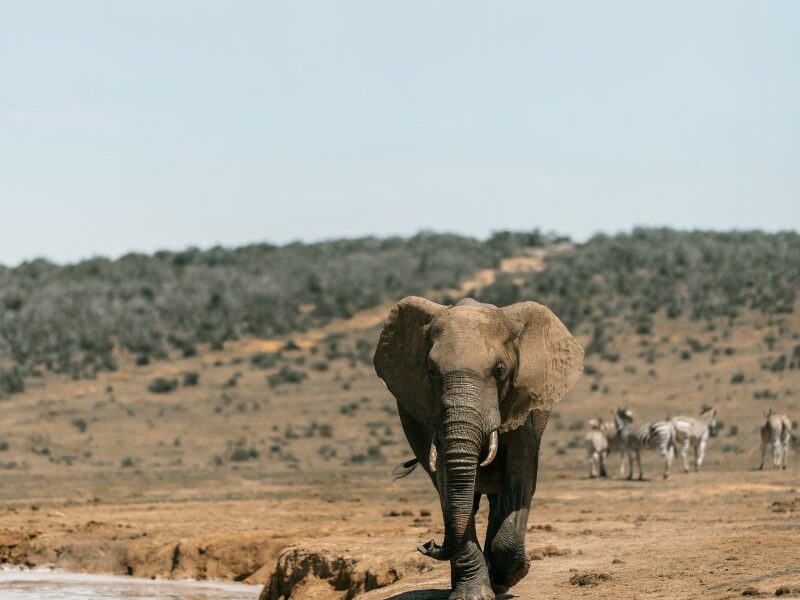
Ask any hunter which animals are on their bucket lists, and most would agree that a trophy elephant bull ranks right up near the top, if not in the first place! Trophy elephant hunting in Africa remains a sought-after safari, and requires patience, perseverance, and courage. Although referred to as “Africa’s gentle giants,” elephants can become aggressive, and with a land speed of almost 25 mph, they are a force with which to be reckoned! A member of Africa’s Big 5, the Dangerous 7, and a definite trophy when big game hunting.
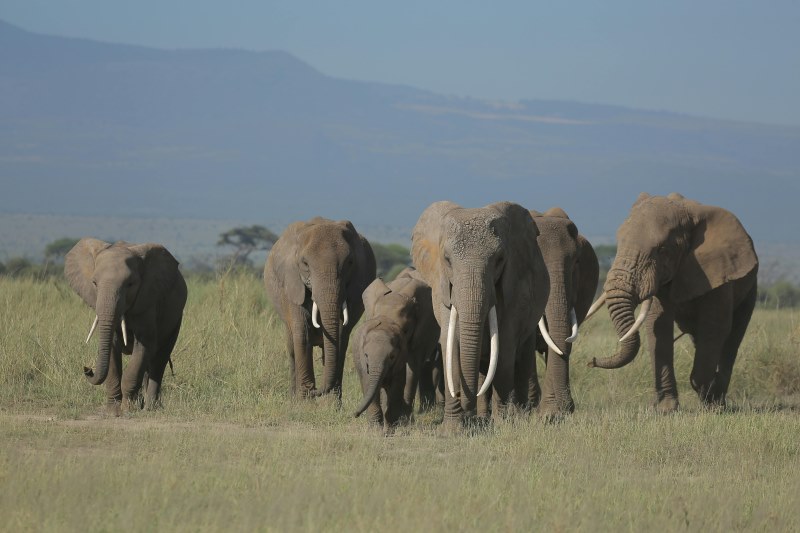
These herbivorous giants live in herds, with the leader known as the matriarch. She is the group’s oldest, largest, and most dominant female. The matriarch is the backbone of the family unit, taking on the role of providing guidance and stability within the family group. Other females comprising the family unit are usually her daughters and their offspring.
Elephant Facts
Name: Loxodonta
Male Elephant weight: 13,200 pounds
Male shoulder height: 10,5 feet
Range: Savannahs, grasslands, forests, and deserts in sub-Saharan Africa
Life span: 60-70 years
How many species of elephants are there in Africa?
The two main elephant species in Africa are the African Bush Elephant and the African Forest Elephant.
African Bush Elephant
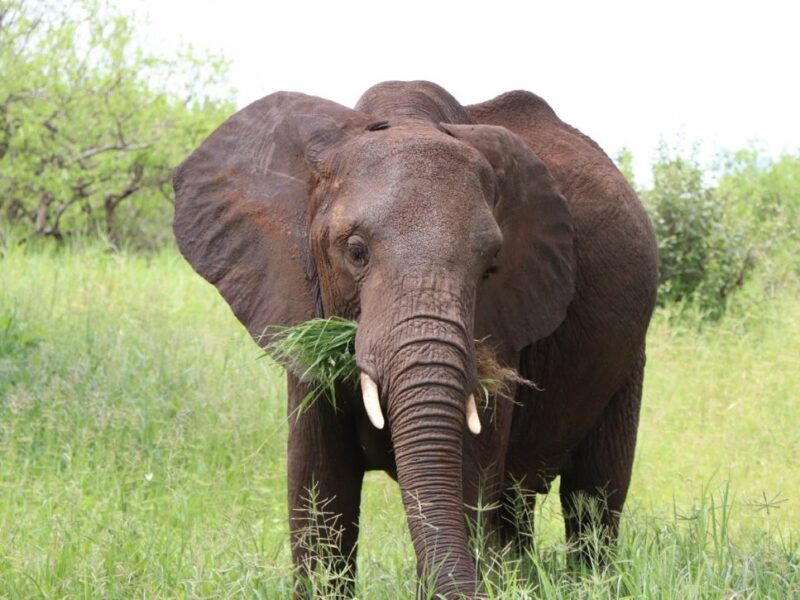
The African Bush elephant, also known as the African savannah elephant, is the world’s largest land animal, weighing over 13,200 pounds! They are native to areas of sub-Saharan Africa, including Uganda, Kenya, Tanzania, Botswana, Zimbabwe, Zambia, Zambia, South Africa, and Angola.
African Forest Elephant
The African Forest elephant is native to the humid tropical forests in West Africa and the Congo Basin and is the smallest of the three living elephant species, reaching a shoulder height of approximately 7.8 ft.
Elephant Hunting Safaris
The best time for elephant hunting is during the dry season when elephants are more likely to travel to water holes as they need to drink regularly during the hotter, drier months.
This best timing for an elephant safari depends on where exactly on the African continent you will be hunting elephants, but elephant safaris are available in:
- South Africa: May-August
- Tanzania: July-December
- Botswana: March-November
- Cameroon: end of March/beginning of April-June
- Zambia: July-November
- Zimbabwe: January-June
- Namibia: late September-November
- Mozambique: June-September
Hunting Methods
Most elephant hunting safaris take place on foot. The starting point for most hunts is an area that elephants are known to frequent, such as a water hole or even a road or path that these massive land animals regularly use.
The trackers, guides, hunter, and PH, will head out early each morning to visit areas known to be frequented by elephants, searching for fresh tracks or spoor. When fresh tracks are sighted, the elephants will be tracked and followed through the bushveld on foot until they are sighted, and a good-sized elephant bull is chosen. You may spend hours tracking a group of elephants, only to find a herd not containing a large enough trophy bull or that his tusks are broken or missing, making the trophy less appealing.
This exhilarating hunt is completed at close quarters due to the elephant’s habitat, and shots taken less than 50 yards away but as close as 20-30 yards.
Shot Placement on an African elephant big game hunting safari
To say that elephant shot placement is critical, is a major understatement. It is recommended that the hunter research shot placement before the hunt, ensuring that he is knowledgeable and confident when facing the world’s largest land mammal.
There are a couple of options for shot placement on an elephant hunting safari, each with their pros and cons, namely:
- The frontal brain shot
- The side brain shot
- The heart/shoulder shot, this shot is the most preferred by African professional hunters
- The fleeing shot
The most important aspect to remember about shot placement on an elephant hunting safari is that the first shot is paramount to ensure the elephant is humanely hunted and doesn’t head off into the dense bush, suffering for hours while a hunter does a follow-up. The recommended shot and one that is most preferred by African professional hunters, is the heart/shoulder shot.
While hunters always strive to ensure that the ultimate shot placement is achieved with the first bullet fired on a hunting safari, we know that this isn’t always the case, especially during African plains game hunts, as well as dangerous game hunting scenarios. In many instances, the second shot is sometimes even more important as the result of a missed and poor first shot can be life-threatening. Keep calm, listen to your PH and follow each instruction to a T.
Frequently Asked Questions
Where can I enjoy elephant hunting in Africa?
Across the continent, elephant hunts occur in numerous countries, including South Africa, Namibia, Zambia, Botswana, Tanzania, Mozambique, Zimbabwe, and Cameroon.
Countries with a stable elephant population and a well-managed wildlife program are renowned elephant hunting grounds. But hunters aren’t the only ones targeting elephants. More than 20,000 elephants across Africa lose their lives to poachers or illegal hunters who sell their tusks on the black market. Their ivory tusks are used to make jewellery and ornaments, but their major usage is in various traditional medicines.
How many days is an elephant hunt?
Elephant game hunting safaris run from 14 days through to a 21-day safari. The difference in timing depends on the outfitter and location, as well as whether it is just the elephant hunted or if the animal is part of a larger package that targets other big game animals.
How much does it cost for an elephant hunting safari?
Hunting packages start from about US$20,000- 100,000 depending on numerous factors, including hunting location, size of the trophy elephant, accommodation, etc.
Can I export my elephant trophy to the US?
Only elephants hunted in Namibia, South Africa, Botswana, and Zimbabwe may be exported to the US. No other elephant trophies from any other countries may be exported. No other country has a CITES export quota for African elephant sport-hunted trophies.
How are elephants hunted on a game hunting safari?
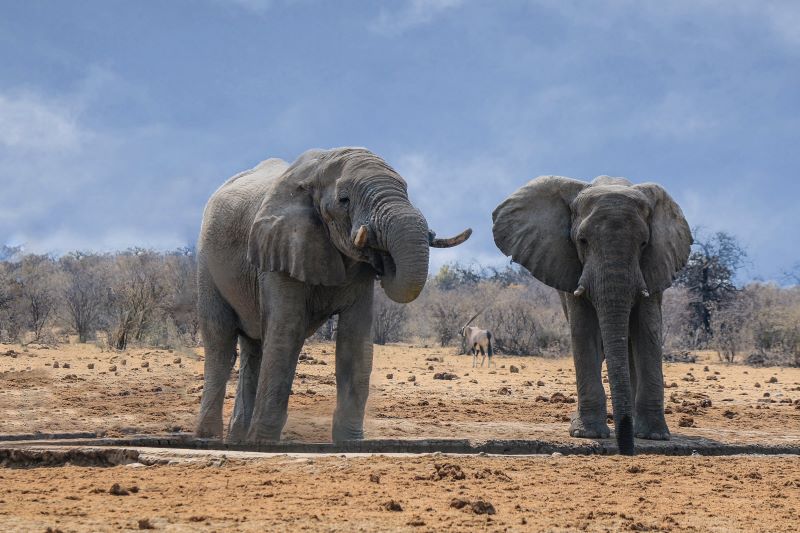
Elephant hunting in Africa requires expert hunting skills, and a sound knowledge of the elephant’s habitat, but most importantly, it requires patience! An elephant game hunting safari takes a long time. Did you know that these massive beasts are experts at camouflaging themselves within dense bushes and shrubs, requiring hours and hours of searching, tracking, and stalking on the part of the hunter? Their natural habitat includes dense bush, savannas, grasslands, and even forests, leaving the prospective hunter with a great deal of ground to search through and target.
What type of rifle do I need on an elephant hunting safari?
As with many big game animals and dangerous game, the minimum legal requirement is a .375 with a 300-grain bullet for elephant hunting in Africa. Calibers 450 grain and up are highly recommended for this game hunting safari and include, amongst others, the .416 Rigby, .458, or .458 Lott. For those wanting to use double rifles on the elephant hunt, double rifles such as 470NE, 500NE, and up work well. Remember to only use solid bullets on an elephant hunting safari.
Tips for Preparing for an Elephant Hunting Safari
Big game hunting in Africa is a serious business, especially when targeting one of the Big Five African game animals. Who better to advise on an elephant hunt than hunters who have been there themselves?
Prepare as much as possible! Knowing the anatomy and where the vital organs sit with each possible angle is paramount to a successful game hunting safari. Your PH will also quiz you to ensure adequate preparation for the hunt, so take some time to research and prepare.
Shot placement
Again, this is of the utmost importance for any game hunting safari, but especially when hunting an infamous member of the Big 5 and the Dangerous 7! Numerous options are available to the hunter, but careful consideration needs to be given as to which is best in different situations.
Choose Your Rifle Carefully
Decide which rifle you want to use while elephant hunting in Africa. Practice loading and reloading, on the sticks and off, until you are 100% happy with your choice.
Choose An Experienced PH
When it is down to the wire, having an experienced PH who has been there, done that, and definitely has the game hunting trophy, is important. You need to know that your backup has, in fact, got your back and has vast experience in big game hunting and dangerous game.
Prepare For A Physical Hunt
Elephant hunting in Africa requires a high fitness level. Once the elephant spoor has been spotted, you can walk several miles a day. I questioned a hunter as to how far, far is, and I was told, “It depends… far or not so far…depending on where the elephant is!” Moral of the story: Get fit and be prepared to walk long distances in hot, dry conditions.
Those Boots Were Made For Walking!
Although this tip may seem obvious, wear in your boots (perhaps while getting fit as per the line above?) as nobody wants to deal with blisters and sore feet when on the hunting safari of a lifetime!
Hydrate, Hydrate, Hydrate!
Walking great distances, in hot dry conditions will affect your hydration levels. Drink sufficient water during your elephant safari, and pack hydration sachets for your stay. Dealing with dehydration and the associated symptoms is not a pleasant exercise and can once again take the focus off your dream hunting safari.
Pack The Sun Block!
Remember to include good-quality sunscreen and a hat for your elephant hunt. Even on cloudy days, you will burn, as the African sun is fierce and unforgiving. On that note, pack some after-sun products as well!
Are you ready for the challenge of Elephant Hunting in Africa?
An elephant hunting safari is a challenging, exciting, scary, yet exhilarating experience that many hunters strive towards! It tests your courage, knowledge, tenacity, and skills, yet leaves you in total awe upon completing your hunting adventure! Taking down an elephant is seen as the pinnacle of hunting for many big game hunting enthusiasts and what many hunters worldwide strive towards.
Planning Your African Elephant Hunting Safari
Elephant hunting remains one of the most respected pursuits in African hunting. Success is rarely determined by the size of the tusks alone, but by the patience to follow fresh spoor, the discipline to wait for the right opportunity, and the judgement to place a well-executed shot when it finally presents itself.
For hunters planning their first elephant safari, taking time to compare hunting destinations, concession quality, Professional Hunters, and available quota is just as important as selecting the right rifle. Every country offers a different style of safari, and understanding those differences will help ensure your hunt matches your expectations.
Many hunters also choose to combine elephant with other iconic African species, making an elephant safari part of a broader Big Five Hunting adventure or a longer African Hunting Trip that includes dangerous game, plains game, or both.
Whether your goal is pursuing a mature bull in Zimbabwe's Zambezi Valley, tracking desert-adapted elephants in Namibia, or simply learning more about elephant hunting before booking your first safari, careful planning is the first step towards a rewarding hunt.