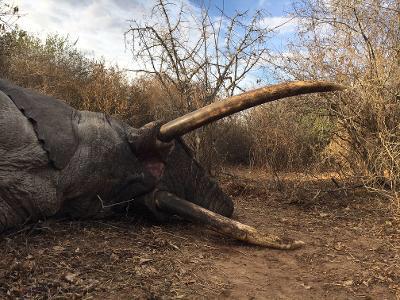
Legendary Selous Safari for Elephant, Lion and Leopard
Booking Season: 2026
Hunt Difficulty: Difficult

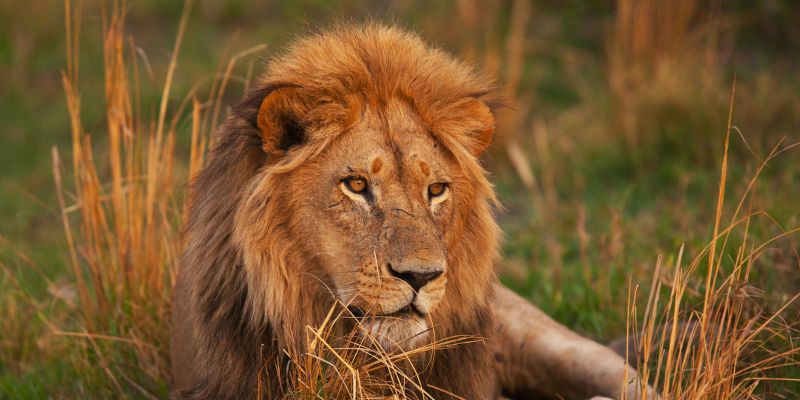
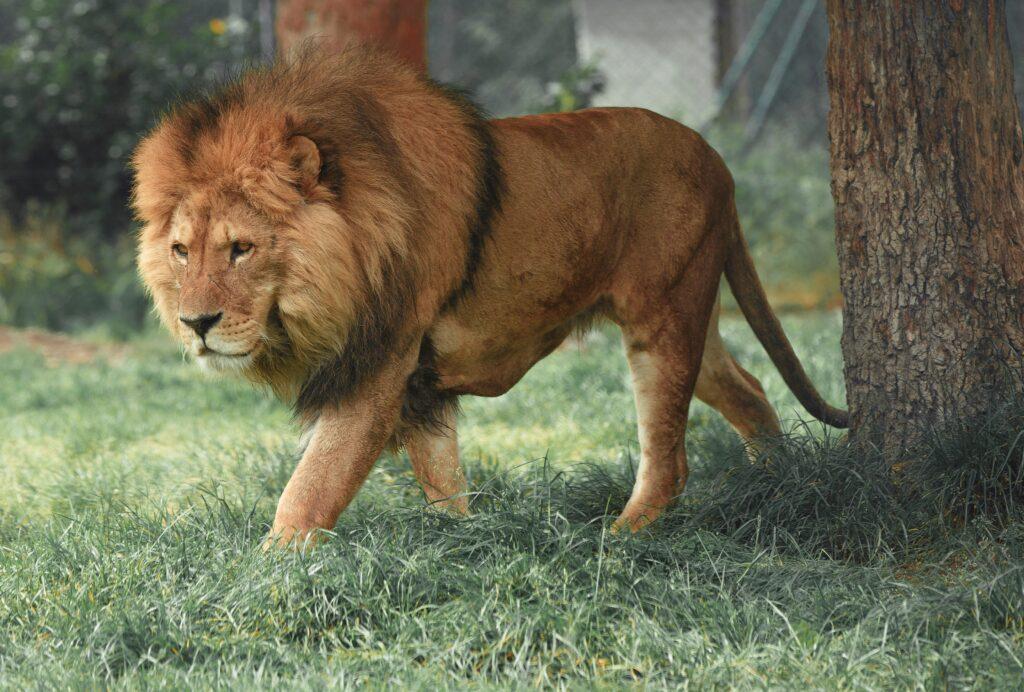
When reflecting on dangerous game hunting in Africa, top of the list of many hunters’ bucket lists, and often considered the pinnacle of big game hunting in Africa, is the Lion. This dangerous African cat is found across sub-Saharan Africa, inhabiting a range of ecosystems including savannas, grasslands, open woodlands, and semi-arid deserts. Lions prefer habitats with sufficient cover to allow the stalking of prey, as well as open areas for hunting.
For American hunters planning their first African dangerous game safari, pursuing a lion represents the ultimate challenge. Few hunts demand the same level of preparation, patience, and respect as coming face-to-face with Africa’s most iconic predator.
At Game Hunting Safaris we work with experienced professional hunters across Africa to help international hunters identify legitimate lion hunting opportunities and avoid the common mistakes that can occur when booking dangerous game safaris.
A successful Lion hunt needs the hunter to be on top form, demanding sharp tracking skills, patience, and respect for the dangerous nature of the animal. Lion hunting tests a hunter’s stealth and endurance, often involving long hours in the African bush under tough conditions. To come face-to-face with one of Africa’s most dangerous apex predators and successfully harvest it: priceless!
Humans have hunted lions for hundreds of years, mainly for survival and protection, but this king of the beasts has also become a sought-after trophy for hunters. Lion hunting remains a popular pastime that provides revenue for conservation programs and initiatives, with local communities also benefiting from hunting safaris.
Lion populations have faced pressures from habitat loss, human conflict, and poaching, with numbers decreasing by more than 40% in some regions. However, through conservation initiatives, they continue to grow in many African countries.
Big Game Hunting is popular throughout Africa, and lion hunts are available in numerous countries, including Zimbabwe, Zambia, Tanzania, South Africa, Namibia, Botswana, and Mozambique.
Lion hunts are usually conducted as part of 10–21 day dangerous game hunting safaris, depending on the country and concession.
Because lions are territorial animals that move across large areas, hunts often require several days of tracking, scouting, and bait preparation before a mature male is located.
Available Lion Hunts
Legendary Selous Safari for Elephant, Lion and Leopard
Booking Season: 2026
Hunt Difficulty: Difficult
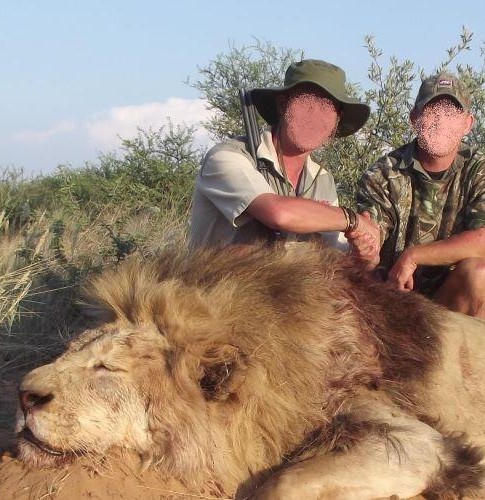
Lion Hunting Safari in Kalahari, South Africa
Booking Season: 2026
Hunt Difficulty: Difficult

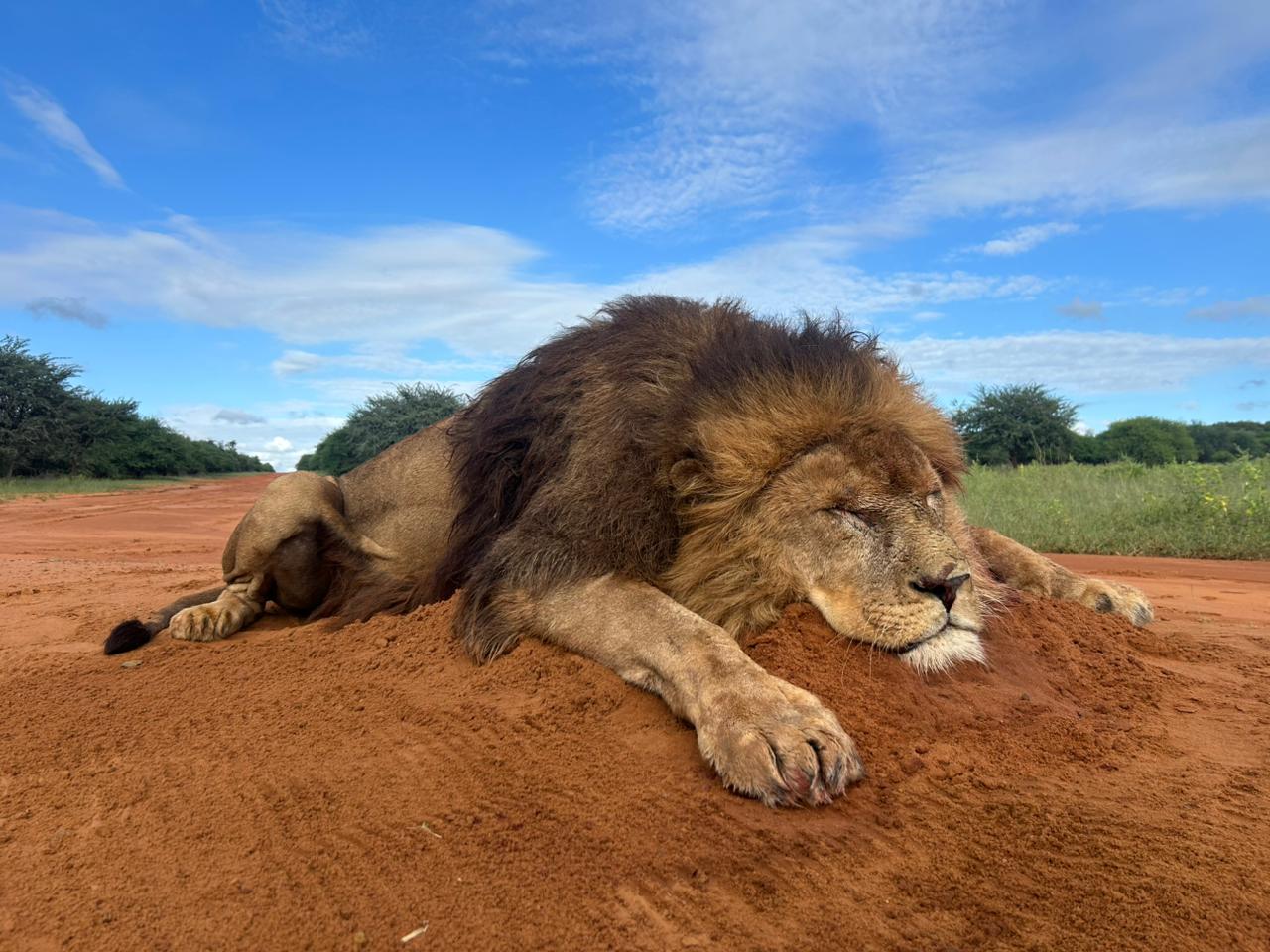
17-Day Free-Range Lion Hunt Near Hwange
Booking Season: 2026
Hunt Difficulty: Difficult
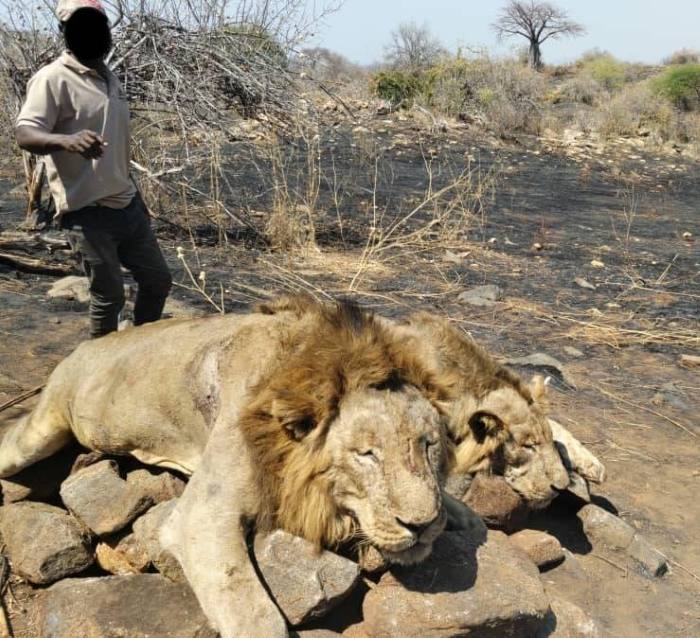
16-Day Lunda Nkwambi Lion Safari
Booking Season: 2026
Hunt Difficulty: Difficult
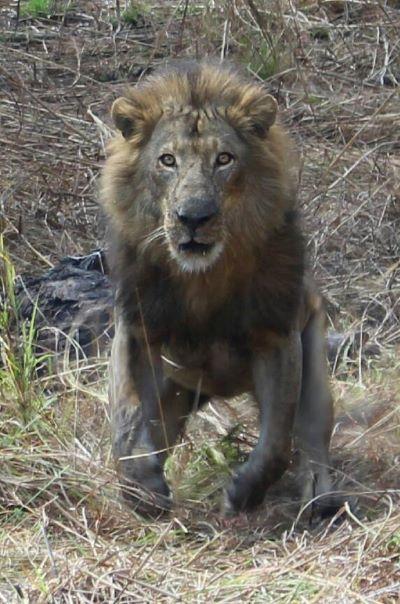
Trophy Lion Hunting 21 Days in Untamed Rufunsa GMA Zambia
Booking Season: 2026
Hunt Difficulty: Difficult
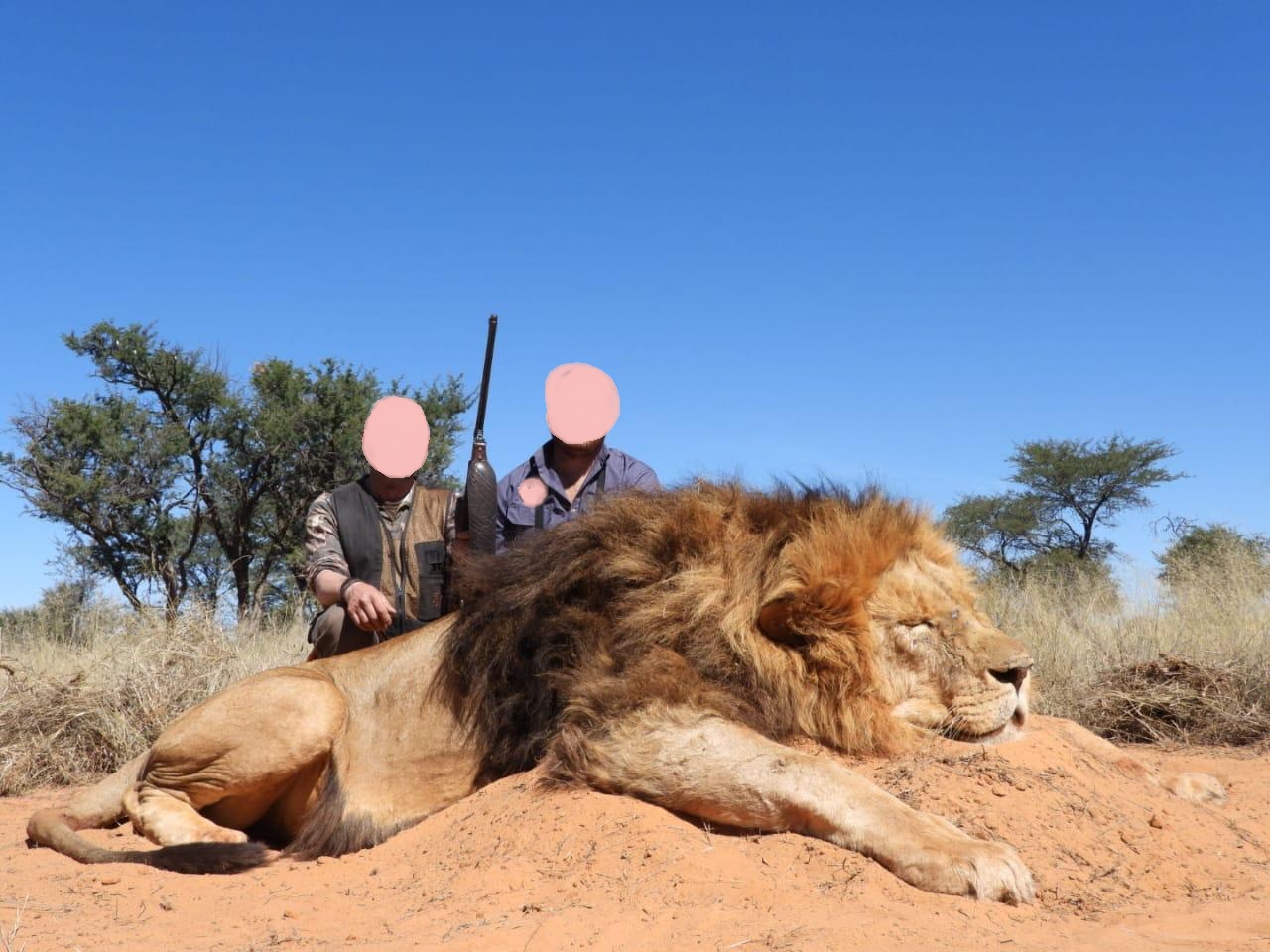
Hunt Lion, Leopard and Cape Buffalo in Zimbabwe, Save Valley
Booking Season: 2026
Hunt Difficulty: Difficult
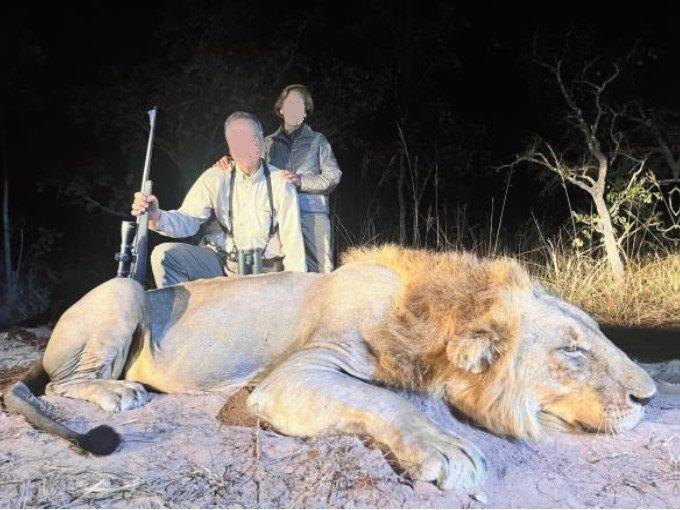
Free-Range Lion & Buffalo Safari in Niassa
Booking Season: 2026
Hunt Difficulty: Difficult
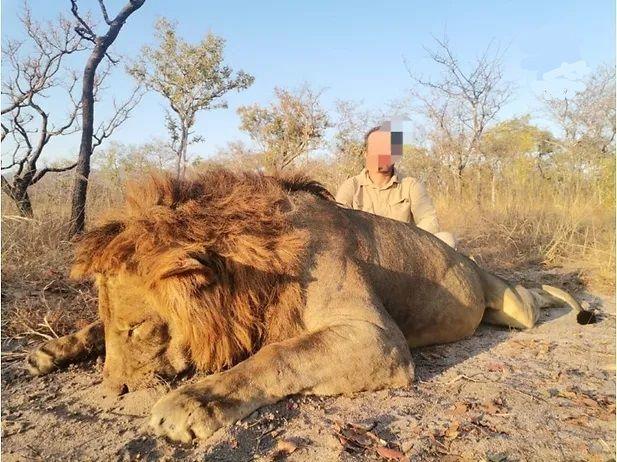
Niassa Full Bag Safari: Lion, Leopard & Buffalo
Booking Season: 2026
Hunt Difficulty: Difficult
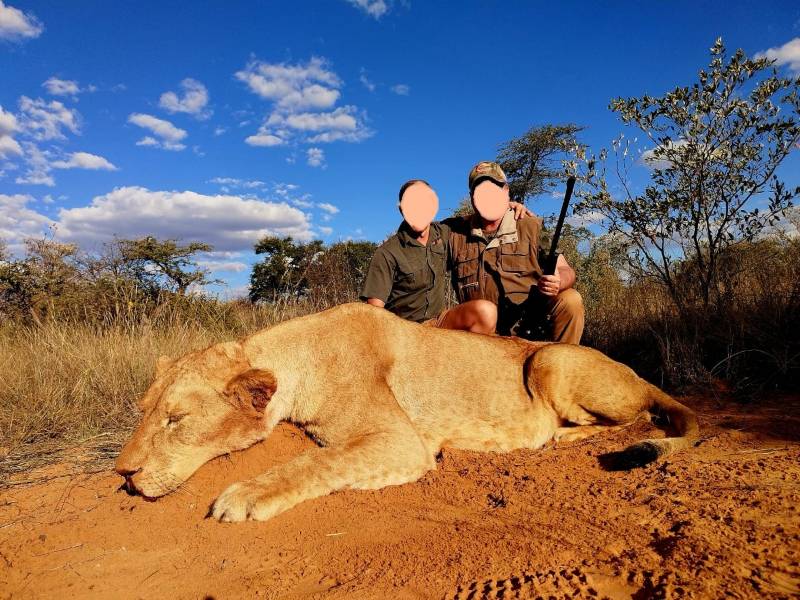
5-Day Lioness Hunting Safari in South Africa
Booking Season: 2026
Hunt Difficulty: Difficult
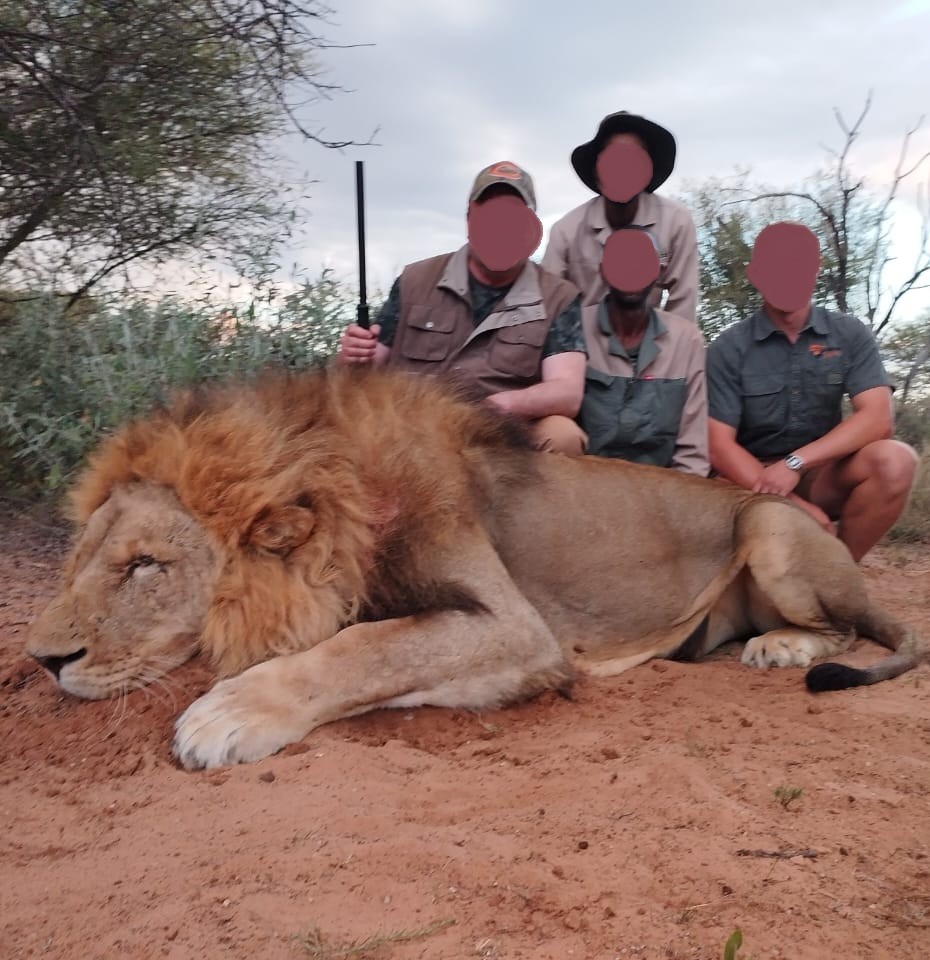
5-Day Lion Hunting Safari in South Africa
Booking Season: 2026
Hunt Difficulty: Difficult
Hunters are spoilt for choice when it comes to a lion hunt, with both fenced and free-range hunts still available. South Africa offers fenced and free-range lion hunting safaris, and hunting in South Africa provides well-regulated opportunities for international hunters, with popular locations including Limpopo and the North West Province.
Prime locations for lion hunting in Namibia are the northern areas of the country, close to Etosha, as well as the Zambezi Region, formerly known as the Caprivi Strip.
From the Selous region to Maasailand, lion hunting in Tanzania offers access to quality trophies in immense free-range concessions. Western Tanzania is known for large-bodied, black-maned lions, while southern Tanzania also produces mature lions in traditional wilderness hunting areas.
Botswana’s lion hunting regions include the arid Kalahari Desert and the Okavango Delta, both of which are known for producing impressive lions.
Hunting in Mozambique produces some top-tier trophies, with popular hunting locations including the Niassa Reserve and the Marromeu Complex. Remote areas such as Niassa provide opportunities for lion hunting in vast, unfenced wilderness concessions.
While lion hunting safaris can take place in several areas of Zambia, the Luangwa Valley remains one of the country’s best-known lion hunting regions.
Zimbabwe remains one of the most respected destinations for traditional lion hunting safaris, particularly in areas such as the Save Valley Conservancy, Matetsi Units and the Hwange region, where large wild concessions allow lions to roam freely.
In some regions, including South Africa, lion hunts may be conducted throughout much of the year. Across most traditional free-range lion hunting destinations, however, the dry season, generally between May and October, provides the most practical hunting conditions.
During the dry season, vegetation becomes thinner, improving visibility and making it easier to identify tracks, bait locations and lion movement around remaining water sources.
Dry conditions also help professional hunters and trackers locate fresh spoor and understand the movement patterns of territorial male lions. The best months will still depend on the country, concession, rainfall and hunting method being used.
Rules governing hunting hours, artificial lights and the use of bait differ between countries and concessions. Hunters should confirm the current regulations with their outfitter before booking, particularly when considering Zimbabwe or Mozambique.
Lion hunts are among the most specialized dangerous game safaris offered in Africa and require experienced professional hunters, suitable hunting areas and, in many countries, limited government quota.
Prices vary according to the type of lion hunt. Managed or fenced lion hunts in South Africa may be advertised below $35,000, while traditional free-range lion hunts in countries such as Zimbabwe, Mozambique and Zambia commonly cost between $35,000 and $80,000 or more. Premium lion safaris in Tanzania can exceed $100,000 once the required safari length, government licenses, trophy fees and concession costs are included.
Hunters should establish whether an advertised price includes the daily rate, lion trophy fee, government permit, baiting costs, charter flights and trophy handling. Exportability must also be confirmed before booking, particularly for hunters returning to the United States or Canada.
Many outfitters begin baiting several days before the hunter arrives in camp to locate mature territorial males. This preparation, together with limited quota and longer safari periods, contributes to the cost of a traditional free-range lion hunt.
Hunters comparing destinations and budgets can explore our African Hunting Safari Prices guide to understand how lion hunts compare with other African hunting safaris.
A lion hunt is one of the most serious dangerous game pursuits available in Africa. Tracking or waiting for a mature male requires patience, discipline and the ability to remain composed when an encounter develops at close range.
The challenge extends well beyond taking the shot. Hunters must work closely with the professional hunter and tracking team, follow changing spoor and wind conditions, and accept that several days may pass before the right lion presents a responsible opportunity.
Where regulated hunting programs and community revenue-sharing structures are properly managed, lion hunts can generate income for wildlife management, anti-poaching work, hunting-area protection and people living alongside dangerous wildlife.
For hunters from the United States or Canada, pursuing a mature African lion is often the culmination of years of planning and previous safari experience.
Lion hunts may also be combined with other dangerous game species where quota and safari length allow. Cape buffalo hunting safaris provide a different close-range tracking challenge, while leopard hunting safaris require patience, careful preparation and a highly specialized approach.
A mature male lion trophy is typically judged by mane size, body condition, skull size, and overall maturity rather than simply body weight.
Large black-maned lions from Tanzania and parts of southern Africa are particularly sought after by dangerous game hunters.
Lion hunts are best suited to experienced hunters who understand the patience, discipline and responsibility involved in pursuing dangerous game. Many hunters considering lion have already completed plains game or dangerous game safaris and are comfortable following the direction of a professional hunter in high-pressure situations.
The hunt may involve days of checking tracks, monitoring bait sites or scouting large concessions without a clear shot opportunity. When an encounter finally develops, it can happen quickly and at close range. The hunter must be able to remain calm, identify the correct target and make a controlled decision without forcing the opportunity.
A lion hunt is unlikely to suit someone looking for a relaxed safari, frequent shooting or a predictable outcome. It also requires a hunter who accepts that the professional hunter may decide not to proceed when the lion, angle or conditions are not right.
For the right hunter, the appeal lies in the preparation, teamwork and patience required, not simply the moment of taking the shot.
Most lion hunting safaris last between 10 and 21 days, depending on the country, concession and species included in the license. The hunt often begins before the hunter arrives, with the professional hunter and tracking team scouting the area, identifying lion movement and preparing bait sites where this method is permitted.
Once the safari begins, fresh spoor, trail-camera images, bait activity and reports from trackers or local communities help the hunting team identify which lions are moving through the area. The objective is not simply to locate a lion, but to confirm a mature, legal male and understand how it is using the concession.
On a baited hunt, carcasses are placed in carefully selected locations and monitored for activity. Once the right lion begins feeding consistently, a blind is prepared downwind and the team waits for it to return. Wind direction, human disturbance and changes in the lion’s movement can affect the setup overnight.
Tracking hunts involve following fresh spoor on foot until the lion is located. This can take several hours or continue across multiple days, particularly when a territorial male moves through thick cover or across a large hunting area.
Some days may produce little visible progress. On another day, a close-range encounter can develop within minutes. Both methods require patience, teamwork and the discipline to wait until the professional hunter confirms that the lion and shot opportunity are right.
A standard Lion hunting safari will include the basic service offerings such as accommodation, meals, drinks, professional hunter, camp staff, trackers, on-territory transport, and field preparation of the Lion trophy.
Lion hunting in Africa is strictly regulated by wildlife authorities and international agreements such as CITES, with each hunt requiring permits and export documentation.
Transfers from your arrival point into the country, to the hunting concession and return (road or private air charter)
The Lion trophy fee is often shown separately as it is refundable if the hunt is not successful
Dip and pack of the trophy
Taxidermy and international shipping options
Always follow the instructions of your professional hunter, particularly when approaching a lion or following a wounded animal.
Study lion behavior and understand proper lion shot placement before the safari.
Be physically prepared for long days checking tracks, bait sites and hunting areas in difficult conditions.
Practise shooting from the positions likely to be used during the hunt, including from shooting sticks and inside a blind.
Use a rifle that meets the legal requirements of the destination and that you can shoot accurately under pressure. The .375 H&H Magnum is widely used for lion hunting, although regulations differ between countries.
Remain patient and never pressure the professional hunter into taking a marginal shot opportunity.
Lion hunting success rates vary depending on the hunting area, the quality of the concession, the available quota and the experience of the outfitter.
In well-managed hunting areas, allocating enough time gives the professional hunter and tracking team a better opportunity to locate and assess a mature legal male, but no responsible outfitter should guarantee success.
Mature males can move considerable distances, avoid bait sites or become difficult to track when pressured. Weather, competing predators and changes in lion movement can also affect the hunt.
Hunters who understand the process and accept its uncertainty are better prepared than those expecting a quick or guaranteed result. Choosing the right hunting area and allowing enough time remain two of the most important considerations when planning a lion hunt.
Choosing the right lion hunting safari involves more than selecting a destination. The quality of the concession, the experience of the Professional Hunter, the time available for the hunt, and the overall safari objectives all influence the outcome. Hunters comparing available Hunting Trips can explore current safari options across Africa before deciding which lion hunt best matches their expectations.
If you would like independent advice on planning a lion hunt, our team can help you compare destinations, concessions and available safari dates to find the right hunt for your goals.
Lion (Panthera leo) is listed as vulnerable by the IUCN; a CITES permit is required.
Regulated lion hunting contributes funding toward wildlife conservation programs, anti-poaching operations, and community wildlife initiatives across Africa.
Search from our range of Hunts across various popular destinations in Africa.

Book Your Hunt