
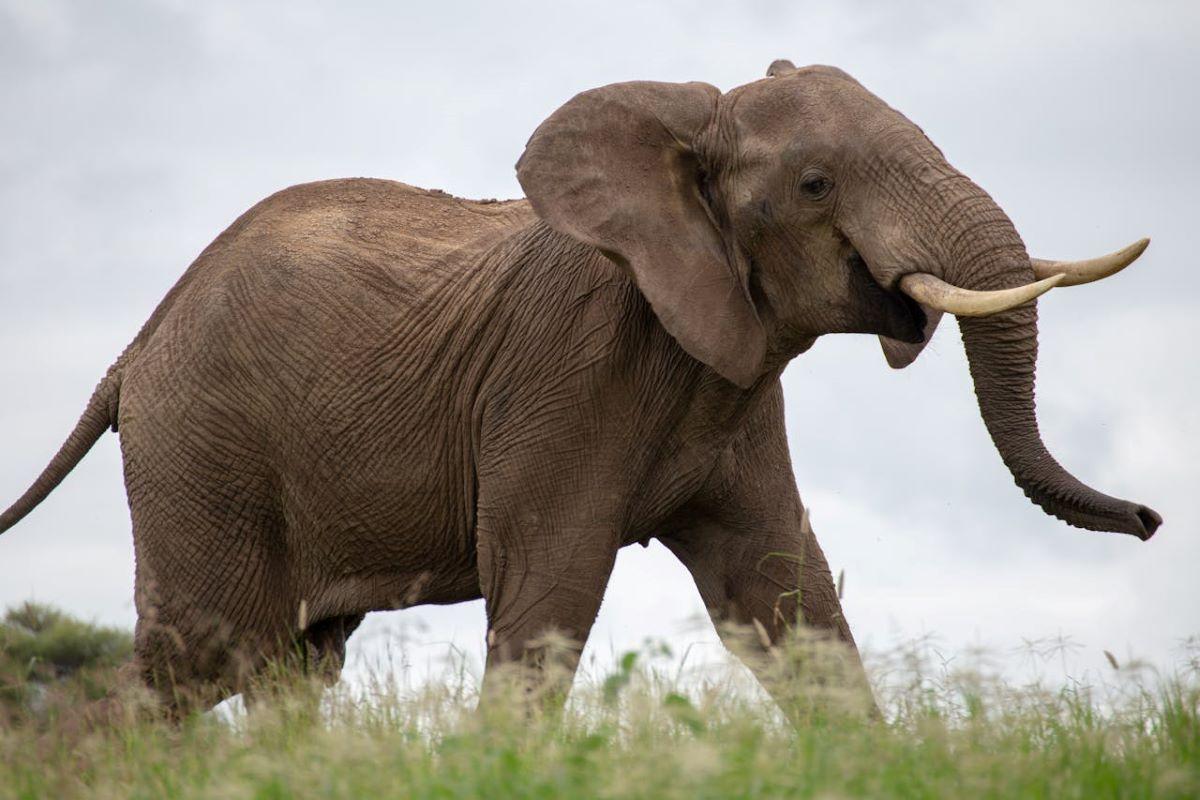
More than the Trophy Photo
To many people outside Africa, elephant hunting is reduced to a single image: a hunter standing beside a massive bull. What rarely enters the conversation are the trackers following spoor at first light, the camp staff operating deep in remote safari concessions, the villages receiving meat after a successful hunt, or the wilderness areas that remain economically active because hunters continue traveling into them.
In Botswana, the realities surrounding elephant hunting are far more complex than most outsiders ever see.
For professional hunters, trackers, and returning safari clients, an elephant safari is not simply about taking an animal. It is also tied to remote employment, maintaining safari infrastructure in wild country, and preserving economic value in areas where wildlife still dominates the landscape.
The subject remains controversial, and opinions surrounding African elephant hunting will always be deeply emotional. But on the ground in Botswana, the hunter’s role is often far more practical and human than international headlines suggest.
Many Americans who travel to Africa for dangerous game safaris eventually discover that the experience becomes less about the trophy itself and more about the people, landscapes, and realities of life in wild elephant country.
[DYNAMIC-BLOGTABLEOFCONTENT]
Botswana as Elephant Country
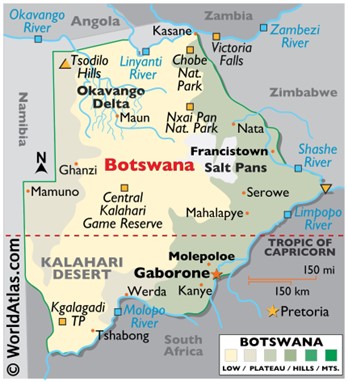
Botswana remains one of Africa’s most respected destinations for hunting in Botswana, known for its vast wilderness areas, remote safari concessions, and exceptional elephant populations.. From the waterways of the Okavango Delta to the dry sands of the Kalahari, the country offers a style of safari that still feels physically demanding, unpredictable, and deeply connected to wild Africa.
For experienced hunters, the appeal of a Botswana elephant safari lies not only in the size of the bulls, but in the scale of the country itself. Tracking elephant across remote concessions, following spoor through mopane and sandveld, and hunting in areas with limited infrastructure creates a very different experience from more commercialized safari destinations elsewhere on the continent.
Botswana is also well known for its dangerous game hunting opportunities beyond elephant, particularly for Cape buffalo hunts and leopard hunts in carefully managed concessions where trackers and professional hunters still play a central role in the hunt.
The hunting season typically runs from March through November, with the dry winter months generally providing the best tracking conditions for elephant hunting in Botswana as water sources shrink and game movement becomes easier to predict.
Elephant Hunting in Botswana Today
Botswana remains one of the few African countries still offering regulated elephant hunting in large free-range wilderness areas. Following the country’s hunting ban between 2014 and 2019, elephant hunting was reintroduced under a controlled quota system intended to balance conservation management with rural economic interests.
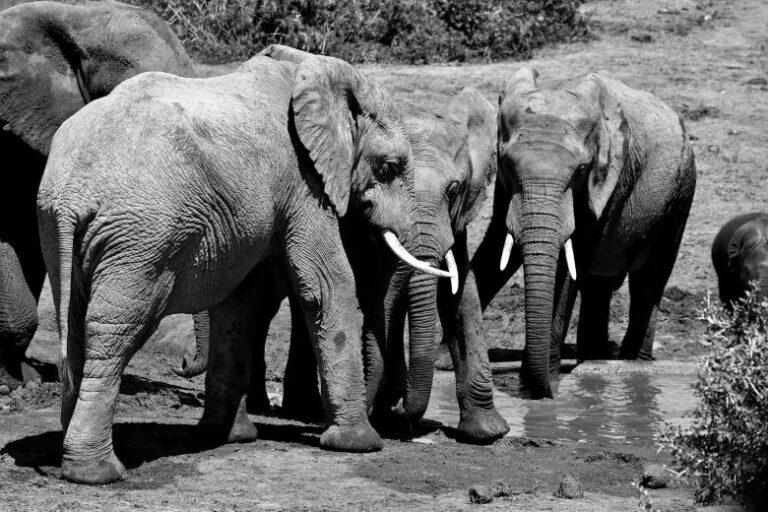
Most elephant hunts today take place in northern Botswana, particularly in concessions surrounding the Okavango Delta and adjoining wilderness regions where elephant populations remain high. These areas continue supporting large numbers of free-ranging elephant moving across unfenced landscapes shared with buffalo, leopard, and other dangerous game species.
Elephant hunting quotas in Botswana are strictly regulated, and all hunts require the appropriate government permits and CITES documentation for legal trophy export. International scrutiny surrounding elephant hunting remains significant, particularly following the African bush elephant’s endangered classification on the IUCN Red List.
For hunters considering a Botswana elephant safari, modern elephant hunting in the country operates inside a far more regulated and globally observed environment than many traditional safari destinations of previous decades.
Safari Camps and Remote Employment
One of the least visible aspects of elephant hunting in Botswana is the number of people required to keep remote concessions operating throughout the hunting season. In many hunting concessions, camps create long-term employment opportunities in regions where economic options may otherwise be limited.
A single elephant safari often depends on an entire network of local staff working behind the scenes. Trackers, skinners, camp cooks, drivers, mechanics, housekeeping staff, and maintenance crews all contribute to keeping camps functional in isolated areas far from major towns or tourism infrastructure.
Qualified trackers remain especially important during dangerous game safaris. Many have spent decades working in the bush and possess an intimate understanding of elephant movement, spoor interpretation, water access points, and seasonal wildlife behavior across their concession areas.
Beyond direct employment, active concessions also help maintain roads, airstrips, vehicles, equipment, and communication systems in remote wilderness regions that might otherwise receive little ongoing investment or oversight. In some concession areas, outfitters are expected to contribute directly to surrounding communities through infrastructure projects and local support initiatives. Depending on the region and lease agreements involved, this may include assistance with schools, community centers, boreholes, access roads, or other forms of rural development tied to the continued operation of the concession.
While these arrangements vary across Botswana, they form part of the broader reality surrounding modern safari hunting in remote areas where wildlife, land use, and local communities remain closely connected.
In some areas of northern Botswana, hunting camps also contribute to year-round anti-poaching presence simply through continued activity in regions holding elephant, buffalo, and leopard populations. While photographic tourism dominates parts of the country’s safari industry, many remote concessions still rely heavily on seasonal hunting activity to remain economically operational.
For many visiting hunters, spending time alongside professional hunters, trackers, and camp staff becomes one of the most memorable parts of the safari itself. Spending time alongside trackers, camp staff, and professional hunters also exposes many visiting hunters to the realities of how remote safari concessions continue operating in modern Botswana.
Meat Distribution and Local Communities
One aspect of elephant hunting rarely understood outside Africa is the scale of meat distribution that follows a successful hunt. Processing a mature elephant is an enormous undertaking requiring speed, coordination, and manpower, particularly in the heat of northern Botswana where meat must be handled quickly before spoilage becomes a serious problem.
Trackers, skinners, camp staff, and local community members may all become involved once the animal is recovered. The process is physically demanding, fast-moving, and often chaotic, with large quantities of meat needing to be cut, transported, and distributed efficiently across surrounding villages and settlements.
For some first-time hunters, witnessing this process can be one of the most humbling parts of the entire safari. The reality becomes very different from the simplified trophy image often seen online. Very little of the animal goes to waste, and a single elephant may ultimately provide meat for large numbers of people living in remote areas where access to protein can be limited.
For many hunters, seeing how much food, labor, and community involvement surrounds a single elephant changes their understanding of the hunt itself. It becomes clear that the experience extends far beyond the trophy photo that so often dominates international criticism and online debate.
In many parts of Botswana, this practical relationship between wildlife, rural communities, and safari hunting remains an important part of the broader conservation landscape surrounding elephant management today.
In many rural parts of Botswana, people living alongside elephant populations also face very real daily challenges. Crop damage, water access issues, and encounters between elephants and local communities remain part of life in some areas bordering wildlife concessions. For many people working within the safari industry, conservation is therefore not an abstract concept, but something tied closely to land use, livelihoods, and coexistence with dangerous wildlife.
The Safari Economy Extends Beyond the Hunt
The impact of an elephant safari in Botswana does not end once the hunt is over. Long after hunters leave camp, an extensive network of professionals remains involved in processing, documenting, and preparing trophies for legal export.
Taxidermists, dip-and-pack facilities, shipping agents, veterinary officials, government permit offices, and freight handlers all form part of the broader safari industry connected to dangerous game hunting across southern Africa.
Every legally exported elephant trophy requires extensive documentation, including veterinary inspections, export permits, and CITES paperwork before it can eventually be shipped abroad. In many cases, the process continues for months after the safari itself has ended.
For outfitters operating in remote concessions, the safari economy therefore extends far beyond the days spent in the field. Local staff, logistics providers, taxidermists, government agencies, and surrounding communities may all remain connected to the process long after the hunter has returned home.
For many visiting hunters, this broader understanding of how many people and industries become involved in a single safari often changes the way they view elephant hunting in modern Africa.
What Hunters Often Leave With
For many hunters, an elephant safari in Botswana leaves a lasting impression that extends well beyond the hunt itself. Long days spent in remote concessions, time shared with trackers and camp staff, and exposure to the realities of life in elephant country often change the way visitors understand both wildlife and conservation in Africa.
The experience can be physically demanding and deeply humbling. It also exposes hunters to a side of Botswana rarely visible in online debates or trophy photographs — one shaped by wilderness, rural communities, difficult coexistence with dangerous wildlife, and the people whose livelihoods remain closely connected to the land.
Whether one agrees with elephant hunting or not, the realities surrounding it in Botswana are rarely as simple as they appear from a distance.
Frequently Asked Questions About Elephant Hunting and Conservation in Botswana
How do local communities benefit from elephant hunting in Botswana?
In some regions of Botswana, regulated elephant hunting contributes to local economies through employment, infrastructure support, meat distribution, and concession-related activity. Safari camps operating in remote areas often employ trackers, skinners, camp staff, mechanics, drivers, and maintenance crews, while some concessions also contribute toward schools, boreholes, access roads, and other community projects tied to lease agreements and hunting operations.
What happens to the meat after an elephant hunt in Botswana?
Following a successful elephant hunt, large quantities of meat are often distributed among camp staff and surrounding rural communities according to local regulations and arrangements. Processing an elephant requires significant manpower and coordination, particularly in warm conditions where the meat must be harvested quickly to avoid spoilage. Very little of the animal typically goes to waste, and a single elephant may ultimately provide meat for large numbers of people living in remote areas.
Do elephant hunting safaris create jobs in Botswana?
Yes. Elephant hunting safaris support a wide network of employment opportunities both inside and outside the safari camp itself. Trackers, skinners, cooks, drivers, anti-poaching scouts, camp managers, taxidermists, dip-and-pack facilities, shipping agents, and government permit offices may all form part of the broader safari industry connected to dangerous game hunting in Botswana.
What happens after an elephant trophy leaves the safari camp?
Once a safari concludes, the trophy typically enters a lengthy legal export and preparation process. Veterinary inspections, export permits, CITES documentation, dip-and-pack services, taxidermy preparation, freight handling, and international shipping may all take place before the trophy eventually reaches its final destination abroad. In many cases, this process continues for months after the hunt itself has ended.
Why do some rural communities support elephant hunting in Botswana?
In parts of rural Botswana, people live in close proximity to large elephant populations and may regularly experience crop damage, infrastructure destruction, water access issues, or dangerous encounters with wildlife. As a result, attitudes toward elephant hunting are often shaped by practical realities surrounding land use, livelihoods, employment, and coexistence with dangerous animals rather than by international media narratives alone.