
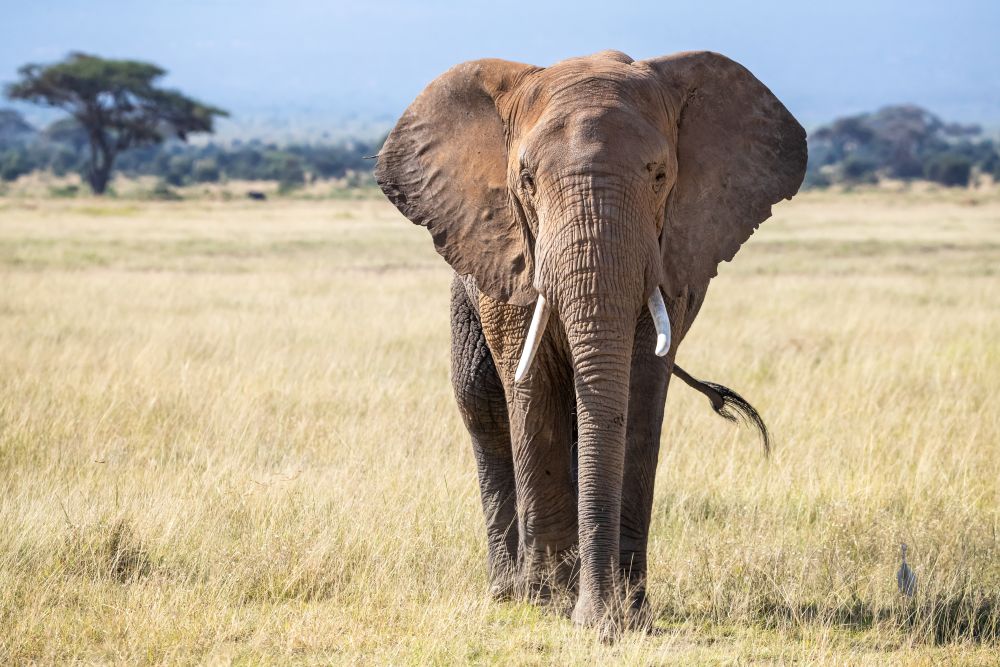
Everyone has an opinion about which member of the Big Five should come first. Ask five Professional Hunters and you'll probably hear five different answers. Some will tell you to start with buffalo because it teaches the fundamentals of dangerous game hunting. Others will point to elephant, lion or leopard, each for their own reasons.
The truth is that there is no universal answer. The challenge you enjoy, the amount of time you have available, your budget and the type of safari you want all influence which species is the right place to begin. Choosing your first Big Five Hunting safari is therefore about far more than selecting an animal from a list.
The Big Five are not simply five versions of the same hunt. Tracking an old buffalo bull through mopane woodland bears little resemblance to waiting over bait for a mature leopard, while following elephant tracks across the Kalahari demands a completely different mindset. Every species asks different questions of the hunter, and each rewards a different set of skills.
The first Big Five hunt rarely stands alone. It often becomes the beginning of a much broader journey into African Hunting Safaris. Rather than asking which Big Five animal is best, a better question is which hunt best matches your expectations. The answer often leads to a safari that is not only more enjoyable, but also lays the foundation for many return trips to Africa.
[DYNAMIC-BLOGTABLEOFCONTENT]
Start With the Hunter, Not the Animal
The biggest mistake a hunter can make is choosing a member of the Big Five because someone else says it should come first. Every dangerous game species offers a completely different challenge, and no single hunt is the right starting point for everyone.
Before deciding whether buffalo, elephant, lion, leopard or rhino belongs at the top of your list, spend a little time thinking about the kind of hunt you genuinely enjoy. Do you like covering long distances on foot, reading spoor and tracking game through wild country? Or would you rather spend hours watching and waiting for one carefully planned opportunity? Some hunters enjoy physically demanding safaris, while others are drawn to the patience, planning and precision that certain species demand.
There is no right or wrong answer. The most rewarding safari is usually the one that suits your hunting style rather than someone else's idea of the perfect hunt.
The right first Big Five hunt is usually the one that best matches your personality as a hunter. Once you understand what kind of challenge you are looking for, choosing the right species often becomes far easier.
If You Love Tracking, Start with Buffalo
Hunters who enjoy covering ground on foot, reading spoor and solving the puzzle of a fresh track often find themselves naturally drawn towards Cape Buffalo Hunts. There is a reason so many Professional Hunters recommend buffalo as a first dangerous game safari. Success depends less on luck and more on consistently making good decisions throughout the day.
A buffalo hunt teaches lessons that carry across almost every dangerous game safari. Wind direction, patience, communication with your hunting team and learning when to move or wait all become part of the hunt. The closer you get to an old dagga boy, the more every small decision begins to matter.
Buffalo hunting is also one of the most versatile ways to begin your Big Five journey. Depending on the destination and available time, many hunters combine buffalo with plains game or other dangerous game species, allowing a safari to become far more than the pursuit of a single animal.
If you enjoy active hunting where every day is different and every track tells part of the story, buffalo is often a natural place to begin. A buffalo hunt also introduces hunters to the pace of dangerous game hunting. Every fresh track has the potential to change the day, making flexibility just as important as careful planning.

If You Enjoy Covering Big Country, Elephant May Be the Better Fit
Not every hunter measures a successful day by how close they get to an animal. Some enjoy covering vast landscapes, following fresh tracks for hours and discovering where they lead. For hunters who enjoy spending long days tracking, Elephant Hunts often provide exactly that challenge.
Elephant hunting is rarely rushed. A day's tracking may cover many miles as Professional Hunters interpret spoor, judge the size and age of a bull, and decide whether to continue or look for another track. Patience, endurance and careful observation often matter far more than speed.
Unlike buffalo, elephant tracking often becomes a lesson in reading an entire landscape. Fresh feeding sign, broken branches, dung, water sources and wind direction all help Professional Hunters understand where the herd is moving and whether it can be approached safely. Hunters who enjoy solving that puzzle often find the tracking every bit as rewarding as the destination.
The scale of the hunt is also different. Following elephant through wilderness offers an appreciation for Africa that extends well beyond the animal itself. Along the way, hunters often encounter buffalo, plains game and countless other species, making the journey through the landscape just as memorable as the opportunity itself.
Elephant hunting appeals to hunters who enjoy walking, reading the country and embracing the uncertainty that comes with tracking game across vast wilderness. If that sounds like your kind of hunting, elephant may be the ideal place to begin your Big Five journey.
If Patience Comes Naturally, Consider Leopard
Some hunters enjoy action. Others are fascinated by the mental challenge of putting together a hunt that may take days before a single opportunity presents itself. If you enjoy planning, problem-solving and paying attention to the smallest details, Leopard Hunts may be exactly the kind of safari you are looking for.
A leopard hunt often begins long before anyone enters a blind. Days may be spent selecting bait trees, dragging scent trails, studying trail camera photographs and adjusting plans as the leopard's behaviour changes. Every decision builds on the one before it, and success rarely comes from rushing the process.
Some of Africa's finest leopard hunting areas are also remarkably remote. A hunter may spend days following the same routine, checking baits at first light, refreshing drag lines and waiting patiently while very little appears to change. Mentally, that can be far more demanding than walking long distances behind buffalo or elephant tracks. The challenge is remaining focused when every instinct tells you that nothing is happening, even though the Professional Hunter knows the hunt may change in a single evening.
When the opportunity finally comes, it is usually because patience, discipline, careful planning and a measure of good fortune have all come together. Even then, success is never guaranteed. Leopards have an uncanny ability to appear when least expected and disappear just as quickly, which is why experienced hunters often describe leopard hunting as a test of patience more than marksmanship.
Hunters who enjoy solving difficult problems and the challenge of letting a hunt develop in its own time often discover that it becomes one of the most rewarding hunts Africa has to offer.

If You Enjoy Reading Animal Behaviour, Lion May Be the Right Choice
Some hunters are fascinated by the way animals use the landscape around them. They enjoy observing behaviour, recognising patterns and understanding why an animal moves when it does. If that sounds familiar, Lion Hunts may be the natural place to begin your Big Five journey.
Lion hunting is often less about covering long distances and more about interpreting the behaviour of an individual animal. Professional Hunters spend considerable time assessing tracks, identifying mature males and understanding how lions move through their territory.
The challenge is rarely finding a lion. It is finding the right lion and recognising when the conditions are right to continue the hunt. Every decision, from selecting a bait site to recognising when a lion has become comfortable returning to an area, is guided by careful observation rather than chance.
Unlike buffalo or elephant, where the hunt often develops through constant movement, lion hunting rewards hunters who appreciate allowing a carefully considered plan to develop. Knowing when to wait can be just as important as knowing when to act, and small changes in a lion's behaviour often influence every decision that follows.
Patience remains important, but so does judgement. Understanding the difference between opportunity and the right opportunity is often what defines a successful lion hunt.
If Conservation Matters Deeply to You, Consider Rhino
Rhino hunting often prompts more questions than any other member of the Big Five. Some hunters have dreamed of pursuing a mature bull for decades, while others are uncertain because they associate rhinos only with headlines about poaching and declining populations. Taking the time to understand how legal rhino hunting is managed can therefore become an important part of deciding whether this safari is right for you.
A Rhino Hunt is as much about conservation as the hunt itself. In countries where tightly regulated hunting is permitted, every safari operates under strict government controls and forms part of a broader wildlife management programme. Revenue generated through legal hunting helps fund habitat protection, security, veterinary care and the long-term management of privately owned rhino populations.
Not every hunter chooses to harvest a rhino. Some prefer to participate in a green hunt, where the animal is darted for management, veterinary treatment or relocation rather than harvested. For others, simply understanding how sustainable hunting contributes to rhino conservation changes the way they view the species.
Choosing rhino as your first Big Five animal is therefore often a personal decision rather than a hunting decision. Hunters who enjoy understanding the conservation story behind the safari and want to see first-hand how wildlife management works may find it to be one of the most meaningful experiences Africa has to offer.

Your Rifle May Influence Your Decision
The type of rifle you enjoy shooting can also influence which member of the Big Five feels like the right place to begin. Some hunters are completely comfortable carrying a heavy dangerous game rifle fitted with open sights, while others have spent years developing confidence with a scoped rifle that allows precise shot placement at longer distances.
That doesn't necessarily make one hunt better than another, but it can influence where you feel most confident. Buffalo and elephant are often associated with larger calibres carried at relatively close range, while lion and leopard are frequently hunted with accurate scoped rifles that many hunters already know well.
The most important consideration is not the calibre itself. It is carrying a rifle that you shoot confidently and accurately under hunting conditions. Confidence behind the rifle often contributes far more to a successful safari than simply choosing the biggest calibre available.
There Is No Wrong Place to Begin
Every member of the Big Five offers something different. Buffalo teaches close-range decision-making. Elephant rewards patience and persistence across vast landscapes. Leopard tests mental discipline, while lion hunting is built around understanding behaviour and recognising the right opportunity. Rhino offers a unique insight into modern wildlife conservation. None is inherently better than another, only better suited to different hunters.
Practical considerations also play a role. Budget, available time, preferred hunting destination and the species you hope to pursue alongside your first Big Five animal can all influence the right decision. A buffalo hunt may combine naturally with plains game, while elephant or lion safaris often require more time. Understanding how African Hunting Safari Prices are structured before making a final decision helps ensure your expectations match the safari you are planning.
The best first Big Five hunt is rarely the one someone else recommends. It is the one that matches the way you enjoy hunting, the challenge you are looking for and the memories you hope to take home. Every hunter starts somewhere, and choosing the right first safari often becomes the beginning of many more.
If you're ready to start planning, our carefully selected African Hunting Trips can help you compare destinations, species and safari styles to find the hunt that best matches your goals.
Frequently Asked Questions
Which Big Five animal is best for a first-time dangerous game hunter?
There is no single answer. The best first Big Five hunt depends on your hunting style, budget, fitness, available time and the type of challenge you enjoy. Buffalo is often recommended because it teaches many of the fundamentals of dangerous game hunting, but elephant, lion, leopard and rhino may all be the right choice depending on your personal goals.
Is buffalo the best first Big Five animal?
Buffalo is often considered an excellent starting point because it combines tracking, close-range hunting and decision-making in the field. Many hunters also combine buffalo with plains game, making it one of the most versatile Big Five safaris.
Which Big Five hunt requires the most walking?
Elephant hunting usually involves the greatest amount of walking. Tracking fresh spoor across large wilderness areas can cover many miles in a single day, depending on the terrain and the movements of the animals.
Which Big Five animal is the most mentally challenging to hunt?
Many experienced hunters would point to leopard. Days may be spent checking baits, studying trail cameras and waiting for the right opportunity. Success often depends as much on patience and discipline as marksmanship.
Can I hunt more than one Big Five animal on the same safari?
Yes. Many hunters combine buffalo with plains game or add crocodile and other dangerous game species where regulations and available time allow. Longer safaris may also include more than one member of the Big Five, depending on the country and hunting area.
Does my choice of rifle influence which Big Five hunt I should choose first?
It can. Hunters who are comfortable with larger dangerous game calibres and open sights may naturally lean towards buffalo or elephant, while those who have confidence in an accurate scoped rifle may feel more comfortable beginning with lion or leopard. The most important factor is carrying a rifle you shoot accurately and confidently.
Is rhino hunting legal in Africa?
Rhino hunting is legal only in certain countries and under strict government regulation. Every hunt operates within a controlled quota system and forms part of broader wildlife management and conservation programmes. Green hunts, where the rhino is darted rather than harvested, are also available in some areas.
Which African country is best for a first Big Five hunt?
There is no universal answer. Countries such as South Africa, Zimbabwe, Tanzania, Mozambique and Namibia each offer different hunting styles, species combinations and budgets. The best destination depends on the type of safari you want to experience.
How much does a Big Five hunting safari cost?
The cost varies considerably depending on the species, country, safari length and hunting area. Buffalo is often the most accessible first Big Five hunt, while elephant, lion and rhino generally require a larger budget. Daily rates, trophy fees and travel costs should all be considered when planning your safari.
Will my first Big Five hunt usually be my last?
Probably not. Many hunters discover that their first Big Five safari becomes the start of a much longer journey. Once you've experienced one member of the Big Five, it's common to begin planning the next challenge.