
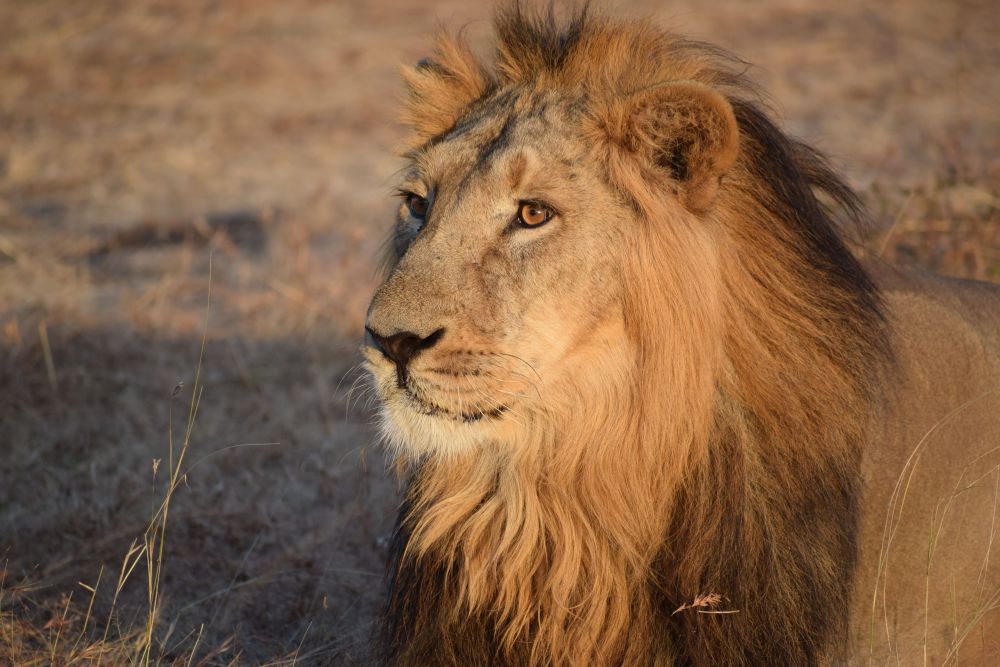
Zambia has never built its reputation as a lion hunting destination by offering large numbers of safaris. Instead, it has earned the respect of experienced hunters through something far rarer: immense unfenced hunting areas, carefully managed quotas and the opportunity to pursue wild lions in landscapes that remain largely unchanged by modern development.
Hunters researching Lion Hunting in Zambia are often drawn to the country for this very reason. Rather than concentrating on the number of lions available, Zambia has focused on preserving the vast ecosystems that allow lions to live, hunt and move naturally alongside buffalo, elephant, leopard and abundant plains game.
This commitment to conservation and authentic free-range hunting has become one of the defining characteristics of Hunting in Zambia and has shaped the country's international reputation.
Every lion hunt in Zambia begins with a degree of uncertainty. Lions roam enormous territories, hunting areas stretch for hundreds of thousands of acres, and each day unfolds according to the movements of the animals rather than a fixed plan. That uncertainty is not viewed as a disadvantage by serious hunters. It is precisely what makes Zambia one of Africa's most respected destinations for those seeking a genuine wilderness lion safari.
[DYNAMIC-BLOGTABLEOFCONTENT]
Big Country Creates Different Lions
The character of a lion hunt is shaped as much by the country as by the lion itself. Zambia's vast unfenced hunting areas allow lions to move naturally across vast landscapes, following prey, responding to seasonal changes and establishing territories that can extend over enormous distances.
It is also one of the reasons Zambia has earned such a strong reputation for Big Game Hunting, where lions, buffalo and elephant still move through the same wild ecosystems. Unlike more confined hunting environments, there is rarely any certainty about where a particular lion will be from one week to the next.
That freedom influences every stage of the hunt. Baits may be placed in areas showing fresh lion activity, but wild lions are under no obligation to return. A mature male may continue moving through his territory, investigate several bait sites or simply disappear into the surrounding wilderness before reappearing days later. Even where Professional Hunters understand an area's lion movements exceptionally well, success depends on allowing the hunt to develop naturally rather than trying to force it.
Reading fresh tracks, listening for roars after dark, monitoring bait activity and interpreting the behaviour of scavengers all help build a picture of what is happening across the concession. Each day provides new information, requiring the hunting team to adapt their plans as conditions change rather than relying on predictable routines.
It is this unpredictability that has earned Zambia such respect among experienced lion hunters. The hunt is not dictated by fences, roads or fixed patterns of movement. It is dictated by the wilderness and by a lion that remains entirely free to decide when, where and even if it will present an opportunity.

A Lion Hunt Is Never Just About Lions
One of the characteristics that sets Zambia apart is its intact wilderness ecosystem. Lions share these vast hunting areas with buffalo, elephant, leopard, hyena and an abundance of plains game, each influencing the movements and behaviour of the others. Long before a lion appears, the surrounding wildlife is already telling part of the story.
Professional Hunters pay close attention to far more than lion signs alone. Fresh buffalo tracks, alarm calls from antelope, vultures circling in the distance or the unmistakable sounds of hyenas during the night can all provide valuable clues about what has been happening across the concession. Every day spent in the field builds a clearer understanding of the country and the predators moving through it.
Hyenas are a constant presence in many of Zambia's lion hunting areas, competing with lions for food and quickly investigating fresh kills or active bait sites. Their behaviour often reveals just how dynamic these ecosystems remain, where every predator must compete for survival. Hunters interested in pursuing one of Africa's most intelligent predators may also enjoy learning more about Hyena Hunts.
Perhaps this is what leaves such a lasting impression on those who hunt lions in Zambia. Even on days when no lion is seen, time spent in these vast wilderness areas rarely feels uneventful. Every spoor, distant roar and interaction between predators reminds hunters that they are witnessing one of Africa's last truly functioning wild ecosystems.
Limited Quotas, Exceptional Hunting
Zambia has never been a destination built around large numbers of lion hunts. Carefully managed quotas mean that only a limited number of safaris are available each season, making opportunities considerably rarer than in many other African hunting destinations. Rather than weakening Zambia's reputation, that scarcity has become one of the reasons experienced hunters hold the country in such high regard.
The limited number of available lion hunts allows outfitters and Professional Hunters to focus on long-term management rather than volume. Mature males are selected carefully, concessions are managed over many years and every quota carries considerable value. The emphasis has always been on protecting the quality of the hunt rather than increasing the number of lions available to pursue.
Hunters planning a Lion Hunt in Zambia should also expect to plan well in advance. Many of the country's limited lion quotas are allocated before the hunting season begins, particularly in well-established concessions where repeat clients return year after year. Trophy fees, government regulations and quota allocations can also change between seasons, making early planning a sensible approach for hunters comparing destinations and budgeting for their safari.
Securing a place often requires patience, but for many hunters that advance planning is simply part of hunting wild lions in one of Africa's last great free-range wildernesses.
A Lion Decides the Hunt
One of the first lessons hunters discover in Zambia is that a lion hunt rarely follows the plan made over breakfast. Fresh tracks may appear where none existed the day before, bait sites that showed promise can suddenly fall quiet, while a lion that has ignored every opportunity for several days may unexpectedly return during the night. Every decision made by the hunting team is shaped by new information gathered in the field rather than by a fixed itinerary.
Professional Hunters constantly reassess what the country is revealing. Wind direction, fresh spoor, scavenger activity and reports from trackers all influence the next move. A hunt that begins by checking bait sites may quickly change into following fresh tracks, while another day may be spent patiently waiting for a mature lion to revisit an area where he has previously been active. Flexibility is not simply useful; it is essential.
This unpredictability is one of the reasons Zambia continues to attract experienced hunters from around the world. Success is rarely measured by following a predetermined routine but by reading the country accurately and adapting as conditions change. Every day becomes another opportunity to understand the movements of a wild lion living entirely on its own terms.
Perhaps that is the defining characteristic of lion hunting in Zambia. The wilderness does not adapt to the hunter. The hunter adapts to the wilderness.
Wild Country Comes at a Price
The same qualities that make Zambia one of Africa's most respected lion hunting destinations also make it one of the continent's more demanding safaris to organise. Many lion concessions lie far from major towns and airports, requiring charter flights or lengthy overland travel before the hunt even begins.
Operating in these remote wilderness areas involves considerable logistical planning long before a hunter arrives in camp.
Running a professional lion safari in such a country requires experienced staff, well-maintained camps, reliable vehicles and the ability to operate safely in areas where dangerous game is encountered daily. Concession costs can be substantial, while the effective hunting season provides only a limited period in which operators can recover the expense of maintaining camps, roads, vehicles and permanent staff. Supporting anti-poaching and wildlife management initiatives further contributes to the overall cost of operating in these wilderness concessions.
Hunters comparing Zambia with other African destinations should therefore look beyond the advertised trophy fee alone. Daily rates, charter flights, licence fees and government charges all form part of the overall safari budget, while these costs can vary from one concession and season to the next. Understanding exactly what is included before booking helps avoid unexpected expenses later.
Planning the overall safari budget is just as important as comparing trophy fees. Our guide to African Hunting Safari Prices explains the main factors that influence safari costs across different African hunting destinations, helping hunters budget more accurately before they book.
Planning a Lion Hunt in Zambia
Planning a lion hunt in Zambia begins long before arriving in camp. Limited quotas, remote concessions and the logistical demands of operating in wild country mean that most safaris are arranged well in advance. Choosing the right hunting area, understanding what is included in the safari and confirming current licence requirements all form part of the planning process.
Just as importantly, hunters should think about the kind of safari they want to pursue. Zambia appeals to those who value authentic free-range hunting over certainty, where every day in the field is shaped by the movements of wild lions rather than a fixed schedule. That approach is not for everyone, but it is precisely what has earned the country such lasting respect among experienced hunters.
Working with an experienced outfitter or hunting safari broker can simplify the planning process, particularly when comparing concessions, travel arrangements and the practical realities of hunting in remote areas. Hunters who are still considering different destinations may also find it helpful to explore our selection of Hunting Trips, where Zambia can be compared with other established lion hunting countries across Africa.
Zambia continues to offer something increasingly difficult to find: vast unfenced country, carefully managed hunting opportunities and the chance to pursue a mature lion in wilderness that still dictates the terms of the hunt.

Frequently Asked Questions
Can you legally hunt lions in Zambia?
Yes. Lion hunting is legal in Zambia under a strictly regulated quota system. Hunts take place in designated hunting areas under government regulations, with licences, quotas and hunting seasons managed to support long-term wildlife conservation and sustainable use.
Why is Zambia considered one of Africa's best lion hunting destinations?
Zambia has earned its reputation through vast unfenced hunting areas, carefully managed quotas and authentic free-range hunting conditions. Wild lions move naturally across immense wilderness ecosystems, making every hunt unpredictable and rewarding for hunters seeking a traditional African safari.
When is the best time for lion hunting in Zambia?
Lion hunting takes place during Zambia's designated hunting season, with the best conditions generally occurring during the dry months when access improves, vegetation becomes less dense and animal movements are easier to interpret. Exact hunting dates may vary between concessions and according to current wildlife regulations.
How much does a lion hunt in Zambia cost?
The total cost of a lion hunt depends on far more than the trophy fee. Daily rates, government licence fees, charter flights, concession charges and safari length all contribute to the final price. Hunters should compare complete safari packages rather than focusing solely on the advertised trophy fee.
How far in advance should I book a lion hunt in Zambia?
It is advisable to begin planning well in advance. Zambia offers relatively few lion hunting opportunities each season, and many of the best concessions allocate their limited quotas to returning clients before the season begins. Early planning also allows sufficient time to arrange travel, permits and safari logistics.
Are Zambia's lion hunting areas fenced?
No. Most of Zambia's renowned lion hunting areas are vast free-range concessions where lions roam naturally alongside buffalo, elephant, leopard, hyena and numerous plains game species. These unfenced wilderness areas are one of the defining reasons Zambia is so highly regarded by experienced lion hunters.