
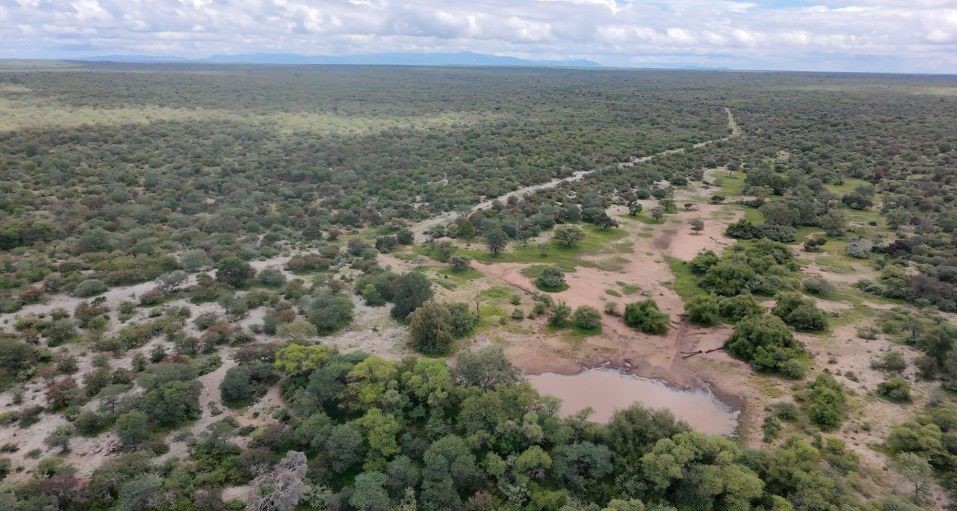
When comparing African hunting trips, it is worth knowing who controls the hunting concession behind the safari you are being offered.
The company you book with may own or directly lease the concession. It may also be hunting through another operator’s area, using quota or access secured under a hunting or access agreement with the concession holder. Both arrangements are common in Africa, and neither is better than the other.
What matters is that the hunting rights are legitimate, the quota is available, access is secured for your dates, and everyone involved understands who is responsible for delivering the hunt.
This is especially important on safaris where several companies may be involved. A hunter can book with an outfitter they know and trust, travel with that same Professional Hunter or team, and still hunt in an area controlled by another operator. That is often simply how African hunting works.
The important question is not whose logo is on the shirt. It is whether the hunt you were promised is properly secured.
The Outfitter You Book With May Not Hold the Concession
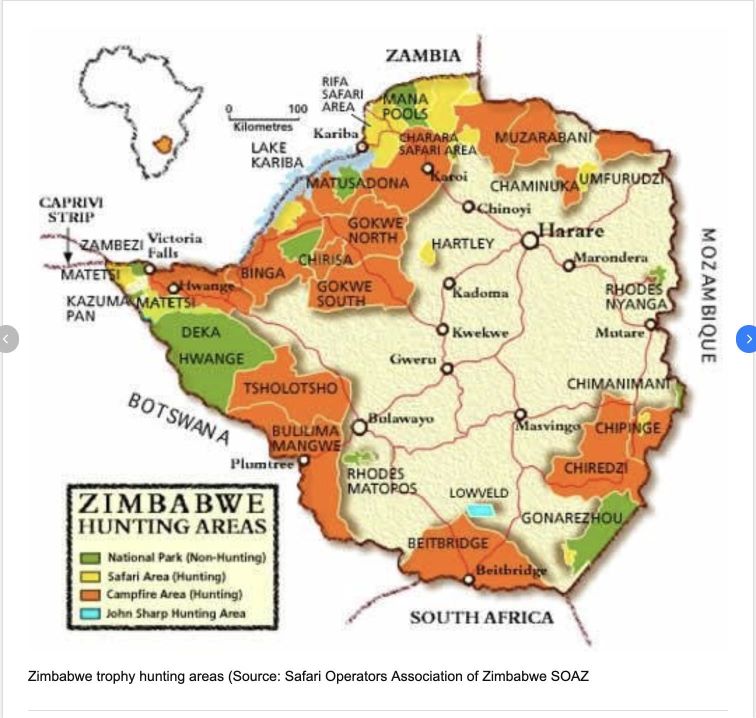
Hunters sometimes assume that the company selling the safari must also own or directly control the hunting area. In Africa, that is not always how safaris are conducted.
An outfitter may operate in its own concession or on land it leases directly. They may also hunt through another operator’s concession, purchase quota, secure access through an agreement, or work with a landowner or concession holder who controls the hunting rights.
None of those arrangements is unusual in Africa.
The important thing is that the relationship is legitimate and understood before the hunter arrives. If the outfitter has the right to hunt that area, the quota is properly available, and everyone involved knows who is responsible for what, the fact that another company controls the concession is not a problem in itself.
Tamlyn’s South African buffalo hunt is a good example. The outfitter and Professional Hunter had legitimate access to the property and the buffalo quota, even though the ranch itself was not theirs. The hunt was still organised and delivered by the team she was hunting with, and the arrangement behind the scenes did not make the safari any less genuine.
The same thing happens on larger African safaris. A hunter may have worked with the same outfitter or PH for years and decide to hunt bongo in the Congo, mountain nyala in Ethiopia or another species outside that outfitter’s usual area. The trusted team may travel with the hunter and work through another operator’s concession or quota.
The outfitter does not need to own the ground. They need the legal right to hunt it.
Outfitter, Operator and Concession Holder Are Not Always the Same
These terms are often used as though they mean the same thing, but on an African safari they can describe very different roles.
The outfitter may be the company you book with and the team responsible for organising the hunt. The operator may be the person or business actually conducting the safari in that area. The concession holder may control the lease, hunting rights, camp or quota attached to the concession.
Sometimes one company fills all three roles. Sometimes two or three different parties are involved.
That does not automatically make the arrangement complicated or risky. It simply means the hunter should understand who is responsible for what before the safari begins.
In some areas, the concession holder may not market hunts directly at all. Instead, quota and access are made available to established outfitters who bring their own clients and, in some cases, their own Professional Hunters into the area.
For the hunter, the most important thing is not memorising every title. It is knowing who controls the ground, who controls the hunting rights and quota, and who is responsible for delivering the safari.
Different names can sit behind the same hunt. The responsibility still needs to be clear.
Ask Which Exact Area You Will Actually Hunt
A country name, province or famous hunting region does not always tell you exactly where your safari will take place.
An outfitter may operate in several concessions, use more than one property, or have access to different hunting areas through agreements with other operators. Two safaris sold under the same regional name can therefore be different once you look at the actual ground being hunted.
For hunters, it is worth asking for the specific concession, property, hunting block or area attached to the hunt being discussed. This does not mean that every coordinate or camp location needs to be handed over before a deposit is wired. It means you should understand where the hunt is expected to take place and what kind of area you are buying access to.
The name of a region can sometimes carry more weight than the individual hunting area itself. A well-known destination may contain excellent blocks, average blocks, heavily hunted areas and areas that see little pressure. The country and region are important, but the actual hunting area is where your safari will be won or lost.
If the outfitter uses several properties or concessions, ask whether the hunt is expected to remain in one area or whether moving between areas forms part of the plan. Neither arrangement is necessarily better. Know the arrangement before you get on the plane.
You are not hunting a country name on a quotation. You are hunting a specific piece of ground.
Does the Outfitter Have Access for Your Dates and Hunting Year?
Having hunted a concession before does not necessarily mean an outfitter will still have access to it when your safari takes place.
Concession leases, operating agreements and access arrangements can change from one season to the next. This is important when a safari is being booked a year or two in advance. An outfitter may know an area well and have hunted it for years, but hunters should still understand whether the right to hunt there is secured for the year being discussed.
You do not need to inspect every contract behind the safari. A clear conversation with the outfitter will usually tell you what you need to know. Ask whether the outfitter controls the area directly, whether access is through another operator, and whether that arrangement is confirmed for your hunting dates.
There is a difference between an outfitter saying, “We hunt that area,” and saying, “That is where your hunt is booked for these dates.” The first describes a relationship with the area. The second tells you something about your hunting safari.
This matters more when hunters are planning highly sought-after species several seasons ahead. A good outfitter should be able to explain what has already been secured and, where something still depends on future allocations or agreements, say so clearly.
Nobody expects every detail of an African hunting operation to remain frozen for years. Arrangements change, concessions change hands and opportunities move. What matters is knowing how firm the proposed area really is when the safari is booked.
Past access tells you where an outfitter has hunted. Confirmed access tells you where you are going to hunt.
Will Other Outfitters or Hunters Be Using the Same Area?
A hunting area is not always used exclusively by one outfitter or one hunting party.
In some concessions, several operators may have access to quota within the same broader area. On private land, different outfitters may also use the same property at different times, and occasionally those dates can overlap. That does not mean the area is badly managed, but it can affect how the hunt plays out.
The issue is hunting pressure.
Another party can drive the same roads, disturb fresh spoor, move animals out of an area or shoot in the block your PH had planned to hunt that day. On buffalo or elephant hunts, even one vehicle or hunting team moving through the wrong place at the wrong time can change what the trackers find when daylight comes.
Good operators normally communicate and divide hunting pressure as sensibly as possible. They may work different sections of a concession, target different species or coordinate daily plans between PHs. Hunters should still ask whether other outfitters or hunting parties will be using the same ground during their safari.
An exclusive camp does not necessarily mean an exclusive hunting area. You can be the only client sleeping in camp and still share the broader concession with another hunting operation. It is worth asking how many hunters will be in camp on your safari and how many separate hunting parties will be operating during your dates.
You do not need the whole concession to yourself. You do need to know how many other hunting teams may be working the same ground.
Does the Quota Actually Apply to Your Hunt?
A species appearing on the quota for a concession does not necessarily mean it is available for every hunter who arrives there during the season.
Quota is limited. Depending on the country and operating arrangement, a concession holder may allocate part of it to different outfitters or individual hunts. As the season progresses, that quota can also be used. If several buffalo are available at the start of the year and other hunters take them before your safari, the number remaining may be very different by the time you arrive.
Hunters need to ask whether the animal being discussed is simply available somewhere on the concession quota or whether quota has been secured for their safari.
This is important with limited-quota species and hunts booked well in advance. If the outfitter is working through another concession holder, ask what has been allocated to that outfitter and whether your species is included in that arrangement. Sometimes additional quota can become available later in a season, but that should be treated as a new lawful opportunity, not something a hunter should assume will happen.
A species can be on the concession quota and still not be available to you. Make sure your hunt has access to the quota before you count on it.
What Happens if the Hunting Area Changes?
African hunting is not always static. Animals move, water changes, hunting pressure shifts and circumstances on the ground can look different from what they did when the safari was booked.
Buffalo herds can leave one part of a concession. Elephants may cross into a neighbouring country or another hunting area. Sometimes an outfitter who has good relationships with surrounding landowners or operators can make a quick call and legally arrange access to another property or concession where the hunting opportunity has improved.
That flexibility can be a real advantage.
What matters is that the change is handled properly. The outfitter needs the necessary hunting rights, quota and permission before the hunter moves into another area. A different piece of ground should never simply become part of the hunt because it happens to be convenient.
Changes can also happen before the safari begins. A concession may change hands, an access agreement may end or quota may no longer be available in the area originally discussed. If that happens, hunters should be told what has changed and whether the replacement area offers essentially the same hunt they agreed to.
There is a big difference between adapting because hunting conditions have changed and discovering that the access needed to deliver the hunt was never secured in the first place.
Good outfitters adapt when Africa changes. The paperwork still needs to move with the hunt.
Frequently Asked Questions
Do African hunting outfitters always own the concessions they hunt?
No. An outfitter may own or directly lease a hunting area, but they may also hunt through another operator’s concession, purchase quota or work under an access agreement. What matters is that the hunting rights, quota and permissions are properly in place.
Can more than one outfitter hunt the same concession?
Yes. Depending on the country and operating arrangement, several outfitters may have access to quota or hunting rights within the same broader concession. Hunters should ask whether other hunting teams will
be using the area during their dates.
What should I ask before booking a hunt in another operator’s concession?
Ask who controls the area, whether access is confirmed for your dates, whether your species quota is available, who will conduct the safari and what happens if the arrangement changes before the hunt.
Can an outfitter move my hunt to another property or concession?
Sometimes, yes. Animals move, conditions change and legal access to a neighbouring area may create a better opportunity. The important point is that the necessary hunting rights, quota and permissions are in place before hunting begins there.
How do I know if quota is available for my hunt?
Ask whether quota is simply available somewhere on the concession or whether it has been specifically secured or allocated for the hunt being offered. This matters most with limited-quota species and hunts booked well in advance.
Does controlling the hunting area matter on a big game safari?
Yes, because the quality of a big game hunting safari can depend heavily on secure access to the right ground, available quota and clear responsibility between the outfitter, operator and concession holder.
Before You Commit
You do not need to understand every agreement behind an African safari. You do need enough clarity to know where you are hunting, who controls the access and quota, and whether the hunt being sold can be delivered. Before a deposit is wired, it is also worth understanding the wider African hunting safari prices and exactly what is included in the hunt you are being quoted.
The best time to understand the hunting arrangement is before the deposit is wired, not after you arrive in camp.
Author
Pierre van Wyk is co-founder of Game Hunting Safaris and has hunted extensively across Africa. Through GHS, he works directly with hunters, outfitters and Professional Hunters and has seen both well-run safari arrangements and the problems that can arise when access, quota or responsibilities are not properly understood. He writes from practical hunting experience, with a focus on helping hunters ask the right questions before they commit to a safari.