
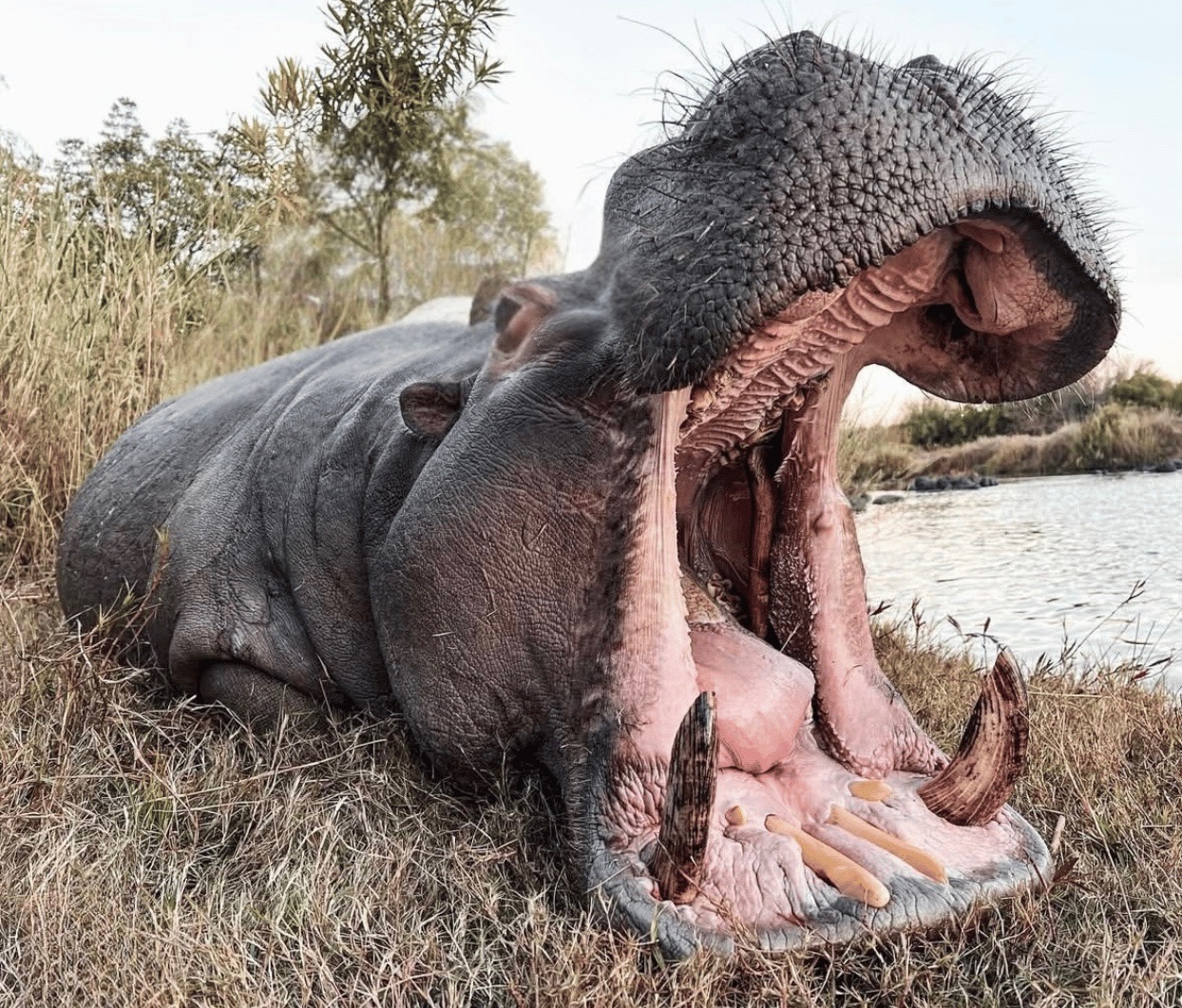
A hippo hunt can sound straightforward when it is reduced to a species name and a price.
That is where hunters can get caught out.
Two hippo hunts may both advertise a mature bull, similar hunting days and a similar trophy fee, yet the actual safaris can be completely different. One may be a dedicated hunt built around a single exportable hippo. Another may be part of a buffalo safari, a hippo-and-crocodile combination, or a broader dangerous-game hunt where the hippo is only one objective among several.
The differences matter before the deposit is paid and the hunt booked. Quota may be packaged differently. Additional dangerous game may or may not be easy to add. Some hunts are designed around exportable trophies, while others are sold as non-exportable opportunities. A hunter may discover that the area offering the hippo has little else he wants to hunt if the bull is taken early.
That does not make one type of hippo hunt better than another. The hunter needs to understand exactly what the safari includes, what can realistically be added, and what the rest of the hunt looks like once the hippo is taken.
Before comparing hippo hunts by price, compare what each hunt gives you.
Is Hippo the Main Objective or Just One Part of the Safari?
This is one of the first things a hunter should establish because it changes the way the entire safari is built.
A dedicated hippo hunt is built around one clear objective. The number of hunting days, the area, the quota and the budget are all planned around taking that bull. If the hippo is taken early, the safari may effectively be finished unless something else has already been included or arranged.
A combination safari is different. Hippo may form part of a buffalo, crocodile or broader dangerous-game hunt where several objectives are built into the same trip. In that case, the hunter is not simply booking a hippo hunt with other species listed in the background. He is booking a safari that has been structured to give him opportunities on more than one animal.
That distinction is important when comparing quotes.
A five-day dedicated hippo hunt and a ten- or fourteen-day combination safari may both include the same species, but they are not the same product. One is designed to achieve a single objective as efficiently as possible. The other gives the hunter more time, more flexibility and usually more options once the hippo is taken. The important question is not simply whether hippo appears on the quotation. The hunter needs to know what the safari has been built around, what other animals are genuinely part of the plan, and what happens to the remaining days once the main objective is completed.
A hippo can be the reason for the safari, or simply one important part of it. The hunter should know which one he is booking before he pays the deposit.
What Does “Hippo Available” Actually Mean?
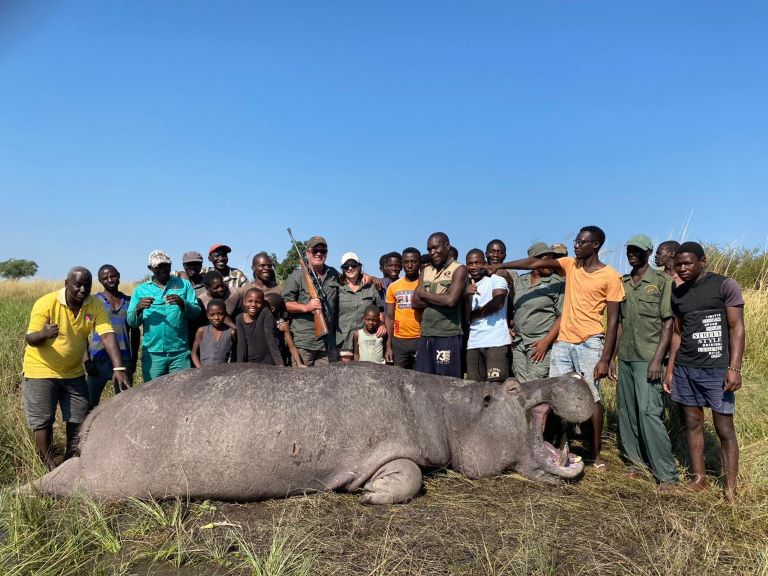
A species appearing on a country licence, national quota list or operator species list does not automatically mean it is realistically huntable in the exact concession being booked. That distinction matters more than many hunters realise.
A hunter can see hippo listed for a country, assume it is available, and only later discover that the concession he has booked has no usable hippo quota, no suitable animals in the area or no realistic opportunity during his safari dates. The country may offer hippo hunting. The exact hunt he has booked may not. The useful question is therefore:
Can this concession, on these dates, with this quota, produce the hippo hunt being sold?
That is worth asking before the deposit is paid.
The same applies when hippo is being added to a broader safari. A buffalo concession may technically have access to hippo quota, but that does not mean the animal is routinely hunted there, easy to add at short notice or realistic within the number of hunting days already booked.
Hunters should ask how often hippo is hunted in the area, whether quota is confirmed for their safari, whether the operator expects suitable bulls to be available during those dates, and whether adding hippo changes the structure or cost of the hunt.
A species list tells you what may exist on paper. The concession, quota and timing tell you what can realistically be hunted.
Not Every Concession Lets You Add Dangerous Game at the Last Minute
One of the easiest assumptions to make is that another dangerous-game animal can simply be added if there is time left and the hunter is willing to pay the trophy fee.
In some areas, that can be possible. In others, the safari has been packaged tightly around the species originally booked.
Namibia’s Zambezi Region is a good example. Some operators structure dangerous-game hunts around species-specific quota and minimum hunting periods, so a hunter who books hippo should not assume he can decide halfway through the safari that he also wants buffalo and simply add the trophy fee.
That can change the economics of the hunt completely.
The buffalo may require its own quota allocation, additional hunting days or a separate package structure, depending on the concession and operator. A hunter who did not ask the question before booking may only discover this once he is already in camp. Pieter Thormählen of Thormählen & Cochran Safaris has explained this distinction many times when discussing Zambezi dangerous-game hunts: the important point is to understand how the quota has been packaged before assuming another species can simply be added.
We have also seen how a hippo safari plays out in this part of Namibia during our Hippo Hunting in the Zambezi Region, Namibia expedition. The same lesson applies elsewhere, even where the rules are more flexible. The fact that another dangerous-game species occurs in the area does not automatically mean it is available on the hunter’s existing safari, on the existing quota or at the price he expects.
A simple question before booking can prevent an expensive misunderstanding: If I decide to add another dangerous-game animal while I am there, am I paying a trophy fee, or am I effectively booking another safari?
Hippo and Buffalo Is a Different Safari From Hippo and Crocodile
Two combination hunts can include hippo and still feel totally different in the field.
A hippo-and-buffalo safari is usually part of a broader dangerous-game hunt. The hunter may spend mornings tracking buffalo, check hippo areas later in the day, and move between objectives depending on what is happening in the concession. The value of that kind of safari is the variety. If one species is not cooperating, there may still be another serious objective worth pursuing.
A hippo-and-crocodile combination can be more specialised. On big water systems such as Lake Kariba in Zimbabwe or Lake Cahora Bassa in Mozambique, those two species may be the main reason for being there. The safari is often built around long stretches of shoreline, bays and river mouths rather than a broad mixed-game programme, and the area can be excellent for both hippo and crocodile while offering comparatively little else.
That is not a weakness if hippo and crocodile are exactly what he wants.
It becomes a problem when the hunter books the safari expecting a broad dangerous-game experience and discovers that the hunt is far more specialised than he imagined.
The same principle applies in reverse. A hunter who wants buffalo to be the main event may not be satisfied with a hunt where hippo and crocodile dominate the available opportunities, even if the package looks attractive on paper. The question is not simply which species appear together on the quotation. It is how much of the safari is built around each one, and what the hunter will spend his days doing.
A good combination hunt is not just several animals on one price list. It is a safari where the objectives fit together properly.
What Happens If You Take the Hippo Early?
A hippo hunt can come together quickly. If the right bull is found and taken in the first day or two, the hunter may suddenly have several days left on a safari that was built around one objective. What happens next depends entirely on the area and the way the hunt was structured.
In some concessions there may be other quota available, other species the hunter wants, or enough flexibility to move onto a second objective. In more specialised hippo areas, particularly around large lakes or isolated water systems, there may be little else on quota or little else in the area that interests him. That does not mean the remaining days are wasted, but the hunter should know what they may look like.
There may be time for fishing where it is available, whether that means tigerfish, bream or other local species. There may be game drives, time around camp, or simply a slower few days enjoying the area. Some hunters are perfectly happy with that. Others would rather have another serious hunting objective lined up.
The mistake is assuming there will automatically be something else to hunt just because there are days left on the calendar. That is another question worth asking before booking: If I take the hippo early, what can I realistically do with the rest of the safari?
Exportable and Non-Exportable Hippo Hunts Are Different Purchases
Some hippo hunts are sold as fully exportable trophy hunts. Others, particularly certain community-based opportunities in countries such as Namibia, may be offered as non-exportable hunts.
On some hippo hunting in Namibia opportunities, the hunt may be tied to community quota or local management needs. The hunter will keep nothing from the animal beyond photographs and the experience itself, while the meat and other usable parts remain within the local system and the community associated with the quota receives the benefit from the hunt. If he is lucky, somebody may even put a piece of hippo tenderloin on the fire that evening.
This also explains why non-exportable hippo hunts are priced differently from fully exportable trophy hunts. The hunter is buying the hunting experience and access to the quota, but not the right to export the skull, teeth, hide or other trophy parts. For some hunters, that is completely acceptable. They want the hunt, the experience and the knowledge that the animal is being fully used locally. For others, bringing home the trophy is an important part of why they are travelling to Africa in the first place.
Neither choice is wrong, but they are not the same product.
A lower-priced non-exportable hippo hunt is only good value if the hunter is happy to come home with photographs and memories instead of a trophy.
Sometimes the Hippo Is Part of a Lion or Leopard Hunt
Hippo can also play a different role on a broader dangerous-game safari.
Where legal and appropriate, a hunter may take the hippo early because the carcass can provide a substantial amount of bait for an ongoing lion or leopard programme. Hippo is commonly used for this purpose because one animal provides enough meat to service several bait sites, and large pieces can remain useful while the predator hunt develops.
In some safaris, the hunter genuinely wants the hippo as a trophy and the bait is simply an added practical benefit. In others, the hippo may be taken largely because the hunting team needs bait and the client is happy to include the animal as part of the wider safari.
That is worth understanding before the hunt is booked.
A hunter should know whether hippo is being offered because it is a major objective, because it fits naturally into the combination hunt, or because it also serves an important practical purpose for the predator programme. There is nothing necessarily wrong with any of those arrangements. The point is simply to know which one you are buying. A hippo can be a hunting objective in its own right, part of a combination safari, and a practical source of bait for a lion or leopard hunt at the same time.
Frequently Asked Questions
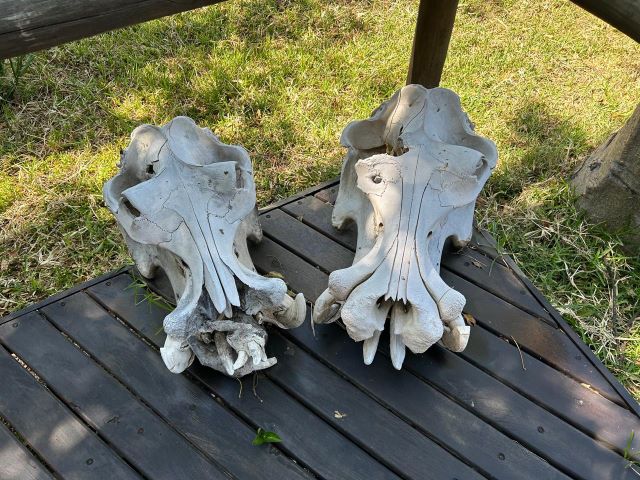
What Should I Confirm Before Booking a Hippo Hunt?
Confirm that hippo quota is available in the exact concession, whether the hunt is dedicated or part of a combination safari, how many hunting days are included, whether the trophy is exportable, and what other animals can realistically be added to the safari. If the hippo forms part of a broader Big Game Hunting safari, it is worth asking which species are available in that exact concession and which have simply been included on a broader species list.
What Does “All-Inclusive” Usually Mean on a Hippo Hunt?
Offers commonly include the PH, trackers, accommodation, meals, hunting vehicle, permits and field preparation, while flights, taxidermy, shipping, rifle hire, tips or transfers may still be excluded. The exact meaning varies by operator, so the hunter should ask for a written included-and-excluded list before comparing prices.
If a Package Says Hippo and Crocodile, Does the Price Include Both Animals?
Do not assume it does. Combination-hunt adverts can be written in ways that are obvious to the outfitter but less obvious to the hunter. Before paying a deposit, confirm exactly how many hunters the price covers, which trophy fees are included, how many animals are included and whether extra days or additional trophies are charged separately.
Can Two Hunters Share a Hippo Hunt or Combination Package?
Sometimes, depending on the operator and package. Some non-exportable Namibia offers have allowed packages to be split between two hunters, while other hippo/croc hunts are explicitly priced for one hunter. The booking document should state whether the safari is 1×1 (one hunter with one PH), 2×1 (two hunters sharing one PH), priced per hunter or priced per package.
What Does Non-Exportable Actually Mean on a Hippo Hunt?
It means the hunter cannot take the trophy home. Depending on the hunt, the meat and other usable parts may remain with local communities or within the management programme.
For a hunter who mainly wants the experience, that may be perfectly acceptable. For someone who wants the skull, teeth or hide at home, it is a different purchase.
Before You Compare Prices, Compare the Hunt
A hippo hunt should not be judged by the species name and trophy fee alone. The exact concession, quota, hunting days, trophy status and other objectives built into the safari can turn two apparently similar offers into completely different hunts.
One hunter may want a dedicated exportable bull. Another may want hippo alongside buffalo, crocodile or a predator safari. A third may be happy with a non-exportable community hunt and photographs to take home. All can be good hippo hunts if they match what the hunter actually wants.
The important part is knowing that before the deposit is paid.
That same approach applies when comparing broader African Hunting Trips. A cheaper quotation is not necessarily better value, and a longer species list does not automatically mean a better safari. What matters is whether the hunt being offered fits the hunter’s objectives, budget and expectations.
Before booking a hippo hunt, understand what is included, what is genuinely available, and what the safari will look like once the hippo is taken.
Author
Pierre van Wyk is a co-founder of Game Hunting Safaris. Much of his work involves matching hunters with the right operators, concessions and hunt structures across Africa, and asking the awkward questions before a deposit is paid rather than after the hunter arrives in camp.