
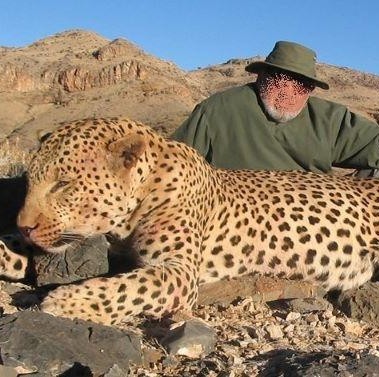
A leopard safari can look simple on paper. Pick the country, book the hunt, hang the baits and wait for a suitable tom to make a mistake.
Making leopard the main objective changes the whole safari.
On serious leopard hunts, the cat influences almost everything else. Baits need checking, cameras need reading, spoor needs interpreting and plans can change when a tom starts using one of the sites consistently. Until that happens, the hunter may still have buffalo to track, specialist antelope to look for or other animals on the list that are worth pursuing.
A good leopard safari does not necessarily have to become leopard-or-nothing.
The better question is how to build the rest of the safari around the fact that leopard remains the priority. In some areas, the cat may dominate nearly every day. In others, there can be excellent hunting for other species while the leopard work develops in the background. The trick is knowing when there is room to hunt something else, and when everything needs to stop because the leopard has finally started cooperating.
Leopard first does not mean leopard only. It means knowing when everything else must come second.
Leopard First Does Not Have to Mean Leopard Only
Making leopard the priority does not mean the rest of the safari has to sit idle until the cat is taken.
There will be days when the hunting team has useful leopard work to do, but no reason for the hunter to spend every hour riding bait roads or sitting near a site that has not produced a tom worth investigating. If there is buffalo spoor worth following, a specialist antelope on the list or another animal the hunter wants, there is room to hunt it without taking attention away from the leopard.
The important part is understanding the order of priorities.
If the leopard work is quiet, the rest of the safari can keep moving. Once a suitable tom starts feeding regularly, appearing on camera or showing the kind of activity the PH has been waiting for, that freedom can disappear quickly. The buffalo track can wait. The antelope stalk can wait. The leopard cannot.
Planning the rest of the safari matters. The secondary animals should be species the hunter would genuinely be pleased to take, not filler added simply because there may be spare time.
The leopard hunt may already have taken the hunter into an area he may not visit again for years. If that country or concession holds a buffalo he has always wanted, a specialist antelope that is difficult to hunt elsewhere, or an endemic species that belongs naturally on his list, it makes sense to build some of those opportunities into the safari from the start.
The hunt does not have to race through a trophy list. The leopard still comes first. But if the cat is not active and the hunting team has an opportunity on another animal the hunter travelled halfway around the world to hunt, there is little value in sitting in camp simply because leopard is written at the top of the list.
A well-built leopard safari gives the hunter something worthwhile to pursue while the cat is not cooperating, without ever forgetting which animal has first call on the day.
Choose the Hunting Area for More Than the Leopard
A good leopard area is obviously the starting point, but it should not be the only thing the hunter looks at.
Some productive leopard areas are specialised. They may offer excellent cats, good preparation and a strong hunting team, but comparatively little else that interests the hunter once the leopard work is underway. That can be perfectly acceptable if leopard is the only objective. It is less attractive if the hunter also wants a broader safari.
Other areas give the hunter more options. In the right part of Zambia, leopard hunting in Zambia can sit alongside buffalo and specialist antelope.
In Tanzania, leopard hunting in Tanzania can form part of a much broader safari, with other East African game available while the leopard programme develops. By comparison, some highly specialised leopard areas in Namibia’s Bushmanland can be much more focused on the cat itself, with fewer secondary objectives for the hunter. The important point is not which country is better. It is whether the exact area gives the hunter a second and third objective he would genuinely be happy to pursue.
That matters even more when the leopard does not cooperate.
A hunter may spend a long time planning and travelling for the safari. If the cat never settles on a bait, never offers the right opportunity or simply disappears, the rest of the hunt should not feel like an afterthought. The best leopard area is not always the area with the most leopards. It may be the area that gives the hunter the best safari around the leopard as well.
Build a Species List You Would Still Be Excited About Without the Leopard
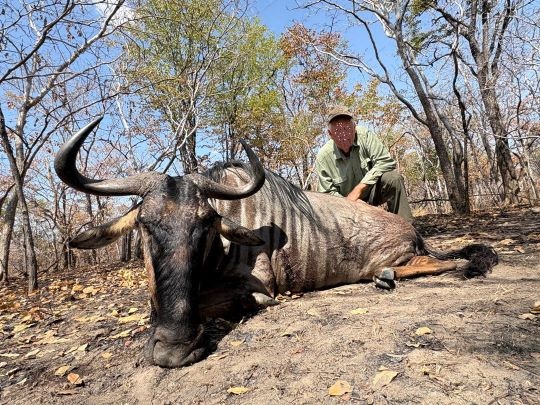
A leopard safari should still leave the hunter with memories he values, even if the cat never gives him the opportunity he came for. The secondary species need to matter, rather than being added simply to fill time.
If the hunt is in Zambia, that might mean buffalo, black lechwe, Cookson’s wildebeest or another species the hunter has wanted for years. In Tanzania, it could be Grant’s gazelle, Thomson’s gazelle, East African impala, white-bearded wildebeest, lesser kudu or another animal that forms part of the reason he wanted to hunt East Africa in the first place. Those species should never feel like consolation prizes because the leopard did not happen.
A safari can be spoiled afterwards if the hunter judges the entire experience against the one animal he failed to take. He may have hunted an exceptional area, taken animals he may never have another realistic chance to pursue, and spent days in country he had wanted to see for years, yet still come home thinking only about the leopard that got away.
Experienced hunters are usually better at putting that into perspective. They will still hunt hard for the main objective, but they also recognise the value of what is happening around it and understand that a safari does not automatically become a failure because the leopard wins.
The secondary list should be built before the hunt begins, not improvised halfway through it. The animals on it should be species the hunter would be proud to take even if there were no leopard tag involved at all.
The Leopard Work Still Controls the Day
Even when the hunter is pursuing other animals, the leopard work continues in the background. The PH and trackers are constantly building a picture of which sites are active, which toms are moving through the area and whether anything has changed since the previous check.
Hunters do not have to spend every daylight hour driving from bait to bait.
If there is nothing at a site that requires his presence, the hunting team can often keep the leopard programme moving while he spends part of the day on another objective. A buffalo track may be worth following, an antelope may be in the right area or, depending on where the safari is taking place, there may even be time to do a little fishing. There can be better ways to use several hours than sitting in the vehicle watching the same bait roads go past.
That changes when the leopard begins to give the team something useful. A suitable tom feeding regularly, appearing on camera or returning consistently to the same bait can quickly become the most important piece of information in camp. What had been a flexible day can become a much tighter plan built around one cat.
A leopard safari can change direction quickly. Hunters may spend one morning following buffalo and the next preparing for a leopard sit because the situation has moved on overnight. The other hunting fits around the leopard work, not the other way around.
When a Suitable Tom Starts Cooperating, Everything Else Can Wait
Once the PH decides a cat is worth concentrating on, the safari becomes less flexible.
The priority is now to avoid wasting the opportunity the team has spent days trying to create. Unnecessary vehicle movement, shooting in the wrong area or chasing another animal at the wrong time can all complicate the leopard plan. Even a tempting opportunity may have to be left alone if taking it risks disturbing what is happening around the bait.
The hunter also needs to be ready for plans to change with little warning. A day that looked open in the morning may suddenly become about getting back to camp, checking equipment, eating early and preparing for a sit. The priorities agreed before the safari really matter. If leopard is genuinely number one, there should be no argument when another hunt gets dropped because the cat has finally started doing what everyone hoped he would do.
You can always go back to the buffalo track. You may not get another good chance at the leopard.
Taking the Leopard Early Changes the Rest of the Safari
Sometimes the leopard hunt comes together much faster than expected.
Good pre-baiting, the right cat in the area and a little luck can mean the main objective is finished early in the safari. That is obviously a good problem to have, but it can expose another planning mistake if the hunter has left no room for anything else. A hunter who has spent most of his budget on the leopard may suddenly find himself with several days left and little he can realistically add. Camp is comfortable and the pressure is off, but after a day or two there is only so much sitting around anyone wants to do.
That is worth thinking about before the safari is booked.
Not every hunter needs an unlimited trophy budget. Most do not. It may mean leaving enough room for one or two additional animals, some fishing where it is available, or another objective that makes good use of the remaining days.
In the right area, a hyena hunt can also make sense. Much of the baiting work may already be in place, hyena may already be visiting some of the same areas, and the hunter is already prepared for the sort of low-light or night hunting that can come with a baited predator safari, where permitted. This can make a spotted, brown or striped hyena a logical additional objective where legal, available and wanted by the hunter.
In other cases, the better decision may simply be to save a little longer and take the safari a year later with enough budget to enjoy the area properly. Getting the leopard early should feel like the safari has opened, not like the hunt has suddenly ended.
Frequently Asked Questions
What Should You Ask Before Booking a Leopard Safari?
Ask what else can be hunted in the exact area, whether pre-baiting will already be underway, how the PH normally handles the days while no suitable tom is active and what happens to the rest of the hunting once a leopard becomes the priority. It is also worth asking which secondary species are strong in that concession rather than relying on a general country species list.
Should Secondary Species Be Planned Before the Leopard Safari?
Usually, yes. The hunter does not necessarily have to commit to taking every animal beforehand, but knowing which species interest him makes it much easier to choose the right area, length of safari, rifle setup and budget. Waiting until the leopard is taken on day two to start wondering what else is available is not ideal.
How Much Extra Budget Should You Leave for Other Animals?
There is no percentage that suits every leopard hunt. A better approach is to identify one or two additional species the hunter genuinely wants, understand their trophy fees before travelling and leave enough room in the budget to take advantage of those opportunities if the leopard hunt allows it. The object is not to build an unlimited trophy list, but to avoid having several hunting days remaining with nothing realistically available to pursue.
Is Leopard Usually Hunted as Part of a Big Five Safari?
It can be, although many leopard safaris are built around a different combination of objectives. Some hunters pair leopard with buffalo or selected antelope, while others include the cat as part of a broader Big Five Hunting safari. What matters is deciding beforehand which animal takes priority if several objectives begin competing for the same hunting time.
Plan the Safari Around the Leopard, Not Only for the Leopard
Making leopard the main objective changes the whole safari as the cat can take control of the plan at any time. Other hunting may continue while the leopard work develops, but once the right tom starts cooperating, everything else will have to wait.
The best leopard safari is not necessarily the one built around the cat alone. It is the one that gives the hunter a serious chance at leopard while still leaving room for other animals, fishing or experiences he would genuinely value if the hunt develops differently than expected.
Good planning starts before the first bait goes up. The hunter should know what else he wants to hunt, what the exact area can realistically offer, how much room there is in the budget and which objectives will be dropped first if the leopard starts working. That same thinking applies when planning broader African Hunting Trips. The strongest safaris are usually the ones where the main objective is clear, but the rest of the hunt has been thought through properly as well.
Leopard first does not mean leopard only. It means building the safari so that the cat remains the priority without making everything else an afterthought.
About the Author
Tamlyn van Wyk is the co-founder of Game Hunting Safaris and a professional hunter with experience in African big game hunting. She works closely with hunters planning safaris across Africa and brings practical field experience to GHS hunting content.