
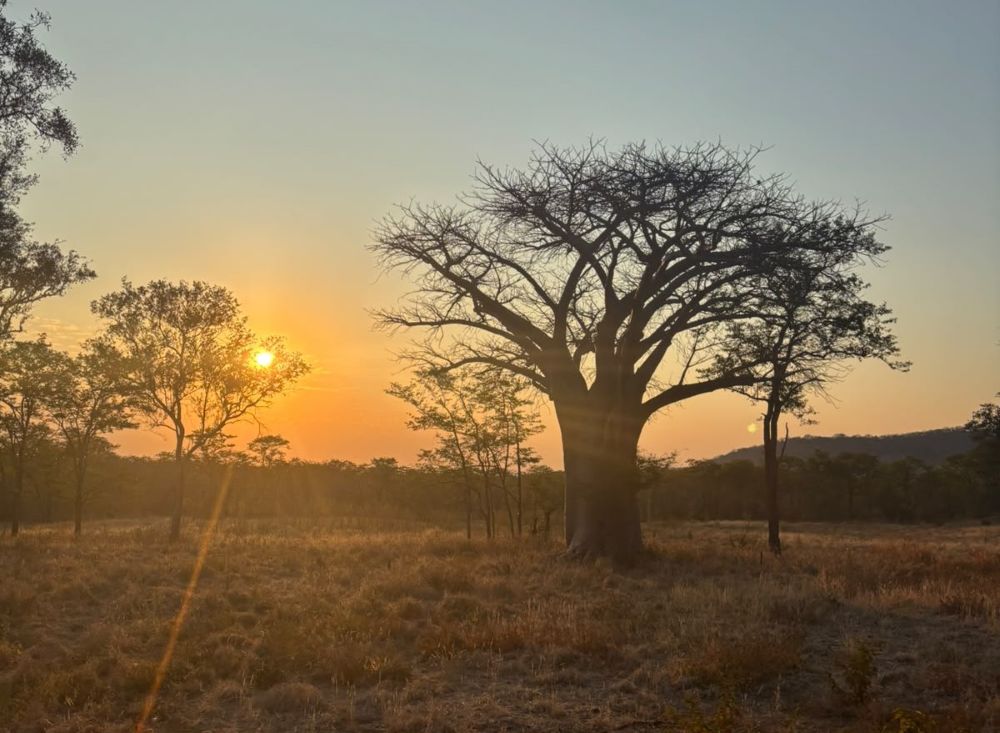
Africa sits on the other side of the world for most American hunters. It is a place they have read about in hunting magazines, watched on television and perhaps imagined visiting one day, but it feels very different from the familiar deer woods, mountain ranges and backcountry they know so well. The idea of an African Hunting Safari often feels both exciting and unfamiliar until they finally experience it for themselves.
When they finally make the journey, they expect new species, different landscapes and the opportunity to hunt animals they have only seen in photographs. Most also expect the challenge to come from unfamiliar animals. They soon discover that Africa challenges the hunter just as much. Those expectations are usually met. What often surprises them is that the safari changes far more than the destination.
It rarely happens all at once. Somewhere between following fresh spoor with trackers, passing animals that are not quite right, trusting a Professional Hunter's judgement and spending long days in wild country, success begins to be measured differently. The hunt becomes about more than the trophy at the end of it.
They often return home talking less about horn measurements and more about one stalk, an old buffalo bull they never caught up with, or the people they shared camp with. Africa changes more than the destination. It changes the way they think about the hunt itself.
[DYNAMIC-BLOGTABLEOFCONTENT]
The Hunt Stops Being About the Trophy
Hunters arrive in Africa with a clear plan. They have a list of animals they hope to hunt, photographs of mature trophies they would like to pursue and an idea of how they expect the safari to unfold. There is nothing unusual about that. Careful planning is part of every successful Big Game Hunting safari.
What surprises them is how quickly those priorities begin to change.
An old kudu bull that takes two days to find can become more memorable than a larger trophy taken within the first hour. Passing a good animal because something about him does not feel quite right often becomes just as satisfying as taking one. A difficult stalk that ends without a shot may still be remembered years later because every decision, every change in the wind and every step through the bush demanded complete concentration.

Before long, patience, judgement and time spent in truly wild country matter more than another set of horns on the wall.
The change rarely disappears. Hunters return home with trophies, but the memories they speak about most often are the hunts that tested them rather than the animals they brought back.
You Stop Looking at Animals and Start Reading the Bush
Most North American hunters spend years learning to recognize the animals they pursue. They study antlers, judge distance, watch feeding patterns and learn where deer, elk or moose are most likely to appear. Those skills remain valuable in Africa, but they quickly become only part of the equation.
Everything starts to mean something.
A fresh track crossing a sandy road, a branch broken during the night, dust hanging in still air or the sudden silence of birds can all reveal more than an animal standing in the open. Before long, they are no longer simply looking for game. They are reading everything around it.
Trackers often notice details that visiting hunters would walk past without a second glance. The shape of a spoor, the direction a blade of grass has been bent, or the freshness of dung can reveal where an animal has been, how quickly it is moving and whether it is worth following. Watching a tracker pause over a mark in the sand that everyone else walked past quickly becomes part of the hunt itself.

Before long, hunters find themselves paying less attention to the next ridge and more attention to the ground beneath their boots, the wind on their face and the sounds carrying through the bush. The landscape stops being a backdrop and becomes part of every decision made during the stalk.
Without really noticing it, the landscape begins to look different. Instead of waiting for animals to appear, they begin reading the country as experienced hunters have done for generations.
You Learn to Trust Experience
Hunters are used to making every decision themselves. They choose where to hunt, when to move, when to wait and when to take the shot. Years of experience have taught them to trust their own judgement.
Africa asks something different.
Professional Hunters and trackers have often spent decades reading the bush. They notice details that visiting hunters may never see and understand how animals use the landscape throughout the day. A slight change in the wind, fresh spoor crossing an old track or the distant call of a bird can be enough to change the plan.
At first, it can feel unfamiliar to walk past animals that seem perfectly acceptable or to leave an area just as the hunting appears to be improving. Then the reasons become clear. The old kudu bull is bedded farther ahead. The buffalo herd has already changed direction. The wind has started to betray the stalk.
Trust is earned one decision at a time.
Before long, those decisions start making perfect sense. It leaves a deeper appreciation for the judgement, patience and fieldcraft that turn a good safari into a memorable one.
Time Begins to Matter Differently
A first African safari is often planned with military precision. There are species to pursue, days allocated to different areas and a rough expectation of how the hunt will unfold. It seems sensible before arriving.
The schedule rarely survives the first morning.
Some mornings begin before sunrise and end without a shot being fired. On others, fresh spoor crossing a road sends the entire day in a different direction. A buffalo herd may cover far more ground than expected. A change in the wind can end a promising stalk in seconds. The best plans are often replaced by better opportunities.
Time in Africa is rarely measured by the number of animals taken. It is measured by miles walked behind fresh tracks, hours spent glassing distant hillsides, careful approaches that end within sight of the right animal and the quiet conversations that follow around the fire after dark. Those moments become part of the safari just as much as the trophies themselves.
The longer the safari continues, the less important the schedule becomes. The best days are usually the ones no one could have planned.

Sometimes Walking Away Is the Right Decision
Not every safari ends with every tag filled. Some animals are never found. Others are found but never offer the right opportunity. Occasionally, the right decision is to lower the rifle and keep walking.
That can be difficult to accept at first.
An African safari is often years in the making. After months of planning and thousands of miles of travel, the temptation to force an opportunity is understandable. Good Professional Hunters know that one rushed decision can undo days of careful hunting.
A bull may be younger than first thought. The shot angle may never become right. The wind may shift at exactly the wrong moment. Sometimes the animal simply wins.
Walking away is easier when the reason is clear. The disappointment fades quickly, replaced by the satisfaction of knowing the hunt was conducted properly.
Those stories rarely end with regret. They become the ones retold around campfires and dinner tables for years afterwards, not because an animal was taken, but because the decision was the right one.
You Stop Thinking of Hunting as an Individual Pursuit
Much of North American hunting is built around independence. A hunter may scout alone, choose his own route and spend days in the mountains or deer woods relying almost entirely on his own decisions.
Africa is different. A safari is a shared effort from the beginning.
The Professional Hunter plans the approach. Trackers follow signs that others would never notice. A driver may reposition the vehicle miles ahead, while skinners and camp staff prepare for whatever the day brings. Each person has a role, and the hunt works because those roles come together.
That doesn't diminish the hunter's role. The hunter still must walk, shoot well and make the final decision. What changes is the understanding that success belongs to more than the person carrying the rifle.
Spend a day following buffalo spoor and that becomes obvious. Everyone follows the same spoor, feels the same wind and watches the same patch of bush ahead. When the animal is finally found, the moment is shared by the entire team.
That sense of shared purpose often becomes one of the strongest memories of the safari. The trophy may travel home with the hunter, but the hunt itself belongs to everyone who helped make it possible.
The Hunt May End, But the Perspective Remains
The trophies eventually find a place on the wall. Photographs are shared with friends, stories are told and life gradually returns to normal.
Yet something is different.
The memories that stay closest are rarely measured in inches or score. They are the long stalk that almost came together, the old buffalo bull that disappeared into thick cover, the tracker who paused over a mark in the sand that everyone else had walked past, and the quiet conversations around the fire after dark.
That is one of the lasting gifts of an African hunting safari.
It introduces hunters to remarkable wildlife and wild places, but it also changes the way they see hunting itself. The lessons learned while following fresh spoor, trusting experienced trackers and Professional Hunters, walking away from the wrong opportunity and sharing the pursuit with others do not stay behind in Africa.
Perhaps that is why so many hunters eventually return. Not because one safari is ever enough, but because it changes the way they think about every hunt that follows.
Whether you are planning your first African adventure or considering a return to the continent, explore our Hunting Trips to begin planning a safari that offers far more than another trophy, it offers a different way of thinking about hunting.
Frequently Asked Questions
Does hunting in Africa really feel that different from hunting in North America?
Yes. While the fundamentals of hunting remain the same, Africa introduces unfamiliar game species, professional trackers, different terrain and hunting traditions that most North American hunters have never experienced. Many hunters expect the animals to be different but are surprised by how differently they begin thinking about the hunt itself.
Why do so many hunters return to Africa?
Many hunters initially travel to Africa to pursue species they have dreamed about for years. They often return because they miss the hunting itself. Following fresh spoor, working with experienced trackers, spending long days in wild country and sharing camp with other hunters creates memories that stay with them long after the safari has ended.
Is an African hunting safari suitable for a first-time international hunter?
Absolutely. Many first-time visitors to Africa are experienced deer, elk or moose hunters but have never hunted overseas. A reputable outfitter and Professional Hunter guide you through the entire process, from planning the safari to hunting safely and ethically in the field.
Do I need to be in exceptional physical condition to hunt in Africa?
Not necessarily. Some safaris involve long days on foot, particularly dangerous game hunts, while others can be tailored to suit different fitness levels and hunting styles. Choosing the right destination, species and hunting area is often more important than being an elite athlete.
Is Africa mainly about dangerous game hunting?
No. While buffalo, elephant, lion and leopard receive much of the attention, many visitors begin with Plains Game Hunts. Species such as kudu, gemsbok, impala, wildebeest and zebra offer challenging, rewarding hunting and are often the ideal introduction to Africa.
What is the biggest surprise for first-time hunters in Africa?
Many expect to remember the trophy most vividly. Instead, they often remember the stalks, the trackers, the campfire conversations and the moments when everything came together or almost did. Those experiences are often what draw hunters back to Africa.
Why should I hunt with a Professional Hunter?
African hunting is built around teamwork. Professional Hunters and trackers understand the animals, terrain, wind and local conditions in ways that only come from years of experience. Their judgement helps create safe, ethical and memorable hunts while allowing visiting hunters to focus on the pursuit itself.