
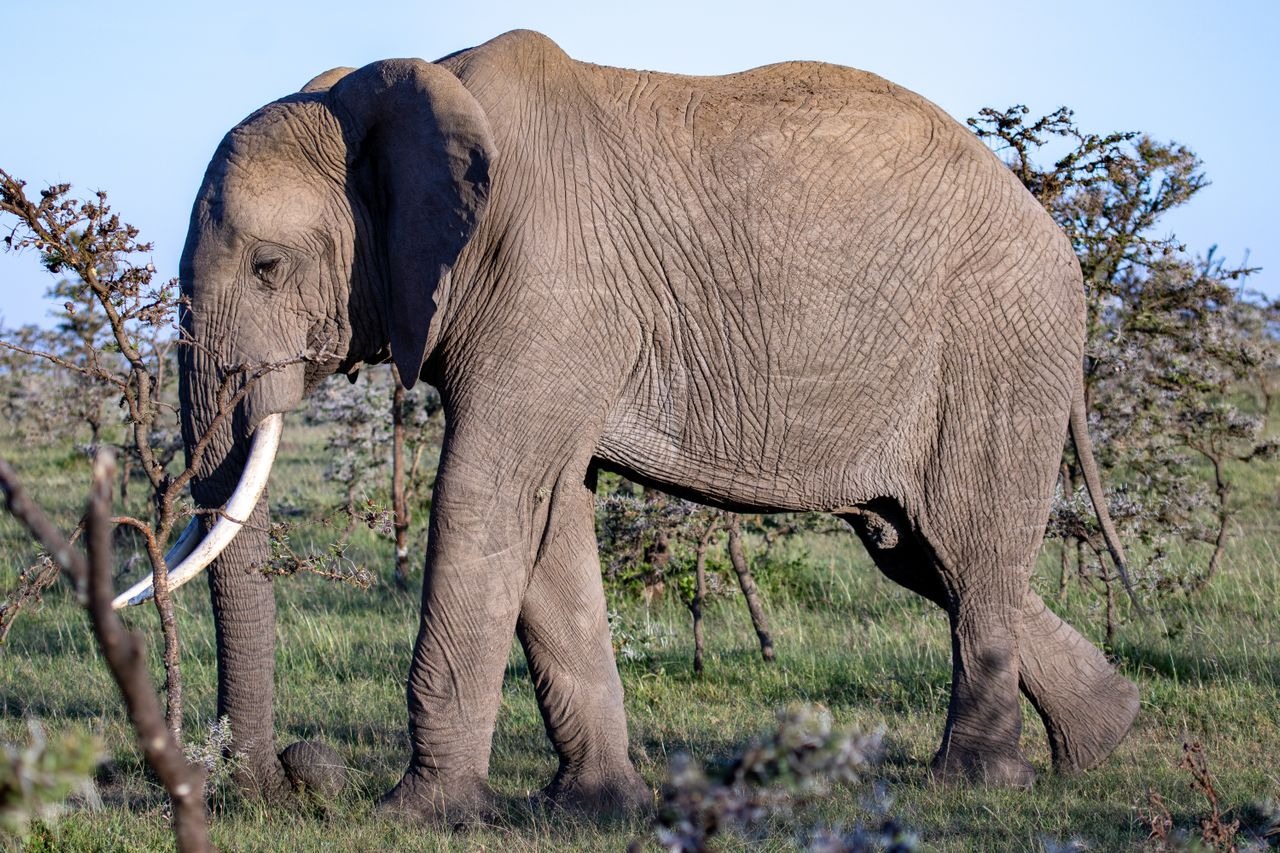
Mention elephant hunting in Africa and Zimbabwe is likely to enter the conversation quickly. It has the history, the reputation and some of the continent's most recognised elephant country. Botswana brings another proposition, with an enormous elephant population and vast northern wilderness areas. Namibia is sometimes mentioned later, yet it offers something neither destination can quite replicate.
The surprise is how difficult it is to describe a Namibia elephant safari as one type of hunt.
This is a country famous for desert-adapted elephants surviving in some of Africa's most arid landscapes, yet travel northeast and Namibia changes completely. The Zambezi Region, still commonly called the Caprivi by hunters, is greener country shaped by major rivers and connected to one of southern Africa's great wildlife systems. Move into Bushmanland and the character of the country changes again.
That variety gives Elephant Hunting in Namibia an identity that is easy to overlook when comparing Africa's better-known elephant destinations. The fundamentals may remain familiar, finding elephants, following sign and getting close enough to judge a bull, but the country surrounding the hunt can make one Namibia safari feel remarkably different from another.
A hunter choosing between Namibia and Zimbabwe is therefore not necessarily deciding which country offers the better elephant hunt. The more interesting question is what kind of elephant safari he wants.
Namibia's answer may depend entirely on which Namibia he chooses to hunt.

[DYNAMIC-BLOGTABLEOFCONTENT]
Namibia Is Not Zimbabwe With Different Scenery
Zimbabwe has earned its reputation as one of Africa's classic elephant hunting destinations. Its great hunting areas, long safari tradition and experienced Professional Hunters have made it a natural choice for generations of elephant hunters. Namibia should not try to compete with that history by pretending to offer the same safari under a different flag.
Its strength is that it offers something different.
Namibia stretches across an extraordinary range of elephant country. In the northwest, desert-adapted elephants have become synonymous with animals surviving in landscapes where water is scarce and distances are immense. These elephants form part of Namibia's wider wildlife story rather than representing every elephant hunt in the country, but their presence alone challenges the image many hunters have of where African elephants can live.
The picture changes dramatically farther northeast. The Zambezi Region is influenced by major river systems and forms part of a much broader wildlife landscape extending across international borders. Elephants move through greener woodland and riverine country that can feel a world removed from the dry Namibia seen in safari brochures.
Bushmanland presents another character again, adding extensive woodland and remote country to the mix. The variety available through Hunting in Namibia means a hunter needs to look beyond the country name on the quotation and understand where the safari will take place. The landscape, elephant movement, surrounding wildlife and overall feel of the hunt can differ considerably between areas.
That is perhaps the biggest distinction when comparing Namibia with the Zimbabwe elephant safari many hunters already have in mind. Choosing Namibia is not simply choosing another country in which to pursue the same hunt. Depending on the area, it can mean choosing a very different version of an elephant safari altogether.
The Country Can Change the Rifle You Want in Your Hands
The fundamentals of hunting elephant do not change simply because a hunter crosses a border. Getting close enough to identify the right bull, understanding the angle and placing the first shot correctly remain far more important than the name engraved on the rifle. What can change in Namibia is the country in which that opportunity finally develops.
In thicker woodland and bush country, including parts of Bushmanland, an elephant hunt can have more in common with the close-range encounters traditionally associated with Zimbabwe. Visibility may be limited and the final approach can bring the hunting team considerably closer before a clear opportunity develops. This is the kind of country where a well-handled big-bore double rifle can feel entirely at home, particularly when quick handling and the ability to make an immediate second shot matter more than long-range precision.
Other parts of Namibia can present a different problem. More open terrain may allow elephants to be seen at greater distances but, seeing a bull and getting into a suitable position to shoot him are two different things. A scoped big-bore bolt-action rifle may offer advantages when a hunter needs a clearer sight picture or when the final shot is taken at a somewhat longer distance than expected in thick bush.
The Zambezi Region can change the equation again. Woodland, riverine vegetation and seasonal conditions can influence visibility from one part of the hunting area to another, meaning the rifle that matters most is ultimately the one the hunter can handle confidently when the opportunity develops.
None of this makes elephant hunting a long-range exercise. An elephant is an enormous target, but the vital area a hunter needs to reach is considerably less forgiving, and the angle of the animal can change what constitutes the correct shot. Our Elephant Shot Placement guide covers these angles in greater detail, but the principle remains the same whether carrying a classic double or a scoped bolt action: the elephant does not know what rifle you brought to Namibia. The first bullet still needs to go exactly where it belongs.
What Kind of Elephant Hunt Are You Looking For?
Two hunters booking Elephant Hunts in Namibia may have very different ideas of the safari they want. One may be drawn to thicker bush and the possibility of close encounters with elephants on foot, while another may prefer more open country where animals can sometimes be located from greater distances before the approach begins. Others may be attracted to the greener environment and broader wildlife systems of the Zambezi Region.
This is one of the reasons the hunting area matters so much. Booking an elephant hunt in Namibia without understanding where it will take place can leave a hunter with a very different safari from the one he imagined. Bushmanland, the Zambezi Region and Namibia's more arid landscapes should not automatically be treated as interchangeable simply because elephants occur in each broader environment.

Seasonal conditions add another variable. Hunters familiar with Zimbabwe will understand how elephant country can change as the dry season progresses. Bush that was green and thick earlier in the year can become increasingly dry and open, water becomes more influential in animal movement, and tracking conditions can change with the season. Namibia experiences seasonal changes of its own, but the considerable differences between hunting regions mean the terrain can already create a very different starting point.
That can influence everything from how elephants are located to the amount of walking involved, the visibility available during the final approach and how close the hunting team may need to get before a bull can be properly judged. It can also affect the wider safari, including the other species encountered and the character of the country through which the hunt takes place.
The important question is therefore not simply whether Namibia offers a good elephant hunt. It is whether the hunting area offers the kind of elephant hunt you want.
A hunter attracted to the close-range tradition associated with classic Zimbabwe elephant hunting may have different expectations from someone drawn to Namibia precisely because he wants something less familiar. Neither approach is necessarily better. They are simply different reasons for choosing where to hunt.
That is worth understanding before the safari is booked. Choose the style of elephant hunt first, then choose the part of Namibia that gives you the best opportunity to find it.
Water Can Completely Change the Hunt
Water influences elephant movement across Africa, but in Namibia the relationship between elephants and water can look remarkably different from one hunting area to another. The contrast becomes particularly noticeable when comparing the greener northeast with the country's drier elephant country.
The Zambezi Region is shaped by major rivers, floodplains and seasonal water. During wetter periods, elephants may have access to feeding areas and water across a broader landscape, while changing river levels and seasonal vegetation can influence how they move through the region. A hunter accustomed to Zimbabwe's progressively drying bush may therefore find himself looking at a very different elephant environment.
In more arid country, water can play another role entirely. Reliable water sources may have greater influence on where elephants travel, while tracks leading between feeding areas and water can help the hunting team understand how bulls are using the country. Even then, knowing where an elephant is likely to drink and finding the bull being hunted are two very different things.
These differences can change the daily rhythm of the safari. Elephants moving through country with widely available water and food may require the hunting team to search a broader area for fresh sign, while increasingly dry conditions elsewhere can begin to concentrate animal movement around the resources that remain available.
This is another reason the season and hunting area should be considered together. A September elephant hunt in one part of Namibia may bear little resemblance to a safari taking place at the same time elsewhere in the country. The calendar may be identical, but the water, vegetation and way elephants are using the landscape may not be.
Understanding those differences before booking gives the hunter a much clearer idea of what to expect. Namibia's variety is not simply something to admire from the safari vehicle. It can influence where elephants are found, how much ground the hunting team needs to cover and what it ultimately takes to get within range of the right bull.
The Hunt Behind the Elephant
An elephant on quota tells a hunter that an opportunity exists. It does not tell him what the safari will be like.
The hunting area, time of year, availability of water and the way bulls are moving through the country can all influence what it takes to find the right elephant. One hunt may involve considerable time searching for fresh tracks before following a bull through thick woodland. Another may begin in more open country where elephants can be located differently, and the challenge becomes planning the approach.
The same applies when elephant forms part of a wider safari. The species available in one part of Namibia may be very different from those available in another, and combining hunts can sometimes involve additional travel between areas.
That is perhaps the most important lesson behind Namibia's three different safaris. Before you choose the elephant, understand the hunt attached to it. Hunters comparing the country's different options can find the broader planning information on our Elephant Hunting in Namibia page.
The Elephant May Decide Where You Hunt. The Rest of the Safari May Decide Why.
A hunter traveling to Namibia specifically for elephant may choose a hunting area based primarily on available quota, recent bull movement and the type of elephant country he wants to hunt. But once the safari extends beyond a single species, the decision becomes more interesting.
The part of Namibia in which the elephant hunt takes place can influence what else fits naturally into the safari. A hunt in the Zambezi Region takes place within a very different wildlife environment from one conducted elsewhere in the country, while the species available, current quotas and opportunities to combine hunts can vary considerably between areas.
This becomes particularly important for hunters considering elephant as part of a broader Big Five Hunting safari. Namibia should not automatically be treated as interchangeable with Zimbabwe or other established dangerous game destinations. The elephant opportunity may be excellent, but the availability of other species needs to be considered individually rather than assuming every hunt can simply be added to the same safari.
Plains game can also influence the decision. A hunter may want to pursue elephant as the primary objective while adding several species that naturally occur in the region being hunted. In that case, choosing the right area can create a much more coherent safari than trying to build a trophy list first and then finding somewhere that offers everything on it.
There is also the wider trip to consider. American and other international hunters travelling this far may want to spend additional time in Namibia, particularly when accompanied by a spouse or family. The country offers opportunities to extend a hunting safari with travel elsewhere in Namibia, although the distances involved mean those plans are best considered before the trip rather than added as an afterthought once the elephant hunt is finished.
Ultimately, the hunter needs to decide whether the elephant is the safari or whether the elephant is part of the safari. That distinction can influence where in Namibia he hunts, how long he stays and what the rest of the trip looks like.
The right elephant may determine where the hunt begins. Everything else you want from Africa may help determine where you choose to book it.
Frequently Asked Questions
Is elephant hunting legal in Namibia?
Yes. Regulated elephant hunting is legal in Namibia where appropriate hunting quota and permits are available. Hunters should confirm the status of the hunting area, available elephant quota and any permit requirements with their outfitter before booking, as opportunities can vary between areas and seasons.
Where can you hunt elephant in Namibia?
Elephant hunting opportunities in Namibia are associated with specific hunting areas and available quota rather than the country. Bushmanland and parts of northeastern Namibia, including the wider Zambezi Region, are among the areas associated with elephant hunting. Hunters should confirm exactly where a proposed safari will take place, as the terrain and character of an elephant hunt can differ considerably between regions.
How does elephant hunting in Namibia differ from Zimbabwe?
Zimbabwe is renowned for classic elephant hunting in extensive bush and wilderness areas, while Namibia can offer a wider contrast between the environments in which elephant safaris take place. Depending on the hunting area, a Namibia safari may involve thicker woodland, greener river-influenced country or considerably more arid terrain. Neither destination is inherently better; the choice depends largely on the type of elephant safari the hunter wants.
What is the best time to hunt elephant in Namibia?
The best time can depend on the hunting area and seasonal conditions rather than one month. As the dry season progresses, changes in water availability and vegetation can influence elephant movement and visibility, but these effects can differ considerably between Namibia's regions. Hunters should discuss recent conditions and bull movement with the outfitter when choosing safari dates.
What rifle calibre is suitable for elephant hunting in Namibia?
A suitable dangerous-game calibre that meets Namibia's current legal requirements is essential. Big-bore double rifles and bolt-action rifles are both used for elephant hunting, and the best choice depends partly on the hunting conditions and the rifle the hunter can handle confidently. Regardless of calibre or action type, correct Elephant Shot Placement and the ability to make an accurate first shot remain critical.
Can an elephant hunt in Namibia be combined with a Big Five safari?
Potentially, depending on the hunting area, current quota and which other species are legally available. Hunters planning elephant as part of a broader Big Five Hunting safari should confirm each species individually rather than assuming that securing an elephant hunt means the remaining species can be added in the same area. In some cases, pursuing additional species may require different hunting areas or separate arrangements.
Can elephant hunting in Namibia be part of a longer African hunting trip?
Yes. Elephant may be the primary reason for travelling to Namibia, but the safari can often form part of broader Hunting Trips that include additional species or time in other hunting areas. What can be combined will depend on the elephant hunting area, available quota and the other species being pursued. Hunters planning a multi-species trip should discuss the complete safari before booking so the hunting areas, travel time and number of hunting days can be planned properly.