
Updated: July 2026
The African Big Five are often spoken about as though they represent a single hunting challenge. In reality, nothing could be further from the truth. While the lion, leopard, African elephant, Cape buffalo and rhinoceros all earned their place among Africa's most respected game animals, each demands a completely different combination of skill, patience and judgement from the hunter.
A Cape buffalo may test your ability to follow fresh spoor through thick bush before facing a close-range shot. A leopard rewards patience and meticulous preparation over several nights on bait, while elephant hunting demands calm decision-making and exceptional shot placement. Lions challenge a hunter's confidence and discipline during close encounters, while modern rhinoceros hunts focus on conservation, wildlife management and ethical responsibility rather than traditional trophy hunting. Even experienced dangerous game hunters will tell you that no two Big Five safaris are ever the same.
For hunters considering a Big Five Hunting safari, understanding what makes each species unique is every bit as important as knowing where to hunt them. Appreciating these differences not only explains why the Big Five remain Africa's ultimate dangerous game challenge, but also why completing the collection is regarded as one of the greatest achievements in African hunting.
[DYNAMIC-BLOGTABLEOFCONTENT]
Key Takeaways
- Every member of the Big Five presents a completely different hunting challenge, requiring its own skills, tactics and decision-making.
- Cape buffalo are respected for their unpredictable behaviour, close-range encounters, and ability to disappear into thick cover.
- Leopard hunting rewards patience, careful bait management, and making the most of brief shooting opportunities.
- Elephant hunting demands exceptional shot placement, teamwork, and calm judgement under pressure.
- Lion and rhinoceros hunts each require their own unique approach, with modern rhino hunting centred on conservation and ethical wildlife management.
- Completing the Big Five is less about collecting five trophies and more about mastering five distinct dangerous game hunting disciplines.
The Big Five Share a Name, Not the Same Challenge
The Big Five are often spoken about as though they represent a single level of achievement. In reality, every one of these animals tests a completely different aspect of dangerous game hunting. Success with one species does not guarantee success with the next, and every safari demands its own approach, preparation and mindset.
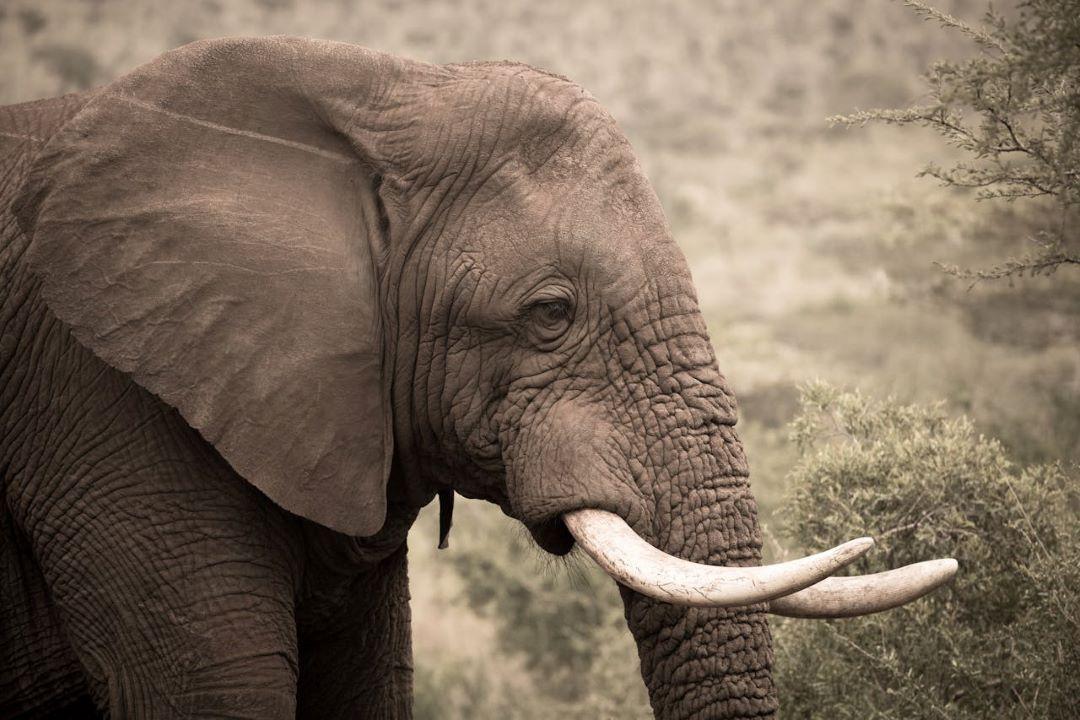
Cape buffalo hunting revolves around tracking. Hunters may spend hours following fresh spoor through thick bush, knowing the distance between tracker and buffalo could close without warning. The challenge lies in reading sign, trusting experienced trackers and remaining calm when a mature bull is finally located at close range.
Leopard hunting rewards a different kind of discipline. Instead of covering miles on foot, success often depends on careful planning before the hunt even begins. Selecting productive bait sites, monitoring trail cameras and waiting silently for several evenings requires patience that many hunters underestimate. When the opportunity finally comes, it may last only a few seconds.
Elephant hunting demands precision above everything else. Following a breeding herd or bachelor bulls through Africa's wilderness requires constant attention to the wind, quiet communication between the hunting team and absolute confidence when the moment for a shot arrives. There is little room for hesitation or poor shot placement.
Lion hunting combines tracking with the ability to read the behaviour of one of Africa's most intelligent predators. Every encounter requires discipline and sound judgement. Professional hunters know that not every lion should be pursued, and not every opportunity should become a shot.
Modern rhinoceros hunting is unlike any of the other Big Five species. Today, it is centred on carefully managed Green Hunts that support conservation, veterinary research and responsible wildlife management. Rather than measuring success by a trophy, these hunts allow participants to contribute directly to the long-term protection of one of Africa's most threatened animals.
For American hunters considering a Big Five Hunting safari, appreciating these differences is one of the most important parts of planning the journey. Completing the Big Five is not about repeating the same hunt five times. It is about learning five different dangerous game disciplines, each demanding its own skills, judgement and respect.
Cape Buffalo - Africa's Most Unpredictable Opponent
Ask almost any professional hunter which member of the Big Five commands the most respect, and the Cape buffalo will almost always be part of the conversation. Nicknamed "Black Death" by early hunters, buffalo have earned their reputation through a combination of intelligence, resilience and unpredictable behaviour rather than outright aggression.
Many American hunters picture Cape buffalo standing out on open plains, much like the photographs often seen in hunting magazines or online. While buffalo may feed in more open areas during parts of the day, that is rarely where the hunt begins. Instead, professional hunters and trackers usually start at first light by searching for fresh spoor where the herd or a mature dagga bull left its feeding area during the night. From there, the hunt becomes a matter of following tracks through thick bush until the buffalo are located.
Every broken twig, fresh track and patch of disturbed grass helps reveal the buffalo's movements. Progress is often slow and deliberate, with the hunting party constantly checking the wind and listening for movement ahead. As the distance closes, the bush seems to become quieter, and visibility is often measured in yards rather than hundreds of yards.
Unlike plains game hunting, success rarely depends on spotting buffalo from a distance. It comes from reading sign, trusting experienced trackers and quietly closing the final distance on foot. When the opportunity finally presents itself, there is rarely time for hesitation. Calm decision-making and accurate shot placement are essential.
Buffalo are also renowned for their determination when wounded. A mature bull may seek cover instead of fleeing, forcing hunters and professional hunters to approach cautiously while remaining prepared for a close-range encounter. It is this uncertainty that has earned the species such respect throughout Africa's hunting community.
For hunters pursuing Cape Buffalo Hunts, the challenge extends far beyond taking the shot. Success comes from understanding the bush, trusting your hunting team and remaining composed throughout one of Africa's most demanding dangerous game hunts.
Lion - Discipline, Judgement and Restraint
Lion hunting differs from every other member of the Big Five because the greatest challenge often begins after the lion has been found. While following fresh spoor and closing the distance requires skill, the most important decision is determining whether the lion standing in front of you is actually the right lion to hunt.
Many hunters expect an old lion to be recognised simply by the size of its mane. In reality, professional hunters rely on far more than appearance alone. Mane development varies between different regions of Africa, with genetics, climate and habitat all influencing how heavily maned a mature lion may become. Some old territorial males carry surprisingly modest manes, while younger lions can sometimes appear far more impressive than they really are.
Instead, experienced professional hunters study the lion itself. The amount of pigmentation on the nose, facial scarring, body condition, shoulder development and overall behaviour all help build a picture of the animal's age and breeding status. Determining whether a lion has reached the end of his breeding years is one of the most important responsibilities on the safari and should never be rushed.
This often surprises hunters. After days of tracking, a mature male may finally step into view, only for the professional hunter to quietly decide that he is still too young. The rifles remain on safe, the lion walks away, and the search begins again. Passing on a magnificent animal can be disappointing, but it is also one of the foundations of ethical and sustainable lion hunting.
When the right lion is finally found, events unfold quickly. There is little time for hesitation, making calm judgement and complete confidence in both your professional hunter and your own abilities essential. By this stage, the hardest decision has already been made.
For hunters pursuing Lion Hunts, success is measured by far more than taking a trophy. It comes from the discipline to wait, the judgement to make the right decision, and the respect to walk away when the lion standing before you has not yet earned his place as the right animal to hunt.
Elephant - Precision Under Pressure
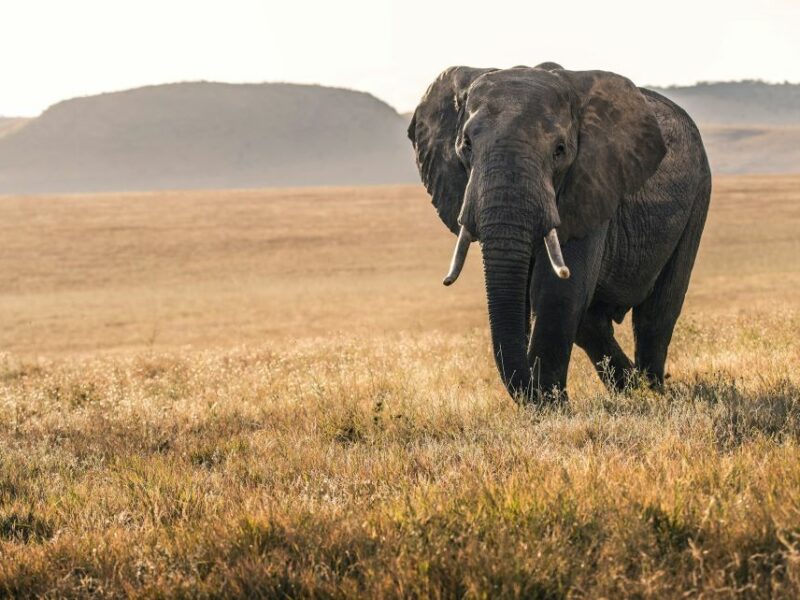
First-time elephant hunters may imagine spending their safari stalking a single old bull through Africa's wilderness. The reality is often different. Most days begin by following tracks left several hours earlier, long before anyone has actually seen the elephants being hunted.
Once fresh spoor is found, the hunting team commits to the track. Professional hunters and trackers may spend hours quietly following the herd or bachelor group through thick bush, constantly checking the wind and reading every sign left behind. At this stage, nobody knows whether the elephants ahead include a mature trophy bull, younger bulls, or animals that should simply be left alone. The only way to find out is to keep tracking.
Even after finally catching up to the elephants, the hunt may not be over. The first mature bull may carry broken tusks, uneven ivory or simply be younger than expected. In many cases, the professional hunter will quietly turn the team around and begin searching for another track. For hunters unfamiliar with free-range elephant safaris, this can be one of the biggest surprises. Finding elephants is only part of the challenge. Finding the right elephant is what takes time.
The character of the hunt also changes across Africa. In vast wilderness areas such as Zimbabwe's Zambezi Valley or Tanzania's great hunting concessions, a single set of tracks may lead the hunting team across many miles before the elephants are finally located. In higher-density areas, such as Namibia's Caprivi, hunters may encounter several bulls during the same day. Even then, patience remains essential, as passing younger bulls or those with less desirable ivory is often part of pursuing a truly mature trophy.
Throughout the hunt, communication between the professional hunter, trackers and hunter becomes critical. Elephant can move surprisingly quietly through thick bush, and the final approach often takes place at close range with little room for error. Calm judgement, absolute confidence in shot placement and complete trust in the hunting team are essential.
For hunters pursuing Elephant Hunts, success is measured by far more than taking a trophy. It comes from understanding that an elephant safari is a patient search for the right bull, where discipline and good decisions are rewarded long before the trigger is ever pulled.
Rhinoceros - Power, Conservation and Responsibility
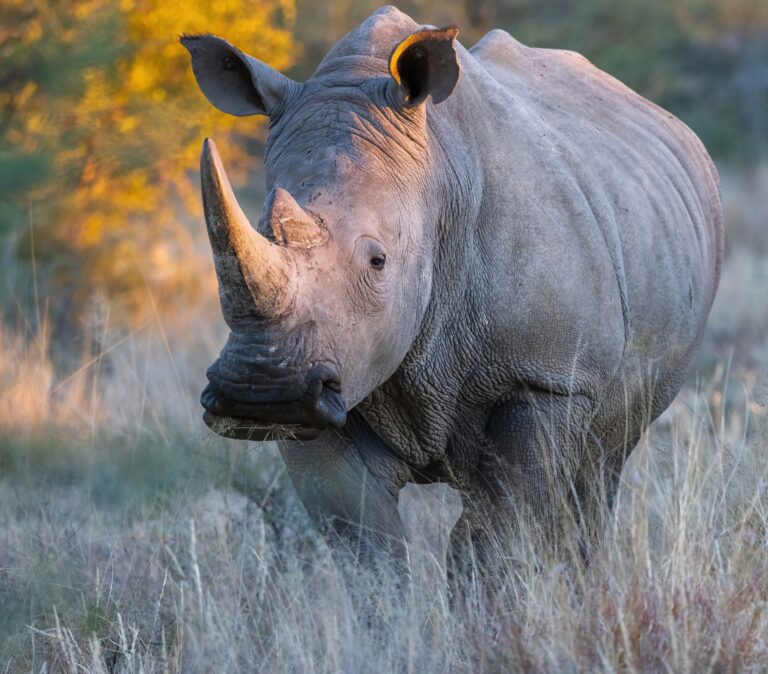
Modern rhinoceros hunting is unlike any other member of the Big Five. Today, hunters may choose to participate in a conservation-focused Green Hunt or, where legally available under strict quota systems, pursue a white rhinoceros trophy. Exceptionally limited black rhinoceros hunts may also become available through carefully regulated conservation programmes. Regardless of the type of hunt, every rhino safari is built around responsible wildlife management and ethical decision-making.
Hunters are often surprised by how different a rhino hunt feels compared to pursuing buffalo, elephant or leopard. Rather than spending days following a single set of tracks through vast wilderness, professional hunters usually have a good understanding of where individual rhinos live and move within a concession or reserve. The challenge is rarely finding the animal—it is approaching it safely and without being detected.
Despite their enormous size, rhinos can disappear surprisingly quickly into thick bush. Their eyesight is relatively poor, but their sense of smell is exceptional. A sudden change in the wind can end a carefully planned stalk within seconds, forcing the hunting team to back away and begin again. Every approach is slow, deliberate and built around keeping both the hunters and the animal calm.
Accuracy also becomes critically important. Whether placing a tranquiliser dart during a Green Hunt or delivering a carefully placed shot during a legal trophy hunt, there is no room for poor judgement. Professional hunters place enormous emphasis on patience, communication and precision to ensure every hunt is conducted safely, ethically and with complete respect for the animal.
For hunters considering Rhino Green Hunts or one of the very limited legal trophy opportunities, the greatest lesson is that responsibility carries just as much weight as fieldcraft. Few members of the Big Five better demonstrate the important role that regulated hunting continues to play in supporting Africa's long-term wildlife conservation.
Leopard - The Ultimate Test of Patience
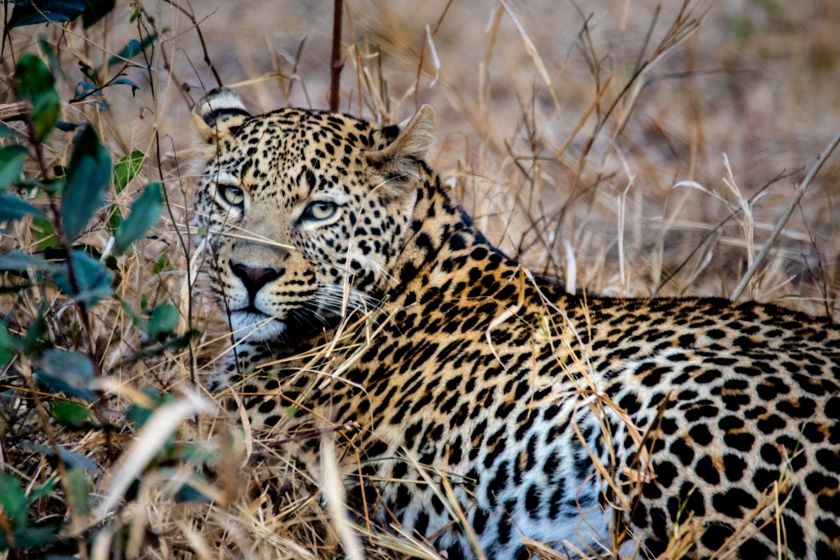
Leopard hunting has a way of surprising first-time hunters. Many American hunters arrive expecting to spend every evening sitting over a bait, waiting for a mature tom to appear. In reality, much of the hunt is decided long before anyone climbs into a blind.
The first challenge is finding the right leopard. Professional hunters spend days studying tracks along roads, checking trail cameras and identifying the territory of mature toms. Baits may be hung in several locations, but not every leopard is worth pursuing. Young males, females and shy toms are left alone while the hunting team waits for the right cat to become comfortable visiting the bait.
Even after a mature leopard is identified, there are no guarantees. A tom may feed confidently for several nights before suddenly disappearing without explanation. Changing wind, competition from hyenas, lions or other leopards, and even subtle human scent can alter his behaviour overnight. Success often depends on reading these changes and adapting quickly rather than simply waiting longer.
Many hunters are also unprepared for the mental demands of a leopard safari. The routine can feel repetitive—checking baits at first light, dragging fresh bait into position, studying tracks, refreshing trail cameras and returning to the blind each evening. Days may pass without a shot opportunity, making patience and trust in your professional hunter just as important as shooting ability. Then, without warning, everything can change in a matter of seconds.
When the opportunity finally arrives, it is usually over almost as quickly as it begins. A mature tom may step cautiously into the clearing, pause briefly to study its surroundings, and disappear just as quickly if anything seems out of place. There is rarely time to overthink the shot. Preparation, patience and complete confidence in your rifle become every bit as important as marksmanship itself.
For hunters pursuing Leopard Hunts, the greatest challenge is rarely pulling the trigger. It is accepting that the hunt moves at the leopard's pace, not yours. Few dangerous game animals test patience, discipline and mental resilience more thoroughly than Africa's most elusive big cat.
Which Big Five Animal is the Hardest to Hunt?
Ask five experienced professional hunters which member of the Big Five is the hardest to hunt, and you'll probably receive five different answers. Not because they disagree, but because every dangerous game hunt presents its own unique challenges. The answer often depends as much on the country, terrain and hunting conditions as it does on the animal itself.
A Cape buffalo hunt through Zimbabwe's thick jesse bush presents very different challenges to following buffalo across Tanzania's open miombo woodlands. Likewise, tracking an old elephant bull through one of Tanzania's vast free-range hunting concessions is a different experience to hunting in Namibia's Caprivi, where elephant densities are often much higher but selecting the right mature bull becomes the real test of patience and judgement.
The same principle applies to every member of the Big Five. A leopard hunt can become exceptionally difficult in areas with low leopard densities, while concessions holding a healthy population may offer more opportunities but still demand patience before the right mature tom appears. Lion hunting also varies between regions, with habitat, visibility and local lion behaviour all influencing how the hunt unfolds.
The hunter also plays a role. Someone who enjoys covering miles on foot may thrive on buffalo or elephant hunting, while another hunter may appreciate the slower, more methodical pace of a leopard safari. Every dangerous game hunter eventually discovers that one member of the Big Five will test them more than the others, and that challenge is often personal rather than universal.
Perhaps the better question is not which member of the Big Five is the hardest to hunt, but which one will challenge you the most. The answer depends on the animal, the country, the terrain and, ultimately, the kind of hunter you are. That is precisely what makes completing the Big Five one of Africa's greatest hunting achievements.
Where Should Hunters Start?
For hunters planning their first dangerous game safari, one question comes up time and again: which member of the Big Five should I hunt first?
While there is no universal answer, Cape buffalo is often the first member of the Big Five that hunters pursue. Not because buffalo are easier to hunt—far from it—but because they provide one of the most accessible introductions to dangerous game hunting. Buffalo quotas are generally more widely available than those for elephant or lion, allowing hunters to gain valuable dangerous game experience before progressing to some of Africa's longer and more expensive safaris.
South Africa has also introduced many international hunters to dangerous game hunting. Excellent professional hunters, well-managed concessions and more accessible safari costs have allowed thousands of hunters to experience tracking buffalo for the first time. What many quickly discover, however, is that a Cape buffalo pays little attention to whether it lives behind a fence or in a vast free-range wilderness. Once the tracking begins and the distance closes, the hunt demands exactly the same respect, discipline and sound judgement.
A buffalo safari also teaches many of the skills that carry through to other members of the Big Five. Hunters learn to trust experienced trackers, read fresh spoor, work with the wind and remain calm when everything suddenly happens at close range. Those lessons prove invaluable when progressing to elephant, lion or other dangerous game hunts.
Leopard hunting often stands apart from the others. Rather than testing physical endurance or tracking ability, it rewards patience, careful preparation and mental discipline. Some hunters pursue leopard early in their dangerous game journey, while others wait until they have experienced several African safaris. Neither approach is right or wrong. The best time to hunt leopard is when a hunter is ready to embrace the unique pace and demands of the safari.
Ultimately, there is no perfect order for completing the Big Five. Some hunters spend decades working towards the achievement, while others simply pursue the species that has captured their imagination since childhood. The destination matters less than the journey itself.
For hunters exploring Dangerous Game Hunts, every safari builds knowledge, confidence and respect for Africa's wildlife. Completing the Big Five is not about checking five animals off a list. It is about becoming a better dangerous game hunter with every step of the journey.
The Journey Behind the Big Five
The Big Five may be grouped together under a single name, but every hunt tells a different story. A Cape buffalo teaches the value of trusting experienced trackers when the distance closes unexpectedly. Leopard hunting rewards patience and mental resilience through days of careful preparation. Elephant hunting is a lesson in persistence, where finding the right bull often matters more than simply finding elephants. Lion hunting demonstrates that knowing when not to shoot can be just as important as taking the shot, while modern rhinoceros hunts highlight the responsibility that comes with hunting one of Africa's most carefully managed species.
That is why completing the Big Five is about far more than collecting five trophies. It is a journey built on experience, sound judgement and a growing appreciation for five remarkable animals that challenge hunters in completely different ways. Every safari leaves behind new lessons, making the next adventure even more rewarding.
Whether planning future Hunting Trips or working towards the goal of completing a Big Five Hunting safari, understanding what makes each hunt unique is the first step towards appreciating why these animals continue to command such respect throughout Africa. In the end, it is not the destination that defines the Big Five—it is the journey.
Frequently Asked Questions
Which member of the Big Five is the hardest to hunt?
There is no universal answer. Professional hunters often disagree because every member of the Big Five presents a different challenge. Cape buffalo test tracking and close-range decision-making, leopard rewards patience, elephant demands persistence, lion requires careful judgement, and rhinoceros hunting emphasises responsibility and ethical wildlife management.
Why do most hunters start with Cape buffalo?
Cape buffalo is often the first dangerous game animal hunters pursue because buffalo hunts are generally more widely available and more affordable than elephant or lion safaris. They also teach many of the core skills used throughout dangerous game hunting, including tracking, reading the wind, working with experienced trackers and remaining calm under pressure.
Does every Big Five hunt take place in thick bush?
No. The terrain depends entirely on the country and hunting area. Buffalo may be hunted in Zimbabwe's dense jesse bush or Tanzania's open miombo woodlands, while elephant, lion and leopard hunts can vary dramatically between concessions. The same species may present completely different challenges depending on where the hunt takes place.
Is leopard hunting really as difficult as people say?
Yes. Leopard hunting is often regarded as one of Africa's greatest tests of patience. Success depends on selecting the right mature tom, managing bait sites, reading leopard behaviour and waiting for a brief shooting opportunity that may last only a few seconds.
Why don't professional hunters shoot the first lion they find?
Ethical lion hunting places great importance on age assessment. Professional hunters evaluate much more than the lion's mane, including facial features, body condition, nose pigmentation, behaviour and overall maturity. Passing on a younger lion is an important part of sustainable lion management.
Can you hunt all of the Big Five on one safari?
It is possible, but very uncommon. Most hunters pursue the Big Five over several safaris, often spread across different countries and many years. This allows each hunt to receive the time and attention it deserves while building valuable dangerous game experience.
How long does it take to complete the Big Five?
There is no set timeline. Some hunters complete the Big Five within a few years, while others spend decades working towards the goal. Many choose to enjoy each safari individually rather than focusing on completing the collection as quickly as possible.
Why is completing the Big Five considered such an achievement?
Completing the Big Five is about far more than collecting five trophies. Each species demands different hunting skills, different decision-making and a different mindset. Together they represent a lifetime of learning, making the achievement one of the most respected milestones in African dangerous game hunting.
I think this is much cleaner visually and fits the style of the rest of your educational resources. It feels less like a list of SEO questions and more like the natural closing section of a well-written hunting guide.