
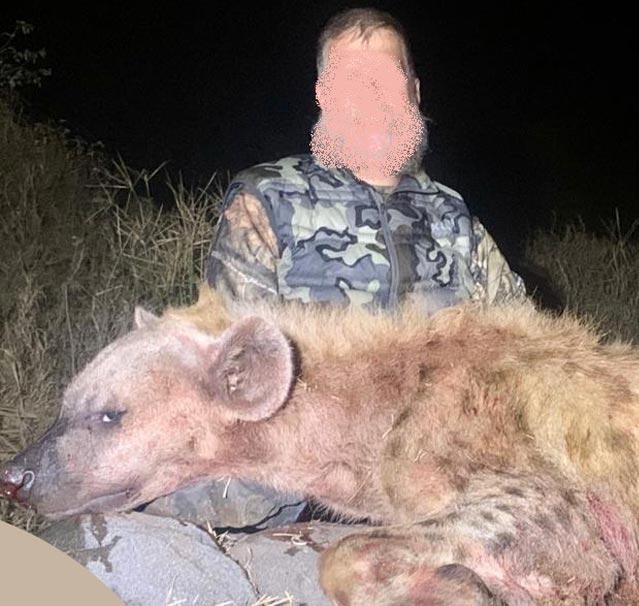
Spotted Hyena Hunting in SA plus 7 Specialty Species
Booking Season: 2026
Hunt Difficulty: Moderate

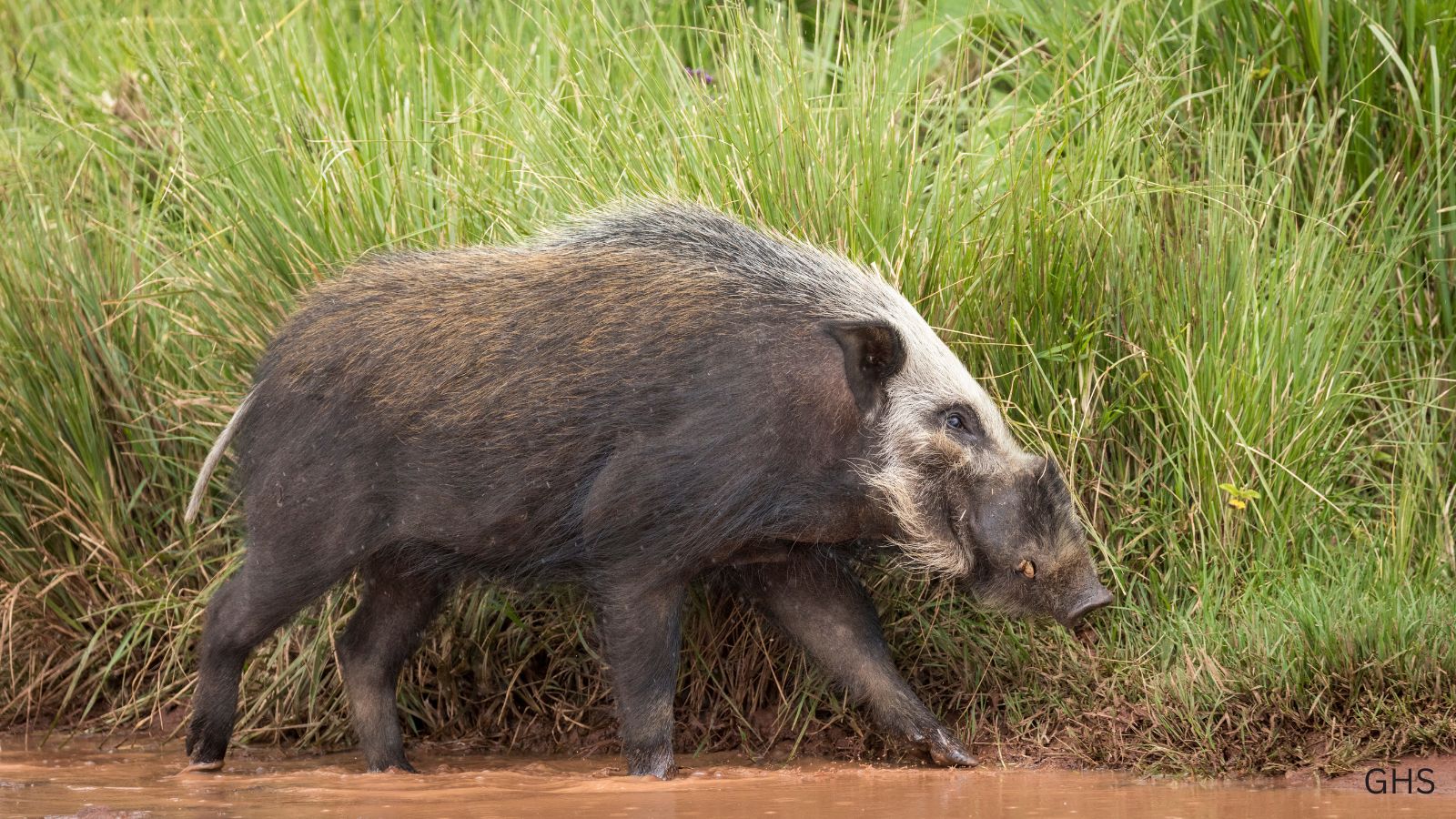
There is a specific kind of silence in the African bush at 2:00 AM, right before it gets shattered by the squeal of a bushpig. Bushpig hunts are not for the faint of heart or the impatient. Unlike the diurnal warthog, which you might bump into on a casual drive, the bushpig is a ghost. He is smart, he is suspicious, and he lives in the shadows. For many American hunters, this is the species that turns a standard plains game safari into a true obsession.
At Game Hunting Safaris, we have noticed a shift. More of you are asking for the challenging stuff. You want the critters that don’t just stand there. And honestly? We love that. It shows a dedication to the craft of hunting. But here is the thing: booking a bushpig hunt isn’t as simple as picking a date. You need the right moon phase, the right area, and an outfitter who actually pre-baits instead of just promising they do. That is where we come in. We strip away the uncertainty. We vet the operators to ensure they are running legitimate, ethical setups, so you don’t fly 8,000 miles to sit over a cold bait pile.
This guide breaks down exactly what you are up against, from the gear you need to the shot placement that drops them. Whether you are looking to add this to a dangerous game package or focusing solely on the nocturnal swine, we are here to make sure the logistics, permits, pricing, and travel, are the least of your worries.
Available Bushpig Hunts
Spotted Hyena Hunting in SA plus 7 Specialty Species
Booking Season: 2026
Hunt Difficulty: Moderate
Hyena Hunting for 10 x Days in SA, plus 6 other Critters
Booking Season: 2026
Hunt Difficulty: Moderate, Difficult
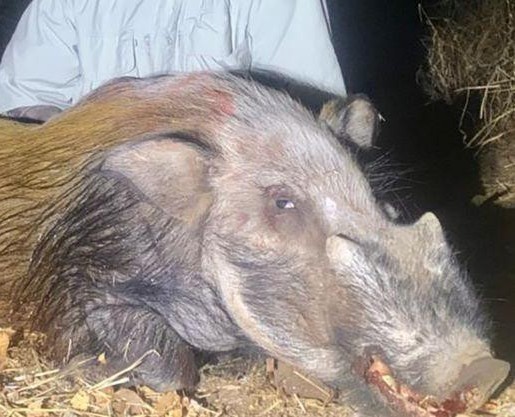
Bushpig Hunting in SA, plus 5 other Species in 10 Days
Booking Season: 2026
Hunt Difficulty: Difficult
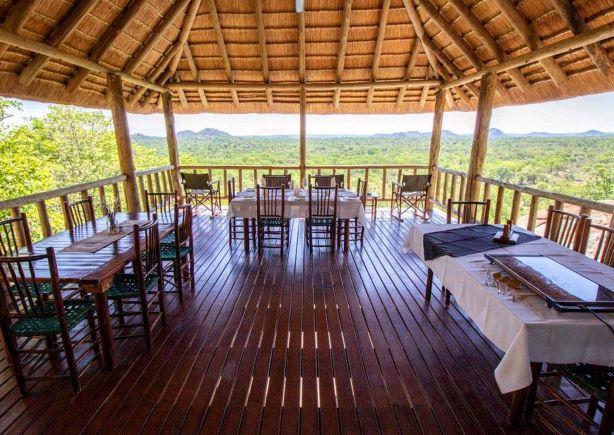
African Plains Game Hunt, plus Night Critters 10 Days in SA
Booking Season: 2025
Hunt Difficulty: Moderate, Difficult
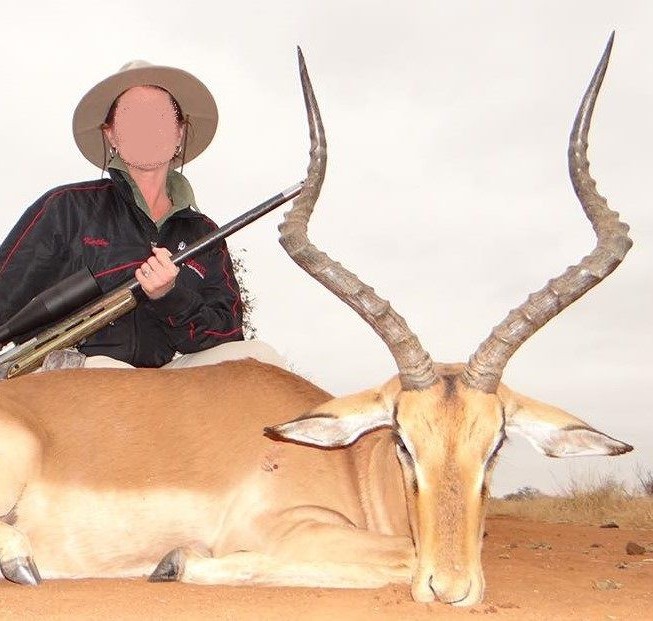
Plains Game Hunting in South Africa Day & Night Safari
Booking Season: 2026
Hunt Difficulty: Moderate, Difficult
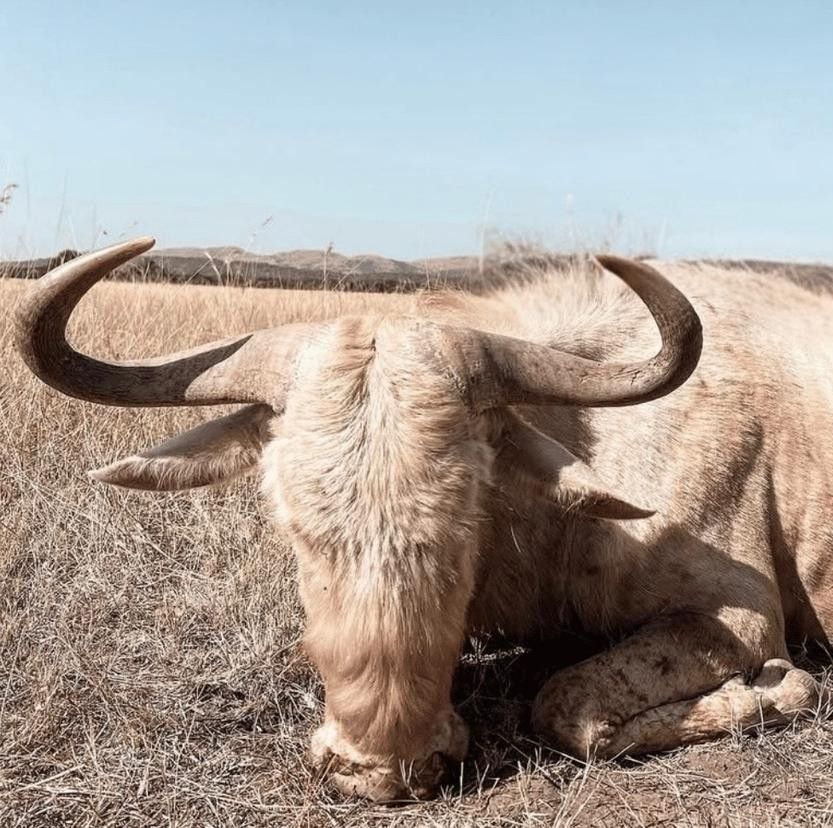
Limpopo Safaris: Sable, Nyala, Golden Wildebeest & Bushpig
Booking Season: 2026
Hunt Difficulty: Moderate
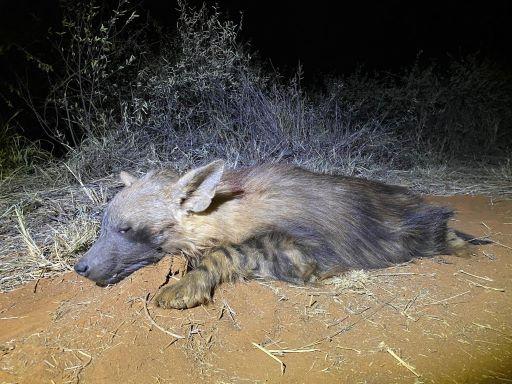
Hunt Brown Hyena and African Cats in South Africa
Booking Season: 2026
Hunt Difficulty: Difficult
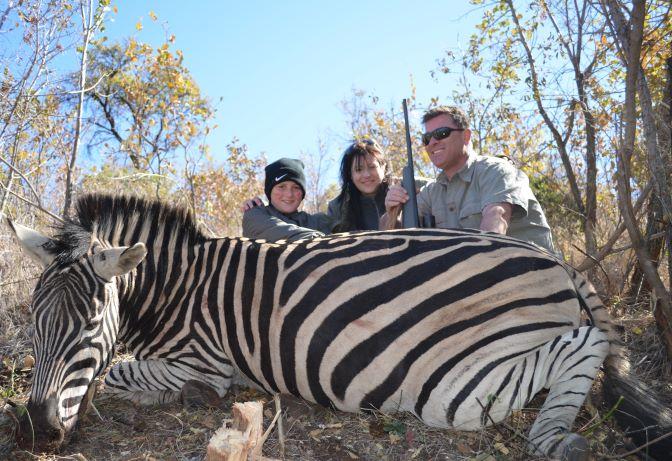
South Africa Hunting Trip, Plains Game Safari and Bushpig
Booking Season: 2026
Hunt Difficulty: Moderate, Difficult
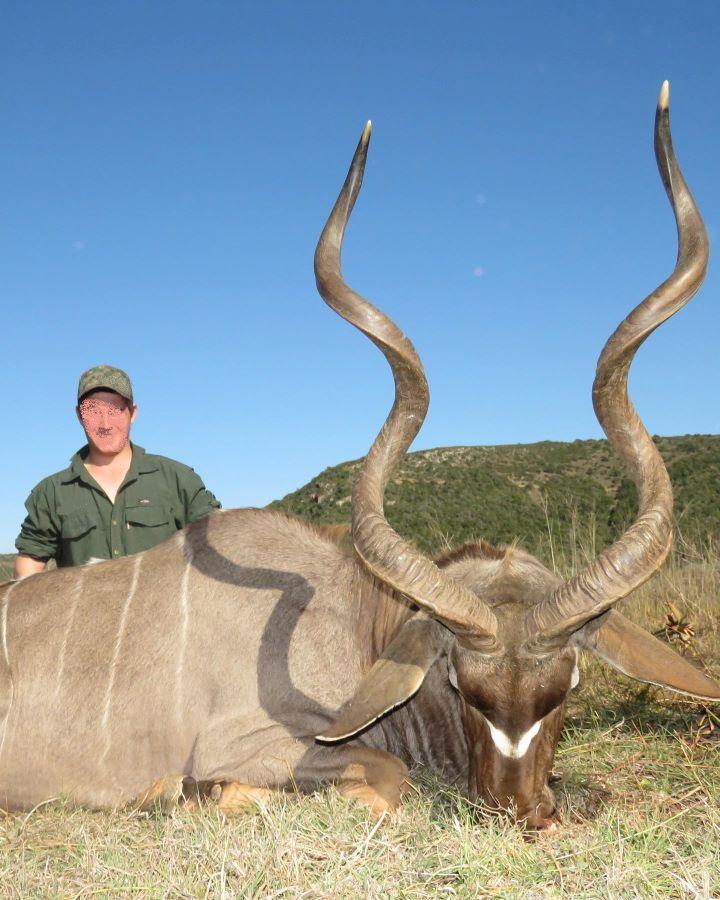
10 Day African Plains Game Hunt 7 Species in South Africa
Booking Season: 2026
Hunt Difficulty: Moderate, Difficult
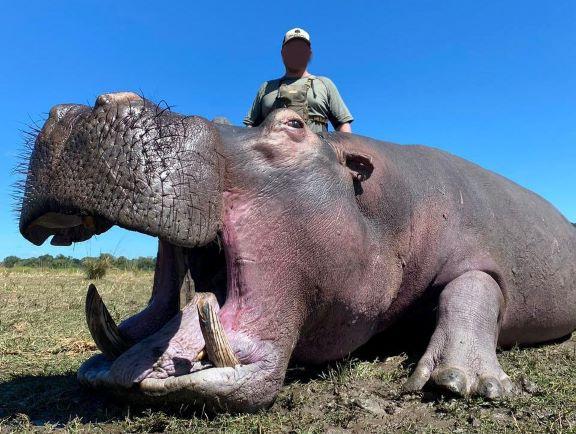
South Africa Dangerous Game & Nocturnal Hunting Safari
Booking Season: 2026
Hunt Difficulty: Moderate, Difficult
Most first-time hunters in Africa mistake the bushpig (Potamochoerus larvatus) for a scruffier, uglier warthog. That is a mistake. Taxonomically and behaviorally, they are worlds apart. The bushpig is the hairy, hunchbacked tactician of the pig world. They are built for the thick stuff, with a sloping back and coarse hair that ranges from reddish-brown to almost black as they age.
They are tough, compact animals, usually weighing between 120 and 180 pounds, though we have seen big boars push past 200 pounds in areas with high-protein crops. This density makes them surprisingly resilient to poor shot placement.
You won’t find these guys out on the open savanna basking in the midday sun. Bushpigs are creatures of the deep tangle. They favor riverine forests, dense thickets, and long grass where visibility is often less than five yards. Their range is extensive, stretching from the Eastern Cape of South Africa up through Zimbabwe, Mozambique, and into East Africa.
But, just because they are on a map doesn’t mean they are huntable in that area. They thrive where there is water and cover, which means they are often found in the exact same concessions where you might hunt leopard or Cape buffalo. This overlap is convenient. It allows us to structure safaris where you hunt plains game by day and bushpig by night, maximizing your time in the field.
Here is the reality of bushpig hunts: you are fighting their senses. Their eyesight is mediocre at best, but their sense of smell is top-tier. A bushpig can wind you from hundreds of yards away if the breeze swirls. They are also incredibly hearing-sensitive.
Strictly nocturnal in areas with any human pressure, they emerge only when the sun is well and truly gone. They operate in sounders (groups) led by a dominant boar and sow. The sow is usually the brains of the operation. She will often circle a bait site or check the wind before letting the sounder feed. If she barks or grunts a warning, the game is over for the night.
This intelligence changes how we book these trips. We look for outfitters who understand scent control and stand placement. You can’t just throw rotten fruit on the ground and hope for the best. It requires a strategic approach to wind direction and approach paths.
Actionable Advice: When planning your trip, ask us specifically about the moon phase. Dark moons are generally better for baiting as pigs feel safer, whereas full moons can make them skittish. Aim for the darker half of the lunar cycle.
You can’t hunt a bushpig the same way you hunt a kudu. Spot-and-stalk is virtually impossible unless you catch one slipping up at dawn (which is rare). Over the decades, professional hunters (PHs) have honed three distinct methods to outsmart these swine. Each offers a completely different experience.
The Baiting Strategy
This is the chess match. It is the most common method for international clients because it allows for careful trophy assessment. The outfitter will establish bait sites weeks in advance, usually pungent mixes of fermented corn, rotten vegetables, or offal. The goal is to make the pig dependent on that food source.
You sit in a blind, usually elevated or well-concealed on the ground, starting just before sunset. Silence is absolute. You cannot shift in your chair, click a safety, or cough. When the pigs arrive, it sounds like a chaotic riot of crunching and squealing, but the big boar will often hang back. He waits.
We ensure our partner outfitters use red or green filtered lights, or increasingly, thermal setups, to illuminate the bait without spooking the animals. The light is turned on slowly, mimicking the rising moon, usually connected to a rheostat dimmer.
Pursuit with Hounds
If sitting still for six hours sounds like torture, maybe you run dogs. This is high-octane hunting. We work with specialized houndsmen who breed Blue Ticks, Foxhounds, or Airedale crosses specifically for this purpose.
The dogs strike a scent trail in the early morning or late evening. Once they jump the pig, the chase is on. Bushpigs don’t run for miles like a jackal: they stand and fight. They will back into a hole, a hollow tree, or a thicket and dare the dogs to come closer.
You have to get in there fast. The brush is thick, the dogs are baying, and the pig is snapping its jaws. It is chaotic and dangerous for the dogs, and frankly, it gets your heart rate up like nothing else. It’s effective, but it requires a reasonable level of fitness on your part.
Night Hunting on Crops
This is more opportunistic. In areas where agriculture borders wild bush, bushpigs become serious pests. Farmers hate them. They can decimate a field of maize or sugar cane in a few nights.
In this scenario, you might patrol field edges in a vehicle or sit on known crossing points. It’s less controlled than a bait site but can be incredibly productive. The sheer volume of pigs in agricultural areas can be staggering. We often recommend this for hunters who aren’t dead-set on a monster trophy but want to experience the thrill of the night hunt and help with local crop protection.
Actionable Advice: Be honest with us about your patience levels. If you can’t sit still for 4 hours in the dark, do not book a bait hunt. Go with the hounds. It saves you frustration and the PH a headache.
We handle the paperwork for your firearm import, seriously, don’t stress about the SAPS 520 form, we do this daily, but you need to bring the right tools. Bushpig hunting happens at close range, usually under 50 yards, in low light. That specific context dictates your gear choices.
Choosing the Right Rifle and Caliber
You do not need a magnum for bushpig. In fact, a massive muzzle flash from a .300 Win Mag or .375 H&H can be blinding at night, hindering your ability to see the reaction of the animal after the shot.
A standard .30 caliber is perfect. The .308 Winchester or the .30-06 Springfield are the gold standards here. They offer plenty of knockdown power without excessive recoil. We have also seen great success with the 7x57 Mauser and even the huge, slow .45-70 if you are hunting over bait at very close range.
The bullet choice matters more than the caliber. You want a heavy, bonded bullet or a solid monolithic. You need penetration. Bushpigs have a thick shield of skin and gristle around the shoulder, known as the ‘shield,’ similar to a wildebeest but smaller. A soft, fast-expanding bullet might splash on the shoulder and fail to reach the vitals.
Optics and Thermal Imaging
This is where the game has changed. Ten years ago, we were taping flashlights to barrels. Today, technology gives you a massive edge.
A high-quality scope with an illuminated reticle is mandatory. You need that red dot to center on a black pig against a black background. A 50mm or 56mm objective lens lets in more light, which means you can see clearer for longer.
Thermal monoculars are fantastic for spotting. You can scan the darkness and see the heat signatures approaching long before you hear them. But, legalities about shooting with thermal scopes vary by province and country. We clarify these regulations for you before you book. In many places, you can spot with thermal but must shoot with a traditional light and scope.
Actionable Advice: Practice shooting off shooting sticks in the dark before you leave the U.S. Set up a target with a small light on it in your backyard. It feels very different from a bench rest at noon.
Anatomy is everything when considering bushpig shot placement. American hunters are often conditioned to shoot ‘behind the shoulder.’ If you do that on a bushpig, you are likely to have a gut-shot animal and a very long, unhappy night.
Vital Zone Targeting
The heart and lungs of a bushpig sit forward and low. The chest cavity is not as deep as a whitetail deer relative to its body size. You want to follow the front leg straight up.
Aim for the center of the shoulder, about one-third of the way up the body. A shoulder shot is ideal because it breaks bone (the scapula or leg bone) and anchors the animal. A bushpig that can run is a problem. They vanish into thick scrub where you cannot see two feet in front of you.
If the pig is quartering towards you, put the crosshairs on the point of the shoulder. If he is quartering away, aim for the opposite front leg. Never take a head shot unless you are extremely confident. Their skulls are thick, and the brain is small and constantly moving.
Following Up on Wounded Game
Let’s say the shot breaks and the pig bolts. Now what? First, we wait. We give it 10 to 15 minutes. Then, the tracking starts.
This is the most dangerous part of the hunt. A wounded bushpig is aggressive. They have razor-sharp lower tusks that sharpen against the upper ones every time they open their mouth. They will charge, and they aim for your legs. We have seen dogs ripped open and hunters receive nasty gashes.
We always rely on the PH and the trackers here. They know the body language of the blood trail. If the blood is frothy and bright pink, we know he is down nearby (lung shot). If it is dark red or watery, we proceed with extreme caution. Often, a shotgun is brought out for the follow-up.
Actionable Advice: If you wound a pig, let the PH lead. Do not run forward. Stay behind the rifle. This is why you book with verified pros, they handle the danger so you survive to tell the story.
What are you actually looking for when that boar steps into the light? It isn’t just body size. A young boar can be big but have small ivory.
You are looking for the tusks. But here is the tricky part: bushpigs don’t flare their tusks out like warthogs. Their tusks are shorter and often masked by their hairy lips.
Look for the snout. An old boar has a snout that looks like it has been telescoped or rolled back. We call it the ‘roll.’ His face will look broad and battered. He might have scars from fighting.
Another tell is the hair. Old boars often lose hair. If he looks bald on the flanks or has a very grey face, he is likely a shooter. It is tough to judge tusk length in the dark, so we rely on these secondary characteristics of age. A good trophy usually has tusks protruding 2 to 4 inches from the lip, but the thickness is what really counts.
Actionable Advice: Trust your PH’s judgment. He has likely seen hundreds of these animals. If he whispers ‘shoot,’ don’t second-guess him trying to see the teeth. You might only have a three-second window.
Hunting a bushpig is a rite of passage. It tests your patience, your gear, and your nerve in the dark. It is a world away from the high-fence, drive-around hunts that give the industry a bad name. This is real, fair-chase hunting at its most primal.
You don’t need to navigate the confusion of which province allows night hunting or which outfitter actually has pigs on their property. We have done that legwork. We have vetted the operators, checked their track records, and ensured their pricing is transparent and fair.
Whether you are a seasoned veteran looking to complete your collection or a first-timer wanting a unique challenge, we can match you with the right camp. Don’t let the fear of logistics stop you.
Ready to step into the dark?
✉️ Request a quote today or speak to one of our safari specialists. Let’s get you booked on a hunt that you will be talking about for the rest of your life.
🌍 Browse our active hunting listings and secure your preferred species and dates.
The three main methods are hunting over bait from a silent blind, using specialized hounds to flush and bay the animal, or patrolling agricultural crops at night. Baiting requires patience and scent control, while hound hunting offers a high-intensity, physically demanding chase through thick cover.
A standard .30 caliber rifle, such as a .308 Winchester or .30-06 Springfield, provides ideal knockdown power without blinding muzzle flash. Essential optics include high-quality scopes with illuminated reticles and, where legal, thermal monoculars to spot animals in low-light conditions before taking the shot.
Taxonomically distinct, bushpigs are strictly nocturnal, smarter, and live in dense cover, whereas warthogs are diurnal and prefer open ground. Bushpigs have coarse, hairy coats, a sloping back, and lack the distinctive flared tusks of a warthog, making them a more challenging and elusive trophy.
Yes, bushpig meat is widely considered excellent table fare, often superior to warthog. Because these animals are omnivores that frequently feed on high-protein crops like maize, sugarcane, and vegetables, their meat is generally tender with a distinct, savory pork flavor highly valued in Africa.
The darker half of the lunar cycle is generally best for bushpig hunts. During a dark moon, these suspicious animals feel safer approaching bait sites earlier in the night. Conversely, a full moon often makes them skittish and reluctant to break cover until very late.
Bushpig are primarily hunted at night due to their nocturnal nature, which makes them one of the more challenging and unpredictable species to pursue in Africa.
Most successful hunts rely on baited setups, where bushpig are drawn into specific areas and taken under controlled conditions using spotlights, requiring precise shot placement under low-light conditions.
In some areas, and where regulations allow, hunting with dogs is still practiced. This can be effective in thick cover, but it requires experienced trackers and well-trained hounds, as bushpig can turn aggressive when pressured. Ambush hunting along feeding routes and water sources is another proven approach, especially in areas where bushpig movement is consistent.
Because of these variables, bushpig hunting is usually treated as a specialist add-on rather than a primary standalone safari focus.
Bushpig are typically hunted as part of a broader plains game safari rather than as a standalone hunt. In most cases, they are taken opportunistically when conditions line up.
Pricing varies by country and outfitter, but bushpig are generally considered a mid-range trophy fee species. For many hunters, they are a worthwhile addition rather than a primary target.
It’s important to understand that bushpig are not guaranteed. Their nocturnal behavior and cautious nature mean that even with proper planning, multiple nights may pass without an opportunity.
For this reason, most professional hunters recommend approaching bushpig as a secondary objective, alongside plains game or other opportunistic species.
Although both bushpig and warthog fall into the same broad category, the hunting experience is very different.
Bushpig are elusive, largely nocturnal, and most often hunted in thick cover or over bait at night. This makes them unpredictable and, at times, frustrating to pursue.
Warthog, in contrast, are active during the day and are usually hunted through spot-and-stalk methods in more open terrain. From a trophy standpoint, bushpig are valued for their heavier build and sharp tusks, while warthog are recognized for their distinctive facial features and classic profile.
Many hunters choose to pursue both on the same safari, as they offer two completely different experiences.
Bushpig hunting is often misunderstood by first-time safari hunters, especially those coming from the United States and Canada expecting a more traditional daytime hunt.
Unlike most plains game, bushpig are rarely seen during the day. Success usually comes down to patience, timing, and spending multiple nights waiting over bait. For hunters not used to that style, it can feel slow and uncertain.
Another common assumption is that bushpig are an easy add-on. In reality, they are not guaranteed. Even experienced hunters will sometimes leave without one, despite putting in the time.
Going in with the right expectations makes a big difference in how the hunt is experienced.
For many hunters, bushpig adds a different dimension to a plains game safari.
It’s not about volume or certainty. It’s about the experience—hunting at night, waiting things out, and dealing with an animal that doesn’t follow predictable patterns.
For hunters who value variety and are willing to put in the time, bushpig can easily become one of the more memorable parts of the trip. That said, if time is limited or the focus is on specific trophy animals, it’s often better treated as an opportunistic addition rather than a priority.
The right choice depends on your goals, timeline, and how much patience you’re willing to invest.
Bushpig are not a typical plains game animal, and they shouldn’t be approached like one.
They require patience, the right conditions, and a willingness to accept that success is never guaranteed. For some hunters, that uncertainty is exactly what makes them appealing. For others, it may not fit the goals of a limited-time safari.
When included for the right reasons, bushpig can add a completely different layer to the overall hunting experience—one that stands apart from standard daytime pursuits.
Like most things in Africa, the outcome often depends less on the plan and more on how adaptable you are once the hunt begins.
Search from our range of Hunts across various popular destinations in Africa.

Book Your Hunt