Unbelievable Plains Game Hunting in South Africa 7 Days
Booking Season: 2026
Hunt Difficulty: Moderate

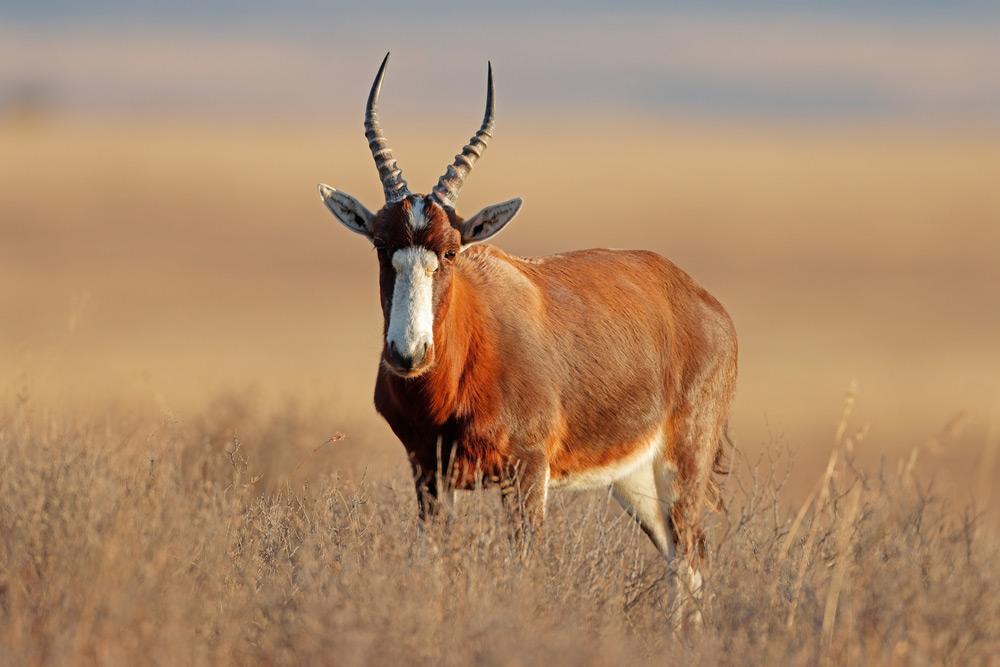
Few species are as closely associated with a single hunting destination as the blesbok is with South Africa.
The country's vast grasslands, strong wildlife management practices, and healthy blesbok populations have made it the undisputed center of modern blesbok hunting. Whether you're planning your first African plains game safari or adding another mature ram to an already impressive trophy collection, South Africa offers some of the most consistent and rewarding blesbok hunting opportunities available anywhere in Africa.
What often surprises visiting American and international hunters is that success rarely comes down to finding animals. The challenge lies in reading the terrain, approaching alert herds in open country, and making the most of opportunities that can appear and disappear within seconds. Those are the experiences that hunters tend to remember long after the safari ends.
While this guide focuses on hunting blesbok specifically within South Africa, hunters looking for detailed information on trophy quality, hunting methods, costs, shot placement, and safari planning should continue to our complete Blesbok Hunts guide.
Whether pursued as part of a larger plains game safari or as one of the primary species on your hunting list, blesbok remain a classic South African hunting safari and a species that continues to earn the respect of hunters from around the world.
Available Blesbok Hunts
Unbelievable Plains Game Hunting in South Africa 7 Days
Booking Season: 2026
Hunt Difficulty: Moderate

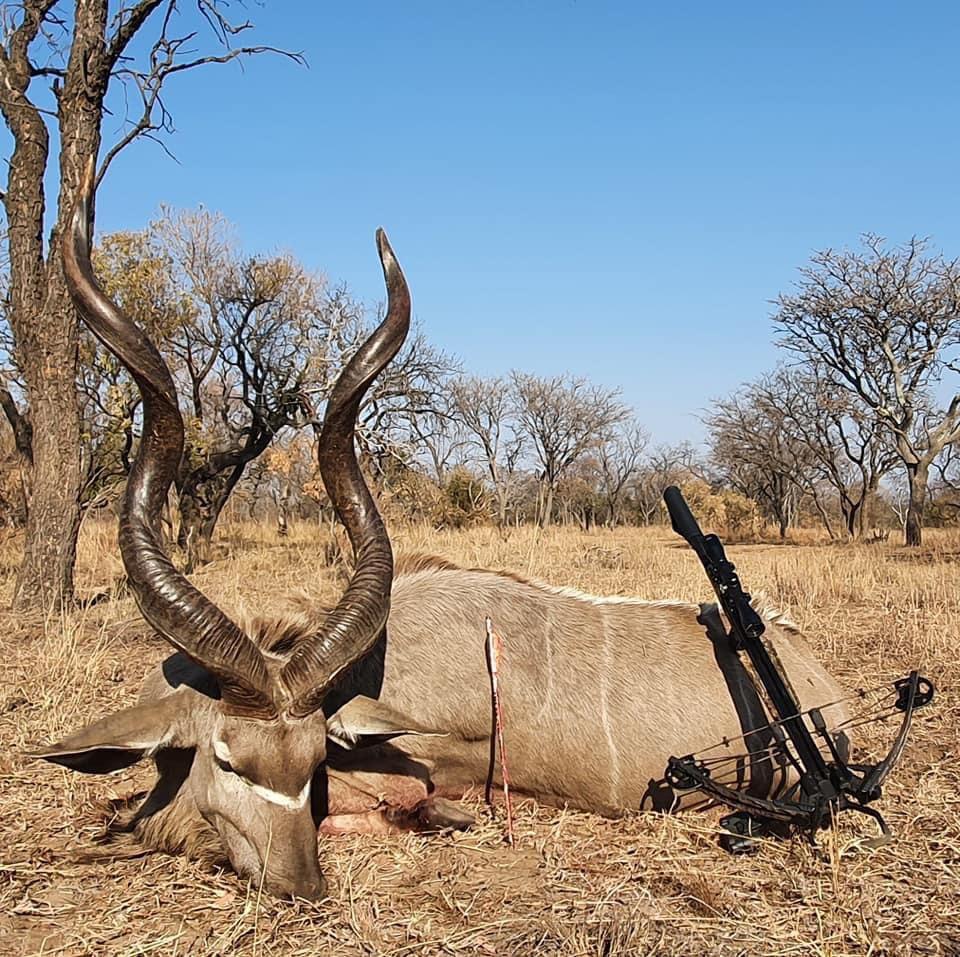
Wildebeest hunting and More in SA 10 days x 2 Hunters
Booking Season: 2026
Hunt Difficulty: Moderate

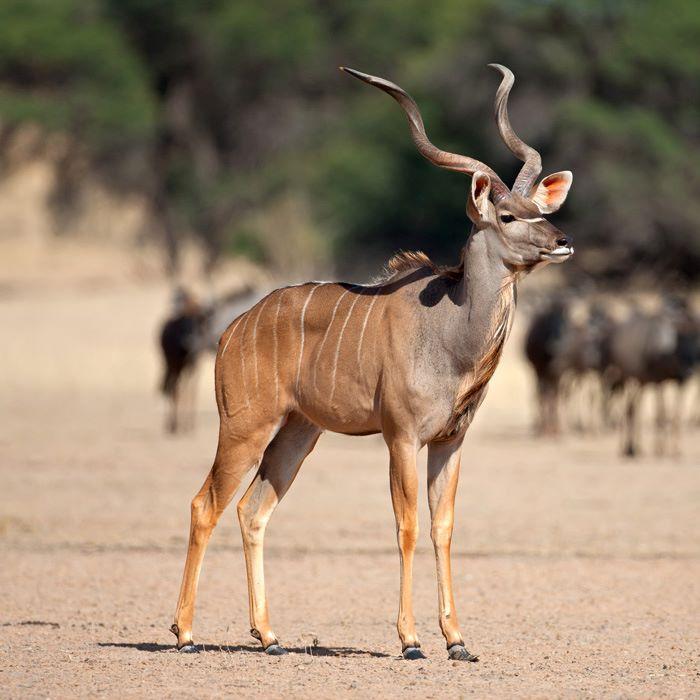
10 Days Kudu hunting bonanza and more for 2 Hunters in SA
Booking Season: 2026
Hunt Difficulty: Difficult
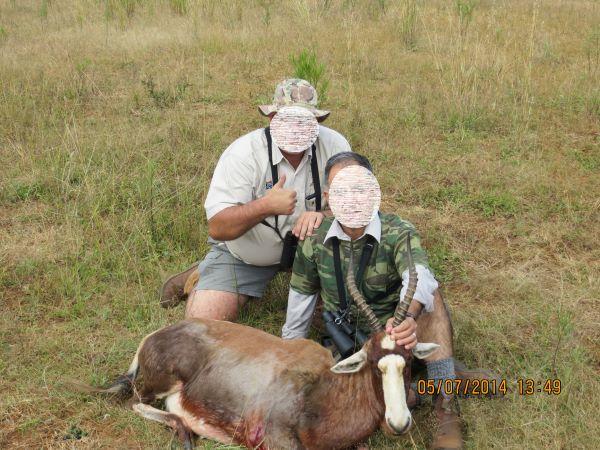
South African Plains Game Couples Hunting Trip
Booking Season: 2026
Hunt Difficulty: Moderate
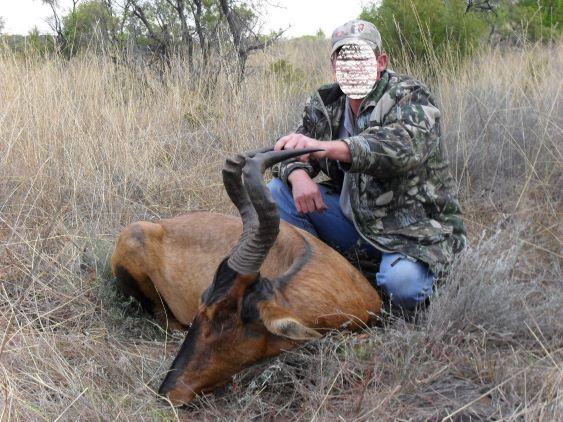
Special First Blood Hunting Safari in South Africa North West
Booking Season: 2026
Hunt Difficulty: Moderate
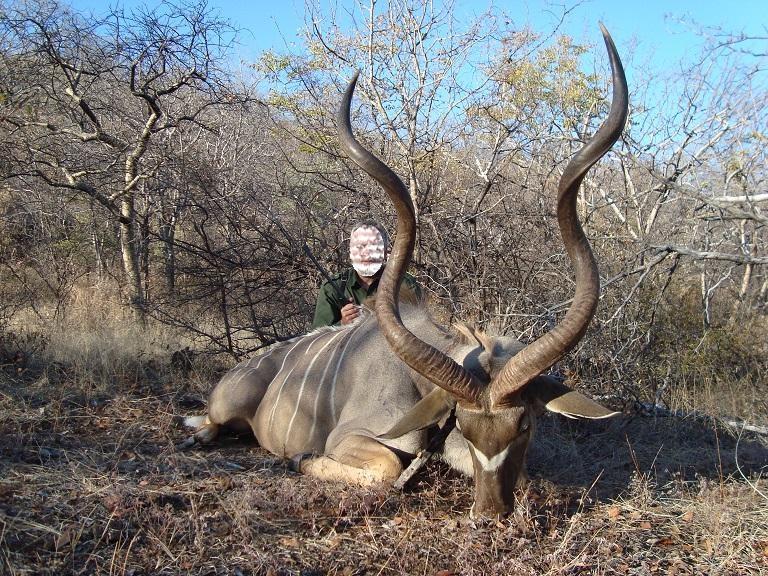
Trophy Plains Game Hunting in South Africa 6 x Species
Booking Season: 2026
Hunt Difficulty: Moderate, Difficult
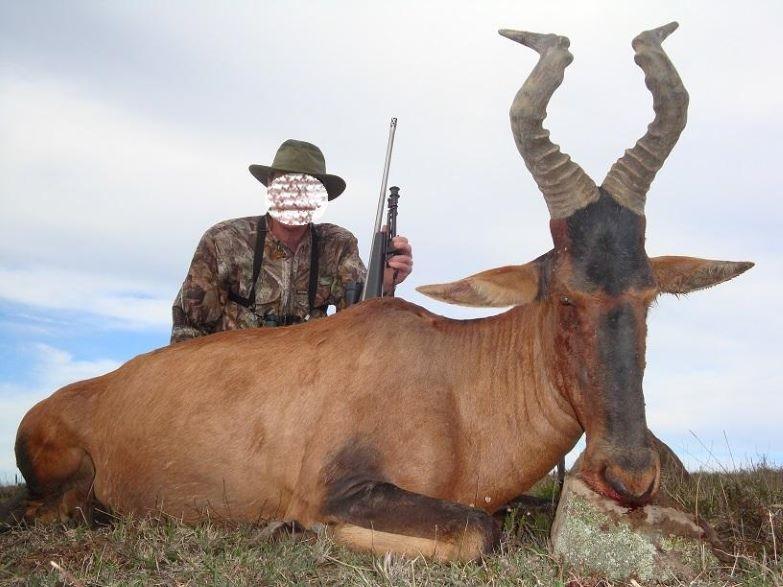
Hunt in South Africa 10 Days in the Eastern Cape
Booking Season: 2026
Hunt Difficulty: Moderate
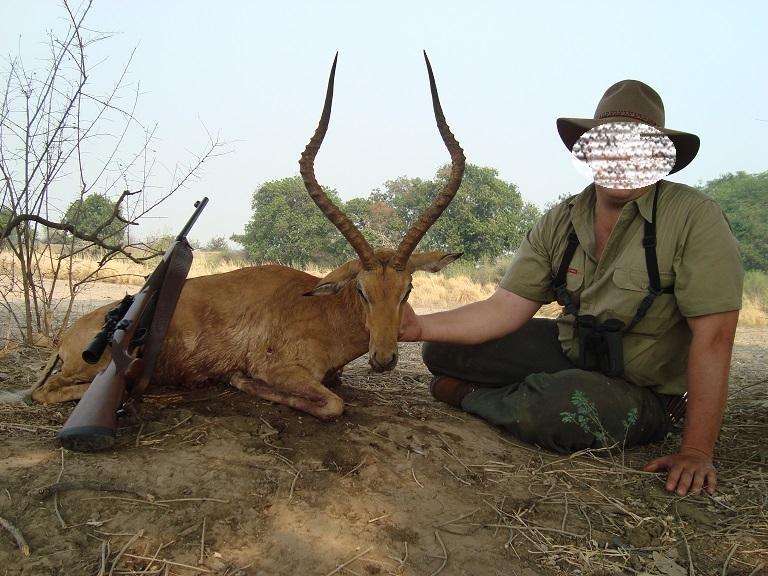
Plains Game Cull Hunt in the Eastern Cape SA
Booking Season: 2026
Hunt Difficulty: Moderate
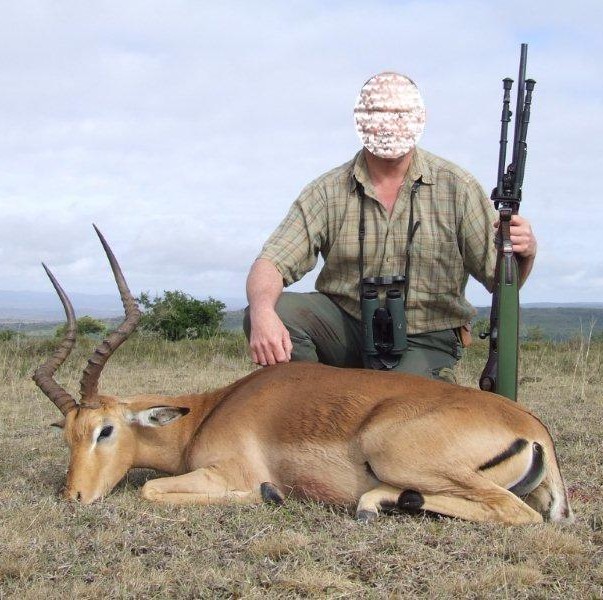
Plains Game Hunt in South Africa 8 x Trophy Animals
Booking Season: 2025
Hunt Difficulty: Moderate, Difficult
Plains Game Management Hunt in Eastern Cape, SA
Booking Season: 2026
Hunt Difficulty: Moderate
South Africa is not simply one of several places where blesbok are hunted. It is the country most closely associated with the species. Unlike many African plains game animals that occur across multiple countries, blesbok are overwhelmingly concentrated within South Africa. As a result, generations of wildlife management, habitat development, and selective breeding have helped establish some of the continent's most stable and accessible blesbok populations.
For hunters, this creates several advantages.
First, hunting opportunities are available across multiple provinces rather than being limited to a handful of isolated areas. This gives outfitters greater flexibility when building plains game safaris and allows hunters to combine blesbok with other sought-after species without extensive travel between hunting areas.
Second, South Africa's infrastructure makes planning a blesbok hunt relatively straightforward. International access, professional hunting services, quality accommodations, and well-managed hunting properties have helped make the country one of the most popular destinations for first-time African hunters.
Most importantly, South Africa offers the type of habitat where blesbok naturally thrive. The open grasslands of the Free State, Eastern Cape, and Northern Cape provide the visibility and terrain that define the hunting experience. These landscapes allow hunters to observe animals at long distances, plan deliberate stalks, and experience the open-country style of hunting that has become synonymous with the species.
This combination of habitat, population strength, and hunting opportunity is why many hunters view South Africa not simply as a place to hunt blesbok, but as the destination for blesbok hunting.
Blesbok are built for open country.
Unlike species that rely on thick cover for protection, blesbok evolved in South Africa's grasslands where their primary defense has always been visibility. Their survival depends on seeing danger early, detecting movement at long distances, and using the awareness of the herd to identify threats before predators can get close.
That is one of the reasons South Africa remains such an exceptional destination for blesbok hunting today. Many of the country's most productive hunting regions still provide the open landscapes that naturally suit the species.
The Free State is widely regarded as the heartland of South African blesbok hunting.
Vast grasslands, gently rolling terrain, and long sight lines create the type of habitat where blesbok naturally thrive. These open landscapes allow herds to detect movement from considerable distances, relying on visibility rather than cover as their primary defense against predators.
For hunters, that changes the entire dynamic of the hunt. Instead of using thick vegetation to approach undetected, success often depends on reading the terrain, using subtle depressions in the landscape, and carefully managing movement to avoid alerting the herd.
The result is a classic open-country plains gaem hunting experience that closely reflects the environment in which blesbok evolved and continues to make the Free State one of South Africa's premier destinations for pursuing mature blesbok rams.
The Eastern Cape offers a more varied hunting environment.
While excellent blesbok hunting exists throughout the province, hunters often encounter a mix of grasslands, hills, valleys, and broken terrain. This can create different stalking opportunities than those typically found in the Free State and often allows outfitters to combine blesbok with a wider range of plains game species during the same safari.
The Northern Cape is known for its vast open spaces and low hunting pressure across large areas.
In some regions, the terrain can feel almost endless, creating the type of visibility that makes blesbok both exciting and challenging to hunt. Hunters frequently spot animals at great distances, but getting into shooting position without being detected can require patience and careful planning.
While each province offers its own style of hunting, they all share one important characteristic: open country that allows blesbok to use the defense that has protected them for thousands of years—exceptional visibility.
For hunters, that means success often depends less on finding animals and more on approaching them without being seen.
One characteristic of blesbok hunting often surprises first-time African hunters.
Despite being one of South Africa's most common plains game species, blesbok are not always the first animal a professional hunter wants a new hunter to pursue on the opening morning of a safari. The reason has little to do with the size of the animal and everything to do with the conditions under which they are typically hunted.
Blesbok live in open country where visibility is often measured in hundreds of yards rather than dozens. Opportunities frequently occur at greater distances than many first-time African hunters expect, and there is often limited cover available to shorten the shot. Add an alert herd and constantly moving animals, and the hunt can become more demanding than it initially appears.
For this reason, many professional hunters prefer to spend the first day helping a new hunter become comfortable shooting from sticks and adapting to African hunting conditions before targeting a mature blesbok ram.
That does not make blesbok difficult to hunt. It simply means they have a habit of exposing weaknesses in shooting fundamentals. Hunters who arrive prepared and confident with their rifle often discover that blesbok provide one of the most enjoyable and rewarding plains game hunts available in South Africa.
Not all blesbok hunting properties offer the same experience.
One of the biggest misconceptions among first-time African hunters is that high animal numbers automatically create a better hunt. In reality, the quality of a blesbok hunt is often determined by habitat, terrain, and how the property is managed rather than the number of animals on the ground.
Blesbok are naturally adapted to open grasslands where visibility is their primary defense against predators. The best hunting properties maintain these open conditions, allowing hunters to experience the style of stalking and spot-and-stalk hunting that has defined blesbok hunting for generations.
Terrain is equally important. Large open grasslands, gentle ridges, shallow drainage lines, and rolling landscapes create natural opportunities for hunters to use the terrain to their advantage. On properties where visibility is unrestricted, success often comes down to patience, planning, and making the most of the limited cover available.
Property management also plays a significant role. Well-managed hunting areas typically focus on maintaining healthy populations, balanced age structures, and realistic hunting conditions rather than simply maximizing animal numbers. While seeing plenty of blesbok is enjoyable, most experienced hunters would rather hunt a mature ram in a natural setting than pursue animals on an overstocked property where the experience feels less authentic.
The best South African blesbok properties combine healthy populations, open terrain, thoughtful management, and a hunting experience that reflects the natural behavior of the species. Those factors often have a greater influence on the quality of the hunt than animal numbers alone.
One point that occasionally causes confusion for international hunters is the difference between a blesbok and a bontebok. Because both species are found in South Africa and share similar facial markings, many first-time visitors assume they are the same animal or simply different color variations of one another. They are not.
Although closely related, blesbok and bontebok are separate species with different historical ranges and conservation histories. Blesbok historically occupied the grasslands of South Africa's interior plateau, particularly the Free State and surrounding Highveld regions. Bontebok evolved separately and were historically confined to a much smaller area in the Western Cape.
The easiest way to distinguish the two is by looking at the body markings. Bontebok typically display a prominent white rump patch and cleaner white markings on the lower legs. Blesbok generally have a more uniform brown appearance with less extensive white coloration away from the face.
The distinction matters because the two species are managed separately and may occur on different properties. When reviewing hunting packages, trophy photographs, or species lists, hunters should make sure they understand exactly which species is being offered.
For visiting hunters, blesbok remain the more common and widely available hunting opportunity. However, understanding the difference between the two species helps avoid unnecessary confusion when planning a South African safari.
Search from our range of Hunts across various popular destinations in Africa.

Book Your Hunt