Unbelievable Plains Game Hunting in South Africa 7 Days
Booking Season: 2026
Hunt Difficulty: Moderate

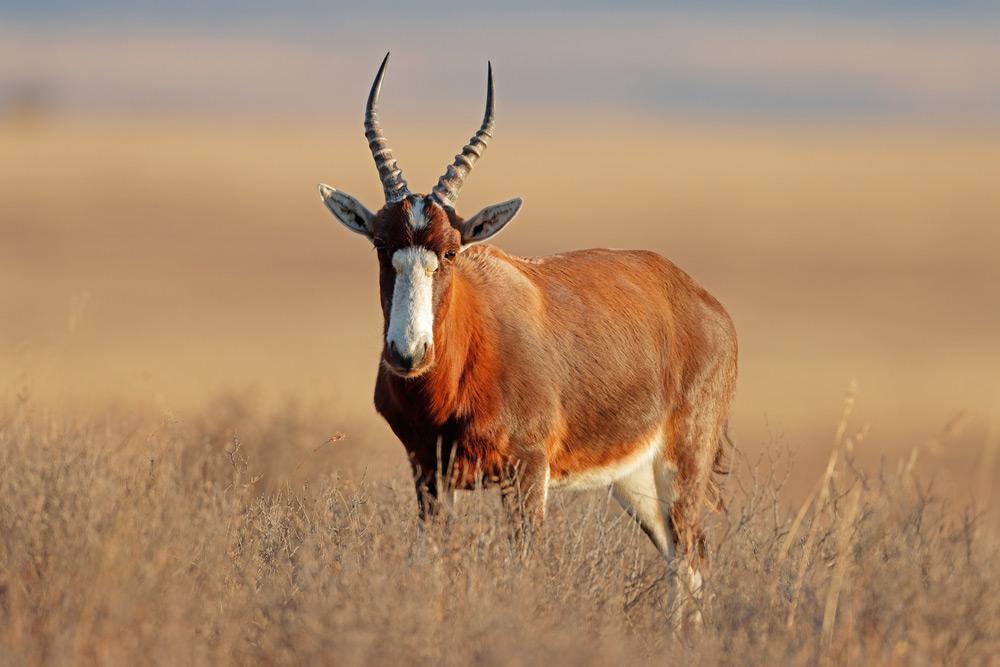
For American hunters planning their first African safari, blesbok usually comes up as part of a plains game package, but rarely as the main focus.
And that’s exactly where misunderstandings start. A blesbok hunt is not a “filler” experience. Done properly, it’s a fast-paced, visual, and often underestimated hunt that requires good judgment, steady shooting, and realistic expectations.
While blesbok are found almost exclusively in South Africa, they are still very much part of the broader African hunting experience. For hunters, they are one of the first species pursued on a safari, and often one of the first that exposes gaps in preparation.
If you’re considering adding blesbok to your plains game hunting safari, it’s worth understanding what the experience actually involves before you make that decision.
Available Blesbok Hunts
Unbelievable Plains Game Hunting in South Africa 7 Days
Booking Season: 2026
Hunt Difficulty: Moderate

Wildebeest hunting and More in SA 10 days x 2 Hunters
Booking Season: 2026
Hunt Difficulty: Moderate

10 Days Kudu hunting bonanza and more for 2 Hunters in SA
Booking Season: 2026
Hunt Difficulty: Difficult
South African Plains Game Couples Hunting Trip
Booking Season: 2026
Hunt Difficulty: Moderate
Special First Blood Hunting Safari in South Africa North West
Booking Season: 2026
Hunt Difficulty: Moderate
Trophy Plains Game Hunting in South Africa 6 x Species
Booking Season: 2026
Hunt Difficulty: Moderate, Difficult
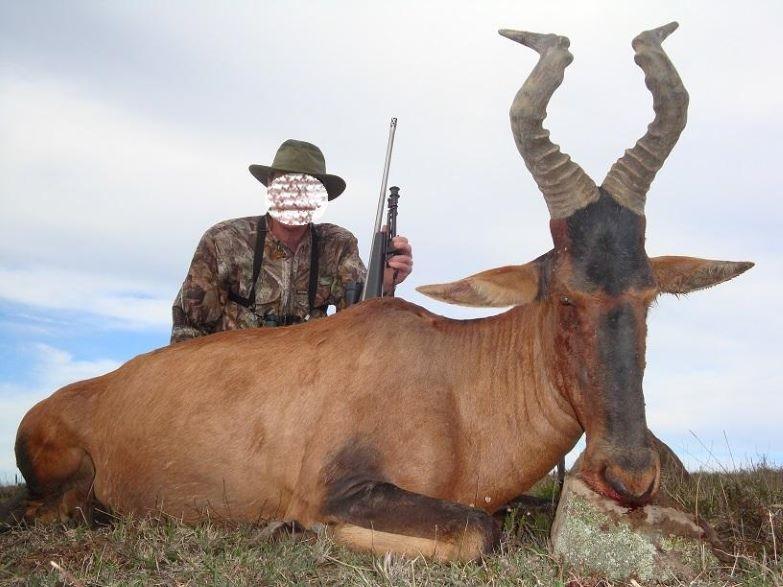
Hunt in South Africa 10 Days in the Eastern Cape
Booking Season: 2026
Hunt Difficulty: Moderate
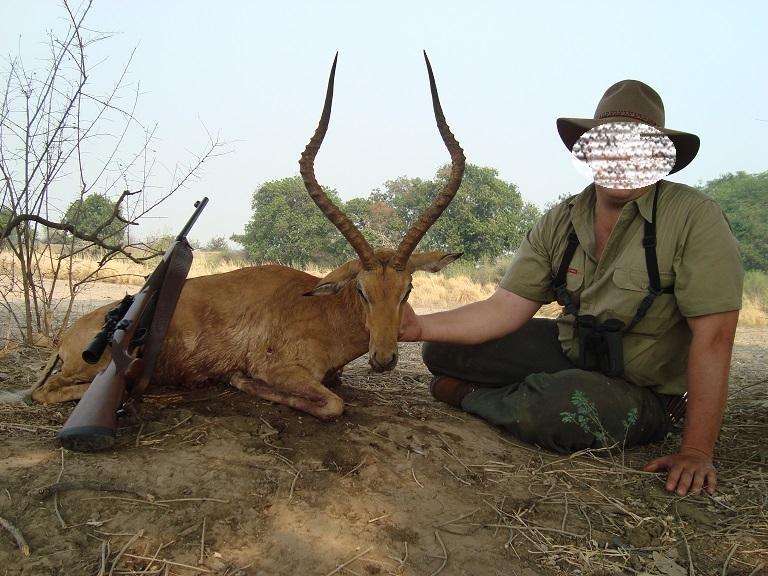
Plains Game Cull Hunt in the Eastern Cape SA
Booking Season: 2026
Hunt Difficulty: Moderate
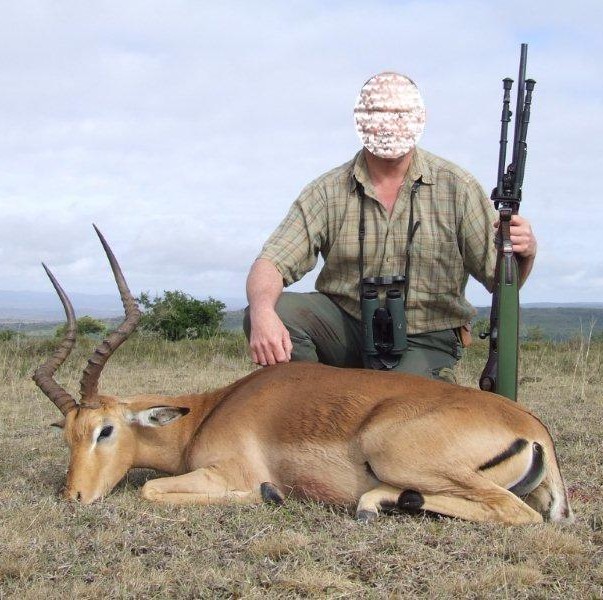
Plains Game Hunt in South Africa 8 x Trophy Animals
Booking Season: 2025
Hunt Difficulty: Moderate, Difficult
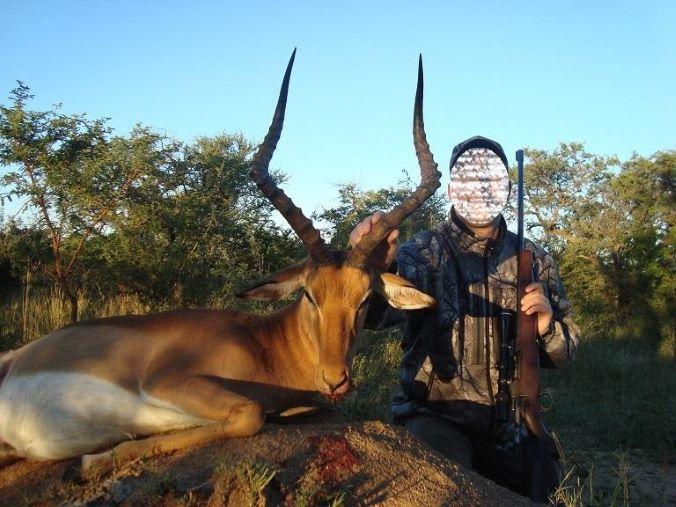
Plains Game Management Hunt in Eastern Cape, SA
Booking Season: 2026
Hunt Difficulty: Moderate
Blesbok may not receive the same attention as kudu or buffalo, but they remain one of the most popular plains game species hunted in Africa for good reason.
Found primarily in South Africa's open grasslands, blesbok offer a style of hunting that is both enjoyable and surprisingly challenging. Their habitat provides very little cover, which means stalks often depend on terrain, patience, and timing rather than simply getting closer through thick bush. A herd can appear relaxed one moment and be moving away the next, leaving only a brief opportunity to get into position.
For many first-time visitors to Africa, blesbok are among the first species added to a safari package. They are widely available, provide an authentic plains game hunting experience, and fit naturally alongside species such as Springbok Hunts and Black Wildebeest Hunts. At the same time, experienced hunters continue to pursue mature blesbok rams because the hunt itself remains rewarding regardless of how many African safaris they have completed.
Perhaps the biggest surprise for many hunters is that blesbok are not quite as straightforward as they appear. Open terrain, alert herds, and longer shooting distances can quickly expose poor preparation. Those who arrive confident with their rifle and willing to take a patient approach usually discover that a blesbok hunt offers far more satisfaction than its reputation
Blesbok are plains animals in the truest sense. They live in open grasslands where visibility is high and movement is constant. Unlike bushveld species, there is very little cover to work with, and that changes the entire dynamic of the hunt.
You’re not slipping through thick brush trying to close distance unnoticed. Instead, you’re working with terrain, reading herd movement, and managing how and when you expose yourself.
They rely heavily on eyesight and herd awareness. Once one animal picks up movement, the entire group reacts. That means opportunities can appear and disappear quickly, often within seconds.
For hunters used to North American conditions, this shift is noticeable. It’s less about getting close and more about getting steady at the right moment.
When evaluating a blesbok trophy, many hunters look beyond horn length alone. While measurement is important, overall maturity, horn shape, mass, and symmetry all contribute to the quality of a trophy ram.
Mature blesbok rams typically develop heavier horn bases and a more impressive appearance than younger animals, even when overall length is similar. Horns that maintain good mass throughout their length and display balanced shape are often more desirable than longer but thinner examples.
Trophy quality can vary between hunting areas, genetics, and management practices. For this reason, hunters are generally encouraged to focus on taking a mature representative animal rather than becoming overly concerned with scoring measurements alone. Many of the most memorable blesbok trophies are valued for their character and age rather than simply their horn length.
Although this is an African plains game species, in practical terms, blesbok hunting is centered in South Africa.
The Free State, Eastern Cape, and parts of the Northern Cape offer the most consistent opportunities. These regions are defined by open terrain, rolling grasslands, light cover, and long lines of sight.
That environment is what shapes the hunt. Unlike bushveld hunting, where you can use vegetation to close distance, blesbok hunts rely heavily on terrain and positioning. Small elevation changes, dry riverbeds, or subtle dips in the landscape often become your only cover. Approaches tend to be deliberate and measured, rather than aggressive.
Shots are commonly taken at moderate distances, and in many cases, getting closer simply isn’t an option without being detected. Hunters who insist on closing the distance too quickly often end up pushing the herd out of range altogether.
Wind still matters, but visibility is often the deciding factor. Once a herd becomes alert, they tend to drift off rather than bolt immediately, which can create a second opportunity if handled correctly. Misjudge that moment, and the chance is gone.
Understanding how the terrain influences both your movement and the animal’s behavior is what separates a clean hunt from a frustrating one.
Blesbok are generally one of the more accessible species in terms of pricing, which is why they are often included in plains game safaris.
Trophy fees are usually reasonable, but the hunt itself should never be looked at in isolation.
For hunters traveling from the United States, the full cost includes several layers beyond the animal itself. Airfare, rifle import or rental, daily rates, trophy preparation, shipping, and eventual taxidermy all form part of the total investment.
Where many hunters miscalculate is focusing too heavily on the trophy fee and underestimating the surrounding costs. Shipping and taxidermy alone can vary significantly depending on what you decide to bring home and how it’s prepared.
There’s also the structure of the safari to consider. A blesbok hunt on its own may not make practical or financial sense when compared to a well-planned plains game package where multiple species are hunted over the same period.
That’s why the better approach is to look at the hunt as part of a complete experience, rather than a single line item. When planned properly, blesbok fits naturally into a safari without adding unnecessary cost or complexity, but it requires looking at the full picture from the start.
On paper, a blesbok hunt doesn’t look particularly difficult.
They’re not dangerous, the terrain is open, and they’re widely available. That leads many hunters to assume it’s one of the easier plains game species.
In reality, it’s a little more nuanced than that. The difficulty comes from how quickly things happen, and how little room there is to recover once something goes wrong. In open country, you’re often seen before you realize it. That means your approach has to be measured, and your timing has to be right.
Most shots are taken at distances that expose any weakness in shooting fundamentals. Add to that the fact that blesbok rarely stand still for long, and opportunities tend to be brief.
Then there’s the herd factor. You’re seldom dealing with a single animal in isolation. When they bunch up or start moving, target selection becomes more deliberate, and rushing a shot is where mistakes happen. None of this makes the hunt extreme, but it does make it honest.
Hunters who arrive prepared and composed usually do well. Those who underestimate it often walk away realizing it required more than they expected.
Shot placement on plains game is generally straightforward, but conditions in Africa can be very different from what many hunters are accustomed to at home.
Most shots are taken from shooting sticks, and distances can vary considerably depending on terrain, vegetation, and how the animals are positioned. Success often comes down to preparation, confidence, and the ability to make a steady shot under field conditions.
Virtually all common plains game calibers are capable of taking these species cleanly when paired with good shot placement. Far more important than caliber selection is knowing your rifle, understanding your effective shooting range, and being comfortable shooting from sticks.
For a detailed guide to shot placement on species of this size, see our Medium Antelope Shot Placement Guide.
It’s easy to focus on horn length, especially when looking at photos before the hunt. But with blesbok, that can be misleading.
A good ram is not just about inches. Age, horn shape, and overall character tell a more complete story. Some of the most meaningful animals taken are not the longest, they’re the ones that show maturity.
That’s something worth understanding before you step into the field.
These two species are often confused, and understandably so.
At a glance, they look similar, both carry the same general body shape and horn structure, but they are very different in terms of availability, regulation, and conservation history.
Blesbok are widely available across South Africa and form a standard part of many plains game safaris. They are managed successfully and are accessible to most hunters as part of a typical hunt.
Bontebok, on the other hand, are a much more controlled species. They were once on the brink of extinction, with numbers dropping dangerously low due to overhunting and habitat loss. Through strict conservation efforts, their population recovered, but that recovery came with ongoing regulation.
Today, bontebok are typically found on specific properties or reserves, and hunting them often requires additional permits depending on the area. In many cases, only certain landowners or breeders are authorized to hold and manage bontebok, which directly affects availability.
That’s why bontebok hunts are more limited, more regulated, and generally more expensive.
For hunters, the key takeaway is simple: While the two species may look alike, they are not interchangeable. Understanding that difference before booking avoids confusion, and ensures expectations are aligned with what is actually available.
Blesbok are rarely hunted in isolation. In most cases, they form part of a broader plains game safari alongside species that share similar terrain and hunting conditions.
Because they occupy open grassland, they combine naturally with animals like springbok, black wildebeest, and other plains species that are hunted in the same environments. This allows a safari to be structured efficiently, without constantly shifting between completely different terrains or hunting styles.
From a practical standpoint, this matters more than many first-time hunters realize. A well-planned safari reduces unnecessary travel time between areas, keeps you mentally focused, and allows you to build rhythm over consecutive hunting days.
That’s where blesbok make the most sense, not as a standalone objective, but as part of a balanced and well-structured hunt.
A blesbok hunt suits hunters who are comfortable shooting at moderate distances and who prefer a more open, visual style of hunting.
It’s particularly well suited to: First-time African hunters adjusting to new terrain and shooting conditions
Where some hunters misjudge it is in expecting a slower or more controlled pace. In open country, opportunities develop quickly, and disappear just as fast. That requires a level of readiness and confidence that not everyone is immediately comfortable with.
It may not be the right fit if you:
For the right hunter, though, it’s a rewarding and often underestimated part of an African safari, especially when approached with the right expectations from the start.
Many arrive thinking of blesbok as one of the easier plains game species.
What they often find instead is a hunt that demands more awareness, more discipline, and more composure than expected.
Because blesbok are typically found in open terrain, visibility becomes their primary defense. There is very little cover to work with, which means your movement is exposed long before you realize it. Hunters who are used to closing distance in thicker environments often underestimate how early they are being seen.
Shot distance is another factor. Opportunities frequently present themselves farther out than expected, and not every hunter arrives prepared for consistent, accurate shooting at those ranges.
Herd behavior adds another layer. When pressured, blesbok tend to bunch tightly and move as a group. That can make target selection more difficult and increases the risk of rushed or poorly placed shots if you’re not composed.
None of this makes the hunt extreme, but it does make it more technical than many anticipate. That’s part of what makes it a worthwhile experience.
Most first-time hunters arrive in Africa expecting blesbok to be straightforward.
Open terrain, visible animals, and what appears to be a simple stalk. What they don’t expect is how quickly the situation develops once you’re in range.
You may spend time positioning carefully, using what little terrain is available, only for the herd to shift slightly and force a decision sooner than planned. There is often a moment where everything comes together, and just as quickly, that window starts to close.
For hunters, that moment feels different than expected. Not chaotic, but compressed. There is less time to think through every variable, and more reliance on preparation and instinct.
It’s also one of the first times many hunters experience shooting in a completely open African environment, where distance, visibility, and herd movement all come into play at once. That combination, more than the animal itself, is what makes a first blesbok hunt memorable.
How much does a blesbok hunt cost in Africa?
Trophy fees are generally moderate, but the full safari cost includes travel, logistics, and taxidermy.
Is blesbok hunting difficult?
Moderate. Not dangerous, but requires good shooting and awareness.
What is considered a good blesbok?
A mature ram with good horn shape and character, not just length.
Can I hunt blesbok on my first safari?
Yes. It’s one of the most common species included in plains game hunts.
Search from our range of Hunts across various popular destinations in Africa.

Book Your Hunt