
Africa Hunting Trip for Dwarf Buffalo & Sitatunga Cameroon
Booking Season: 2026
Hunt Difficulty: Difficult

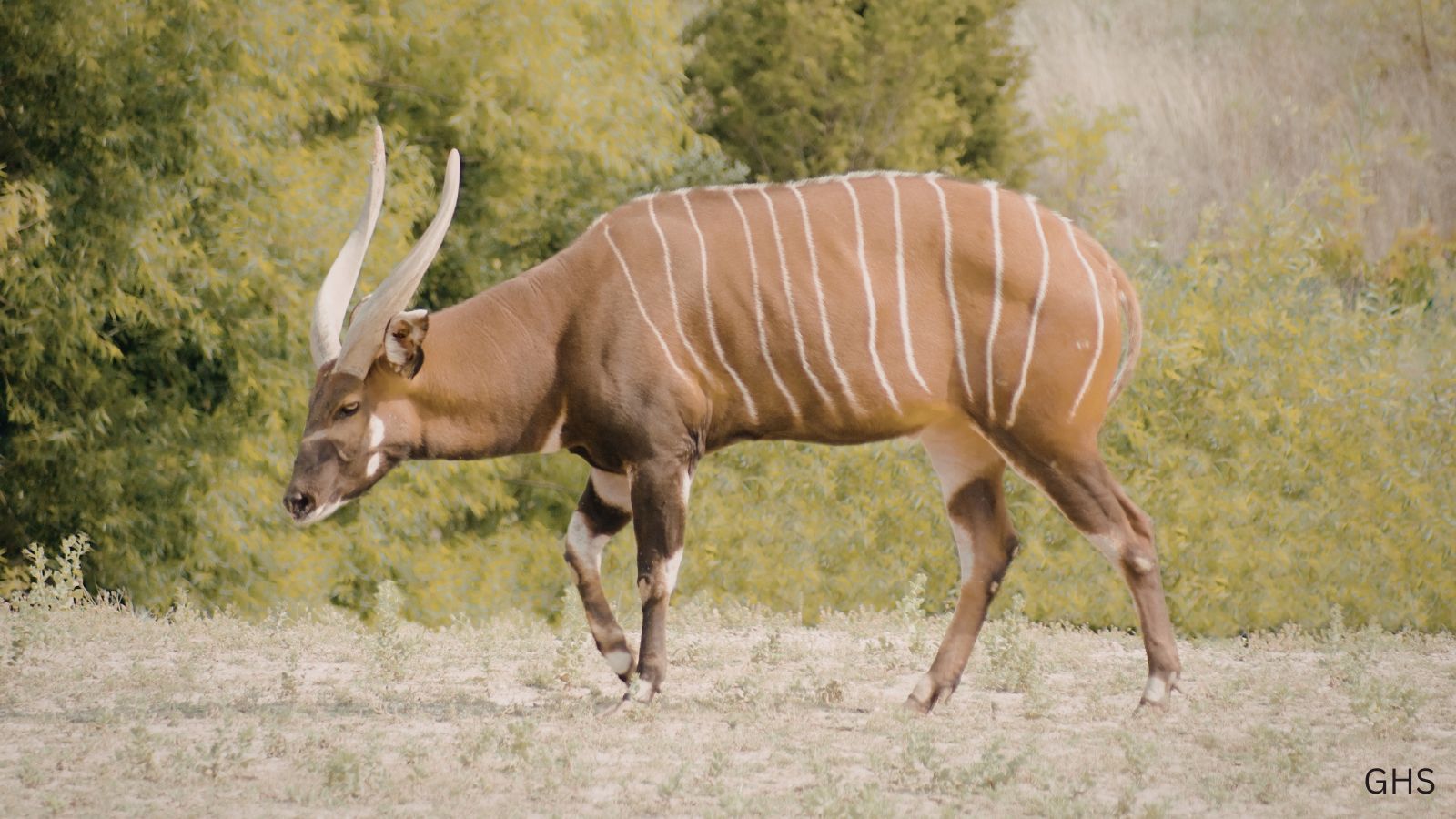
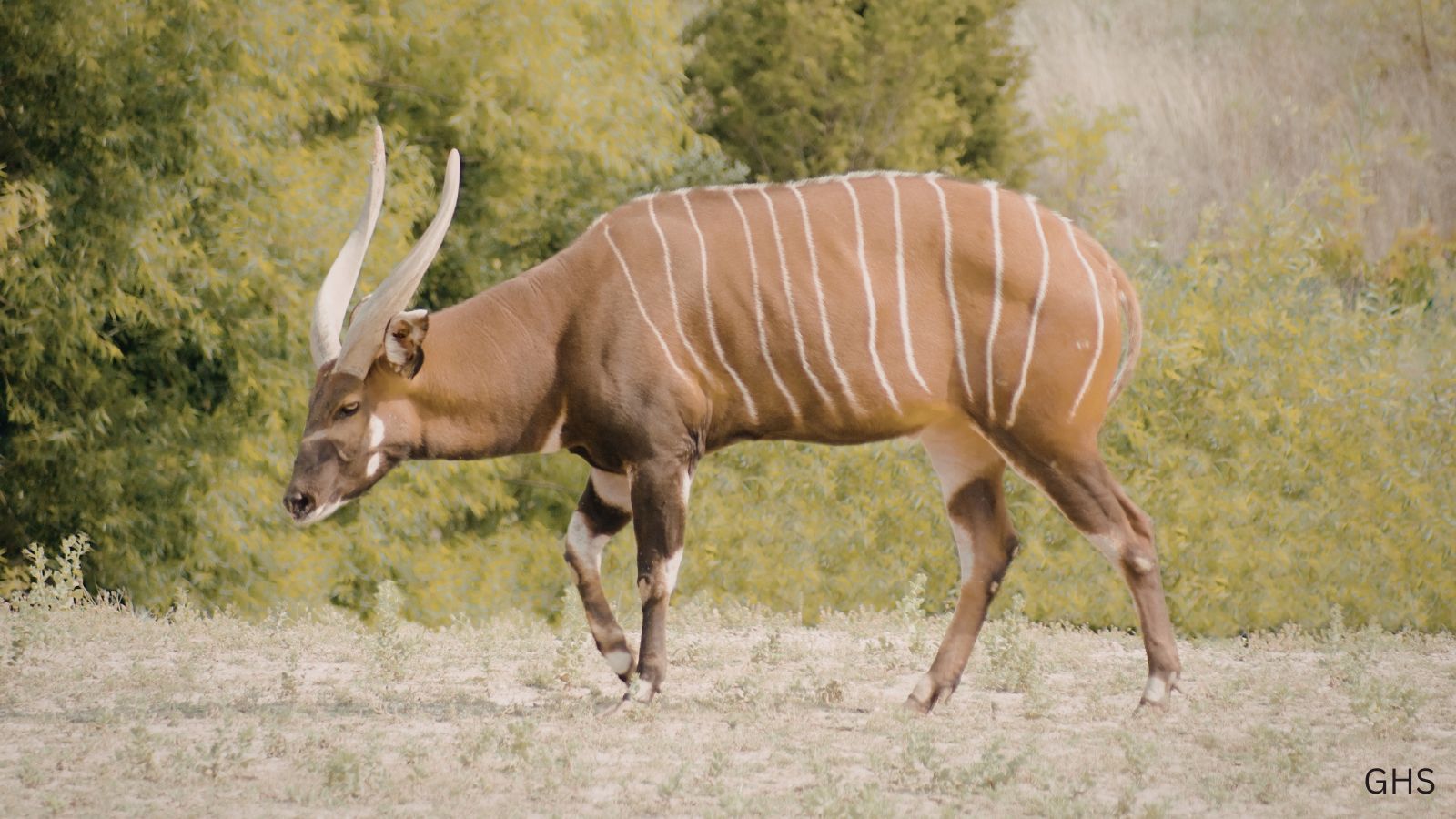
Bongo hunting in Cameroon sits in a category of its own.
Even for hunters who have already spent time in Africa—whether that’s plains game in Southern Africa or dangerous game further north—this is not just another difficult safari. It’s a different kind of hunt entirely. Progress is slow. Visibility is limited. And opportunities don’t build the way many hunters expect. They appear without warning, and they disappear just as quickly.
If you’re used to hunts where things develop step by step, where you get time to settle in behind the rifle and make a measured decision, this will feel very different. Most of your time here is spent trying to stay connected to an animal you may never actually lay eyes on. If you’re still comparing options across Africa, it’s worth reviewing our bongo hunts guide before narrowing down to Cameroon.
Bongo hunting in Cameroon is widely regarded as one of the most challenging and specialized hunts in Africa.
Available Bongo Hunts
Africa Hunting Trip for Dwarf Buffalo & Sitatunga Cameroon
Booking Season: 2026
Hunt Difficulty: Difficult
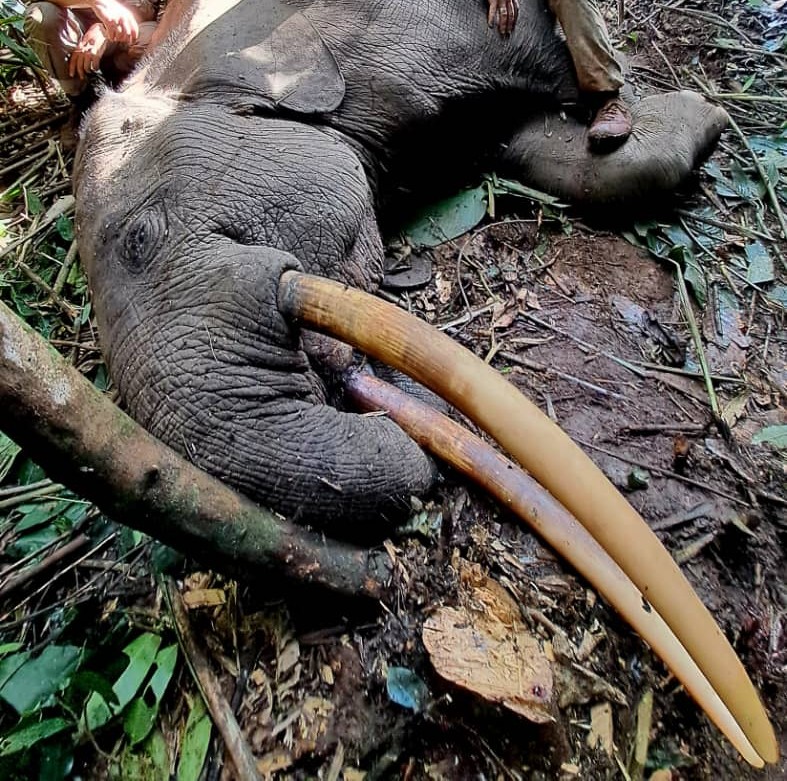
Bongo, Sitatunga & Forest Elephant Hunting in Cameroon
Booking Season: 2026
Hunt Difficulty: Moderate, Difficult
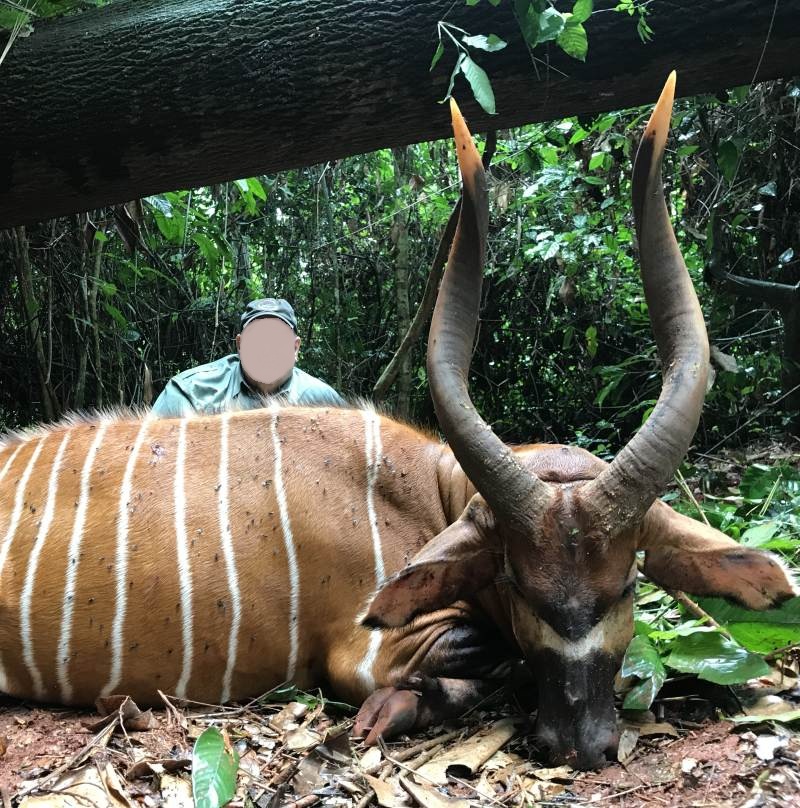
Hunt the Elusive Bongo & Sitatunga in Cameroon’s Rainforests
Booking Season: 2026
Hunt Difficulty: Difficult
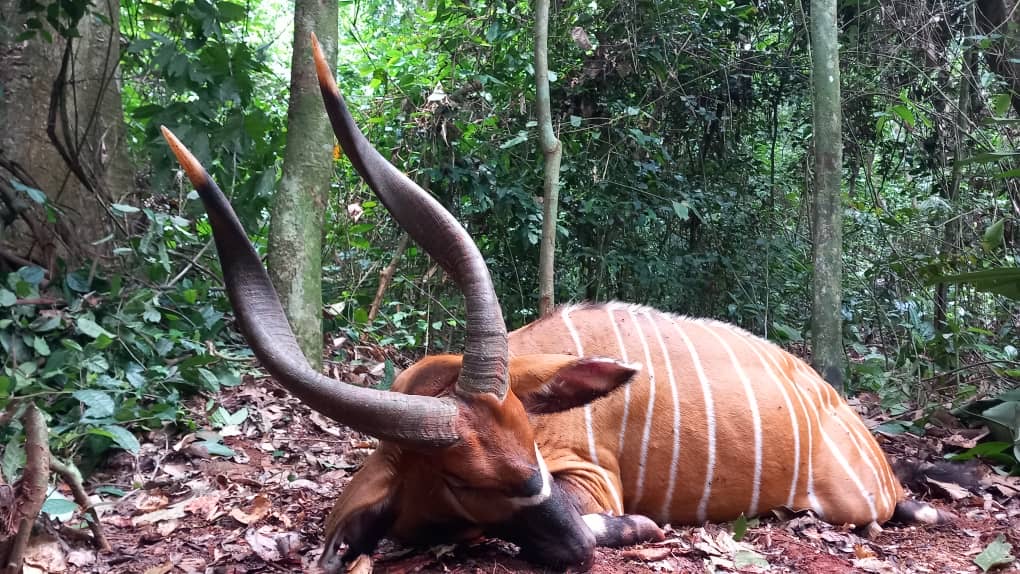
Hunt Bongo & Sitatunga in Boumba North, Cameroon
Booking Season: 2026
Hunt Difficulty: Difficult
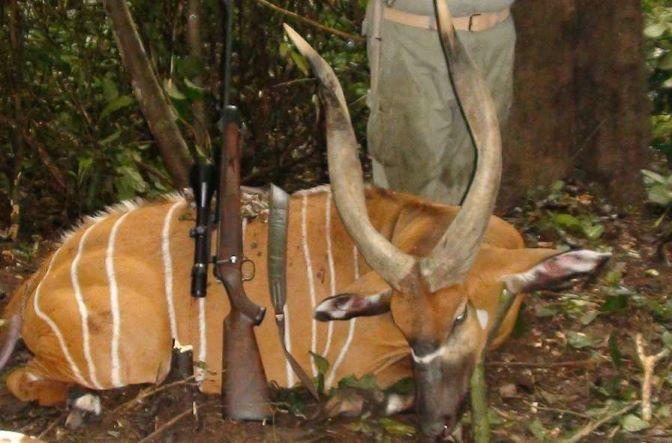
Bongo and Forest Elephant Hunting Safari (13 Days) – Cameroon
Booking Season: 2026
Hunt Difficulty: Difficult
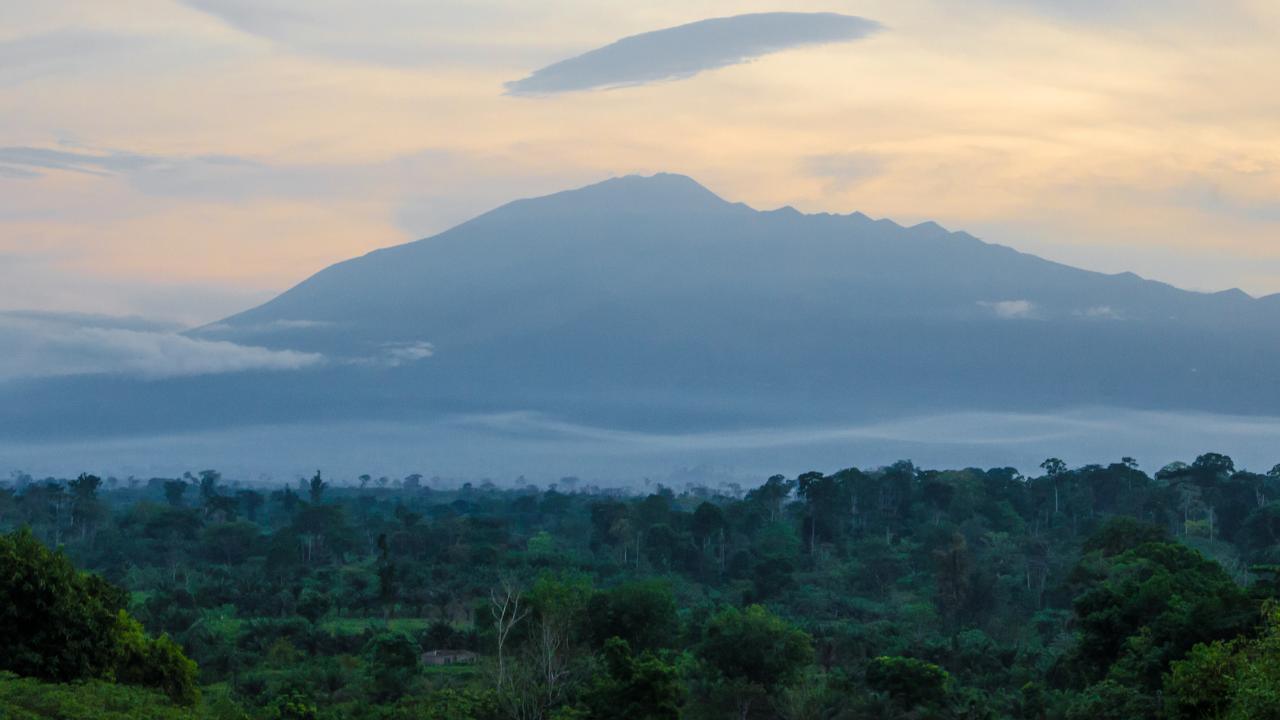
What makes bongo hunting different—even within Cameroon—is the environment itself.
Hunters coming from the U.S. or Canada often compare new hunts to what they’ve already experienced. In northern Cameroon, that comparison still holds to some extent. There’s space, visibility, and a more familiar rhythm to the hunt.
In the rainforest concessions, that disappears.
The terrain closes in. Visibility drops to just a few meters in places. Movement slows down, not by choice but by necessity. Every step matters, because the animal you’re following is built for that environment in a way you’re not.
You’re no longer covering ground in the traditional sense. You’re working your way through dense vegetation where the advantage always belongs to the bongo.
Bongo hunting in Cameroon is shaped more by rainfall than by temperature.
In rainforest concessions, tracking conditions depend heavily on ground moisture. Too dry, and spoor becomes difficult to hold. Too wet, and movement becomes slow and physically draining.
Most operators structure their seasons around periods where:
tracking conditions are workable
access roads remain usable
animal movement is more predictable
Exact timing can vary by concession, but the key factor is always the same—how well the ground holds sign.
A typical day doesn’t begin with sightings. It begins with sign.
Trackers move ahead of you, reading the ground in a way that’s hard to fully grasp until you see it done properly. A slight mark in damp soil. A bent stem. A faint trail where something passed through hours earlier. That’s enough.
Once fresh spoor is found, everything changes. The pace slows, the team tightens up, and the focus shifts completely to staying on that track.
Sometimes it comes together cleanly. More often, it doesn’t.
The track fades. The ground hardens. The animal changes direction or drifts into thicker cover. You lose it, circle, try to pick it up again. Sometimes you do. Sometimes you spend hours in the same area working out where things went wrong.
That’s not a setback. That is the hunt.
Most bongo are taken at close range, often inside 30 yards.
What makes this challenging is not distance—it’s visibility.
You are rarely presented with a clear, open shot. Instead, you’re working with:
partial visibility through vegetation
narrow shooting lanes
brief windows of opportunity
This is not a hunt where you settle in and take your time. Shot opportunities are fast, angles are not always ideal, and hesitation often means the opportunity is gone. Preparation for this type of shooting matters far more than long-range accuracy.
When an opportunity finally comes, it rarely looks the way most hunters picture it.
You’re not looking at a full animal standing broadside in the open. You’re seeing pieces of it—movement through brush, a flash of stripes, maybe the line of a shoulder for a second or two.
Distances are close. Often inside 30 yards. But close doesn’t mean easy.
There’s very little time to think. You identify what you’re looking at, read the angle as best you can, and try to find a clear lane through vegetation that was never designed to give you one.
Then you either take the shot, or you don’t.
There’s no adjustment. No second setup. And very often, no second chance.
Even experienced hunters can struggle on a bongo hunt if they approach it like other safaris.
Some of the most common issues include:
* Expecting multiple shot opportunities
* Not preparing for fast, close-range shooting
* Underestimating how limited visibility really is
* Losing patience when tracking slows down
* Trying to force a shot instead of waiting for a clear lane
Avoiding these mistakes often comes down to understanding the hunt before you arrive.
This is also where many bongo hunts come apart.
Not because the hunter wasn’t prepared, and not because the team didn’t do their job. It’s usually the conditions.
Tracks get lost in ground that won’t hold them. Wind shifts in tight corridors where it’s hard to read. Animals move into places where visibility simply never opens up enough for a clean shot.
Opportunities come too quickly, or they don’t come at all.
It’s entirely possible to do everything right here and still come up short. Most experienced hunters who’ve spent time in Central Africa understand that going in. Those who don’t usually learn it the hard way.
Compared to other countries where bongo are hunted, Cameroon still represents one of the most consistent examples of a true tracking-based rainforest hunt.
You’re not sitting on predictable movement. You’re not waiting on fixed locations. You’re following an animal through its environment, step by step, until something gives—if it gives.
That process is what defines the hunt. For a broader understanding of the country and how different hunts compare, see our guide to hunting in Cameroon.
The cost of a bongo hunt in Cameroon tends to make more sense once you understand what’s involved on the ground.
You’re dealing with large, remote concessions that take real effort to operate. Teams of experienced trackers who can hold a trail in difficult conditions. Long days where very little seems to happen, but everything depends on staying in the game.
It’s not a high-volume hunt, and it’s not priced like one.
You’re paying for access to something that is limited, time-intensive, and not easily replicated anywhere else.
It also isn’t suited to everyone.
Hunters who tend to do well here are usually the ones who are comfortable with long stretches of slow progress. They don’t need constant action to stay focused. And when something finally does happen, they’re able to make a decision quickly and commit to it.
Others struggle with that.
If you’re used to having time behind the rifle, or to seeing multiple animals before making a call, this environment can feel frustrating. Not because it’s poorly run—but because it doesn’t bend to the hunter.
In the end, a bongo hunt in Cameroon isn’t defined by how much you see.
It’s defined by how you handle the moment when everything finally comes together—after hours, sometimes days, of effort that may not have looked like progress at the time.
That moment is usually brief. It may not be perfect. And there’s a good chance it won’t come twice.
For hunters who understand that before they arrive, this becomes one of the most intense and rewarding experiences Africa has to offer.
For those who don’t, it can feel like a long hunt with very little happening.
That difference comes down to expectation. If you’re evaluating options more broadly, explore our full range of African hunting safaris to understand where this hunt fits.
Cameroon is widely regarded as one of the most consistent destinations for a true tracking-based bongo hunt. It may not be the easiest, but it offers one of the most authentic rainforest hunting experiences.
It is considered one of the most challenging plains game hunts in Africa due to terrain, visibility, and the nature of the animal.
Success varies by concession, conditions, and time spent in the field. It is generally lower than more traditional plains game hunts.
Most safaris run between 14 and 21 days to allow enough time to locate a mature bull.
Yes, this hunt is best suited to experienced hunters who understand tracking, shot discipline, and unpredictable conditions.
Bongo are not considered dangerous game, but the environment they live in can create challenging situations. Dense forest, close-range encounters, and limited visibility require careful shot placement and disciplined follow-up.
The best time depends on rainfall and ground conditions rather than temperature. Hunters and outfitters typically plan hunts during periods when tracking conditions are most reliable and access remains manageable.
Success rates vary depending on the concession, conditions, and time spent in the field. Compared to other plains game hunts, bongo hunting generally has lower success rates due to terrain, limited visibility, and the nature of the animal.
Search from our range of Hunts across various popular destinations in Africa.

Book Your Hunt