Buffalo Hunting & Roan in the Savannah Cameroon
Booking Season: 2026
Hunt Difficulty: Difficult

This is not a general buffalo hunting page.
It is not written to explain African safaris as a whole.
And it is not meant for first-time dangerous game hunters.
This page exists to answer one question clearly:
Because while this is a classic African buffalo hunt, the reality on the ground is very different from what most hunters—especially those coming from the United States—expect when they picture a dangerous game safari.
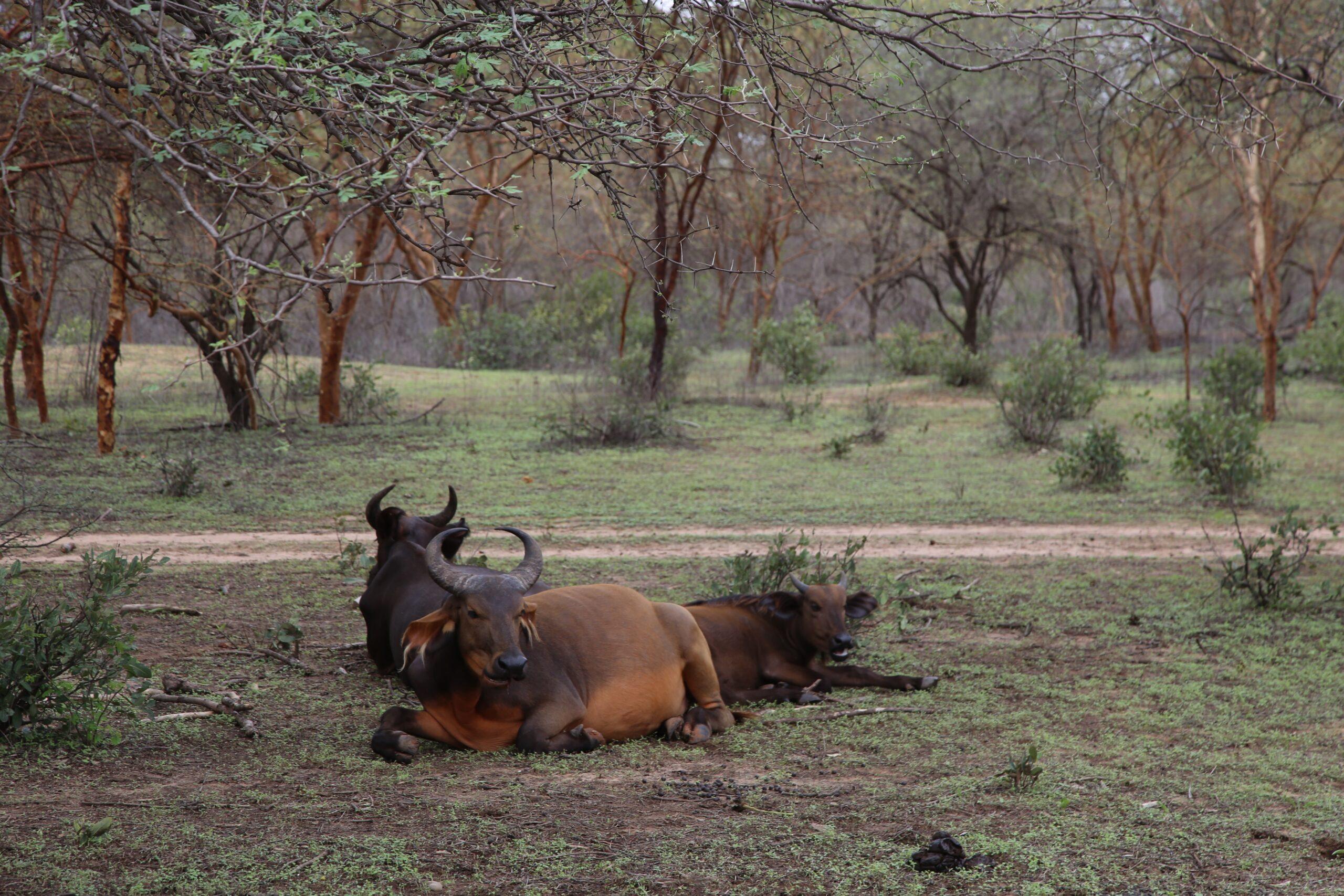
In Cameroon, hunters are pursuing the West African savanna buffalo, a subspecies adapted to a harsher, drier environment. These buffalo behave differently from the larger-bodied southern populations many American hunters are familiar with from countries like Zimbabwe or South Africa. For a broader understanding of how safaris work here, you should first read about hunting in Cameroon before focusing on this specific hunt.
Available West African Savanna Buffalo Hunts
Buffalo Hunting & Roan in the Savannah Cameroon
Booking Season: 2026
Hunt Difficulty: Difficult
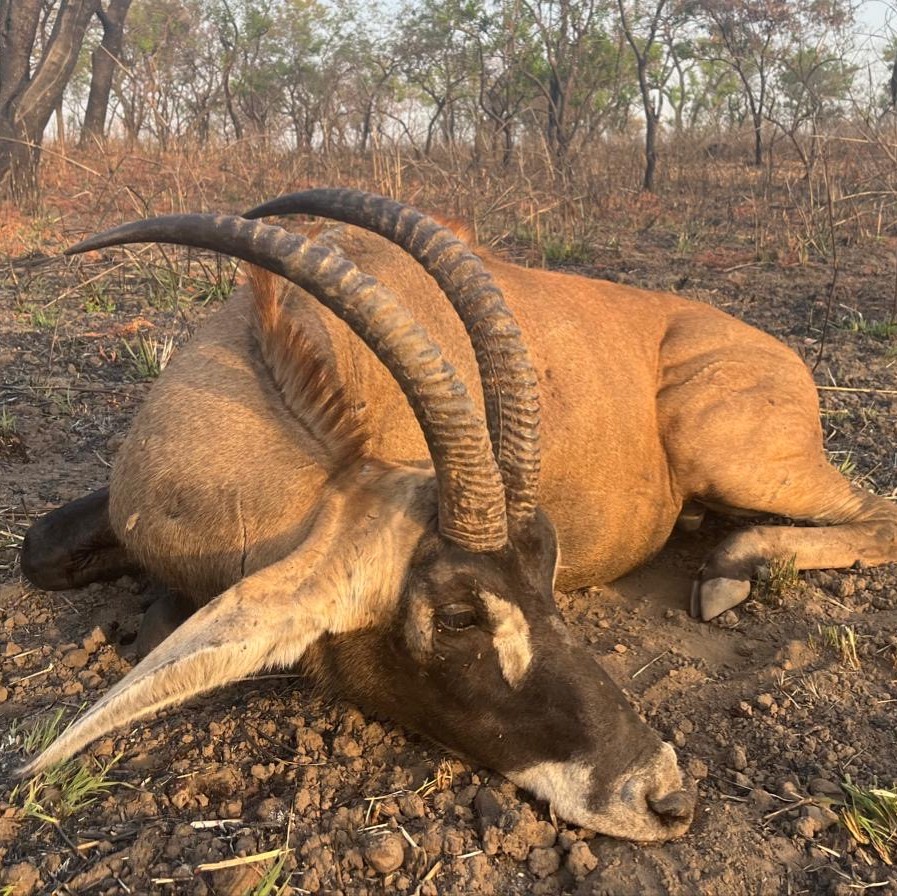
Game Hunting in Cameroon: Roan, Buffalo & 4 More Species
Booking Season: 2026
Hunt Difficulty: Difficult
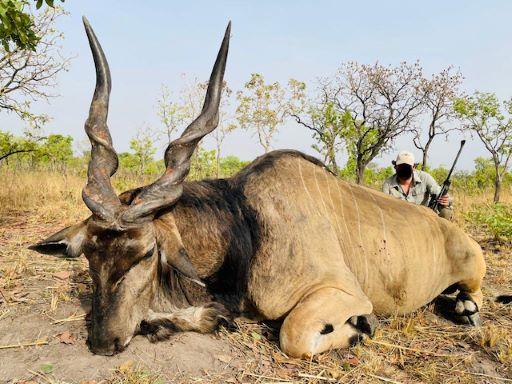
Hunting in Cameroon, Lord Derby Eland, Lion & More
Booking Season: 2026
Hunt Difficulty: Difficult
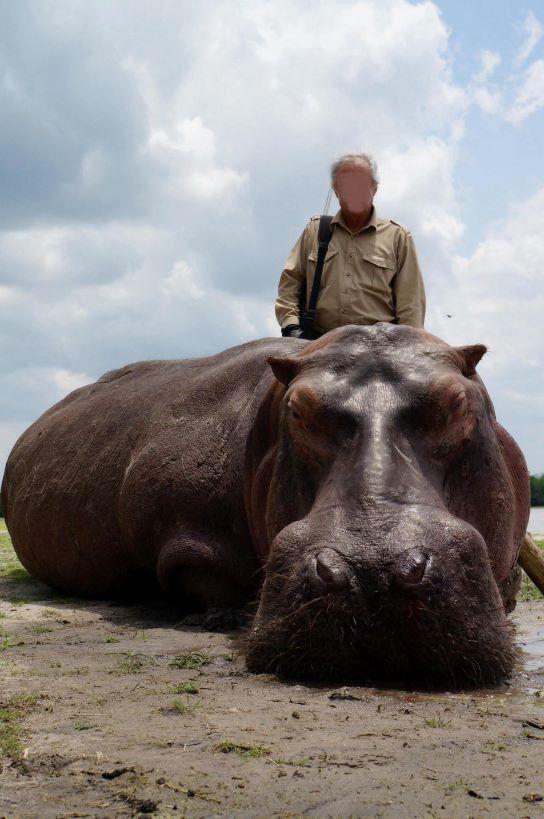
Hippo Hunting plus Lord Derby Eland 10 Days in the Savannah
Booking Season: 2026
Hunt Difficulty: Difficult
Most hunters picture dangerous game hunts the same way when it comes to buffalo—open country, visible herds, and controlled shot opportunities.
That version exists—but not here in the same way.
Buffalo hunting in Cameroon, particularly in the northern savanna regions, is defined by distance, pressure, and physical demand.
You are not driving between sightings.
You are not choosing from multiple herds.
You are not resetting after missed opportunities.
You are earning every opportunity on foot. Buffalo here cover large distances between water and grazing areas, often moving early and resting in thicker cover during the heat of the day. By the time you cut a track, you are already behind them—and staying on that track becomes the hunt. For many American hunters used to higher-density areas, this is where expectations shift quickly. This is not a hunt built on numbers.
It is built on persistence, tracking ability, and staying with the spoor longer than the buffalo can stay ahead of you.
And that changes everything.
Savanna buffalo hunting in Cameroon takes place in the northern regions, in large, unfenced concessions bordering national parks. These areas form part of a wider ecosystem that allows buffalo to move freely across international and protected boundaries, without fences or artificial restrictions.
The terrain typically includes:
Dry savanna plains
Seasonal river systems
Temperatures are high, especially later in the season, and shade can be limited depending on the concession.
Buffalo in these regions are not static.
They move between:
This constant movement is one of the main reasons why buffalo densities feel lower compared to southern Africa—not because the animals aren’t there, but because they are spread out over significantly larger areas. For hunters traveling from North America, this often becomes the biggest adjustment: You are not hunting a property. You are hunting a system—and that system is bigger, less predictable, and far less forgiving.
Most hunts are built around tracking on foot—but that only tells part of the story.
A typical day starts early. Vehicles are used to cover ground at first light, checking roads and sandy areas for fresh tracks left during the night. Once a suitable track is found—often judged by size, freshness, and direction—the vehicle stops, and the hunt begins.
From that moment:
There is no guarantee it leads to an opportunity. Tracks can run for miles. Buffalo may have fed, watered, and moved again before you even cut the spoor. In many cases, you are already hours behind them.
As the track develops, the pace changes.
Wind direction becomes critical. One mistake, one swirl, and the entire herd can move off before you ever see them. For many American hunters, this is where the biggest adjustment happens: You are not hunting visible animals. You are hunting sign, movement, and probability. Sometimes you track all day and never close the distance. Other times, after hours of effort, you suddenly find yourself within range—and everything shifts from patience to execution in seconds.
This is where Cameroon separates itself.
It’s not just a buffalo hunt.
It’s a sustained physical effort layered on top of dangerous game hunting.
Typical challenges include:
This is not a hunt where you can fall behind and recover later. If you lose the track, or cannot keep pace, the opportunity is often gone. For hunters traveling from the United States, especially those used to shorter stalks or vehicle-supported hunts, this becomes a defining factor. Fitness is not an advantage here. It is a requirement.
Because in Cameroon, success is often decided before the shot—during the hours it takes to stay on the buffalo in the first place.
Even in open country, buffalo are unpredictable.
And after hours of tracking, the moment you’ve been working toward rarely unfolds slowly. You may spend most of the day focused on the ground—reading tracks, watching wind, managing pace—and then suddenly:
There is no time to reset or reposition. You may only see part of the animal—shoulder, horn boss, or movement through grass. You may only have a few seconds to decide. And once the shot is taken, the situation is not over. Buffalo are resilient animals with heavy bone structure and a strong will to push through pressure. Even well-placed shots can result in follow-up situations—often in thicker cover, broken woodland, or tall grass where visibility drops quickly.
This is where Cameroon becomes especially unforgiving.
Because after long tracking hours:
This is dangerous game hunting where:
For hunters expecting a slower, more controlled setup with time to assess and reposition, this is often where expectations break down. The work is slow. The moment is fast.
And success depends on how well you transition between the two.
The biggest difference is effort vs opportunity.
In many African buffalo hunting destinations—particularly in southern Africa—hunters typically encounter multiple herds over the course of a safari. Opportunities are more frequent, and the combination of terrain, access, and animal density allows for a more controlled approach to the hunt. In Cameroon, the structure is fundamentally different.
Encounters are fewer—not because buffalo are absent, but because they are spread across vast, unfenced concessions and move continuously through a much larger system. Tracking distances are longer, often requiring hours of sustained effort before any visual contact is made, and once you commit to a track, you stay with it until it either produces an opportunity or disappears entirely.
You are not selecting from multiple herds or resetting after missed chances. You are working a single developing situation—and that changes how the hunt unfolds. For hunters comparing destinations, this has real implications. There are fewer second chances if something goes wrong. A missed opportunity or a shift in wind can end the best chance you may have during the entire safari. Success depends less on how many animals are available, and more on endurance, tracking discipline, and the ability to make decisions under fatigue.
This is not an easier buffalo hunt.
In many cases, it is significantly harder—physically, mentally, and logistically. For some hunters, that’s exactly the appeal: a hunt where the outcome is uncertain, the effort is real, and the opportunity—when it finally comes—has been fully earned.
Buffalo hunting in Cameroon typically takes place during the dry season:
January to April
This is when conditions begin to work in the hunter’s favor—but only to a point.
During this period:
However, “best time” does not mean easy conditions.
As the dry season progresses:
Early season (January–February) can offer slightly cooler conditions and more stable tracking.
Later season (March–April) often improves concentration around water—but at the cost of heat and physical strain.
For most hunters, timing becomes a trade-off between:
This is not a simple or quick hunting trip.
Getting to a buffalo concession in northern Cameroon requires multiple stages of travel, and each one adds time and complexity.
Most hunters:
Once in camp, the environment changes completely.
This is a true wilderness setting. There are no nearby towns to fall back on. No quick exits if plans change. Travel delays, weather, and logistics are part of the experience—not exceptions to it. For hunters coming from the United States or Canada, this often becomes one of the biggest adjustments: You are not just booking a hunt. You are committing to a remote expedition where access, distance, and time all matter.
Buffalo hunting in Cameroon requires a serious financial and time commitment.
Most safaris run: 10 to 14 days minimum
This is not arbitrary.
Longer safari durations are necessary because:
Typical cost range: $20,000 to $40,000+
This usually includes:
What it often does not include:
For hunters traveling from North America, total trip cost can increase meaningfully once travel and logistics are factored in.
This is not a short, opportunistic hunt.
It is a planned safari where:
Success is never guaranteed here—and that’s not a disclaimer, it’s a defining feature of the hunt.
Buffalo in Cameroon are:
This is not a high-density hunting environment where multiple opportunities are expected.
In practical terms:
Even when everything is done correctly—good tracking, solid shooting, right decisions—there is still no guarantee of success. That’s part of the reality of hunting in a system this large and this uncontrolled. For hunters comparing destinations, this is one of the most important distinctions: Success in Cameroon is not driven by numbers.
It is driven by persistence, conditions, and execution when the moment finally comes.
This hunt filters quickly—and it should.
Buffalo hunting in Cameroon is not built around high success rates, multiple opportunities, or controlled conditions. For many hunters, that alone makes the answer simple: this is not the right destination. If your priorities are easier travel logistics, more structured hunting environments, and a higher probability of success over the course of a safari, there are better-suited countries in Africa for that type of experience. Cameroon does not compete on ease—and it doesn’t try to.
What it offers instead is something very different. This is a hunt where effort directly shapes outcome, where tracking—not sightings—defines the day, and where opportunities are limited but genuinely earned. You are not moving between herds or resetting after missed chances. You are committing to one track, one developing situation, and seeing it through.
That has real implications.
You may only get a single meaningful opportunity during the entire safari. When it comes, it is unlikely to be perfect. It may happen quickly, at close range, with limited visibility and very little time to think. And in that moment, everything depends on your ability to execute under pressure. This is why the hunt tends to suit a very specific type of hunter.
Those who do well here are typically experienced dangerous game hunters who understand shot responsibility, are physically prepared for long tracking days in heat and dry conditions, and value the process of the hunt as much as the outcome. They are comfortable with uncertainty and willing to accept that effort does not always guarantee success. For others, the same conditions lead to frustration. Hunters looking for a first safari, more consistent opportunities, or a less physically demanding experience will usually be better served elsewhere. This is not a progression hunt. It is not a stepping stone. It is a commitment to one of the more physically and mentally demanding buffalo hunts available.
So the decision becomes straightforward:
Do you want a hunt where opportunity is more frequent and controlled—
or one where it is harder to earn, but carries more weight when it comes?
Because in Cameroon, you rarely get both.
Yes—but only for experienced hunters. Cameroon offers a challenging, physically demanding buffalo hunt in remote, unfenced areas where success must be earned rather than expected.
Most buffalo hunts in Cameroon range from $20,000 to $40,000+, depending on the outfitter, concession, and hunt duration. This typically includes daily rates, trophy fees, and government licenses.
The best time is during the dry season, from January to April, when tracking conditions improve and buffalo movement becomes more predictable.
Yes. Buffalo are considered dangerous game, and hunts often involve close encounters where quick decisions and accurate shot placement are critical.
No. Cameroon is better suited to experienced hunters. First-time buffalo hunters are generally better served in countries with more controlled conditions and higher encounter rates.
A minimum of .375 caliber is required, though many professional hunters recommend larger calibers for better stopping power in unpredictable situations.
Search from our range of Hunts across various popular destinations in Africa.

Book Your Hunt