Hunting Safari in SA 10 x Nights Plains Game Combination
Booking Season: 2025
Hunt Difficulty: Difficult

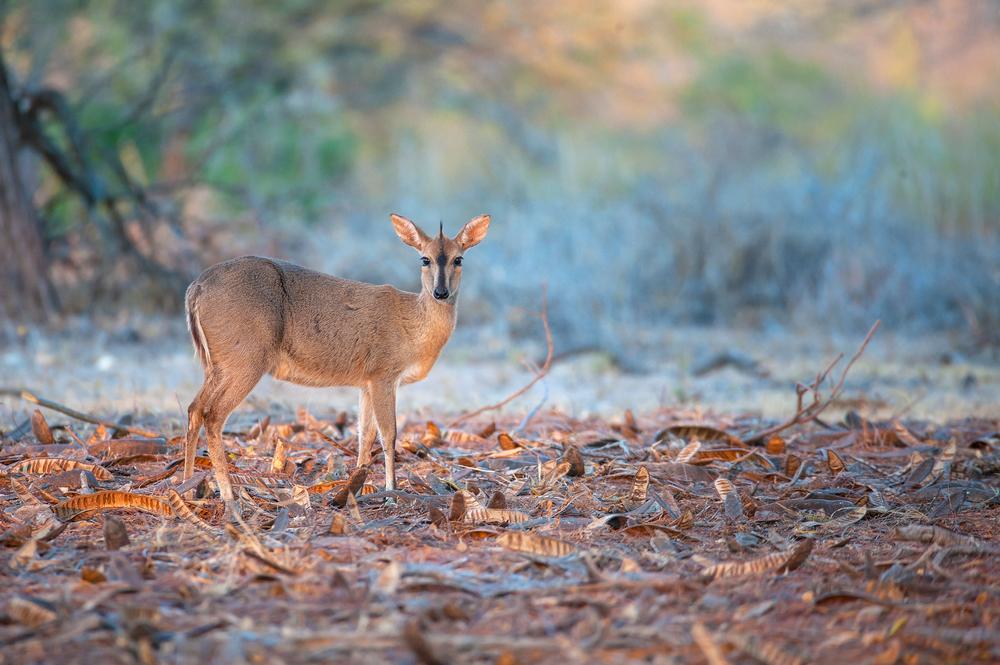
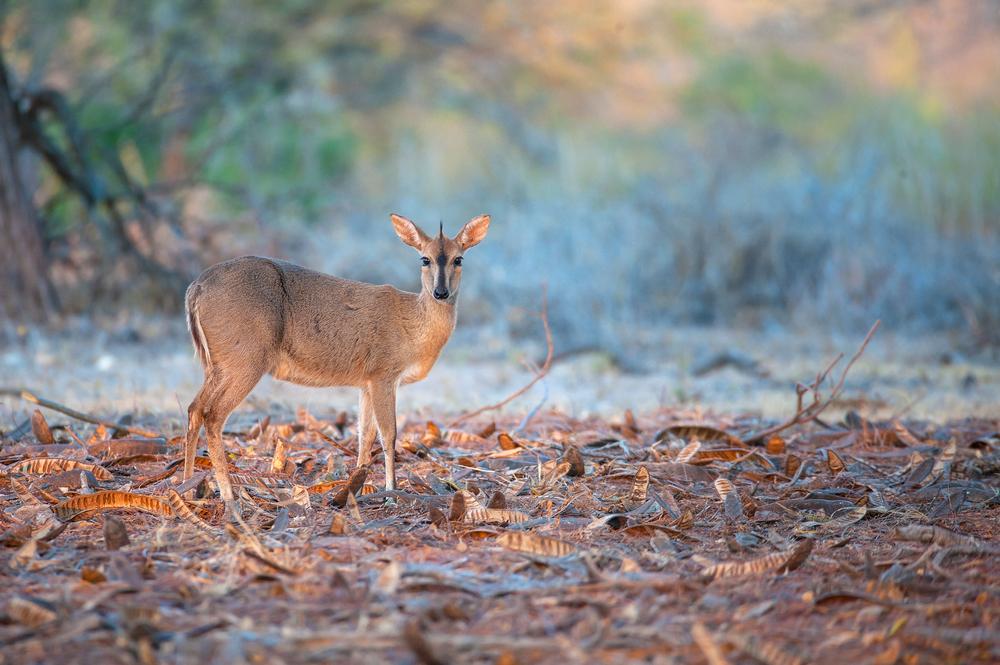
The Common Duiker, also known as the Gray Duiker, are among South Africa's most widespread small antelope, yet many hunters only catch a fleeting glimpse of one before it disappears into thick cover. Preferring dense bush, riverine thickets and woodland edges, these adaptable antelope rely on concealment rather than speed, making them surprisingly difficult to hunt despite their abundance.
A Common Duiker hunt offers a very different perspective on Hunting in South Africa. Instead of glassing open plains for distant movement, hunters must remain constantly alert for brief opportunities as a duiker slips across a game trail, pauses at the edge of a clearing or vanishes into cover almost as quickly as it appeared. Success often depends on reacting decisively when those opportunities arise.
Although Common Duiker are one of Africa's smallest antelope, they deserve the same careful preparation as any larger plains game species. Their compact body size leaves little margin for error, making accurate shot placement essential for an ethical harvest and preserving the trophy. Reviewing the correct Small Antelope Shot Placement before the hunt helps ensure those brief opportunities are not wasted.
Common Duiker hunting rewards hunters who remain patient, stay alert and are ready to react in an instant. Those fortunate enough to take a mature ram quickly discover that one of South Africa's smallest antelope can also be one of its most satisfying.
Available Gray Duiker Hunts
Hunting Safari in SA 10 x Nights Plains Game Combination
Booking Season: 2025
Hunt Difficulty: Difficult
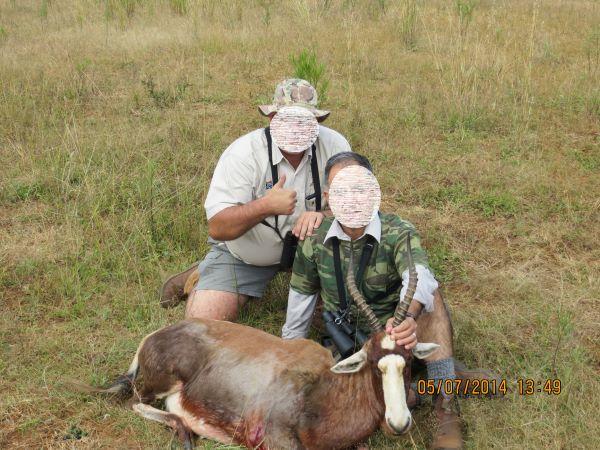
South African Plains Game Couples Hunting Trip
Booking Season: 2026
Hunt Difficulty: Moderate
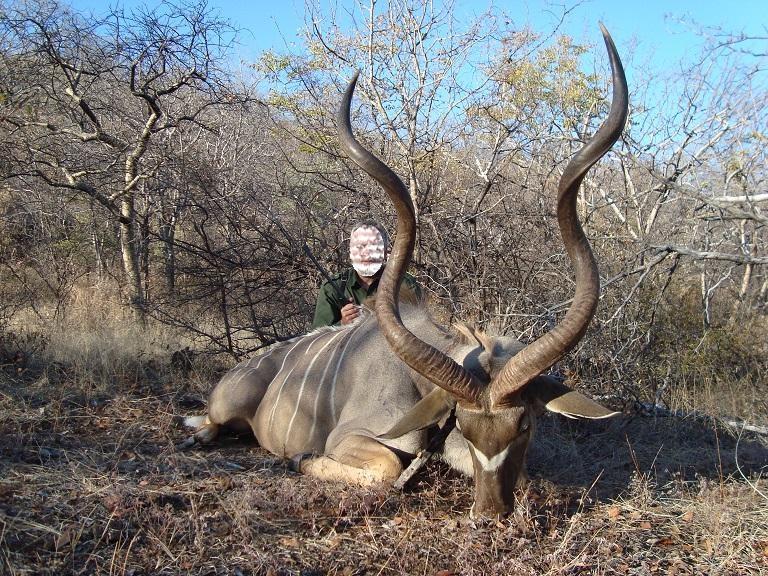
Trophy Plains Game Hunting in South Africa 6 x Species
Booking Season: 2026
Hunt Difficulty: Moderate, Difficult
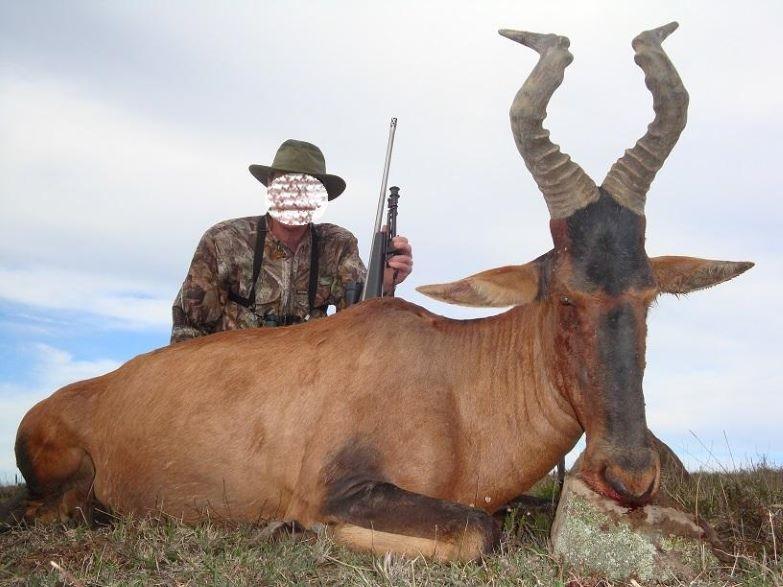
Hunt in South Africa 10 Days in the Eastern Cape
Booking Season: 2026
Hunt Difficulty: Moderate
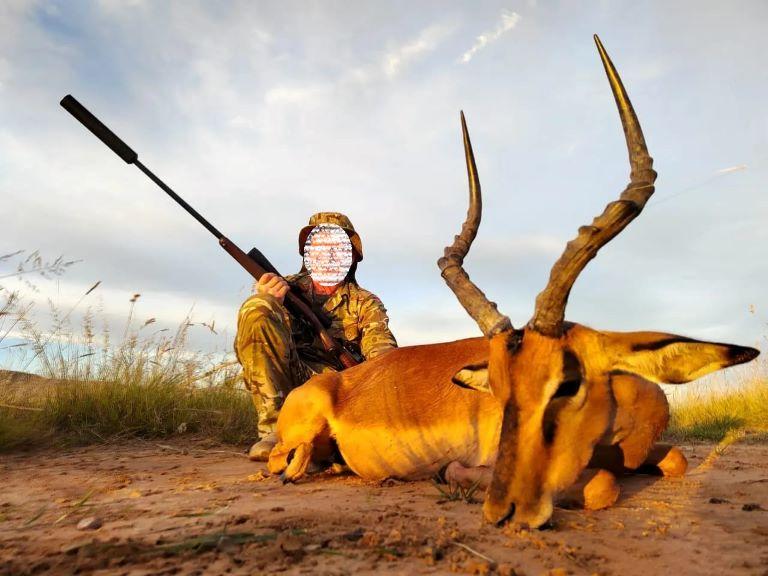
Plains Game Hunting in South Africa, Small Antelope in Limpopo
Booking Season: 2025
Hunt Difficulty: Moderate, Difficult
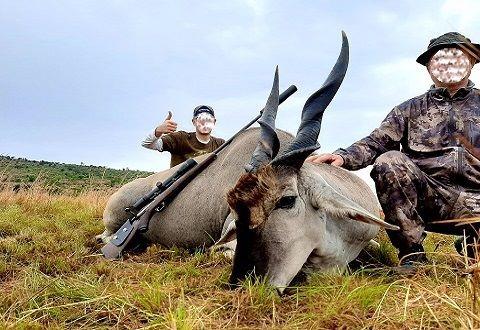
Plains Game Management Hunt in South Africa, Limpopo
Booking Season: 2026
Hunt Difficulty: Moderate, Difficult
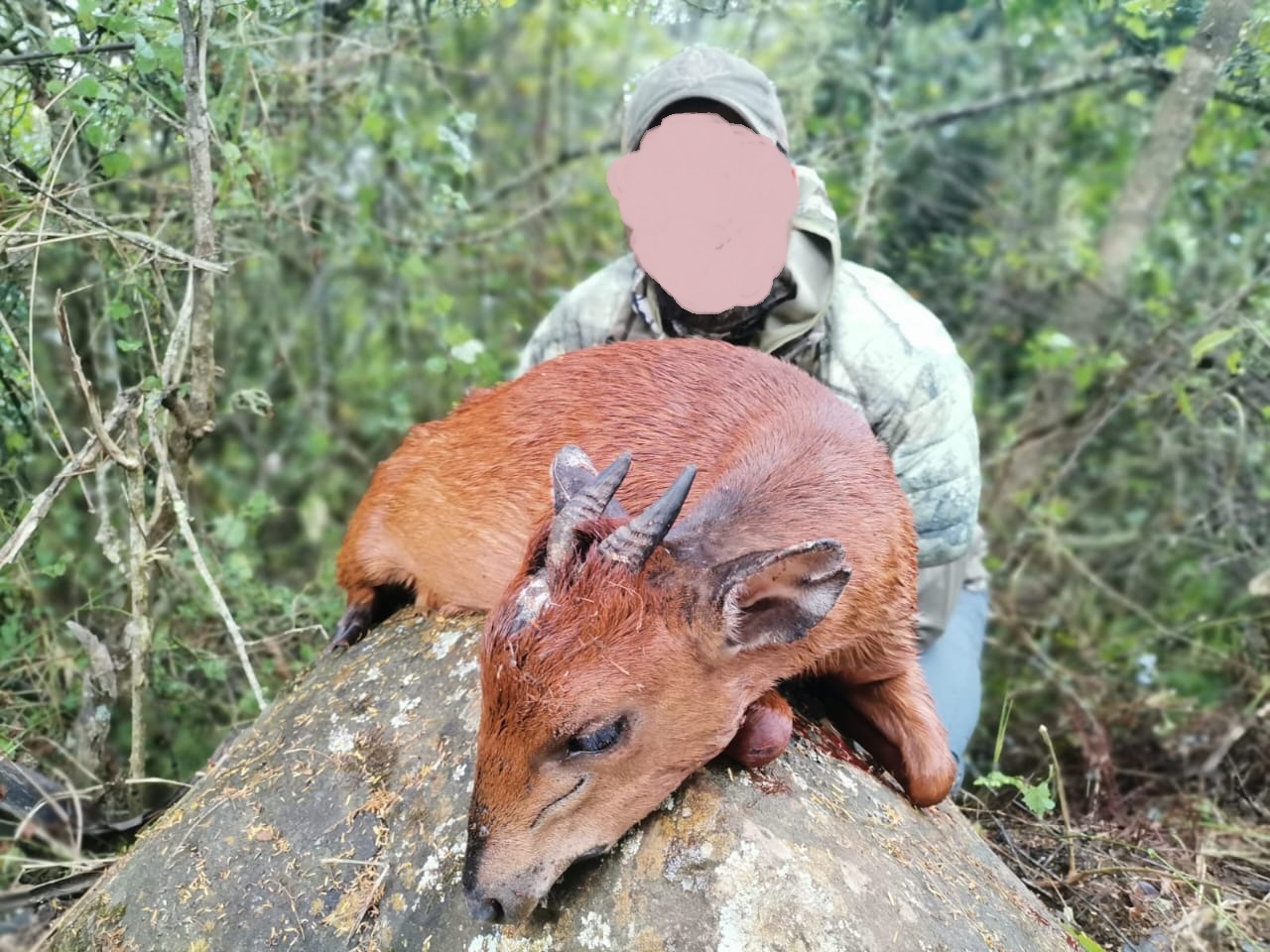
Limpopo African Hunt: Steenbok, Duiker & 3 More Tiny Trophies
Booking Season: 2026
Hunt Difficulty: Difficult
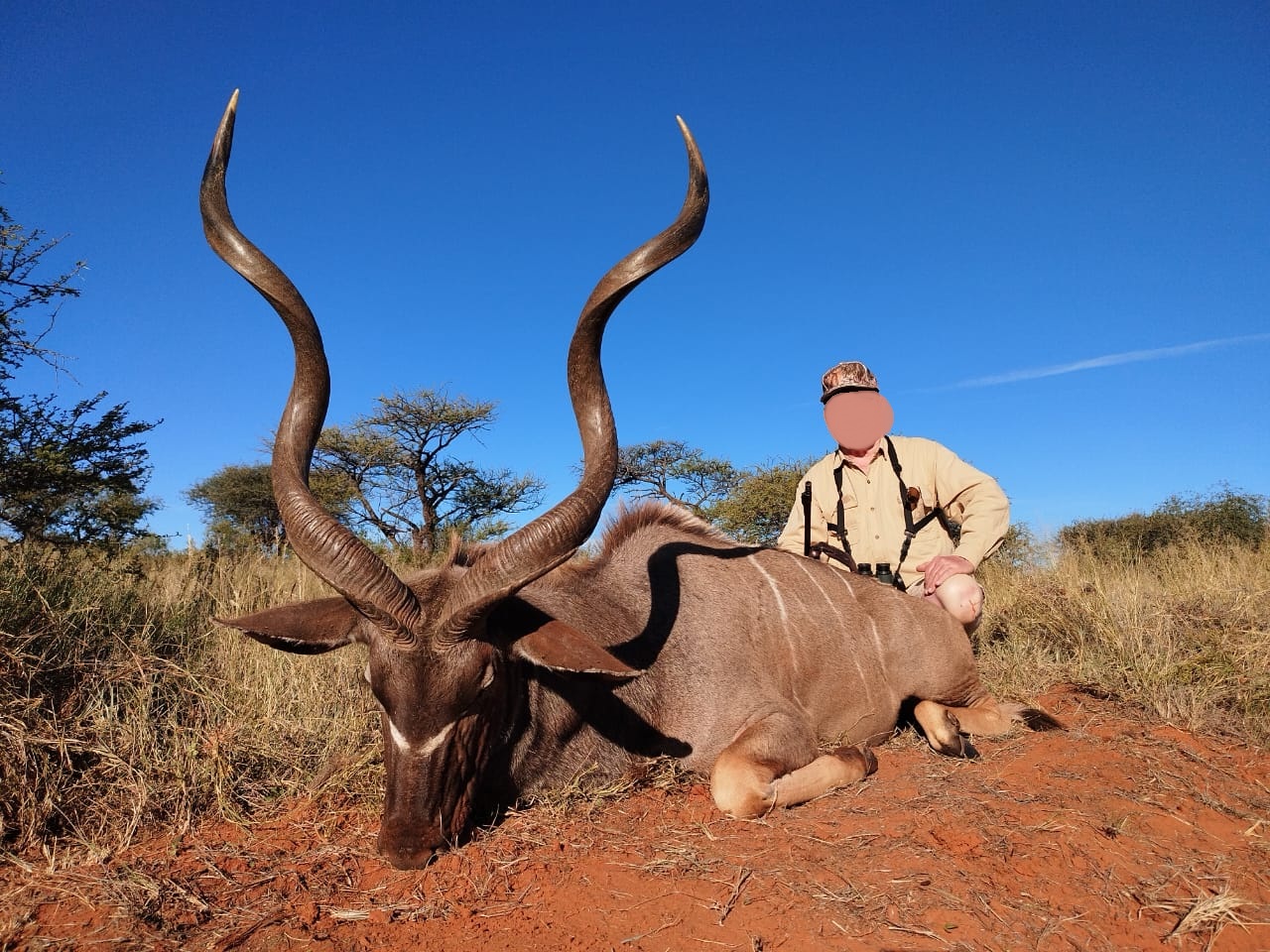
Family Hunting Adventure: Plains Game in Limpopo
Booking Season: 2026
Hunt Difficulty: Moderate
Spectacular 10 days Plains Game hunting in SA
Booking Season: 2025/2026
Hunt Difficulty: Moderate, Difficult, Extreme
Africa hunting trip in Limpopo 7 hunting days in SA
Booking Season: 2025/2026
Hunt Difficulty: Moderate
Common Duiker rarely announce their presence. Unlike species that may feed openly for long periods, a duiker often appears only briefly before slipping back into thick cover. A hunter may notice movement along a game trail, catch the flick of an ear through the brush or glimpse a mature ram crossing a narrow opening before it disappears.
These encounters leave little time for hesitation. By the time the opportunity has been recognised, the duiker may already be moving back into cover. Experienced Professional Hunters understand these patterns, positioning hunters where visibility improves and helping them recognise a shooting opportunity before it is gone.
This does not mean rushing a shot. Instead, successful Common Duiker hunting depends on remaining mentally prepared throughout the day. Carrying the rifle correctly, staying alert and trusting your preparation often make the difference when an opportunity lasts only a few seconds.
A Common Duiker hunt is often remembered not for how long the stalk lasted, but for how quickly everything happened. Success frequently comes down to being ready before the opportunity presents itself.
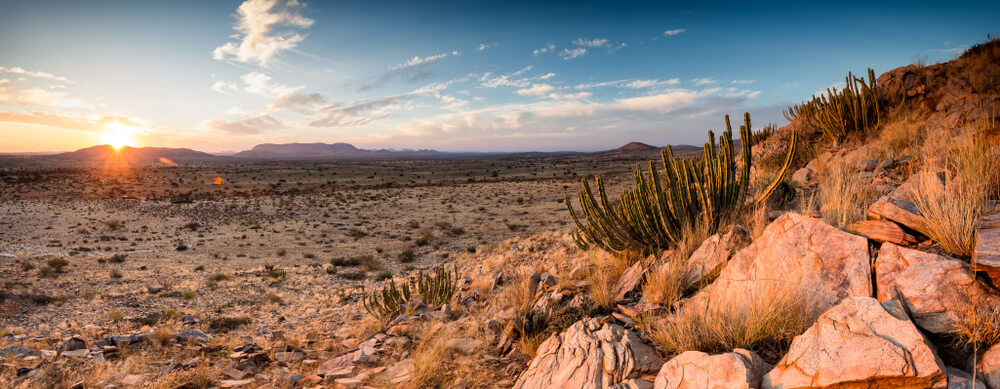
Common Duiker are widely distributed across South Africa, inhabiting bushveld, riverine thickets, woodland edges, dense scrub and areas of mixed farmland where suitable cover remains available. Although they can adapt to a variety of environments, they are rarely comfortable far from vegetation that allows them to disappear within a few strides.
Unlike Steenbok, which often rely on remaining motionless in open country, Common Duiker trust dense cover to keep them hidden. Hunters may only catch a brief glimpse as a duiker slips between bushes, pauses on the edge of a game trail or quietly feeds beneath thick vegetation before vanishing again.
The best opportunities often come while moving slowly through suitable habitat or hunting other plains game species in the same area. Remaining alert throughout the day is essential, as encounters are usually brief and rarely happen twice in the same place.
This style of hunting showcases another fascinating side of Plains Game Hunting. Rather than covering vast open landscapes, success depends on moving carefully through broken terrain, reading the cover ahead and being prepared when a Common Duiker suddenly appears.
Unlike larger antelope that may be spotted from hundreds of yards away, Common Duiker are often detected by movement rather than shape. A slight flick of an ear, the twitch of a tail or a brief movement through thick vegetation is frequently the first indication that a duiker is nearby.
Professional Hunters spend as much time studying the cover as they do looking for the animal itself. Fresh tracks crossing a game path, recently browsed vegetation and narrow openings through dense bush can all suggest that a Common Duiker is using the area. Rather than searching every bush individually, the hunt becomes one of anticipating where the animal is most likely to appear.
Patience remains important, but so does concentration. Looking away for only a moment can mean missing the only opportunity the day presents. Hunters who learn to read the bush instead of simply looking into it often find themselves reacting sooner when a Common Duiker finally steps into view.
A trophy Common Duiker is measured by maturity rather than body size. Mature rams carry straight, well-developed horns that rise cleanly above the ears, with good length, solid bases and symmetrical shape. While trophy measurements are recorded, experienced hunters often place just as much value on finding an old ram that has survived for years in thick cover.
Older rams reveal more than horn development alone. Their facial features become more pronounced; the coat may lose some of its youthful brightness and their behaviour is often noticeably more cautious. These mature animals are less predictable, making them considerably more challenging to approach than younger duikers.
Opportunities to assess a trophy Common Duiker are often brief, leaving little time to study every detail before deciding. An experienced Professional Hunter plays an important role in identifying mature rams quickly while ensuring younger animals are left to reach their full potential.
A mature Common Duiker represents far more than an impressive set of horns. It reflects patience, sharp observation and the ability to make the right decision during one of the shortest hunting opportunities on an African safari.
Common Duiker are rarely the sole reason for travelling to South Africa, yet they regularly become one of the most memorable trophies taken during a safari. Their widespread distribution allows them to be hunted alongside species such as kudu, impala, nyala, bushbuck and wildebeest, making them a natural addition to a well-planned plains game safari.
Hunters specifically hoping to take a mature Common Duiker should discuss their goals with their outfitter before the safari begins. This allows the Professional Hunter to spend more time hunting suitable habitat and to recognise opportunities that might otherwise be overlooked while pursuing larger game.
Common Duiker are one of those species that often become an unexpected highlight of a South African safari. While hunters may arrive focused on kudu, nyala or other larger plains game, the challenge of taking a mature duiker frequently becomes just as memorable. Their elusive nature and brief shooting opportunities make every successful hunt feel well earned.
If harvesting a mature Common Duiker is one of your objectives, discuss it with your Professional Hunter before the safari begins. Spending time in suitable habitat, slowing the pace when conditions are right and recognising trophy-quality rams all increase the chances of success.
Many Hunting Trips across South Africa provide opportunities to hunt Common Duiker alongside a wide variety of plains game species. Adding one to your trophy list rarely requires a dedicated safari, only the patience to recognise the opportunity when it finally presents itself.
Yes. Although Common Duiker are widespread across South Africa, they are surprisingly difficult to hunt. Their habit of staying close to dense cover, combined with their tendency to appear only briefly before disappearing into thick bush, means hunters often have only seconds to react.
A mature trophy Common Duiker is judged more by age, horn quality and character than body size. Well-developed, symmetrical horns with good length and solid bases are desirable, but experienced hunters also value old rams that have avoided predators and hunters for many years.
No. Only male Common Duiker grow horns, making sex identification relatively straightforward when an animal is seen clearly. Mature rams carry short, straight horns that rise above the ears.
Hunters pursuing Common Duiker specifically often favour lighter calibres that minimise unnecessary trophy damage. However, most Common Duiker are taken during broader plains game safaris using the same rifle carried for larger species. Confidence in your rifle and accurate shot placement remain more important than calibre alone.
Absolutely. Common Duiker are regularly encountered while hunting other plains game species, making them an excellent addition to a South African safari. Their widespread distribution means opportunities can arise almost anywhere suitable bushveld or woodland habitat exists.
Common Duiker can be hunted throughout South Africa's hunting season. Early mornings and late afternoons are often particularly productive, when animals are more active before retreating into thicker cover during the heat of the day.
Rather than relying on speed alone, Common Duiker depend on dense vegetation for protection. Their natural colouring blends into the surrounding bush, and they often freeze before slipping quietly into cover, making them remarkably easy to overlook.
Yes. While Common Duiker are challenging to hunt, they are an excellent species for hunters who enjoy careful stalking and quick decision-making. They also fit naturally into a first South African plains game safari, where opportunities often arise while pursuing larger species.
Search from our range of Hunts across various popular destinations in Africa.

Book Your Hunt