
Spotted Hyena Hunting in SA plus 7 Specialty Species
Booking Season: 2026
Hunt Difficulty: Moderate

Planning hunting in South Africa often begins with pursuing iconic species such as Cape buffalo, kudu or gemsbok. A honey badger is rarely the primary reason for booking a safari. Instead, opportunities usually arise while hunting other game, particularly during evening predator hunts. When that opportunity presents itself, however, few hunters choose to let it pass.
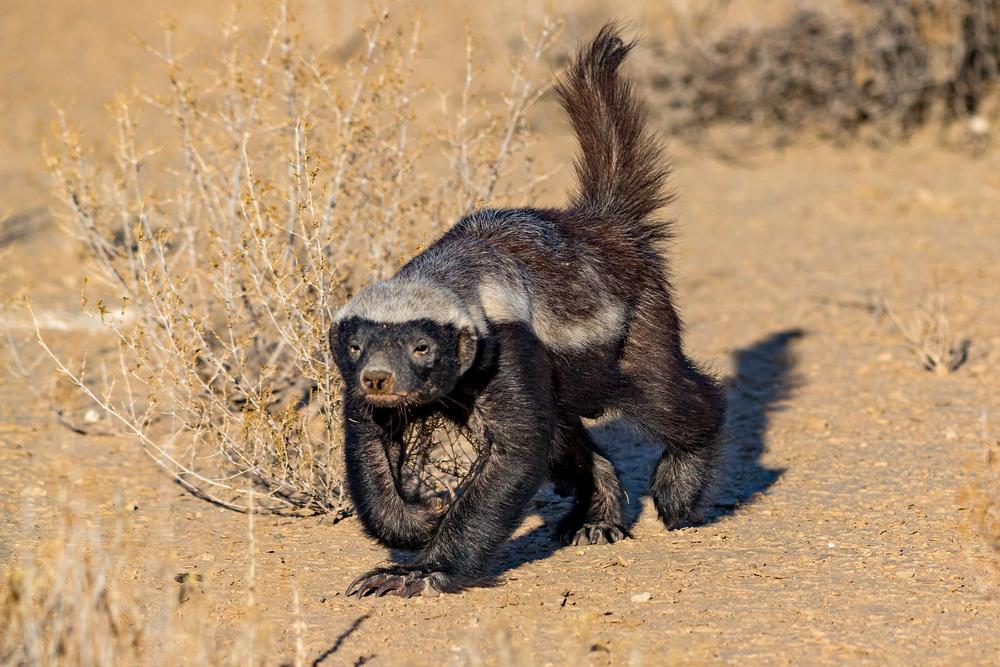
The honey badger has earned an almost legendary reputation throughout Africa. Stories of these remarkably tough little predators standing their ground against lions, confronting leopards, raiding beehives and refusing to back away from danger have become part of African bush folklore. While some stories have undoubtedly grown with retelling, the honey badger's reputation for fearlessness is very real.
That reputation was never built on size. A honey badger weighs only a fraction of Africa's larger predators, yet it survives alongside lions, leopards, hyenas and wild dogs through aggression, determination and remarkable resilience. Few African animals display so much confidence despite their size.
Respect cannot be measured by body size alone. The honey badger is not pursued because it is large or because it carries impressive horns. It is hunted because generations of African hunters have admired its extraordinary courage, determination and refusal to back down.
Available Honey Badger Hunts
Spotted Hyena Hunting in SA plus 7 Specialty Species
Booking Season: 2026
Hunt Difficulty: Moderate
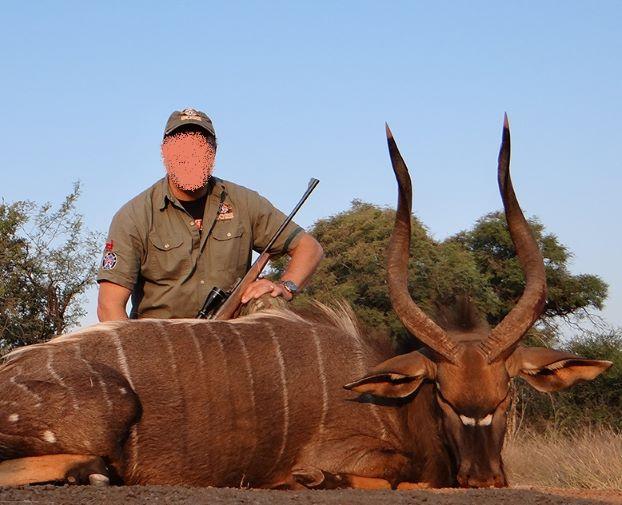
Plains Game Hunting in South Africa, 10 days x 10 x Species
Booking Season: 2025
Hunt Difficulty: Moderate

Hyena Hunting for 10 x Days in SA, plus 6 other Critters
Booking Season: 2026
Hunt Difficulty: Moderate, Difficult
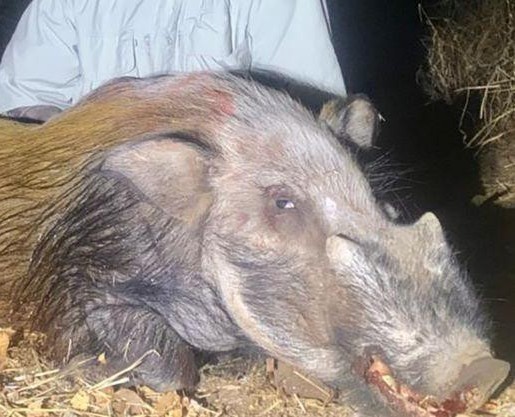
Bushpig Hunting in SA, plus 5 other Species in 10 Days
Booking Season: 2026
Hunt Difficulty: Difficult

African Plains Game Hunt, plus Night Critters 10 Days in SA
Booking Season: 2025
Hunt Difficulty: Moderate, Difficult
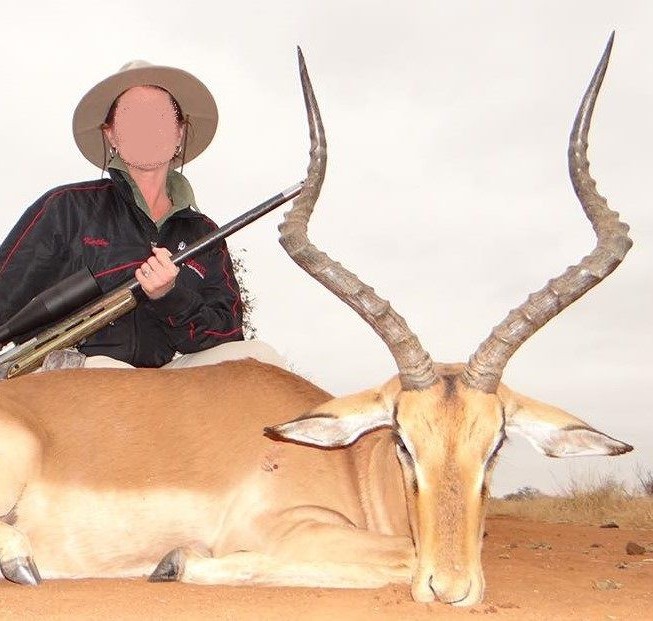
Plains Game Hunting in South Africa Day & Night Safari
Booking Season: 2026
Hunt Difficulty: Moderate, Difficult
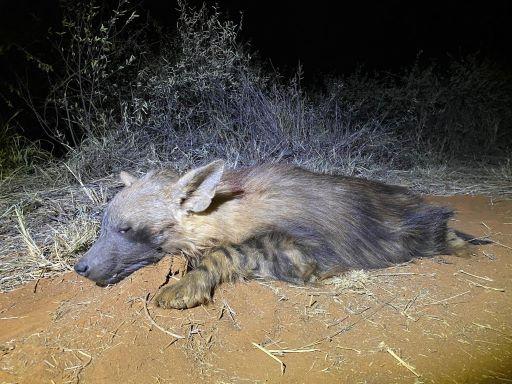
Hunt Brown Hyena and African Cats in South Africa
Booking Season: 2026
Hunt Difficulty: Difficult
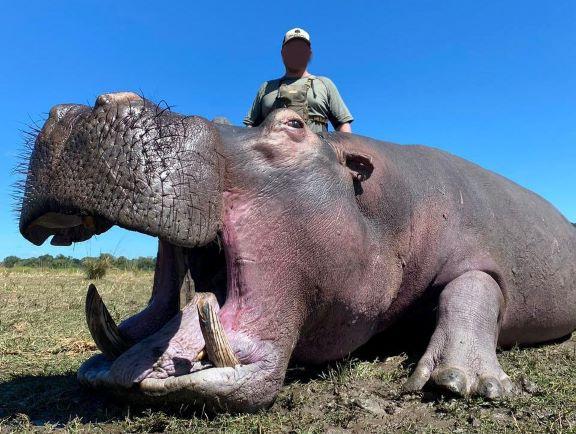
South Africa Dangerous Game & Nocturnal Hunting Safari
Booking Season: 2026
Hunt Difficulty: Moderate, Difficult
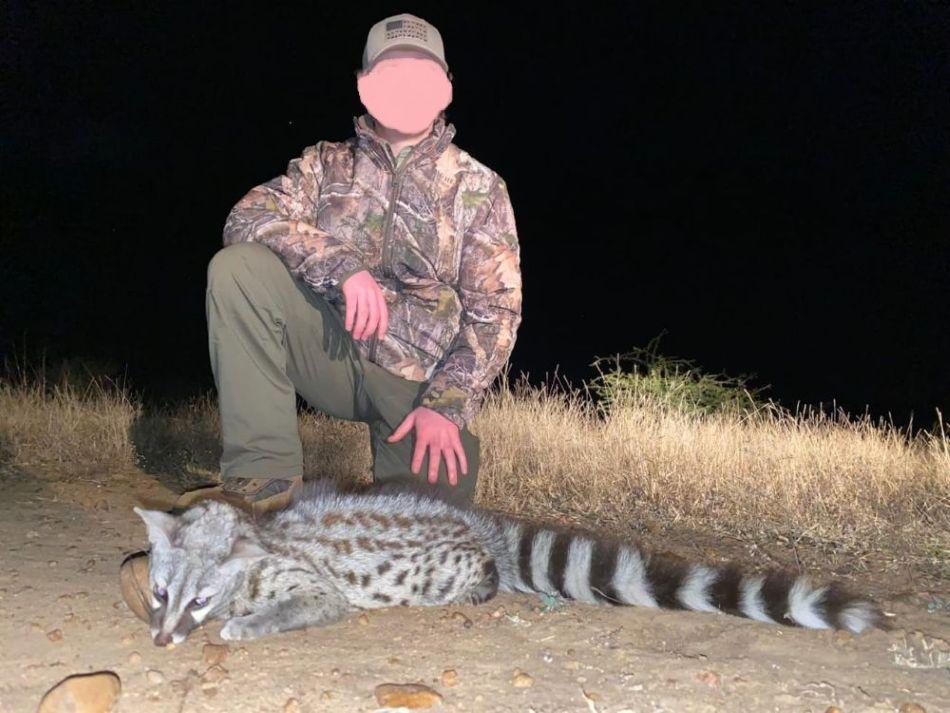
Hunting Adventures with Honey Badger & 4 Species in Limpopo
Booking Season: 2026
Hunt Difficulty: Moderate
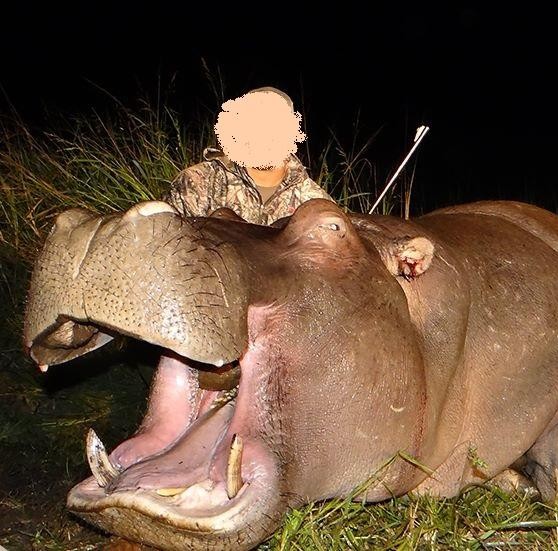
A 10-Day Hippo & Nocturnal Hunting Safari in South Africa
Booking Season: 2026
Hunt Difficulty: Difficult
The honey badger's reputation was not created by documentaries or stories shared around African campfires. It was earned over generations by repeatedly doing what few animals of its size would even attempt.
Curiosity is one of its defining characteristics. Rather than immediately fleeing from unfamiliar sounds or scents, a honey badger will often investigate them. Professional Hunters occasionally watch badgers approach hunting blinds or bait sites simply to discover what has entered their territory, displaying a level of confidence rarely seen in other predators.
That behaviour is sometimes witnessed during Bushpig Hunts, where a honey badger arriving at a bait can completely change the evening. Bushpigs will often choose to feed elsewhere rather than challenge such a determined animal. Similar encounters occur during Hyena Hunts, where even larger predators frequently avoid an unnecessary confrontation with a honey badger.
The same attitude explains why honey badgers have earned such respect throughout Africa. They are not reckless animals looking for a fight. They simply refuse to surrender territory, food or their own safety because something larger happens to be standing in front of them.
It is a reputation built on courage rather than size, and one that few African animals have earned to the same degree.
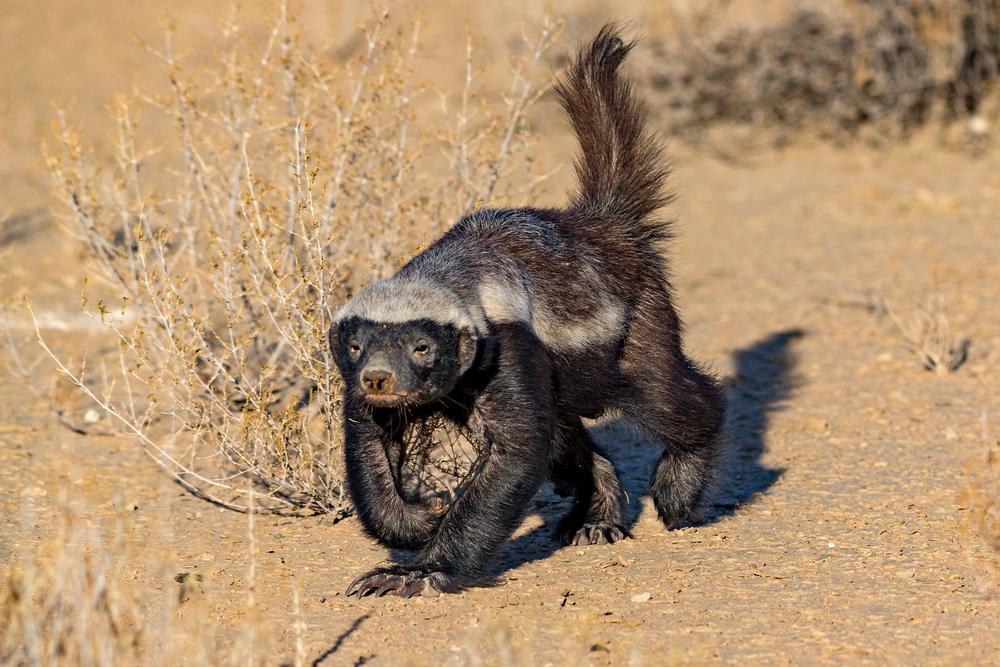
Everything about a honey badger is designed for survival. Powerful forelegs armed with long claws allow it to dig into hard ground with remarkable speed, opening termite mounds, excavating burrows and uncovering prey that many other predators cannot reach. If danger appears, those same digging abilities often allow a honey badger to disappear underground within minutes.
Its diet is just as varied. Rodents, reptiles, birds, insects, honey and even venomous snakes all form part of its menu, making the honey badger one of Africa's most adaptable predators. Rather than specialising in one food source, it simply takes advantage of whatever the environment provides.
Its thick, loose skin is another remarkable adaptation. Predators that manage to grab a honey badger often struggle to maintain a firm hold, allowing the animal to twist, bite and continue defending itself. Combined with extraordinary determination, these physical adaptations explain why honey badgers have earned such respect throughout the African bush.
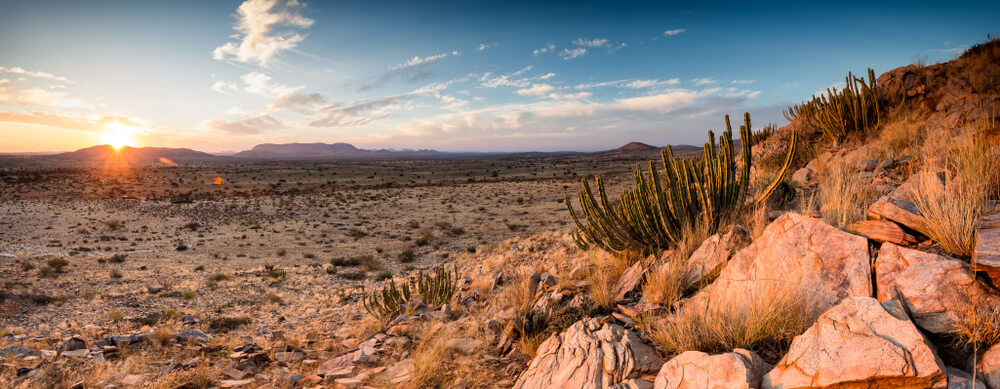
This ability to survive almost anywhere has also shaped where hunters encounter them. Honey badgers are most often seen moving through dry bushveld, thornveld and semi-arid country, particularly during the evening and at night when they become increasingly active in search of food.
Despite their relatively small size, honey badgers are exceptionally tough animals. Their compact build, loose skin and remarkable resilience mean hunters should never underestimate the importance of precise shot placement. There is very little margin for error.
A wounded honey badger will often head straight for the nearest place of safety. Old termite mounds, abandoned aardvark burrows and other underground dens provide ideal refuge, and once a badger disappears below ground, recovery can become extremely difficult. Even extensive digging may not be enough to retrieve the animal.
Recovering a honey badger begins with the shot itself. Experienced Professional Hunters place great emphasis on waiting for the correct opportunity rather than rushing an animal that may disappear underground. Passing a difficult shot is always preferable to risking a wounded badger that is never recovered.
Because the anatomy of a honey badger differs considerably from that of larger game species, reviewing Shot Placement for Specialty Animals before the hunt is strongly recommended. Understanding the correct aiming point beforehand helps ensure a quick, ethical harvest while greatly improving the chances of recovering the trophy.
Patience, discipline and respect for the animal remain the foundation of ethical hunting. Few African predators demonstrate the importance of those qualities more clearly than the honey badger.
Honey badgers occur across much of South Africa, but they are most often encountered in dry bushveld, thornveld and semi-arid regions where healthy populations of rodents, reptiles and other prey provide a reliable food source. Because they are largely nocturnal and cover considerable ground each night, sightings are never guaranteed, even in areas where they are well established.
Most honey badgers are taken as part of broader predator safaris rather than dedicated hunts. Hunters pursuing Bushpig Hunts, Hyena Hunts or other night-time species occasionally encounter honey badgers visiting bait sites or moving through the same habitat after dark. Those unexpected encounters are often what make the trophy so memorable.
Part of the honey badger's appeal lies in its unpredictability. These animals are naturally curious, highly intelligent and constantly on the move. Seeing one in the wild is often memorable enough. Having the opportunity to hunt one is considerably rarer.
Choosing a well-managed hunting area with healthy predator populations and experienced Professional Hunters generally offers the best chance of encountering one of Africa's most remarkable small predators.
Honey badgers are not judged by horn length, tusk size or record-book measurements. The qualities that make a memorable trophy are maturity, condition and the reputation of the animal itself.
A mature male is generally the most sought-after trophy. Larger body size, a broader head and heavier build are often the first characteristics experienced Professional Hunters look for, although judging the sex of a honey badger can be surprisingly difficult during a night hunt. Taking the time to identify a mature animal usually leads to a far more rewarding trophy.
Coat condition also plays an important role. A healthy honey badger with its distinctive silver-grey mantle contrasting against the dark body creates one of Africa's most recognisable predator trophies. Scars earned through years of surviving in the African bush often add character rather than detract from the trophy, telling the story of an animal that has successfully defended itself against countless dangers.
A full-body mount is often the preferred choice because it captures the honey badger's unique posture, powerful forelegs and formidable claws. Unlike a shoulder mount, a full mount showcases the animal's compact, muscular build and allows visitors to appreciate why such a small predator has earned such a formidable reputation.
The finest honey badger trophies are rarely remembered because they are the largest. They are remembered because they represent one of Africa's toughest and most determined predators, and the respect that animal has earned throughout the hunting community.
Honey badgers are seldom hunted as a dedicated safari, which means the cost is usually tied to a broader hunting package rather than a stand-alone hunt. Most opportunities arise while pursuing predators at night or during a mixed plains game safari, making a honey badger an unexpected but highly valued addition to the trophy list.
As with all African hunting, costs vary between outfitters and hunting areas. Trophy fees, daily rates, accommodation, transport and taxidermy all contribute to the overall investment. Reviewing African Hunting Safari Prices before booking provides a useful starting point for understanding how those costs are typically structured.
The value of a honey badger hunt is rarely measured by the trophy fee alone. Hunters pursue them because of the challenge, the reputation the species has earned and the rarity of the opportunity. When a mature honey badger appears at a bait or crosses a track unexpectedly, it often becomes one of the most memorable moments of the entire safari.
Respect cannot be measured by body size alone, and no African animal proves that better than the honey badger.
Hunters do not remember a honey badger because it was the biggest trophy on the safari. They remember it because it displayed extraordinary determination, survived against remarkable odds and earned a reputation that few African predators can match. Every scar, every worn claw and every successful encounter tells the story of an animal that has spent its life refusing to surrender.
A honey badger may never be the primary reason for travelling to Africa, yet it often becomes one of the trophies hunters speak about long after the safari has ended. The opportunity is uncommon; the challenge is genuine and the respect earned by the animal makes every successful hunt memorable.
The finest African Hunting Trips are rarely defined by a single species. They are remembered for the unexpected moments, the remarkable animals encountered along the way and the stories that continue to be shared long after returning home. A mature honey badger has a habit of becoming one of those stories.
Yes. Honey badger hunting is legal in South Africa where permitted by provincial regulations and when conducted on authorised hunting properties. Hunters should always book through reputable outfitters who operate within the applicable wildlife laws.
Yes. Despite their relatively small size, honey badgers are exceptionally tough and capable of defending themselves aggressively when threatened. Their powerful jaws, long claws and determination mean wounded animals should always be approached with extreme caution.
Honey badgers have earned their reputation through their willingness to defend themselves against much larger animals and investigate situations that many other predators avoid. While they are not reckless, they rarely back away simply because another animal is larger.
Yes. Honey badgers are largely nocturnal, constantly on the move and surprisingly cautious despite their fearless reputation. Most opportunities occur unexpectedly during predator hunts rather than on dedicated honey badger safaris.
Yes. Honey badgers often seek refuge in old termite mounds, aardvark burrows and other underground dens. Once underground they can be extremely difficult to recover, making accurate shot placement essential.
Judging the sex of a honey badger can be surprisingly difficult, particularly during a night hunt. Mature males are generally larger, with a broader head, thicker neck and heavier build, but experienced Professional Hunters often rely on overall body shape and behaviour rather than a single identifying feature.
Honey badgers occur across much of South Africa but are most encountered in dry bushveld, thornveld and semi-arid regions. They are often seen while hunting bushpigs, hyenas and other nocturnal species that share similar habitat.
A mature male in good condition is generally the most desirable trophy. Coat quality, maturity, scars and the overall character of the animal usually matter far more than body size or measurements.
Yes. A full-body mount is often the preferred option because it showcases the honey badger's distinctive silver-grey mantle, muscular build, powerful forelegs and formidable claws. It also captures the character of one of Africa's most respected predators far better than a shoulder mount.
Honey badgers are usually hunted as an addition to a broader safari rather than as a dedicated hunt. Costs vary between outfitters and hunting areas, with trophy fees, daily rates and taxidermy all contributing to the overall investment.
Search from our range of Hunts across various popular destinations in Africa.

Book Your Hunt