Zebra & Kudu Hunting plus 5 additional Species: 8 x Days in KZN
Booking Season: 2026
Hunt Difficulty: Moderate, Difficult

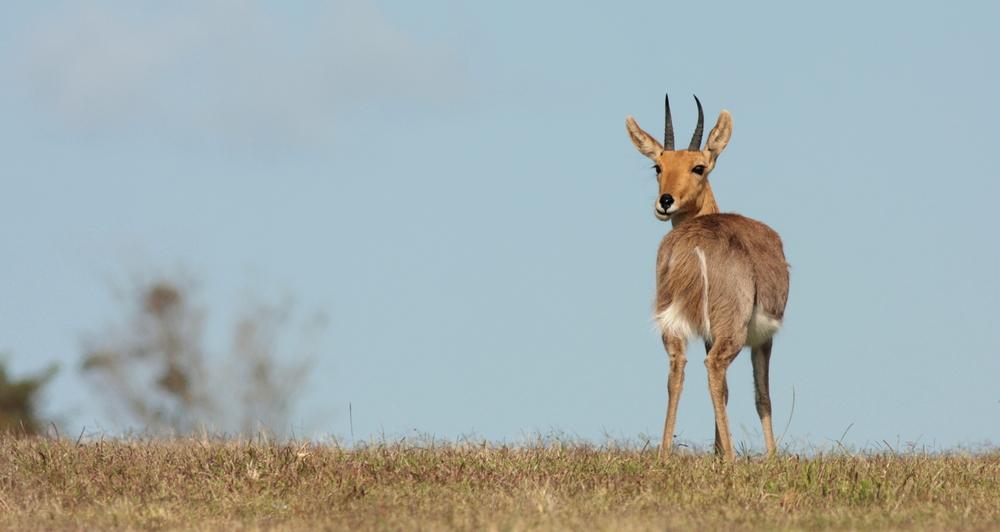
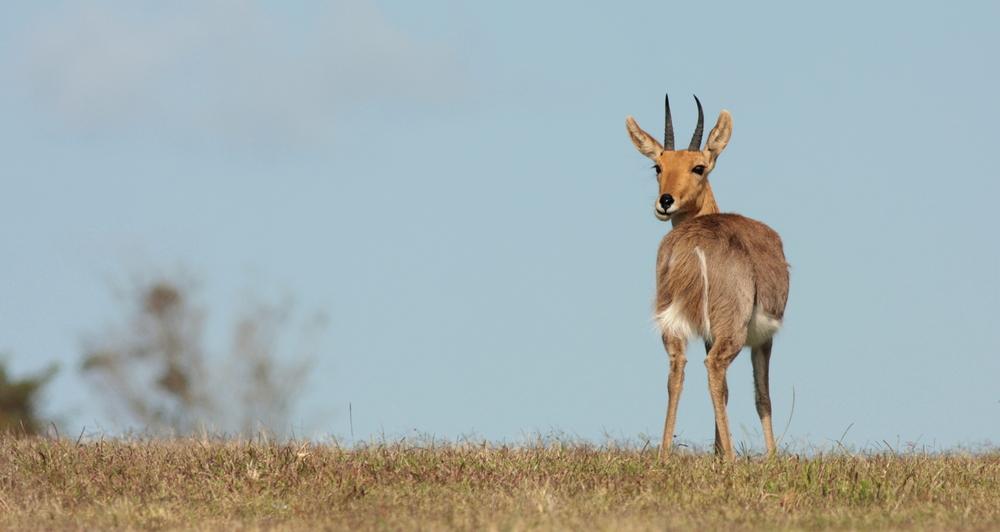
South Africa's mountain ranges offer a completely different style of plains game hunting from the bushveld and open savannahs that many visiting hunters expect. While much of Hunting in South Africa is associated with thornveld, valleys and open plains, Mountain Reedbuck inhabit rugged hillsides, rocky ridges and broken grasslands where the terrain itself becomes one of the greatest challenges of the hunt.
A successful Mountain Reedbuck hunt is rarely about covering miles of country. It begins with careful glassing, studying the contours of the mountain and understanding where a mature ram is most likely to be holding. Hunters and Professional Hunters may spend hours searching seemingly empty hillsides before planning a patient stalk that uses every fold in the landscape and every favourable shift in the wind.
Mature Mountain Reedbuck are alert, cautious and perfectly suited to this rugged environment. A ram that appears within range one moment can disappear into a rocky fold or patch of long grass the next, leaving little indication that he was ever there.
Mountain Reedbuck hunting is a hunt of observation, patience and careful decision-making. Those prepared to hunt the mountains methodically will discover why this understated antelope continues to earn the respect of experienced plains game hunters.
Available Mountain Reedbuck Hunts
Zebra & Kudu Hunting plus 5 additional Species: 8 x Days in KZN
Booking Season: 2026
Hunt Difficulty: Moderate, Difficult
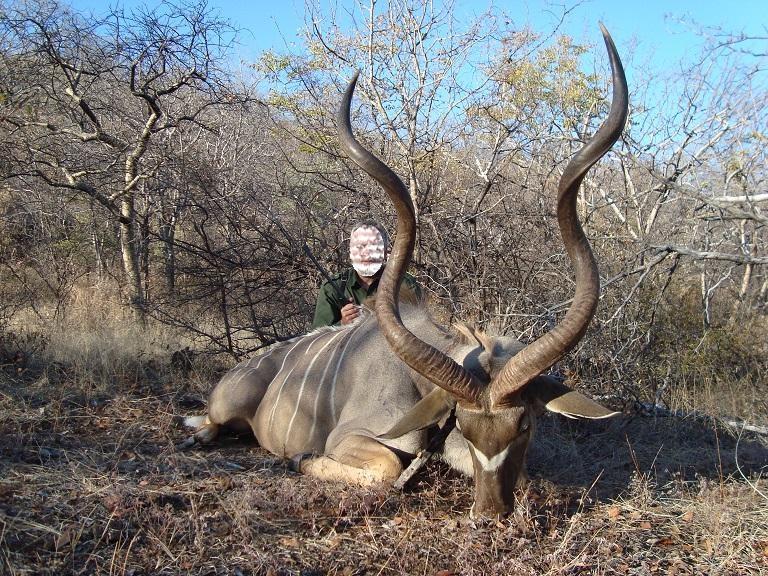
Trophy Plains Game Hunting in South Africa 6 x Species
Booking Season: 2026
Hunt Difficulty: Moderate, Difficult
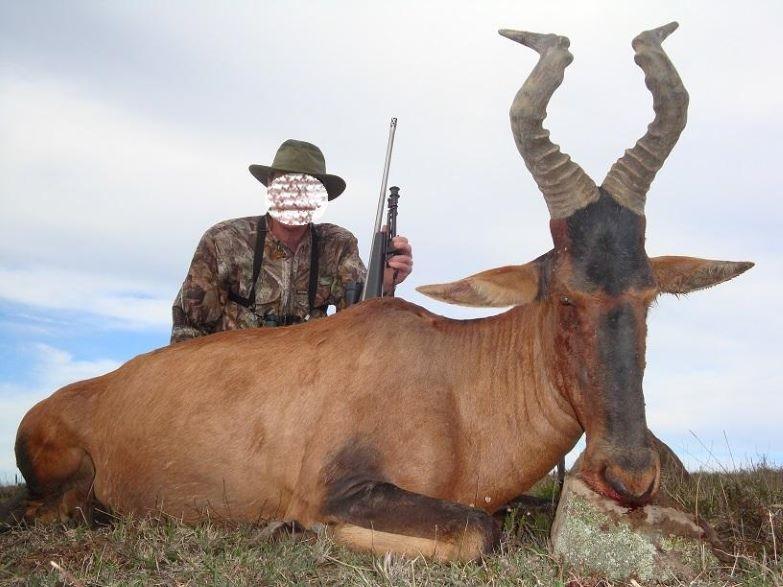
Hunt in South Africa 10 Days in the Eastern Cape
Booking Season: 2026
Hunt Difficulty: Moderate
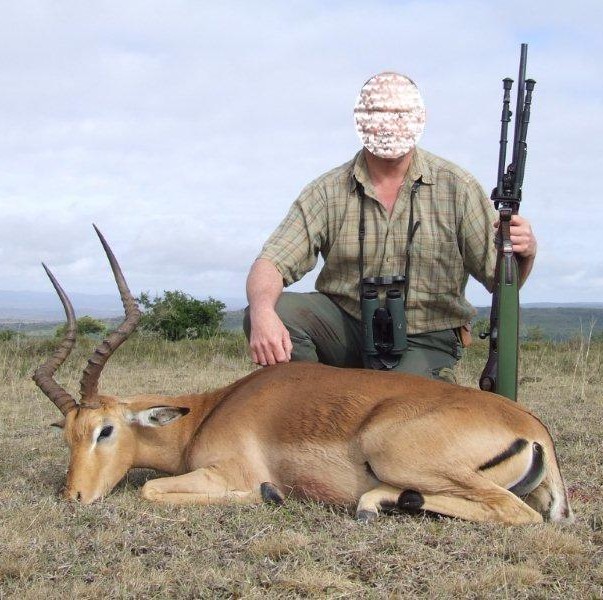
Plains Game Hunt in South Africa 8 x Trophy Animals
Booking Season: 2025
Hunt Difficulty: Moderate, Difficult
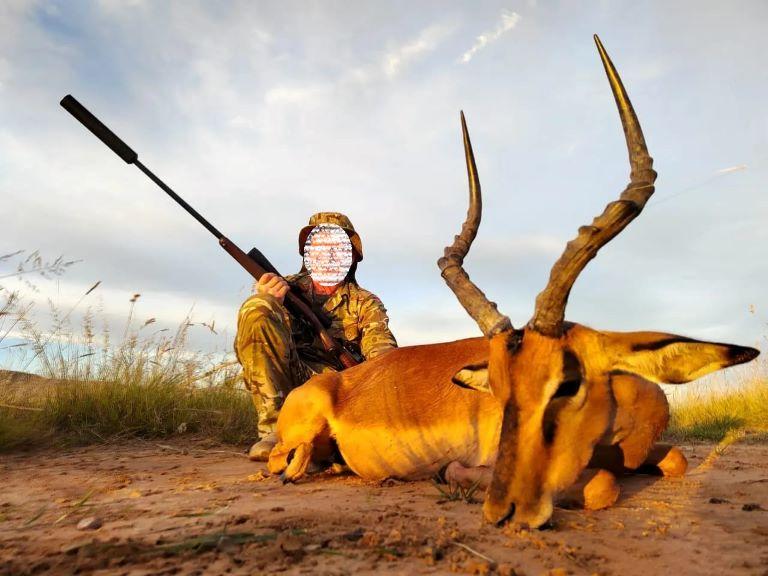
Plains Game Hunting in South Africa, Small Antelope in Limpopo
Booking Season: 2025
Hunt Difficulty: Moderate, Difficult
10 Day African Plains Game Hunt 7 Species in South Africa
Booking Season: 2026
Hunt Difficulty: Moderate, Difficult
Trophy Hunting in the Eastern Cape: Eland, Springbok, Kudu & Mountain Reedbuck
Booking Season: 2026
Hunt Difficulty: Moderate, Difficult
Mountain Reedbuck are rarely the first species visiting hunters ask about, yet they have earned a quiet reputation among experienced plains game hunters. Their appeal lies not in impressive body size or sweeping horns, but in the challenge of finding and stalking a mature ram in rugged terrain where every ridge, gully and rocky outcrop can either conceal the hunter or provide the ram with an escape route.
Unlike many plains game species that may be encountered throughout the day, Mountain Reedbuck often reveal themselves only briefly before slipping back into broken ground. A successful hunt depends on recognising these opportunities, reading the landscape correctly and resisting the temptation to rush a stalk before the conditions are right.
A mature Mountain Reedbuck ram is respected because he has learned to survive in country that naturally favours the animal. Years spent using the terrain, wind and cover to avoid danger make older rams cautious and unpredictable, requiring patience, good judgement and close cooperation between hunter and Professional Hunter.
Mountain Reedbuck may not be the headline species on every safari, but they remain one of South Africa's classic mountain trophies. Hunters who pursue them are usually looking for more than another animal on the trophy list. They appreciate the challenge of hunting broken country, where success is measured not by the distance walked, but by the quality of the stalk.
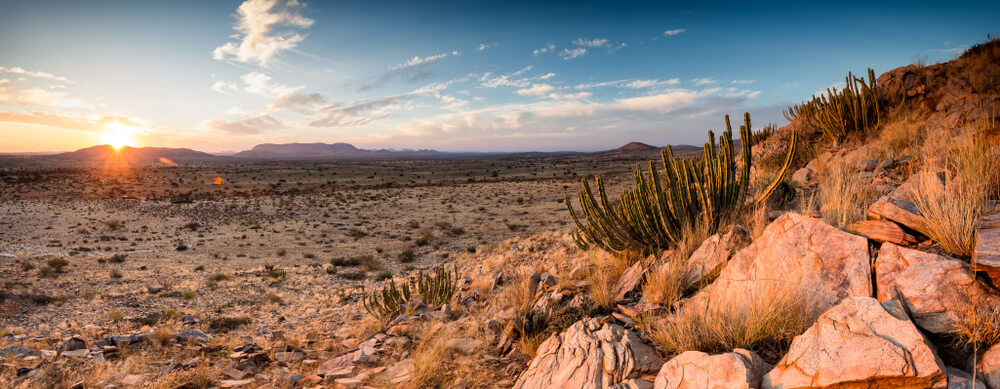
South Africa's Mountain Reedbuck country is shaped by steep hillsides, rocky ridges and rolling grasslands that challenge both hunter and game. Unlike dense bush where visibility is limited, these mountains allow hunters to glass large areas before carefully planning an approach that makes use of every fold in the terrain.
Locating a mature ram is often only the beginning. Mountain Reedbuck naturally favour elevated ground where they can watch the surrounding landscape while remaining difficult to detect themselves. Hunters and Professional Hunters must study the terrain carefully, identifying gullies, ridgelines and patches of cover that provide the best opportunity to close the distance without being seen.
Wind direction plays an equally important role. Although Mountain Reedbuck rely heavily on their eyesight, an unexpected scent or movement across an exposed slope can quickly bring a stalk to an end. Patience often proves more valuable than speed, with hunters sometimes waiting for a ram to change position before committing to an approach.
Mountain hunting demands confidence in both equipment and shooting ability. Longer opportunities can present themselves across valleys or open hillsides, making quality optics, a flat-shooting rifle and the ability to shoot accurately from practical field positions valuable assets. Just as important is the willingness to adapt, because no two stalks across South Africa's mountains are ever quite the same.
Mountain Reedbuck are seldom hunted in isolation. Most visiting hunters include them as part of a broader mountain safari, taking advantage of South Africa's diverse hunting areas where several sought-after plains game species can often be pursued during the same trip.
Hunters pursuing Mountain Reedbuck often combine the hunt with Black Wildebeest Hunts, as both species are commonly found in South Africa's high-altitude grasslands and mountain terrain. Depending on the hunting area, opportunities may also exist to pursue blesbok or other plains game during the same safari.
South Africa is also well known for the Springbok Hunts Grand Slam, with hunters pursuing all four recognised colour phases over one or more safaris. Although Springbok occupy different habitat from Mountain Reedbuck, combining the two creates a varied itinerary that showcases both South Africa's mountain terrain and its open plains.
Rather than focusing on a single trophy, experienced hunters often build a safari around different hunting styles and landscapes. The result is a more complete South African hunting adventure, where each day presents a new challenge while making the most of the country's exceptional variety of plains game.
South Africa remains one of the finest destinations for Mountain Reedbuck hunting because it combines healthy populations with mountain landscapes that reward patience, careful observation and thoughtful stalking. Every successful hunt is shaped by the terrain, with rocky ridges, steep slopes and rolling grasslands testing both hunter and Professional Hunter throughout the stalk.
Many visiting hunters arrive in South Africa planning to pursue iconic species such as Cape Buffalo, kudu or other plains game, only to discover that the country's mountain regions offer a completely different hunting challenge. A Mountain Reedbuck hunt introduces hunters to another side of South Africa, where success depends less on covering ground and more on reading the landscape, using the wind and making every opportunity count.
It is this combination of varied terrain and traditional spot-and-stalk hunting that continues to make Mountain Reedbuck one of South Africa's most respected mountain trophies. Hunters who earn a mature ram seldom remember it simply for the trophy, but for the country they hunted and the challenge it presented.
Mountain Reedbuck are primarily hunted in South Africa's mountainous regions, particularly where rocky slopes, rolling grasslands and broken terrain provide the habitat they favour. Your Professional Hunter will recommend the most suitable area based on the style of hunt and the quality of trophy you are seeking.
Mountain Reedbuck can be hunted throughout South Africa's hunting season, although the cooler months often provide more comfortable stalking conditions and improved visibility across the mountains. Early mornings and late afternoons are typically the most productive times to locate active rams.
Mountain Reedbuck are considered one of South Africa's more challenging plains game species. Success depends on careful glassing, patient stalking and making full use of the terrain, as mature rams are exceptionally alert and quick to disappear into broken country.
Flat-shooting calibers such as the .243 Winchester, .270 Winchester, 7mm Remington Magnum and .30-06 Springfield are all popular choices. Because shots may be taken across valleys or open hillsides, hunters should arrive confident shooting accurately from practical field positions.
Yes. Mountain Reedbuck are commonly included as part of a broader South African mountain safari alongside species such as Black Wildebeest. Many hunters also combine their hunting trip with Springbok hunting, or other plains game to experience the country's diverse hunting terrain.
Search from our range of Hunts across various popular destinations in Africa.

Book Your Hunt