Family Hunting Adventure: Plains Game in Limpopo
Booking Season: 2026
Hunt Difficulty: Moderate

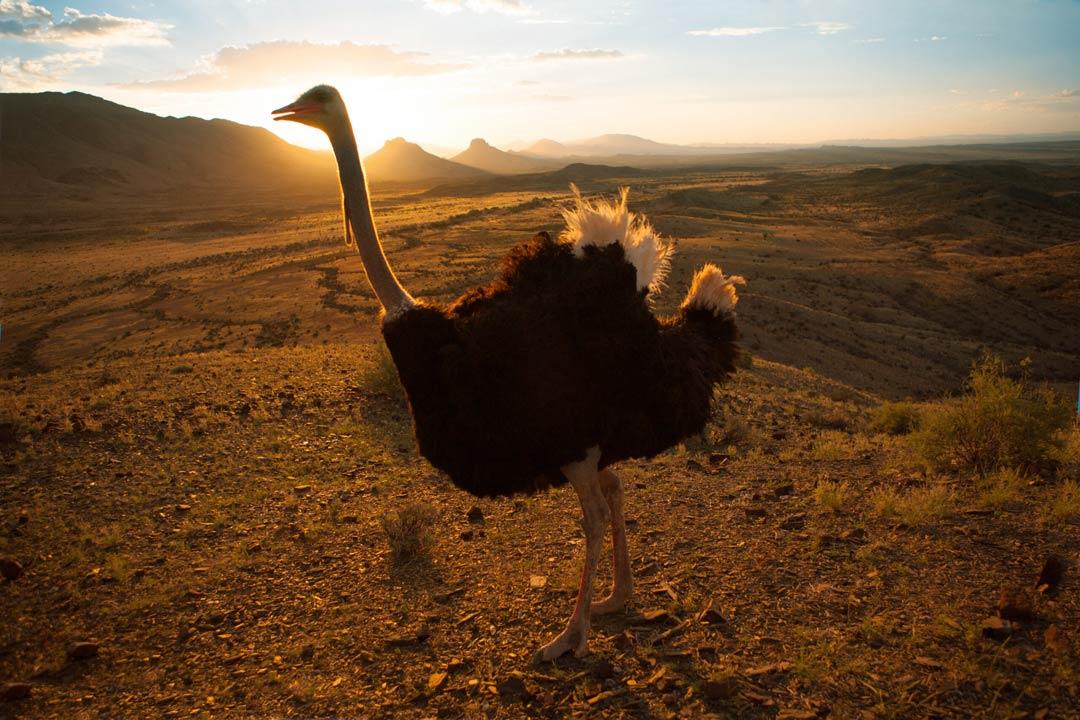
Very few people travel to South Africa with an ostrich as their primary objective. Instead, a mature cock is often added to a broader Plains Game Hunt, creating an opportunity to pursue one of Africa's most unusual trophies without extending the safari significantly.
An ostrich offers something completely different from traditional plains game. Stalking a eight-foot bird across open country presents its own challenges, while the trophy itself, from the striking feathers to the beautifully patterned skin, creates a lasting reminder of the hunt. Ostrich meat is also highly regarded, and it is not unusual for a successful hunt to end with ostrich steaks around the campfire that evening.
Choosing the right bird, however, is just as important as making a good shot. Mature breeding cocks play an important role during the nesting season, sharing incubation duties with the hens and protecting the nest. If a hunter encounters a cock actively sitting on eggs, an experienced Professional Hunter will often leave him undisturbed and continue looking for another mature bird. Respecting the breeding cycle helps ensure healthy populations while allowing hunters to pursue birds that are no longer actively contributing to nesting.
An ostrich often begins as an afterthought on the trophy list. By the end of the safari, it frequently becomes one of the hunts hunters talk about most.
Its size, speed, unpredictable behaviour and completely different style of hunting leave a lasting impression that few expect before arriving in Africa.
Available Ostrich Hunts
Family Hunting Adventure: Plains Game in Limpopo
Booking Season: 2026
Hunt Difficulty: Moderate
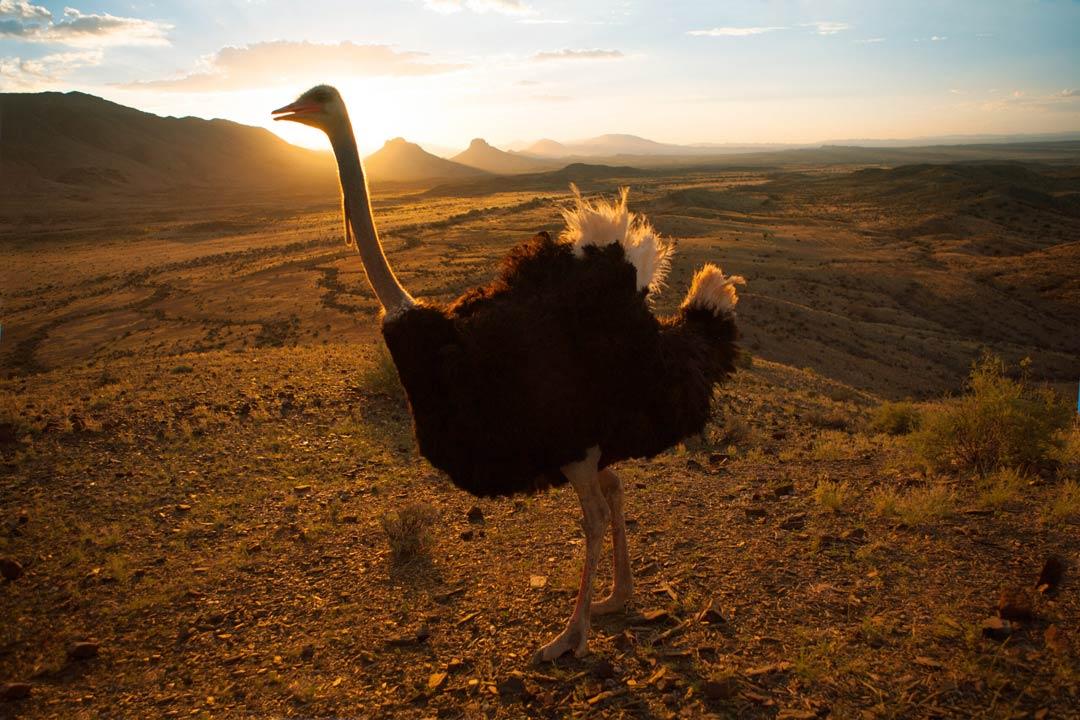
A mature cock ostrich may stand nearly eight feet tall, but that does not make it an easy animal to hunt.
Living in open country has made ostriches exceptionally alert. Their eyesight is remarkable, allowing them to detect movement at considerable distances, while their height gives them an excellent view across the surrounding landscape. A careless approach, the wrong wind or unnecessary movement is often enough to send a mature bird running long before a shot is possible.
Unlike stalking antelope through thick bush, ostrich hunting usually demands careful use of the terrain. Dry riverbeds, shallow depressions, scattered shrubs and changes in elevation become valuable cover as hunters work their way into range without being detected. Patience is often far more important than speed.
A mature cock can also cover ground surprisingly quickly. Although they usually avoid confrontation, breeding males become far more territorial and protective during the mating season. The bright red colouring that develops on their legs, neck and beak is a clear sign that breeding activity is underway, and aggressive behaviour becomes far more likely.
An angry ostrich is not something to underestimate. A large cock can deliver extremely powerful forward kicks with long, muscular legs, using the sharp claw on each foot to defend itself. Hunters should always follow the instructions of their Professional Hunter and avoid approaching a wounded bird too quickly. The hunt is not necessarily over when the shot is fired.
Respect earns respect in Africa, and an ostrich deserves every bit as much caution as many larger game animals.
One of the biggest mistakes first-time ostrich hunters make is assuming that such a large bird presents an equally large target. An ostrich's vital organs occupy a surprisingly small area, while the feathers create the illusion of a much larger body than actually exists.
That unusual body shape makes precise shot placement especially important. A rushed shot into a mass of feathers may not produce the quick, humane result every hunter is aiming for. Waiting for the correct presentation and following the guidance of a experienced Professional Hunter usually leads to a far better outcome.
Unlike most plains game species, an ostrich's anatomy is completely different, which is why understanding the correct aiming point before the hunt begins is so important. Reviewing our Shot Placement for Specialty Animals guide before arriving in camp provides a useful overview of the anatomy and shot placement considerations for species that differ significantly from traditional African plains game.
As with every ethical hunt, patience, preparation and shot discipline remain far more important than rushing an opportunity.
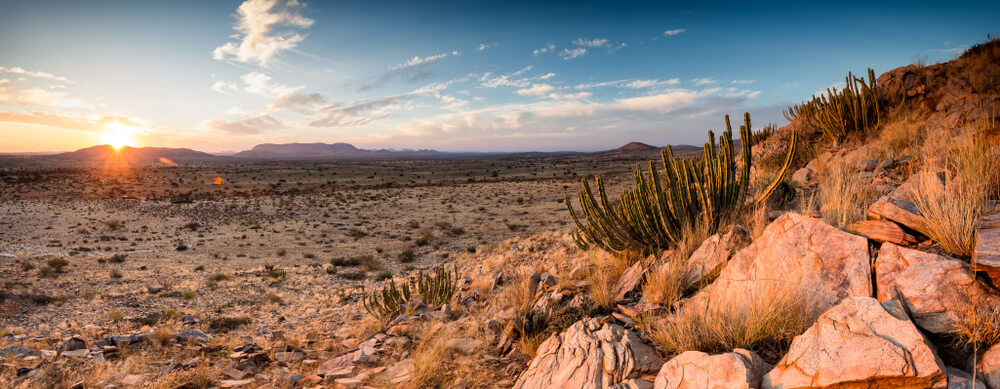
Hunters planning a safari and hunting in South Africa will find ostriches across several of the country's drier regions, where open visibility and lower rainfall create ideal habitat. Areas such as the Great Karoo, Eastern Cape, Northern Cape and parts of the Free State have long been associated with healthy ostrich populations and provide ideal hunting conditions.
These same semi-arid landscapes are also home to many of South Africa's iconic plains game species. It is not unusual for an ostrich hunt to be combined with Springbok Hunts or Gemsbok Hunts, as these animals naturally share much of the same habitat. The result is a varied safari that allows hunters to pursue several uniquely South African species during the same trip.
Ostriches are generally less common in the wetter bushveld regions of the country. Their feathers become heavy when soaked, prolonged wet conditions can affect their health, and the dense vegetation is far less suited to an animal that relies on exceptional eyesight and open ground to detect danger.
As always, local conditions, habitat quality and wildlife management have a far greater influence on hunting opportunities than provincial boundaries alone.
Unlike antelope, where horn length often becomes the focus, judging an ostrich is about maturity, feather condition and the overall appearance of the bird. A mature cock displays striking black-and-white plumage during the breeding season, together with the vivid red colouring that develops on the legs, neck and beak.
Age is often more important than simple body size. An experienced Professional Hunter can usually distinguish mature breeding cocks from younger birds by their appearance, behaviour and the condition of their plumage, helping hunters select an appropriate trophy while leaving younger birds to continue breeding.
Feather quality can also vary depending on the time of year. Worn or damaged feathers are not unusual outside the breeding season, which is one of the reasons hunters planning an ostrich safari often discuss timing with their outfitter before booking.
As with every African trophy, the most memorable birds are not always measured by size alone. A mature cock taken after a careful stalk across open country often becomes a trophy because of the hunt itself rather than any single physical measurement.
Compared with many African trophies, an ostrich hunt is usually an affordable addition to a South African safari. Most hunters do not book an entire safari around an ostrich alone. Instead, it is commonly added to a broader plains game package, allowing hunters to pursue a unique species without significantly increasing the overall cost of the trip.
As with all African hunting, prices vary between outfitters and hunting areas. Trophy fees, daily rates, accommodation, transport and taxidermy all contribute to the final cost, making it worthwhile to understand exactly what is included before confirming a booking. Reviewing typical African Hunting Safari Prices provides a useful starting point when planning a safari budget.
An ostrich also offers value beyond the trophy itself. The meat is excellent table fare, the hide produces some of the finest leather in the world and the feathers remain one of Africa's most distinctive natural trophies. Hunters often return home with far more than simply a mount for the trophy room.
Rather than judging an ostrich hunt by its trophy fee alone, it is often better to view it as part of a well-planned safari. Added to the right hunting area and combined with species that naturally occur alongside ostrich, it becomes one of the most memorable additions a hunter can make to a South African plains game safari.
An ostrich may never carry the reputation of a Cape buffalo or the striking horns of a gemsbok, but that is precisely what makes the hunt so memorable. It challenges hunters in completely different ways, rewarding patience, careful stalking and an understanding of an animal that many underestimate before arriving in Africa.
Added to the right safari, an ostrich hunt brings something unique to the experience. Whether sharing open country with springbok and gemsbok across the Karoo or becoming an unexpected highlight of a broader plains game safari, it often creates stories that are remembered long after the trophies have been mounted.
Like every successful African safari, the key lies in choosing the right hunting area, working with a reputable outfitter and building a hunt around the species and experiences that matter most to you. Well-planned African Hunting Trips are rarely remembered because of a single trophy. They are remembered because every part of the safari comes together to create something unforgettable.
An ostrich may begin as an addition to the trophy list, but it often leaves hunters with a new appreciation for one of Africa's most remarkable game animals.
Yes. Ostrich hunting is legal in South Africa when conducted on authorised hunting properties and in accordance with provincial hunting regulations. Hunters should always book through reputable outfitters who operate within the applicable wildlife laws.
Yes. Although their size can make them appear easy to stalk, ostriches have exceptional eyesight, impressive speed and spend much of their time in open country where approaching within range can be surprisingly challenging.
Absolutely. A mature breeding cock should always be treated with respect. During the breeding season, males become highly territorial and can deliver powerful forward kicks with their sharp claws that can cause serious injury. Hunters should always follow the guidance of their Professional Hunter, particularly when approaching a wounded bird.
Bright red colouring on the legs, neck and beak usually indicates a mature breeding cock during the breeding season. At this time males become more territorial, defend nesting areas and share incubation duties with the hens.
The best time depends on the hunting area and local conditions. Many hunters combine an ostrich hunt with a broader plains game safari during the cooler months, although experienced outfitters can also advise on the best time for feather condition and breeding activity.
Ostriches are most commonly hunted in South Africa's dry, open regions, including the Great Karoo, Eastern Cape, Northern Cape and parts of the Free State. These semi-arid areas provide ideal habitat and are often combined with springbok, gemsbok and other plains game hunts.
Most standard plains game calibres are perfectly suitable when combined with accurate shot placement. Because an ostrich's anatomy differs significantly from that of antelope, understanding the correct aiming point is usually far more important than choosing a larger calibre.
Yes. Ostrich are commonly hunted alongside springbok, gemsbok and a variety of other plains game species that naturally occur in the same habitat, making them an excellent addition to a South African hunting safari.
A mature breeding cock with well-developed black-and-white plumage is generally considered the most desirable trophy. Feather condition, maturity and the quality of the hunt usually matter far more than body size alone.
Yes. Many hunters choose a full-body mount because it captures the true scale of Africa's largest bird far better than a shoulder or partial mount ever could. A full mount also showcases the striking plumage, powerful legs and impressive claws that make mature cock ostriches such distinctive trophies.
Absolutely. Ostrich is widely regarded as one of Africa's finest game meats. It is lean, tender and naturally low in fat, with a rich flavour often compared to quality beef rather than poultry. Many hunters enjoy ostrich around the campfire after a successful hunt, making it one of the few African trophies that provides exceptional table fare as well as a memorable trophy.
Search from our range of Hunts across various popular destinations in Africa.

Book Your Hunt