Designed by Hunters, for Hunters

Red lechwe hunting in South Africa is quite different from what most people expect.
Although the species is traditionally associated with the floodplains of Zambia and Botswana, thriving populations have adapted exceptionally well to selected hunting areas across the country.
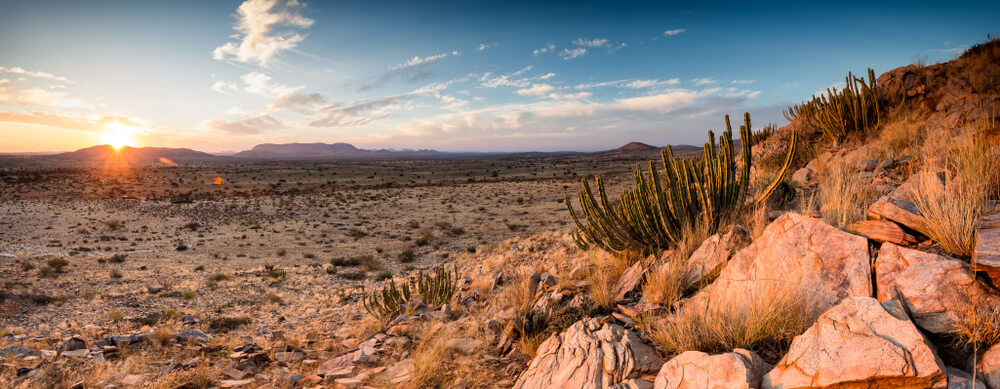
Today, red lechwe are regularly included as part of broader Plains Game Hunts, where they provide a unique addition to an already diverse safari. Depending on the property, the hunt may take place across open grasslands, around dams, seasonal pans and lightly wooded country rather than the wetlands many people imagine.
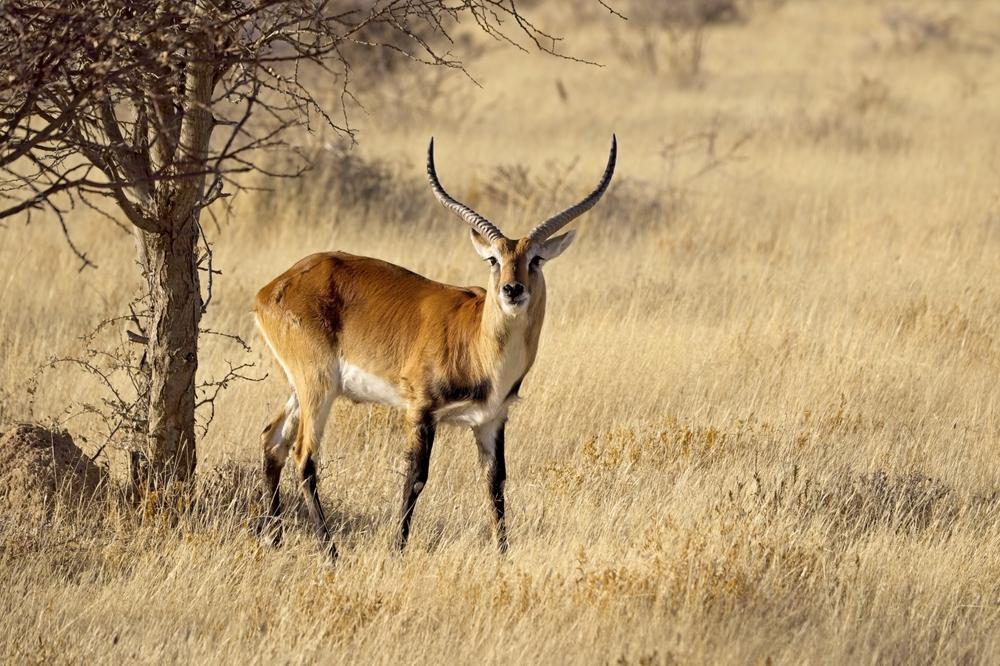
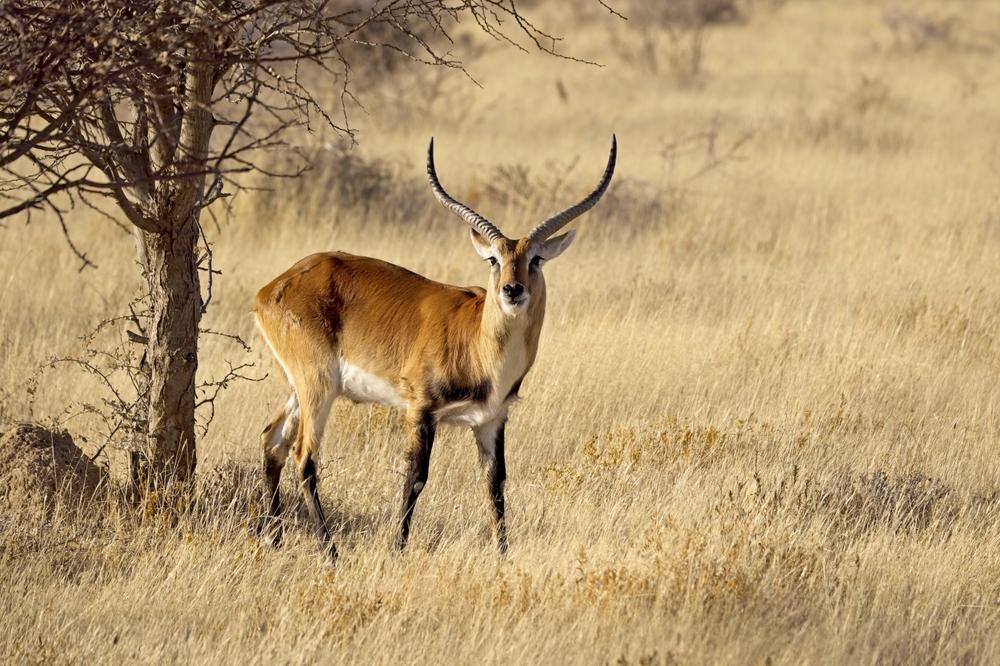
Their rich chestnut coat and elegant lyre-shaped horns make red lechwe one of Africa's most distinctive antelope. Yet appearance can be deceptive. A bull that looks impressive through the binoculars may be well short of the exceptional trophies produced on carefully managed properties. Taking the time to study several bulls before deciding often results in a far better trophy.
Property selection is equally important. Trophy quality, breeding programmes and long-term management vary considerably, making it worthwhile to look beyond trophy fees alone. A slightly higher-priced safari can represent far better value if it consistently produces mature bulls with exceptional horn length and overall character.
Although classified as a medium-sized antelope, red lechwe deserve the same respect as any African plains game species.
One of the biggest surprises about red lechwe hunting is how difficult trophy judging can be. Their elegant, sweeping horns create the impression of exceptional length, making it surprisingly easy to overestimate a bull while looking through binoculars or a riflescope.
Red lechwe have a remarkable ability to make average bulls look exceptional. Their sweeping horns and elegant appearance can be surprisingly deceptive, which is why experienced Professional Hunters rarely rush the decision. Spending time comparing several bulls often makes the difference between a good trophy and an outstanding one.
Exceptional red lechwe are defined by more than horn length alone. Heavy bases, good overall symmetry, strong lyre-shaped horns and the mature appearance of the bull all contribute to trophy quality. Taking a little more time before deciding is often one of the best investments a hunter can make.
Well-managed South African properties regularly produce outstanding trophies, but not every property offers the same genetics or age structure. Asking to see photographs of recent bulls taken on the property can provide valuable insight into the quality of animals being produced before booking a safari.
Red lechwe are naturally alert animals and seldom allow a careless approach. Although they are not usually hunted in extensive wetlands in South Africa, they still rely on open country, good visibility and their excellent eyesight to detect danger long before a hunter gets within range.
Finding a mature bull is only the beginning. Closing the distance without alerting the herd is where the real challenge begins. Using the terrain, vegetation and wind to remain undetected often determines whether the stalk ends with a shot or another long walk.
Unlike species that often disappear into thick bush, red lechwe are frequently encountered in more open country where patience becomes just as important as stealth. A rushed approach can send the entire herd moving long before a shot presents itself, often requiring the stalk to begin all over again.
When the opportunity finally comes, shots are usually taken at moderate distances across relatively open ground. Remaining calm and waiting for the right angle is just as important as getting within range, making accurate shot placement the key to a quick, ethical harvest.
Although red lechwe are classified as medium-sized antelope, they deserve the same respect as any African game species. Taking the time to understand Shot Placement for Medium Antelope before your safari helps ensure a quick, ethical harvest while preserving both the trophy and the quality of the venison.
Red lechwe may be available on a number of South African hunting properties, but the quality of the hunting can vary considerably. Genetics, breeding programmes, habitat, nutrition and the age structure of the herd all influence the quality of trophies produced over time.
Some properties focus on developing mature bulls with exceptional horn length, heavy bases and strong overall character. Others simply include red lechwe as another species on the price list without the same long-term emphasis on trophy quality. That distinction matters, particularly because these animals can be difficult to judge accurately until several bulls have been compared in the field.
Recent trophy photographs are therefore far more useful than broad claims about what a property can produce. They give hunters a realistic indication of the horn quality, maturity and consistency within the herd. It is also worth asking how old the bulls are when normally hunted, whether larger animals are regularly available and how the property manages younger males coming through the population.
Price alone can be misleading. A lower trophy fee may appear attractive, but it offers poor value if the available bulls are consistently below the quality a hunter hopes to take. A slightly more expensive property may prove the better choice when mature animals are carefully managed, and genuine trophy bulls are regularly produced.
The same applies when trophy fees increase according to horn length. Hunters should understand exactly where those price categories begin and what a bull in each class realistically looks like before the safari starts. A few inches can make a considerable difference to the final cost, making experienced field judging and clear communication with the Professional Hunter especially important.
A truly outstanding red lechwe is not measured by horn length alone. Maturity, symmetry, heavy bases, horn shape and the overall character of the bull all contribute to the finished trophy. Choosing the right property often has a far greater influence on the outcome of the hunt than any piece of equipment carried into the field.
South Africa offers something quite different from the traditional red lechwe destinations. Rather than planning an entire safari around a single species, hunters can pursue a mature red lechwe while enjoying one of Africa's most varied plains game safaris.
Depending on the property, a red lechwe hunt can naturally be combined with Springbok Hunts, Gemsbok Hunts, black wildebeest, blesbok, sable, waterbuck and numerous other plains game species. That flexibility allows hunters to build a varied safari without travelling between multiple hunting areas.
South Africa is also one of the few destinations where hunters can combine red lechwe with the famous Springbok Grand Slam. Pursuing the Common, Black, Copper and White Springbok during the same safari has become a popular challenge, adding another unique dimension to an already diverse plains game hunt.
The variety extends well beyond the species list. Hunters may glass open grasslands one day, stalk along the edge of seasonal pans the next and finish the safari pursuing mountain or bushveld species in completely different terrain. Few destinations allow so much diversity within a single hunting trip.
For collectors, South Africa provides an opportunity to add a distinctive antelope to the trophy room while steadily building a varied African collection. A safari that begins with the intention of hunting a single red lechwe often finishes with several memorable trophies and a far greater appreciation for the country's remarkable plains game hunting.
Red lechwe trophy fees vary between properties, with genetics, trophy quality and the overall standard of the hunting area all influencing the final price. Rather than comparing trophy fees alone, it is worth considering the quality of bulls regularly produced on the property and what is included in the overall safari.
A hunt that appears more expensive may ultimately represent better value if mature trophies are consistently available and the safari forms part of a well-managed plains game package. Likewise, unusually low trophy fees should always prompt questions about the age structure and overall quality of the breeding herd.
Some outfitters also structure trophy fees according to horn length, with larger bulls attracting progressively higher prices. Understanding those pricing brackets before the hunt begins is important, particularly if you are working within a fixed safari budget. A bull that measures only an inch or two more than expected can significantly increase the final trophy fee.
That additional cost may influence the rest of the safari. Hunters planning to pursue several species may discover that spending more than expected on a single trophy leaves less room in the budget for animals they had hoped to hunt later in the trip. Clear communication with your Professional Hunter before the stalk begins helps ensure everyone understands the trophy quality you are looking for and the budget you wish to stay within.
Comparing overall safari costs rather than individual trophy fees often provides a far more accurate picture of value. Our guide to African Hunting Safari Prices explains the factors that influence the cost of a safari and what international hunters should expect when planning a hunt in South Africa.
Yes. Red lechwe are successfully hunted on selected South African properties where healthy breeding populations have been established. Although the species is traditionally associated with Zambia and Botswana, South Africa now offers excellent opportunities to pursue mature trophy bulls.
Horn length is only part of the story. Mature age, heavy bases, good symmetry and strong lyre-shaped horns all contribute to trophy quality. Comparing several bulls before making a decision often results in a significantly better trophy.
Red lechwe rely on excellent eyesight and naturally favour open country where approaching undetected can be challenging. Successful hunts depend on patience, careful stalking and waiting for the right opportunity rather than rushing the approach.
Absolutely. One of the advantages of hunting red lechwe in South Africa is the opportunity to combine them with a wide variety of other plains game during the same safari. This flexibility allows hunters to build well-rounded African Hunting Trips without travelling between multiple hunting areas.
The cooler months, generally from April through September, provide excellent hunting conditions. Lower grass, improved visibility and milder temperatures make locating mature bulls and judging trophy quality considerably easier.
Red lechwe can be surprisingly deceptive in the field. Their sweeping horns often make average bulls appear larger than they really are. Taking the time to compare several animals and relying on the advice of an experienced Professional Hunter usually results in a far better trophy and helps avoid unnecessary increases in trophy fees where pricing is based on horn length.
Search from our range of Hunts across various popular destinations in Africa.

Book Your Hunt