Designed by Hunters, for Hunters

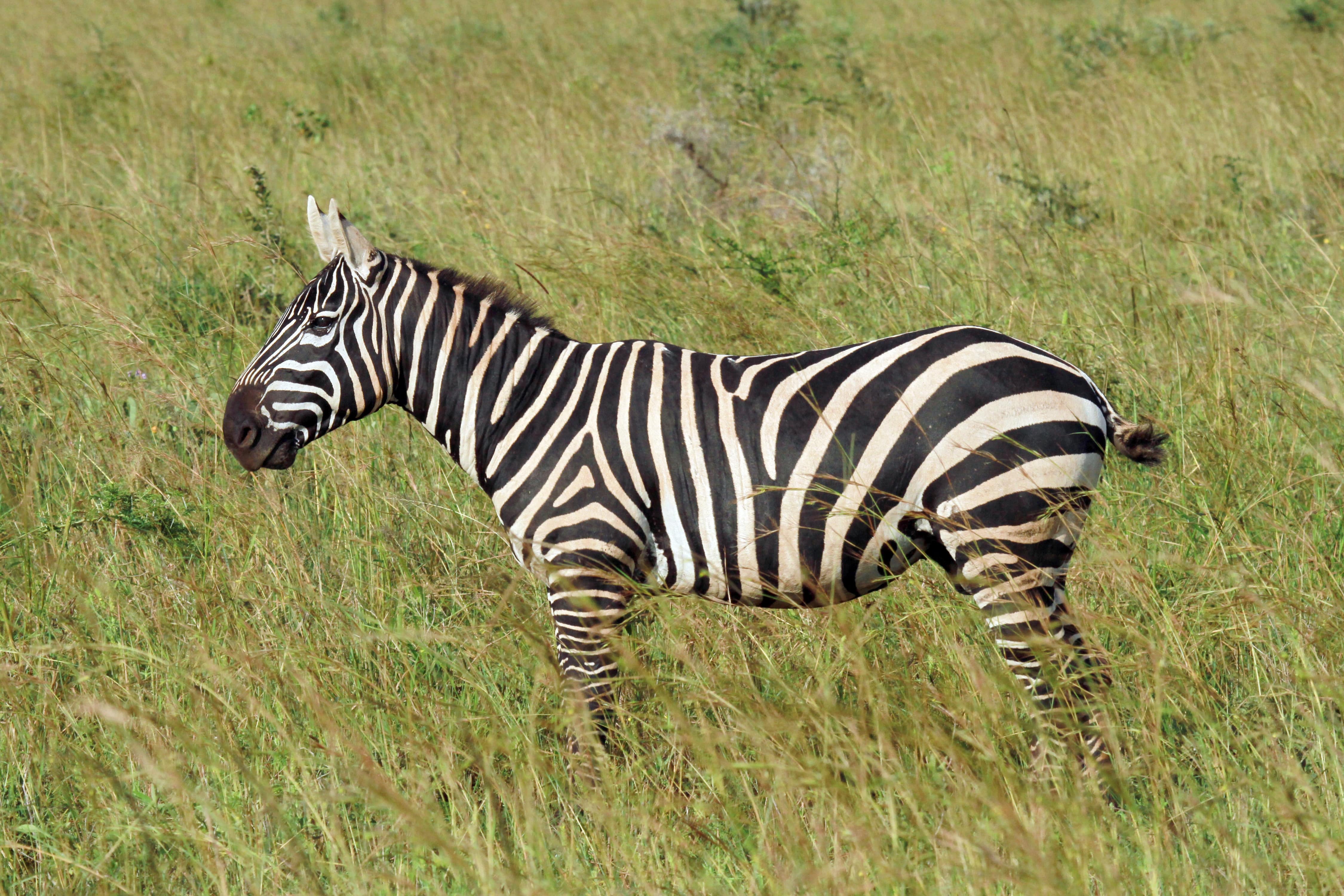
Zebra hunting in Uganda isn’t something most hunters plan for, and that’s not by accident.
Uganda does have wild zebra, mainly in areas like Lake Mburo and Kidepo Valley. But unlike southern Africa, where zebra are a standard plains game species, Uganda runs on a much tighter system. Hunting is limited, controlled, and built around a short list of approved species and specific concessions. Hunters interested in pursuing zebra are generally better served by established zebra hunts in southern Africa, where populations, quotas, and hunting opportunities are far more predictable.
Zebra sit outside that structure. They are present, but not part of the normal hunting offering. There’s another factor that matters just as much. In Uganda, wildlife is closely tied to conservation and tourism. Most zebra are found inside national parks or protected areas where hunting isn’t allowed. That alone removes any real opportunity.
So while zebra exist in Uganda, they don’t exist in a way that supports hunting. Understanding that upfront saves time, money, and bad planning decisions.
Short answer: no, not in any practical sense.
Uganda’s hunting industry is controlled by the Uganda Wildlife Authority (UWA). Everything runs through a quota system. If a species isn’t allocated, you can’t hunt it. Anyone considering hunting in Uganda should understand that species availability is determined by quotas and concession allocations rather than simply whether an animal exists in the country. It’s that simple. Zebra are almost never included. You might assume that because zebra are present, there’s a way to hunt them. On the ground, it doesn’t work like that. Most populations are inside national parks or conservation zones where hunting is off-limits.
Even in legal hunting areas, outfitters focus on species that are consistently available and clearly managed within the quota system. Zebra don’t fit that model.You won’t find them listed in standard safari packages. If they come up at all, it’s vague and uncertain.
Planning a hunt around zebra in Uganda isn’t realistic.
This is where Uganda becomes interesting. Not as a hunting destination, but as a place where zebra exist in a very different context.
Unlike southern Africa, where zebra are managed as a huntable resource, Uganda’s populations are tied almost entirely to conservation areas.
Boehm’s zebra are the main zebra found in Uganda. They’re a subspecies of the plains zebra and are well established across East Africa.
In Uganda, they’re most visible in Lake Mburo and Kidepo Valley. Both are national parks. Both are protected. These zebra live in open savanna and grassland where grazing is consistent and visibility is high. They move in structured herds and tend to stay within defined ranges rather than making long migrations.
Physically, they match what most hunters expect from a plains zebra. Strong striping, solid body size, and clear herd behavior. The issue isn’t numbers. It’s location.
These populations sit inside protected areas. There’s no overlap with hunting concessions. That alone takes them out of play.
This is a different case entirely. The Sudan maneless zebra is tied to northern Uganda and South Sudan. It’s adapted to drier, harsher terrain and has always existed in smaller, more fragmented populations.
The most obvious difference is the lack of a defined mane. It changes the entire profile of the animal, especially around the neck and shoulders. Some populations also show lighter striping, though that varies. These zebra don’t form large, stable herds like plains zebra in southern Africa. Movement is driven by survival conditions, not abundance.
They’ve also become harder to find over time. Habitat pressure, instability in the region, and conservation priorities have all played a role.
From a hunting standpoint, they don’t factor in at all. They’re not managed as a huntable species and are not part of any quota system, nor are they something an outfitter can offer.
You’re more likely to see them referenced in research or conservation work than in any safari context.
This isn’t just background information. It explains the situation clearly.
The main zebra population in Uganda lives inside national parks where hunting is not allowed. The rarer forms exist in limited, fragmented ranges and aren’t part of any hunting system. So the issue isn’t just regulation. It’s geography and management.
Zebra are there, but not in the right places, and not under the right conditions. The areas where they are most stable and visible are protected, while the areas where hunting is permitted don’t hold meaningful populations. That disconnect is what matters. It means zebra can’t be planned for in any reliable way, even though they exist in the country.
For a hunter, that changes everything. It’s the difference between knowing a species is present and knowing it can actually be hunted.
Uganda has wildlife. It has habitat. It even has a functioning hunting framework. But those pieces don’t line up for zebra. Hunters looking for traditional plains game hunts are usually better served by destinations where species availability, quotas, and hunting opportunities are more predictable.
The hunting industry is small and tightly controlled. Every species has to be part of an approved quota system. If it’s not on that list, it doesn’t exist from a hunting standpoint. Zebra rarely appear on that list.
At the same time, the strongest zebra populations are inside national parks. Lake Mburo and Kidepo are prime examples. These are conservation and tourism areas. Hunting doesn’t happen there. So you end up with a simple disconnect. The animals are in protected areas. The hunting areas don’t have zebra. That’s the reality.
If zebra are on your list, you need to look further south. Namibia is one of the most consistent options. Zebra are widely available, populations are stable, and the hunting system is well structured. Many hunters also combine zebra with hunting kudu in Namibia, creating a classic plains game safari that offers excellent variety and trophy quality. You know what you’re getting before you arrive.
South Africa is the most accessible. Travel is easier, outfitters are everywhere, and zebra are commonly included in plains game packages. It’s a practical choice, especially for a first safari.
Zimbabwe offers something different. Larger areas, less development, and a more traditional hunting environment. Zebra are often taken as part of broader safaris, sometimes alongside dangerous game.
All three countries share something Uganda doesn’t when it comes to zebra: reliability. You can plan the hunt, book it, and expect it to happen.
In Uganda, zebra hunting isn’t part of the normal structure. There’s no clear pricing, no standard packages, and no consistency. Even discussing it usually leads to uncertainty.
Southern Africa is the opposite. Zebra are built into the system. Trophy fees are set. Availability is predictable. Outfitters run operations that depend on delivering results.
That difference matters. Most hunters don’t want to guess. They want to plan, show up, and hunt. That’s why zebra hunts happen in Namibia, South Africa, and Zimbabwe, not Uganda.
For U.S.-based hunters, there’s another layer to consider: import and record value. Zebra are one of the more straightforward African species to bring back into the United States. Plains zebra are widely accepted for import, and hides, rugs, and shoulder mounts are common in trophy rooms.
From a collector’s perspective, consistency matters. You want a clean, well-marked animal, taken legally, with proper documentation and export handled correctly.
That’s another reason southern Africa stands out.
Outfitters in Namibia, South Africa, and Zimbabwe deal with U.S. hunters regularly. They understand export requirements, taxidermy standards, and shipping logistics. The process is established.
If you’re building a collection or planning a first plains game safari from the U.S., zebra are a solid choice. Just not in Uganda.
Uganda still has value as a hunting destination. It offers a different kind of experience. Fewer species, more selective hunting, and a stronger link to conservation areas. The pace is different. The feel is different. Some hunters prefer that.
But it’s not a place to build a plains game list, and it’s not where you go for zebra. Zebra are part of the landscape. They’re just not part of the hunt.
Zebra exist in Uganda. That’s not the issue. The issue is access.
They live in protected areas. They’re not part of the quota system. They’re not offered by outfitters. So while Uganda can offer a solid safari experience, zebra hunting isn’t part of it.
If zebra are on your list, focus on destinations that support dedicated zebra hunts through established quotas and reliable hunting opportunities. Southern Africa does. Uganda doesn’t.
Search from our range of Hunts across various popular destinations in Africa.

Book Your Hunt