
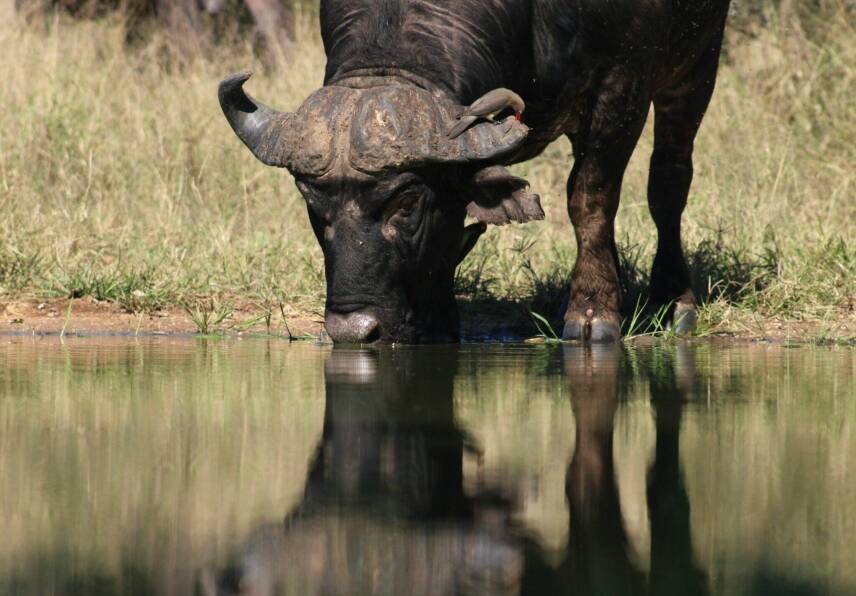
Cape buffalo hunting in Africa remains one of the most respected and demanding dangerous game experiences available to international hunters. Unlike many traditional big game hunts, buffalo hunting combines close-range tracking, unpredictable behavior, physical endurance, and split-second decision-making in thick African bushveld.
For many hunters traveling from the United States, a Cape buffalo safari represents years of planning and ambition finally coming together. Choosing the right hunting area, professional hunter, and safari style can shape the experience just as much as the animal itself. Understanding the differences between hunting in Zimbabwe, Mozambique, Tanzania, or South Africa is often one of the first major decisions hunters must make before booking.
In many regions of Southern Africa, Cape buffalo are hunted alongside other iconic dangerous game species, making these safaris part of a broader African hunting tradition built around preparation, discipline, and respect for the environment. Hunters considering these experiences often spend considerable time researching dangerous game hunting safaris, comparing destinations, and learning what separates free-range buffalo areas from more controlled hunting environments.
What makes Cape buffalo so respected is not simply their size or reputation. Mature bulls are intelligent, resilient, and capable of disappearing into thick cover within seconds. A poorly judged approach or rushed shot can quickly change the tone of a hunt, which is why experienced professional hunters place enormous emphasis on patience, positioning, and communication throughout the safari.
This guide explores some of the best Cape buffalo hunting destinations in Africa, what hunters should realistically expect from the experience, how safari structures differ between countries, and the practical realities that first-time buffalo hunters should understand before making a final decision.
[DYNAMIC-BLOGTABLEOFCONTENT]
What Draws Hunters To Cape Buffalo Safaris
Few dangerous game animals create the same level of intensity as the African Cape buffalo. Among professional hunters and experienced international sportsmen, buffalo are widely considered one of the most demanding animals to pursue consistently and ethically in thick African terrain.
Unlike many plains game safaris where longer shots across open country are more common, Cape buffalo hunting usually unfolds at close range in dense bushveld, riverine cover, or mopane woodland. Hunters may spend hours tracking spoor on foot before finally getting a brief opportunity on a mature bull.
Part of what makes Cape buffalo hunting so memorable is how quickly situations can change in the field. Mature bulls are known for slipping into thick cover, reacting sharply when pressured, and using terrain to their advantage. This combination of awareness, resilience, and raw physical power is a major reason buffalo remain central to dangerous game hunting in Africa.
For many visiting hunters, a buffalo safari also represents something beyond the pursuit of a single animal. It reflects a more traditional African hunting experience built around tracking, patience, teamwork, communication, and fieldcraft rather than distance shooting alone.
What Makes Cape Buffalo Hunting Different From Other Safaris
Cape buffalo hunting differs significantly from many traditional African plains game safaris because encounters often unfold at close range in thick cover under constantly changing conditions. Hunters may spend hours tracking spoor on foot through mopane bush, river systems, or dense vegetation before finally getting an opportunity on a mature bull.
Unlike open-country hunting where longer shots are more common, buffalo hunting places far greater emphasis on positioning, communication, patience, and understanding animal behavior under pressure. Professional hunters carefully manage wind direction, herd movement, visibility, shooting angles, and follow-up procedures throughout the safari.
Part of what makes Cape buffalo hunting safaris so respected is the unpredictability of the experience itself. Mature bulls are known for using thick cover intelligently, circling back when pressured, and disappearing into dense bush within seconds. This combination of resilience, awareness, and raw physical power is why buffalo remain one of the cornerstone species within dangerous game hunting safaris in Africa.
Buffalo safaris also differ significantly between countries, hunting concessions, terrain types, and management styles. Some areas focus on large free-range wilderness experiences with long tracking days, while others operate in more structured environments with different logistical setups and accessibility for international hunters.
For many hunters, selecting the right destination becomes just as important as the hunt itself. Hunters comparing Cape buffalo hunting safaris in Africa often evaluate terrain difficulty, herd density, safari duration, accommodation standards, travel logistics, and whether additional dangerous game or plains game species can be included during the hunt.
Ultimately, the best buffalo safaris are rarely remembered only for horn size. They are remembered for the tracking, the atmosphere of the bush, the professionalism of the hunting team, and the intensity of finally standing within range of one of Africa’s most dangerous game animals.
Where To Hunt Cape Buffalo in Africa
Choosing the right destination is one of the most important parts of planning a Cape buffalo safari. Some hunters prioritize remote wilderness areas and long tracking hunts, while others prefer more structured safari environments with easier travel logistics.
South Africa
For hunters seeking accessibility, established infrastructure, and professionally managed safari operations, buffalo hunting in South Africa remains one of the most popular options. South Africa offers a wide variety of hunting properties, experienced outfitters, and flexible safari packages suited to both first-time and returning dangerous game hunters.
Tanzania
For hunters wanting large wilderness concessions and classic East African safari atmosphere, hunting in Tanzania offers some of the continent’s most respected free-range buffalo experiences. Tracking conditions are often physically demanding, but the scale and authenticity of these hunting areas attract experienced dangerous game hunters from around the world.
Zimbabwe
Among experienced buffalo hunters, hunting in Zimbabwe is widely respected for its traditional safari style, strong professional hunting culture, and challenging tracking conditions. Areas surrounding Hwange, the Zambezi Valley, and the Save Conservancy continue to produce outstanding buffalo hunting opportunities. Many Zimbabwe buffalo safaris also allow hunters to combine dangerous game with traditional plains game hunts, creating a broader safari experience across diverse terrain and species.
Mozambique
Mozambique appeals to hunters seeking more remote and less commercialized safari experiences. In regions surrounding the Zambezi Delta and northern concessions, buffalo hunting often involves wild terrain, lower hunting pressure, and highly authentic dangerous game conditions that appeal to adventurous international hunters.
Beyond Southern Africa: Alternative Buffalo Hunting Destinations
While Southern African countries dominate most Cape buffalo safari discussions, experienced hunters sometimes explore more specialized destinations offering very different hunting environments and buffalo subspecies.
In countries such as Uganda and Cameroon, hunters may pursue forest buffalo in dense jungle and rainforest terrain rather than open bushveld or savannah systems. These safaris differ significantly from traditional Southern African buffalo hunts, often involving shorter visibility, physically demanding tracking conditions, and entirely different hunting atmospheres.
For hunters interested in more remote and unconventional safari experiences, hunting in Uganda and hunting in Cameroon provide opportunities to explore regions less commonly discussed in mainstream buffalo hunting circles. These areas are typically suited to experienced hunters seeking a broader understanding of African dangerous game hunting beyond the more traditional Southern African safari model.
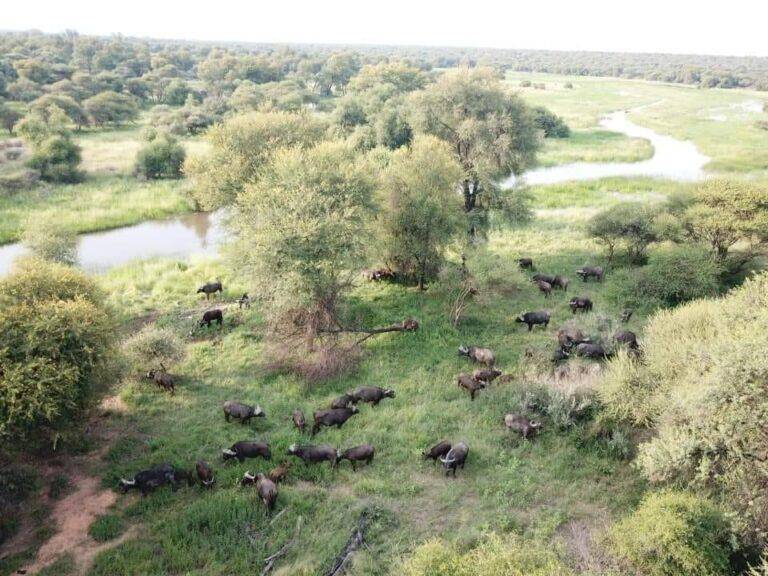
What A Typical Buffalo Safari Looks Like
Most Cape buffalo safari days begin well before sunrise. Hunters often leave camp early to check roads, water sources, or fresh spoor before temperatures rise and buffalo retreat deeper into cover.
Tracking may continue for several hours on foot, sometimes with only brief glimpses of movement through thick bushveld or river systems. Professional hunters, trackers, and clients usually communicate quietly and minimally once fresh tracks are located.
Not every day ends with a shot opportunity. Some hunts involve long periods of tracking, repositioning, or backing away from nervous herds when conditions are unfavorable. Wind direction, visibility, herd movement, and shooting angles all influence how the day unfolds.
For many hunters, this slower pace becomes one of the most rewarding parts of the safari. Buffalo hunting is often remembered less for the final shot itself and more for the process of tracking mature bulls through wild African terrain.
What Hunters Should Expect In The Field
Cape buffalo hunting is physically and mentally different from many other African safaris. Days often begin before sunrise, with trackers searching roads, riverbeds, and soft ground for fresh spoor before temperatures rise and buffalo retreat deeper into cover.
Once fresh tracks are located, much of the hunt unfolds slowly on foot through thick bushveld, mopane woodland, or river systems. Wind direction, herd movement, visibility, and communication between trackers and professional hunters all become critical as the distance closes.
Most buffalo encounters happen at relatively close range compared to many plains game hunts. Hunters are often shooting from sticks or improvised positions under genuine pressure, which is why preparation beforehand matters so much. Practicing calmly from standing positions and understanding how dangerous game situations develop in real hunting conditions can make a significant difference once opportunities finally appear.
Equipment selection also plays an important role. Most professional hunters recommend a minimum caliber of .375 H&H for Cape buffalo, while many experienced hunters prefer larger calibers such as .416 or .458 for additional stopping power during follow-up situations.
Equally important is understanding proper Cape buffalo shot placement and follow-up strategy before arriving in Africa. Buffalo are incredibly resilient animals, and even well-placed shots may require immediate follow-up work in thick cover under close supervision from experienced professional hunters.
Bow hunting remains an option in certain areas for hunters seeking an even more demanding challenge. These safaris typically involve close-range encounters near waterholes or carefully managed stalking opportunities where patience, shot discipline, and precise arrow placement become absolutely critical.
For many international hunters, the experience is ultimately remembered less for the final shot itself and more for the intensity of the tracking process, the teamwork between trackers and PHs, and the atmosphere of moving quietly through wild African terrain while following one of the continent’s most respected dangerous game animals.
When Not To Take The Shot
One of the biggest misconceptions about Cape buffalo hunting is that every close encounter ends with an immediate shot opportunity.
In reality, experienced professional hunters often back away from situations where visibility, wind direction, herd positioning, or shooting angles are not ideal. Buffalo may move into thick cover, position themselves behind other animals, or simply present poor angles that increase the risk of wounding.
For many first-time hunters, one of the most surprising parts of a buffalo safari is learning how much patience and restraint are involved in the process.
A mature bull may take hours — or even days — to approach correctly under safe and ethical conditions. Some opportunities are deliberately passed up because experienced PHs understand how quickly poor decisions can create dangerous follow-up situations in dense bush.
This is one of the reasons Cape buffalo hunting differs so significantly from many other hunting experiences around the world. Success is often determined less by speed and more by judgment, communication, and knowing when not to force an opportunity.
For many experienced hunters, the discipline to wait for the right shot often becomes just as important as the shot itself.
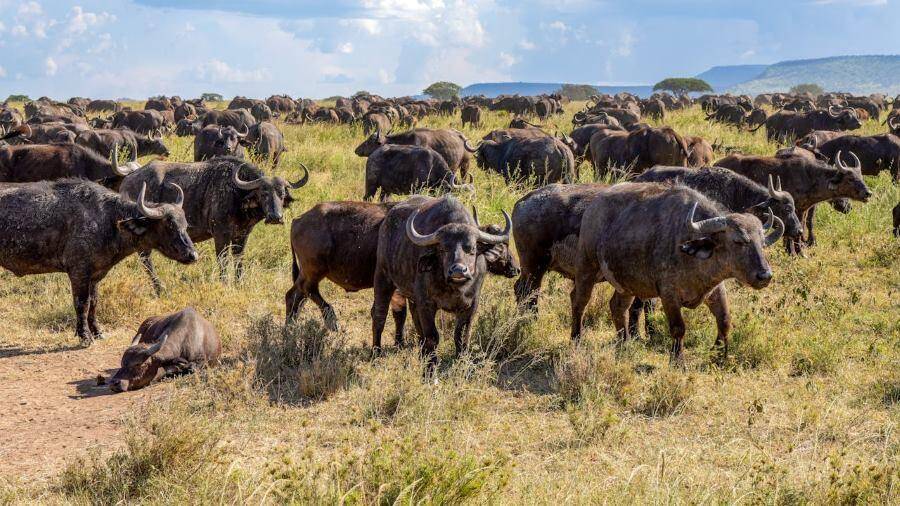
What American Hunters Should Know About Cape Buffalo Safari Costs
For many American hunters, planning a Cape buffalo safari involves far more than comparing trophy fees alone. International airfare, firearm permits, trophy shipping, taxidermy, observer costs, charter flights, and daily rates can all influence the final cost of a buffalo hunt in Africa.
Cape buffalo hunting packages vary significantly between countries and safari styles. Some hunters prioritize remote free-range wilderness areas with longer tracking days and fewer hunting pressures, while others prefer more structured safari environments with easier travel logistics and shorter travel times from the United States.
In destinations such as South Africa, buffalo safaris are often more accessible for first-time dangerous game hunters due to established infrastructure and flexible package options. In more remote countries such as Tanzania or Mozambique, safari costs may increase because of concession fees, charter access, longer safari durations, and logistical complexity.
Many hunters also choose to combine buffalo hunts with additional species such as kudu, plains game, crocodile, or other dangerous game animals to maximize the overall safari experience. These combination safaris can create a more diverse and rewarding hunt while also affecting total safari pricing and hunt duration.
Before booking, hunters should understand exactly what is included within a safari package, how trophy fees are structured, what permit requirements apply, and how payment schedules are handled internationally. Working with experienced outfitters who communicate transparently about costs and expectations often becomes just as important as selecting the destination itself.
Many first-time international hunters also spend time researching how safari deposits, payment schedules, escrow arrangements, and financial protection work before committing to a hunt abroad. Understanding how African hunting safari payments and booking protection work can help reduce unnecessary stress during the planning process.
Ethical Hunting And Long-Term Conservation
Ethical hunting practices remain central to sustainable Cape buffalo hunting in Africa. Responsible safari operators work within regulated quotas, target mature bulls responsibly, and support local conservation systems that help preserve wildlife habitat and rural hunting economies.
Experienced professional hunters also place strong emphasis on respect for the animal, proper shot placement, disciplined follow-up procedures, and maintaining realistic hunting expectations in the field.
For many hunters, the long-term value of a buffalo safari comes not simply from the trophy itself, but from participating in an authentic African hunting tradition built around conservation, responsibility, and respect for dangerous game animals.

Final Thoughts On Planning A Cape Buffalo Safari
Cape buffalo hunting in Africa remains one of the most respected dangerous game experiences available to international hunters. Beyond the trophy itself, these safaris are often remembered for the tracking, the pressure of close-range encounters, the professionalism of experienced PHs and trackers, and the atmosphere of moving through truly wild country where every decision matters.
No two buffalo safaris are exactly alike. Terrain, hunting style, herd behavior, travel logistics, and safari structure can vary dramatically between countries and concessions. For many American hunters, choosing the right destination and understanding what type of buffalo experience they truly want becomes just as important as the hunt itself.
The most rewarding Cape buffalo safaris are rarely built around urgency or unrealistic expectations. They are built around preparation, patience, communication, and working with experienced hunting teams who understand both the challenges and responsibilities that come with dangerous game hunting in Africa.
Hunters wanting a broader understanding of complete guide for U.S. hunters or what happens on a real Cape buffalo hunt should continue researching the realities behind these safaris before making final booking decisions.
For many hunters, that research process ultimately becomes part of the experience itself.
Frequently Asked Questions
What is the best country for Cape buffalo hunting in Africa?
The best destination depends on the type of safari experience a hunter is seeking. Zimbabwe and Tanzania are often favored for traditional free-range dangerous game safaris, while South Africa is popular for its accessibility, established infrastructure, and flexible buffalo hunting packages. Mozambique appeals to hunters wanting more remote and less commercialized hunting areas.
How much does a Cape buffalo hunting safari cost?
Cape buffalo hunting safari costs vary significantly depending on destination, safari duration, travel logistics, trophy fees, and accommodation standards. Many hunts start around $10,000 USD, while remote wilderness safaris in countries such as Tanzania or Mozambique can cost considerably more once charter flights, permits, and additional species are included.
What caliber is recommended for Cape buffalo hunting?
Most professional hunters recommend a minimum caliber of .375 H&H for Cape buffalo hunting. Larger calibers such as .416 or .458 are also commonly used, particularly for hunters wanting additional stopping power during close-range dangerous game encounters and follow-up situations.
Can American hunters combine Cape buffalo with other African species?
Yes. Many American hunters combine Cape buffalo safaris with plains game species such as kudu, gemsbok, or impala, while others include additional dangerous game depending on the country, licensing structures, and safari package. Combination safaris are especially common in Southern Africa and often provide a broader overall hunting experience.
About the Author
Pierre van Wyk is the co-founder of Game Hunting Safaris and has hunted Cape buffalo across Namibia, South Africa, and Mozambique. Having participated in dangerous game hunts throughout Southern Africa, he brings practical field knowledge to topics involving buffalo behavior, safari preparation, tracking conditions, and African hunting logistics.