
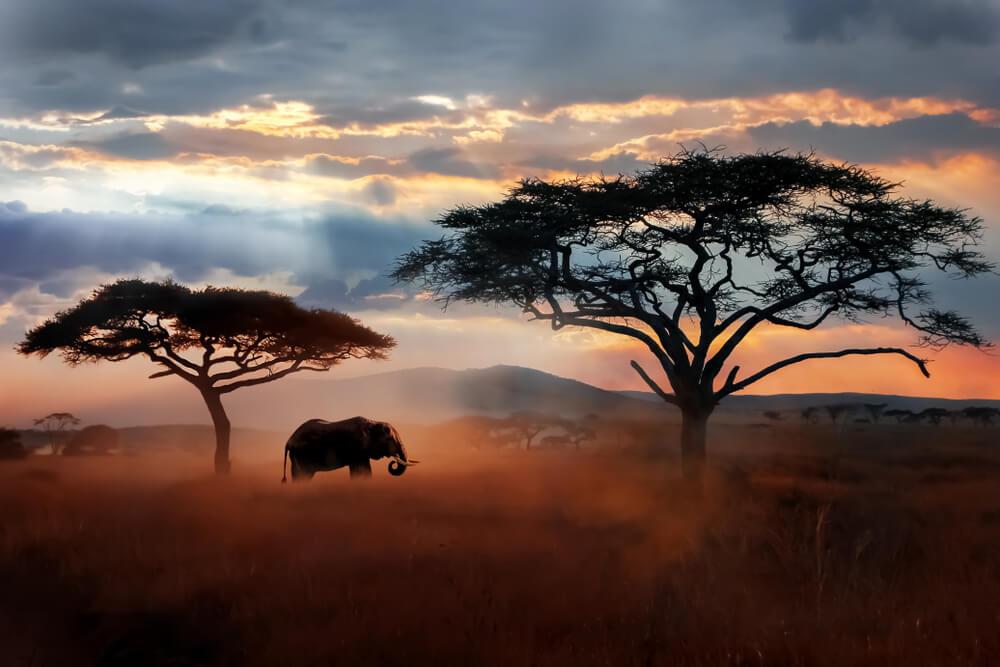
American hunters planning their first African safari often begin with the same question: which country offers the best big game hunting? There is no single correct answer. Every destination offers a different combination of wildlife, hunting traditions, terrain and safari style, from South Africa's exceptional species diversity to Zimbabwe's legendary buffalo safaris, Tanzania's vast wilderness concessions and Mozambique's remote, untamed hunting areas.
Choosing the right destination starts with understanding the kind of safari you want to experience. Some hunters dream of tracking Cape buffalo through thick jesse bush, while others hope to pursue elephant across expansive wilderness areas or combine several iconic dangerous game species during a single hunt. This guide compares Africa's leading hunting destinations to help you choose the country that best matches your hunting objectives and serves as a practical introduction to Big Game Hunting in Africa.
[DYNAMIC-BLOGTABLEOFCONTENT]
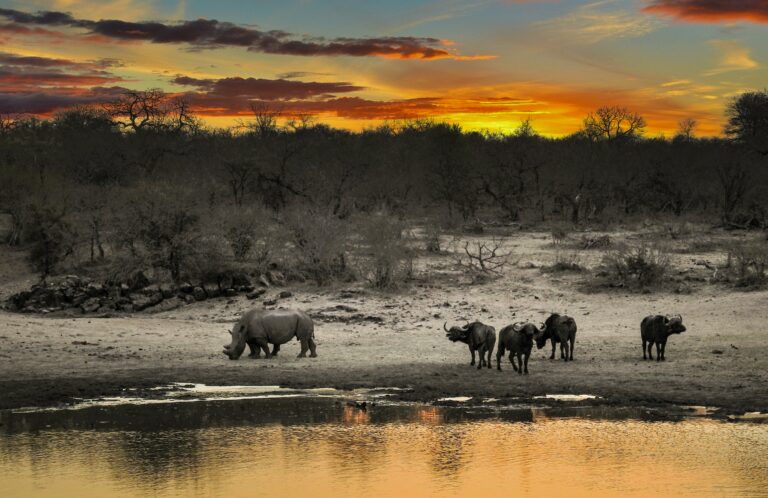
There is No "Best" Country for Big Game Hunting
Choosing the best country for big game hunting is much like choosing the right rifle, there is no single answer that suits every hunter. The ideal destination depends on your experience, the species you hope to pursue, your budget, the amount of time available and, perhaps most importantly, the type of safari you want to experience.
A first-time visitor to Africa may value a destination offering a wide variety of species, excellent infrastructure and the opportunity to combine dangerous game with plains game during a single safari. An experienced hunter returning for a fifth or sixth trip may instead be looking for vast wilderness concessions, traditional tracking safaris or the challenge of pursuing one particular species in its natural habitat.
The best destination is therefore not the one with the longest species list or the biggest trophies. It is the country that best matches your hunting objectives. Understanding those differences is the key to planning a safari that meets your expectations long before you step onto African soil.
What Should Influence Your Choice of Country?
Choosing the right country for a big game hunting safari involves far more than deciding which species you would like to pursue. Every destination offers a different style of safari, and understanding those differences will help you select a hunt that matches your expectations long before you arrive in Africa.
If this is your first African safari, you may appreciate a destination offering excellent infrastructure, experienced professional hunters and the opportunity to pursue a wide variety of species during a single trip. Hunters returning to Africa often have different priorities, preferring vast wilderness concessions, traditional tracking safaris or focusing on a single iconic species such as those featured in Cape Buffalo Hunts.
Terrain should also influence your decision. Tracking buffalo through Zimbabwe's thick jesse bush is a very different experience from hunting Tanzania's open miombo woodlands or Namibia's rugged mountains and semi-desert landscapes. Every country presents its own challenges, hunting techniques and pace, making no two safaris exactly alike.
Time and budget are equally important considerations. Some destinations are ideal for shorter safaris combining several species, while others reward hunters who can spend ten to fourteen days pursuing one mature animal across vast free-range hunting concessions. Travel logistics, charter flights and seasonal conditions may also influence which destination offers the best overall value.
Ultimately, there is no perfect destination for every hunter. The best country is the one that matches your hunting objectives, preferred hunting style and the type of African safari you have always imagined.
How to Choose the Right Country for Your Hunting Goals
Every hunter arrives in Africa with a different goal, which is why no single destination can be considered the best for everyone. Some hunters are planning their very first safari and want to experience as many iconic species as possible, while others are returning specifically to pursue one mature dangerous game animal after years of preparation.
Hunters seeking variety often favour destinations where dangerous game and plains game can be combined during the same safari, allowing them to experience several different hunting styles in a single trip. Others are willing to spend ten or more days pursuing one mature buffalo, elephant or leopard, knowing that the challenge of hunting a single animal is often what makes the safari so memorable.
Your preferred hunting style should also influence your decision. Some countries are renowned for traditional tracking safaris through vast free-range concessions, while others offer exceptional opportunities for spot-and-stalk hunting across mountains, savannas or thick bushveld. Travel time, budget, accommodation standards and the length of your safari all play an important role in deciding which destination is the best fit.
Once you understand your own hunting objectives, comparing Africa's leading hunting destinations becomes far easier. Rather than asking which country is the best, the better question becomes: which country is the best for the safari you want to experience?
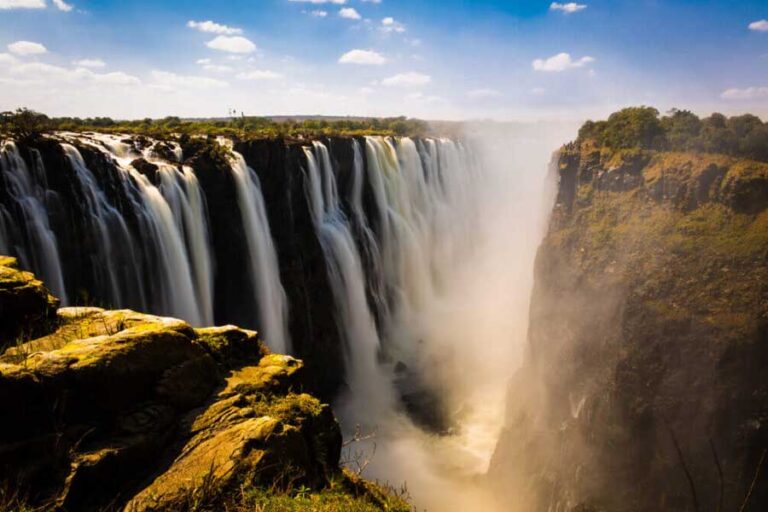
Exploring Africa's Leading Big Game Hunting Destinations
Every African hunting destination has earned its reputation for a different reason. Some are renowned for vast free-range wilderness and traditional tracking safaris, while others offer exceptional species diversity, outstanding trophy quality or the opportunity to combine dangerous game and plains game during a single hunt. Choosing between them is often the first step in planning successful Hunting Trips to Africa.
The following destinations represent some of Africa's finest big game hunting countries. Each offers its own hunting traditions, terrain and challenges, making the decision less about which country is the "best" and more about which destination best matches the safari you have always imagined.
South Africa: Variety, Accessibility and Outstanding Trophy Selection
South Africa has introduced more international hunters to Africa than any other destination on the continent, and for good reason. It offers an exceptional combination of species diversity, modern infrastructure and professionally managed hunting operations, making it an excellent choice for both first-time visitors and experienced hunters returning to Africa.
One of South Africa's greatest strengths is the sheer variety of game available. Many hunting areas allow hunters to pursue dangerous game alongside an extensive selection of plains game during the same safari, making it possible to collect several quality trophies without travelling between concessions. Hunters looking to maximise species diversity during a single trip will struggle to find another destination offering so many opportunities.
South Africa is also particularly attractive to trophy collectors. In addition to outstanding representatives of Africa's traditional plains game, hunters can pursue a wide range of naturally occurring colour variants, including golden wildebeest, king wildebeest, white blesbok and black impala where available. The country also offers the opportunity to complete sought-after collections such as the Blue and Black Wildebeest Grand Slam or the various springbok colour variants, making it a popular destination for hunters returning to Africa to build specialised trophy collections.
Hunters should also understand that South Africa offers both free-range and managed hunting areas. While some concessions cover enormous tracts of bushveld where game moves naturally, many trophy hunts take place on privately owned properties enclosed by game fencing. These professionally managed operations support healthy wildlife populations and often produce exceptional trophy quality, with pricing for species such as Cape buffalo, sable and roan frequently reflecting horn size or trophy class.
Excellent international flight connections, comfortable safari lodges and relatively short travel times between hunting areas make South Africa one of the easiest African destinations to plan. Whether your goal is a first dangerous game safari, a mixed plains game hunt or expanding an existing trophy collection, South Africa offers one of the widest selections of hunting opportunities available anywhere on the continent. Hunters looking for a broader overview of available areas, species and safari options can also explore Hunting in South Africa before deciding which region best matches their hunting objectives.
Namibia: Vast Landscapes and Exceptional Plains Game
A Namibia hunting safari appeals to hunters looking for wide open spaces, low hunting pressure and some of Africa's finest plains game trophies. The country's rugged mountains, semi-desert landscapes and expansive cattle ranches create a style of hunting that feels very different from anywhere else in southern Africa, rewarding patience, accurate shooting and careful spot-and-stalk hunting.
Namibia has earned an international reputation for producing exceptional trophies of gemsbok (oryx), Hartmann's mountain zebra, springbok, kudu and other iconic plains game species. Many hunts take place on large privately owned properties, while conservancies and free-range hunting areas provide a more traditional safari in certain regions. Hunters should understand that, much like South Africa, a significant proportion of Namibia's plains game hunting is conducted on professionally managed fenced properties that support healthy wildlife populations and outstanding trophy quality.
For hunters interested in dangerous game, the Caprivi Strip offers opportunities to pursue species such as Cape buffalo and elephant in true free-range wilderness areas bordering Botswana, Zambia and Angola. These hunts are very different from Namibia's traditional plains game safaris and provide a classic African hunting experience in one of the country's most remote regions.
Whether your goal is a once-in-a-lifetime kudu, completing a springbok collection or combining exceptional plains game with a traditional dangerous game safari in the Caprivi, Namibia offers a unique blend of outstanding trophy quality, spectacular scenery and professionally managed hunting.
Tanzania: The Classic East African Safari
A Tanzania Hunting Safari is often regarded as one of Africa's most traditional hunting experiences. Vast unfenced concessions, professional hunters with generations of local knowledge and genuine wilderness combine to create the type of safari that many hunters picture when they first dream of hunting Africa. Long days on foot, remote tented camps and huge hunting areas remain part of everyday life in many Tanzanian concessions.
Unlike several southern African destinations, hunting in Tanzania is conducted under government-issued hunting licences that determine both the duration of the safari and the species available. Depending on the licence, hunters may pursue dangerous game, plains game or a carefully selected combination of both. Understanding the licence attached to your safari is therefore an important part of planning your hunt, as it influences both the species available and the overall cost of the safari.
Hunters should also remember that Tanzania's game is distributed across several distinct ecosystems. Northern concessions differ significantly from those in the west and south, with many plains game species occurring only within specific regions of the country. Before booking a safari, it is important to confirm that your chosen hunting area supports the particular species you hope to pursue, especially if your goal is to hunt East African specialities such as gerenuk or the various species featured in Gazelle Hunts, many of which are found only in selected areas of Tanzania.
For hunters seeking an authentic East African safari, few destinations compare with Tanzania. From Cape buffalo and lion hunting to unique plains game found nowhere else in southern Africa, the country offers one of the continent's most rewarding wilderness hunting experiences.
Zimbabwe: Traditional Safaris and Legendary Dangerous Game
A Zimbabwe Hunting Safari is widely regarded as one of Africa's most authentic hunting experiences. Vast unfenced concessions, highly skilled professional hunters and some of the continent's finest tracking combine to create safaris that reward patience, teamwork and determination. Zimbabwe remains one of the first destinations many experienced hunters consider when planning a traditional dangerous game safari.
The country is particularly renowned for Cape buffalo, elephant and leopard, with extensive free-range hunting areas stretching across the Zambezi Valley, Hwange region and the Lowveld. Zimbabwe has earned an outstanding international reputation for Leopard Hunts, where experienced professional hunters, skilled trackers and carefully managed concession systems continue to produce some of Africa's finest free-range leopard safaris.
Unlike destinations where convenience is the priority, Zimbabwe rewards hunters who enjoy earning their trophies. Long hours tracking buffalo through thick jesse bush, waiting over leopard bait or following fresh elephant spoor are all part of the traditional safari experience. Success is rarely measured by the number of animals taken, but by the effort required to bring each hunt to a successful conclusion.
For hunters seeking genuine wilderness, traditional tracking and some of Africa's most respected dangerous game hunting, Zimbabwe continues to stand among the continent's premier safari destinations.
Mozambique: Wild Country and Traditional Wilderness Safaris
A Mozambique Hunting Safari appeals to hunters looking for one of Africa's last truly wild frontiers. Remote concessions, low hunting pressure and enormous wilderness areas combine to create a safari that feels remarkably untouched. Unlike destinations built around convenience, Mozambique rewards hunters prepared to travel a little further in exchange for a genuinely authentic African hunting experience.
The country's hunting areas differ considerably from one another. The famous Niassa ecosystem is renowned for its vast miombo woodlands, traditional tracking safaris and outstanding populations of Cape buffalo, leopard and some exceptional Lion Hunts. Further south, Mozambique's historic Coutadas combine floodplains, river systems and dense vegetation to produce a completely different style of buffalo hunting, where thick cover, swamps and watercourses often become part of the challenge.
Mozambique also offers excellent opportunities for species such as sable, nyala, kudu and crocodile, allowing hunters to combine dangerous game with some outstanding plains game trophies during the same safari. Throughout many concessions, safari operators work closely with local communities and anti-poaching programmes, helping ensure wildlife conservation remains directly linked to sustainable hunting.
Mozambique is not always the easiest destination to reach, but that is part of its appeal. Remote bush camps, long days on foot and enormous free-range hunting areas continue to attract hunters looking for an African safari that remains remarkably close to the way it was decades ago.
Botswana: Low- Volume Safaris and Giant Elephant Bulls
A Botswana Hunting Safari offers one of Africa's most exclusive dangerous game experiences. Strict government quotas, enormous unfenced wilderness areas and exceptionally low hunting pressure combine to create safaris that remain among the most sought-after on the continent. Rather than focusing on hunter numbers, Botswana places an emphasis on limited licences and carefully managed wildlife populations.
Botswana has earned an international reputation for producing some of Africa's largest elephant bulls, particularly in the country's northern regions where mature bulls move freely across vast wilderness areas shared with neighbouring Namibia, Zimbabwe and Zambia. For hunters planning Elephant Hunts, Botswana remains one of the continent's most respected destinations, combining exceptional trophy quality with truly free-range hunting.
While elephant hunting is undoubtedly Botswana's best-known attraction, the country also offers outstanding Cape buffalo hunting in selected concessions, particularly in areas bordering the Okavango Delta and Chobe ecosystem. Unlike more accessible destinations, safaris in Botswana are typically conducted across enormous concessions where seeing another hunting party during your entire safari is uncommon.
Botswana is not the destination for hunters seeking large species lists or short, fast-paced safaris. Instead, it appeals to those looking for wilderness, exclusivity and the opportunity to hunt dangerous game in one of Africa's last truly unspoiled landscapes.
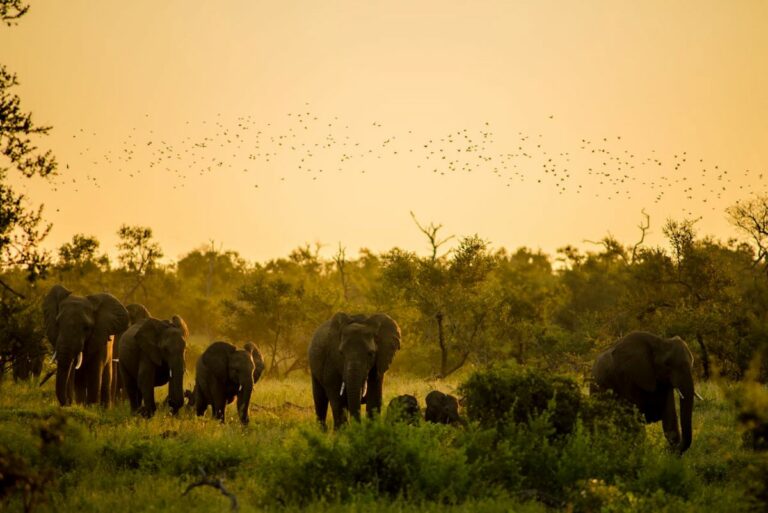
Beyond the Traditional Safari: Africa's Rainforest Hunts
When most hunters picture an African safari, they imagine open savannas, mopane woodland and tracking Cape buffalo across dusty game trails. Central Africa offers something entirely different. A Cameroon Hunting Safari, Hunting in the Republic of Congo or Hunting in Gabon takes place beneath a dense rainforest canopy where visibility is often measured in yards rather than hundreds of metres, and experienced local trackers become just as important as the professional hunter.
Rather than pursuing Africa's familiar plains game, rainforest safaris focus on some of the continent's rarest and most specialised trophies. Species such as those featured in Bongo Hunts, forest sitatunga, dwarf buffalo, giant forest hog and a remarkable variety of duiker species attract hunters and collectors from around the world who are looking to add animals that simply cannot be found elsewhere in Africa.
Rainforest hunting also demands a completely different approach. Ancient elephant trails replace open game paths, tracking is slow and deliberate, and success often depends on reading subtle signs hidden beneath thick vegetation. Distances are short, humidity is high and every hunt becomes a true team effort between the professional hunter and highly experienced local trackers who have spent their lives hunting these forests.
For collectors, a Central African safari often represents the next chapter after completing the more traditional plains game and dangerous game hunts of southern and eastern Africa. It is a specialised hunting experience that rewards patience, determination and an appreciation for some of Africa's rarest and least understood game species.
The Safari You Plan is Rarely the Safari You Remember
Most hunters arrive in Africa with a clear picture of how their safari will unfold. They have a particular trophy in mind, a route planned through the concession and perhaps even a photograph they've imagined taking long before boarding the aircraft. Africa, however, has a habit of rewriting those plans.
The buffalo you've tracked since sunrise may disappear into thick jesse bush just as you think the stalk is coming together. A mature leopard may ignore the bait for four consecutive nights before appearing when nobody expects it. The kudu you travelled halfway around the world to hunt may never present a shot, yet the old waterbuck taken on the final afternoon somehow becomes the trophy everyone talks about back home.
The most memorable moments are often the ones that never appear on a trophy sheet. They happen while listening to your professional hunter explain why the spoor suddenly changed direction, watching experienced trackers read signs that seem invisible to everyone else, or sitting around the campfire replaying the day's events with a cold beer in hand while tomorrow's plan slowly takes shape.
That is one of the reasons hunters return to Africa again and again. The trophies are important, but the stories, the people and the unexpected moments are often what stay with you long after the safari has ended.

Twenty Years From Now, What Will You Remember?
Long after the rifles have been cleaned, the trophies mounted and the photographs have fade, most hunters discover that it wasn't a set of measurements that brought them back to Africa. It was the moments that couldn't be measured.
You remember the first buffalo track disappearing into the dust at sunrise. The silence that settled over everyone when fresh leopard spoor crossed the road. The laughter around the campfire after another day in the bush and the tracker who quietly smiled because he had seen something nobody else had noticed. Those are the memories that grow richer every time they are told.
The finest African safaris have never been measured only by the number of trophies taken. They are measured by the friendships formed, the challenges overcome, the respect earned for the game pursued and the stories that somehow become better every year they are retold.
Choosing the right country is simply the beginning. The real reward is returning home with stories that will still be worth telling twenty years from now.
Conclusion
There is no single best country for big game hunting in Africa—only the destination that best matches the kind of safari you want to experience. Whether you are drawn to South Africa's incredible species diversity, Zimbabwe's traditional tracking safaris, Tanzania's vast wilderness, Mozambique's wild frontiers, Namibia's exceptional plains game or Botswana's legendary elephant hunting, each destination offers something unique.
The most successful safaris begin long before you arrive in Africa. They begin by choosing the right country, understanding what that destination does best and matching it to your own hunting goals. Make that decision well, and everything else—from the first spoor on the ground to the final evening around the campfire—has a way of falling into place.
Frequently Asked Questions
Which African country is best for a first big game hunting safari?
There is no single "best" destination. South Africa is often recommended for first-time hunters because of its excellent infrastructure, wide variety of huntable species and straightforward travel logistics. Hunters looking for a more traditional wilderness experience may prefer Zimbabwe or Tanzania, while Namibia, Mozambique and Botswana each offer their own unique advantages depending on the type of safari they are planning.
Which African country has the best Cape buffalo hunting?
Zimbabwe, Tanzania, Mozambique and Botswana all offer exceptional free-range Cape buffalo hunting, each with its own style of safari. South Africa also produces outstanding buffalo trophies, particularly on professionally managed hunting properties. The best destination depends on whether your priority is traditional tracking, trophy quality, accessibility or combining buffalo with other species.
Which country offers the best value for a big game hunting safari?
Value is about far more than price alone. Factors such as species availability, safari duration, travel costs, trophy fees and hunting style all influence overall value. A slightly more expensive safari may provide access to more species or a far more traditional hunting experience, making it the better long-term investment.
How long should my first African hunting safari be?
Most hunters find that seven to ten hunting days provide enough time to settle into camp and enjoy a successful safari. Dangerous game hunts, particularly for buffalo, elephant or leopard, often require ten to fourteen hunting days to allow sufficient time for tracking and changing conditions.
Can I combine dangerous game and plains game during the same safari?
Yes. Many African destinations allow hunters to combine dangerous game with a selection of plains game species during the same safari. South Africa, Zimbabwe, Mozambique and Tanzania are particularly well suited to combination hunts, although available species vary between hunting areas and licence types.
Should I focus on one trophy or several species?
That depends entirely on your hunting goals. Some hunters prefer spending their entire safari pursuing one mature buffalo or elephant, while others enjoy collecting a variety of plains game and dangerous game trophies during the same trip. Neither approach is better—the right choice is the one that matches the type of safari you want to remember.
Is big game hunting in Africa conducted on free-range land?
It depends on both the country and the hunting area. Countries such as Zimbabwe, Tanzania, Botswana and much of Mozambique are renowned for vast free-range hunting concessions. South Africa and Namibia offer both free-range and professionally managed fenced properties, each providing different hunting opportunities and management objectives.
What should I consider before choosing an African hunting destination?
Rather than focusing only on species lists, consider the type of safari you want to experience. Terrain, hunting style, safari length, physical demands, travel logistics and your long-term hunting goals are often far more important than simply choosing the destination with the highest number of huntable species.