
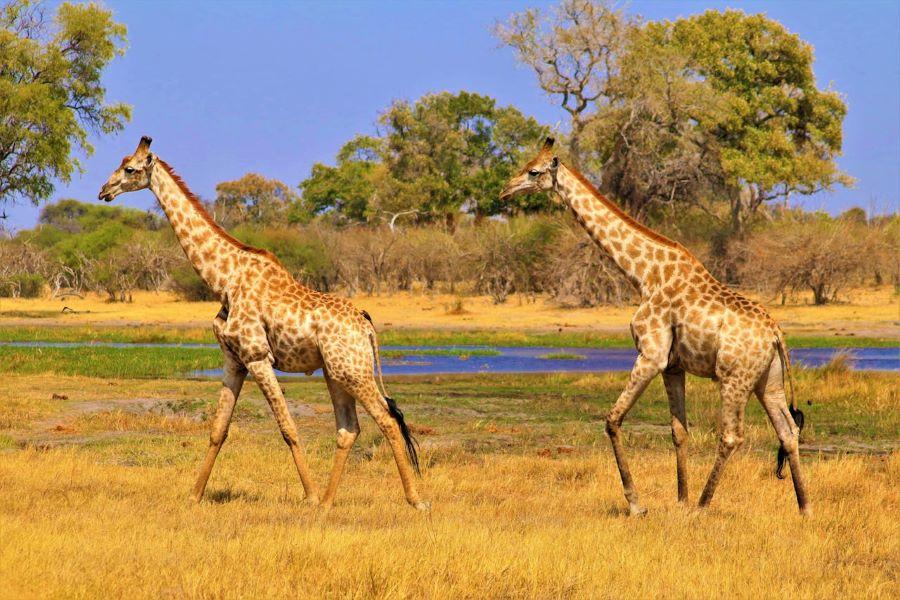
Botswana offers something different from many of Africa's established safari destinations. Vast wilderness areas, abundant wildlife and dramatically different landscapes give the country a character all its own, from the waterways and floodplains of the Okavango to the dry expanses of the Kalahari.
Hunters travelling here can encounter very different terrain depending on where the safari takes place. Opportunities for Big Game Hunting in Botswana sit alongside a wide variety of plains game, while those travelling with a partner or family can combine the hunt with some of southern Africa's most celebrated wildlife and tourism destinations.
It is this combination of wild country, diverse wildlife and opportunities beyond the hunt that continues to make Botswana such an appealing destination for international hunters.
[DYNAMIC-BLOGTABLEOFCONTENT]
Botswana: An Overview
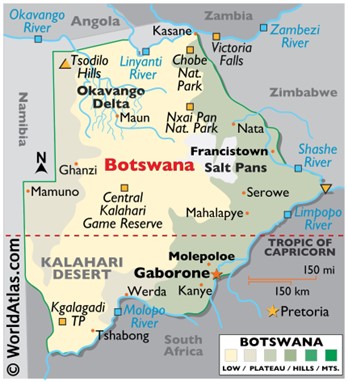
Botswana is a landlocked country situated in Southern Africa. It shares its borders with other popular game hunting destinations, including South Africa, Zimbabwe, and Namibia. It is one of the least populated countries worldwide, and sports flourishing and diverse wildlife that captivates both hunters and non-hunting enthusiasts to visit this African gem for a Botswana hunting safari.
As one of the most sparsely populated countries worldwide, Botswana is a dream come true for hunters wishing to experience “true” African hunting adventures. While trophy hunting in this diverse destination was declared illegal in 2014, the ban was lifted after five years, and Botswana is once again open to hunting, allowing hunters the opportunity to target a wide range of wildlife species.
The region is home to a thriving and diverse ecosystem that supports a vast number of animal, bird, and fish species.
Botswana combines abundant wildlife, diverse scenery, and some exquisite tourist attractions to allow an all-round African safari experience for anyone fortunate enough to visit it. It is the perfect safari hunting destination to include as a family destination, with various tourism attractions in the area allowing for pre- and post-hunting activities for the whole family.
What Makes Botswana Different From Other Hunting Destinations?
Botswana is a natural choice for a game hunting destination for many reasons including:
- Easy air travel transfers from South Africa on airlines such as Air Botswana, SAA, and SA Airlink
- A wide range of wildlife is available to hunt, including the Big 5, Dangerous 7, African plains game, as well as specialty species.
- In addition to game hunting species, the destination is also home to a large number of birds, perfect for bird watching safaris.
- A diverse range of locations, including terrains and regions to enjoy on African hunts in Botswana
- Hunting safari rates are seen as being reasonably priced and not too exorbitant
- Botswana is seen as being safe when compared to other African destinations.
Hunting Areas in Botswana
Botswana is truly a country of hidden gems. With two exceptional game hunting areas, this country is well worth adding to your bucket list.
Botswana is home to an abundant array of wildlife, including dangerous game, African plains game, specialty species, and African cats. From the lush vegetation of the Okavango Delta to the arid landscape of the Kalahari Desert, wildlife is thriving in this African hunting mecca.
There are two main areas for hunting in Botswana, namely the Okavango Delta, and the Kalahari Desert region. Both these regions are renowned for their exceptional hunting trophies, with each having specific challenges and rewards to enjoying a hunting safari in the different regions.
Okavango Delta
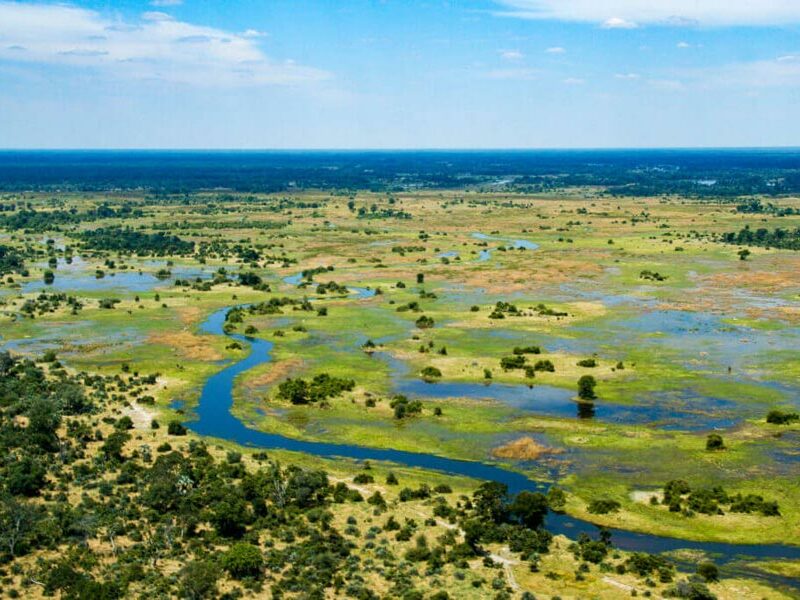
The Okavango Delta is an inland delta and unique as unlike most deltas, it doesn’t drain into a river or sea but rather drains into the Kalahari basin. The delta is 5,800 square miles, with both wet and dry areas within the region. As one would imagine, with a great water source such as this one, it is home to a magnitude of animal, bird, and fish species.
There are a variety of vegetation types within the delta, where lush forest regions are home to trees such as the acacia, sausage, and sycamore varieties, while other areas include seasonal swamp-type zones, grasslands, and reeds, as well as woodlands and savannas.
As one would imagine, this lush vegetation, combined with a reliable water source has animals trekking for miles to enjoy it. Top predators in the region include leopards, lions, and cheetahs, not forgetting the Nile crocodile which happily patrols the waterways. Other predators such as the spotted hyena, the brown hyena, and wild dogs happily prey on a variety of African plains game and specialty animals that inhabit the area.
The Okavango is also home to several species associated with Big Five Hunting, including lion, leopard, Cape buffalo and elephant, while hippo and Nile crocodile add to the region's impressive dangerous game diversity. Both the black and white rhino have been successfully reintroduced into the Okavango region through the Botswana Rhino Reintroduction Project but are not available for African hunts. Rhinos are found within protected areas and are available for game viewing through various organizations and conservation programs.
Elephant remain one of Botswana's most iconic wildlife species, and hunters considering Elephant Hunting in Botswana should understand that opportunities are carefully regulated through available quotas and designated hunting areas.
The lush region is the perfect habitat for African plains game, including the giraffe, greater zebra, plains zebra, red lechwe, warthog, and sable. No African hunting safari is complete without some baboons hanging around and these fascinating, yet dangerous mammals also call the Okavango home.
One of the great drawcards of the Okavango region is that it provides hunters with a truly “natural” hunting environment, without fences or fenced-in areas, making it a prime hunting ground for many types of hunting trophies.
Kalahari Desert
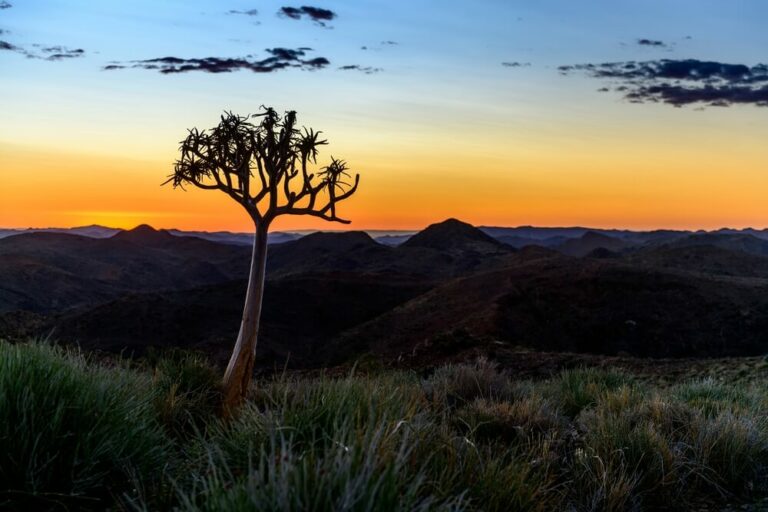
The Kalahari desert is a 350,000-mile squared area, covering much of Botswana, and extending into two of its neighbors, Namibia and South Africa.
The Kalahari is not your typical desert of just sand and actually receives too much rain to be regarded as a desert. That being said, you would not think that an annual rainfall of 5-10 inches is much to write home about.
The Kalahari dunes are the largest continuous expanse of sand worldwide, and include vegetation such as deciduous trees, grasses, and shrub areas. The area is alive with all types of wildlife, from reptiles and birds to animals, both large and small. The northern and western areas of the Kalahari are known to be wetter, allowing for different types of vegetation, including the camelthorn.
The area is home to a variety of specialty game, including meerkats, mongooses and honey badgers, while several African predators also inhabit the wider Kalahari. Lions and cheetahs occur in the region, while Leopard Hunts offer a very different challenge where suitable quota and hunting opportunities are available.
The Kalahari also offers opportunities for Plains Game Hunts, with species such as springbok, wildebeest, hartebeest, eland, gemsbok, giraffe and zebra inhabiting the region.
The Kalahari is also home to other dangerous game species, such as the Cape buffalo and elephant, making it the perfect dangerous game hunting destination.
Hunting Methods in Botswana
Botswana allows the use of both rifles and bows for African plains game but bow hunting of dangerous game is not permitted. The area is rich with wildlife in abundance, allowing the hunter to be spoilt for choice. Three main hunting methods are utilized in Botswana, depending on your area, as well as your target game species.
What is a Mokoro?
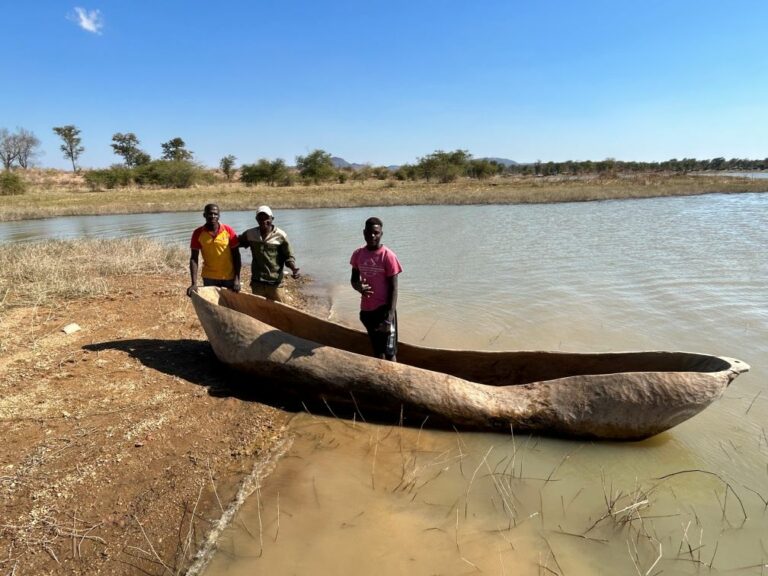
A mokoro is a traditional dugout canoe and one of the most distinctive ways to explore the waterways of the Okavango Delta. Guided through the shallow channels, visitors can experience the wetlands from an entirely different perspective, with opportunities to observe wildlife and birdlife along the riverbanks and surrounding floodplains.
While the mokoro is better known as part of the broader Botswana safari experience than as a hunting method, it can be a memorable addition before or after the hunt. For hunters travelling with a partner or family, it offers another way to experience the remarkable wilderness that makes the Okavango such a unique part of Botswana.
Walk-and-Stalk with Expert Trackers
Tracking remains an important part of many African hunts, and Botswana has a long tradition of exceptional bushcraft and field knowledge. The San people, whose hunter-gatherer heritage in southern Africa stretches back thousands of years, are particularly renowned for their remarkable tracking skills and ability to read subtle signs in the bush.
The trackers accompanying a safari will depend on the outfitter and hunting area, but experienced local trackers can play an invaluable role in locating game and following fresh spoor. Watching a skilled tracker interpret tracks and signs that most hunters would simply walk past can be one of the most memorable parts of a hunt.
Navigating from a vehicle
Botswana is a country of vast distances covered during a traditional hunting safari. Using vehicles allows the hunter to spot his trophy hunting target more easily.
Tourism in Botswana
When all is said and done, and the last game hunting trophy is harvested during your African hunting safari, you will be pleased to know that there are numerous tourism activities to indulge in, in this African gem. Tourists interested in more active activities can try their hand at angling, with tigerfish, bream, and catfish being popular catches amongst the country’s ample waterways.
Birdwatchers are spoilt for choice with more than 600 species of birds found in the area. Explore the Okavango Delta and other wetland regions to enjoy watching these feathered friends, both migratory and resident, in action.
For tourists in search of cultural tourism activities, Botswana offers an array of options including the opportunity to learn more about the San people by participating in nature walks and experiencing their heritage and culture.
For those wishing to take a bit of cultural souvenirs home with them, be sure to visit the local pottery centers near Gabarone, where the most beautiful pieces are produced. If you are visiting the Okavango region, the Hambukushu and Bayei women are renowned for their exquisite hand-woven baskets with intricate and colorful patterns.
A visit to Botswana’s Tsodilo Hills which is found in Ngamiland is well worth the effort. The Tsodilo Hills are quartzite rocky outcrops in the Kalahari Desert region and include more than 4,500 preserved rock paintings, which makes it one of the world’s largest concentrations of rock art and it is one of Botswana’s two World Heritage Site.
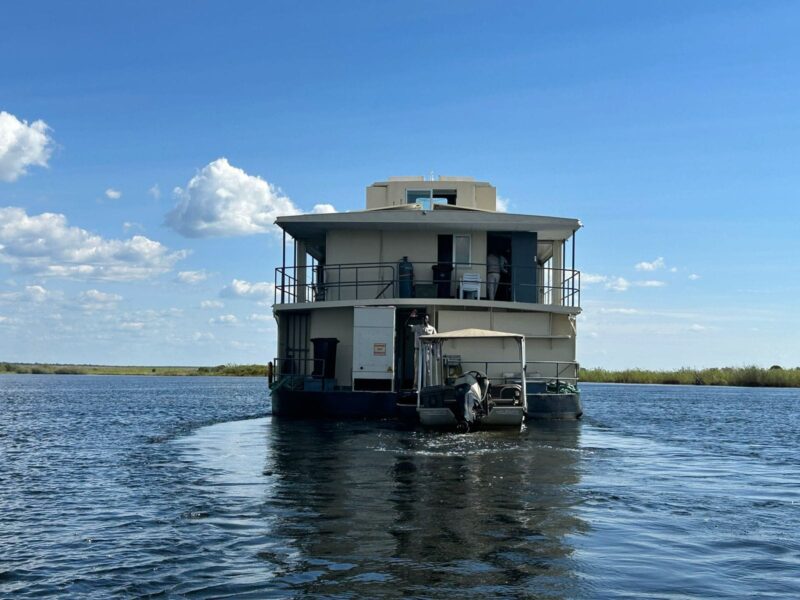
Did you know that the Okavango Delta is also a World Heritage Site? It is, in fact, Africa’s third-largest alluvial fan and the largest endorheic delta. This area is well worth exploring post-hunting safari! From boat cruises and game drives to nature walks in this lush area, the Okavango Delta should be on every tourist’s bucket list!
Botswana is truly an African gem, with its vast array of fauna and flora making it the perfect destination to explore on your own, or with your partner and family. Its friendly people, warm hospitality, and value for money make Botswana the perfect option for a pre or post-safari adventure!
Frequently Asked Questions
Is Botswana a good destination for a first African hunting safari?
Yes. Botswana can be a good choice for a first-time African hunter, particularly for those who want to combine their hunt with a broader wildlife or tourism safari. The right choice will depend on the species you wish to pursue, available quota and the type of hunting area you prefer. Hunters should discuss their priorities with an experienced outfitter before selecting a concession or safari package.
What animals can you hunt in Botswana?
Hunting opportunities in Botswana can include dangerous game and a variety of plains game, depending on current quotas and the hunting area. Species availability can vary between concessions and from one season to another, so hunters should confirm exactly which species and permits are available when planning their safari.
Can American hunters bring hunting rifles into Botswana?
International hunters can travel to Botswana with sporting firearms, subject to the country's current firearm import and permit requirements. Hunters travelling from the United States should arrange the necessary documentation well before departure and confirm requirements with their outfitter and airline, particularly when connecting through another African country.
How many days should I allow for a hunting safari in Botswana?
The ideal safari length depends largely on the species being hunted. A plains game safari may require fewer hunting days, while hunts involving dangerous game can benefit from additional time in the field. Hunters should also consider adding extra days before or after the hunt if they plan to visit the Okavango Delta or include other tourism activities.
What is the accommodation like on a Botswana hunting safari?
Accommodation varies according to the hunting area and outfitter. Depending on the safari, hunters may stay in permanent lodges, tented camps or more remote bush camps. In isolated hunting areas, accommodation may be relatively simple but comfortable, with the emphasis placed on location and access to good hunting country rather than resort-style facilities.
Can I take my wife or a non-hunting companion on a Botswana safari?
Yes. Botswana can be an excellent choice for hunters travelling with a spouse, family member or non-hunting companion. Depending on the camp and itinerary, observers may accompany some days in the field or enjoy separate activities. The country's wildlife viewing, Okavango waterways and other tourism attractions also make it possible to combine the hunting safari with a broader African vacation.
When is the best time to hunt in Botswana?
The best time will depend on the species, hunting area and conditions during that particular season. Weather, vegetation and water availability can all influence a hunt. Rather than choosing dates based solely on a general hunting-season calendar, hunters should ask their outfitter when conditions are typically most suitable for the species they intend to pursue.
Is Botswana better for dangerous game or plains game hunting?
Botswana can offer opportunities for both, although the best choice depends on the concession and available quota. Hunters interested in dangerous game should select an area specifically suited to their target species, while plains game hunters may find very different opportunities across the country's varied habitats. Some safaris can combine both, creating a broader hunting itinerary.
When the Hunt is Only Part of the Journey
Botswana offers hunters something that can be difficult to find elsewhere: the opportunity to combine time in genuinely wild country with a broader African journey. The hunt may be the reason for boarding the plane, but the Okavango Delta, the Kalahari and the country's remarkable wildlife can make the days before or after the safari just as memorable for hunters travelling with family or non-hunting companions.
When planning Hunting Trips to Africa, choosing the right destination is about more than the species available. The landscape, style of hunting, people you travel with and what you hope to do beyond the hunt all play a part. Botswana brings those elements together particularly well.
Whether the safari takes you into the dry country of the Kalahari or closer to the waterways of the Okavango, Botswana remains a destination where the hunting is only one part of a much bigger African journey.
About the Author
Tamlyn van Wyk is the co-founder of Game Hunting Safaris and has traveled extensively throughout southern Africa. Her firsthand knowledge of African hunting destinations and safari travel helps international hunters and their families understand what to expect when planning a hunting trip to Africa.