
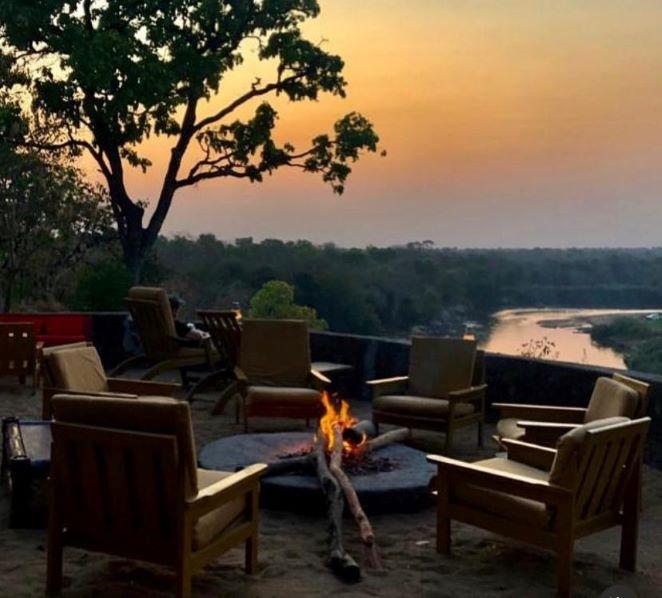
A hunter can book a good concession in Cameroon and still book the wrong hunt.
That is especially true in a country where the best areas are often defined by the species they produce rather than by the size of the block or the reputation of the operator alone. A northern savanna area that has a strong record for Lord Derby eland may not be the place a hunter should choose if savanna buffalo or roan are equally important. In the forest, one concession may be known for bongo, another may offer better elephant or sitatunga opportunities, and the difference between two camps can be far greater than a map suggests.
For hunters planning Hunting in Cameroon, the first question should therefore be simple: what animal are you really going there to hunt?
That answer should influence almost everything that follows. The exact block matters. So do recent sightings, current quota, the PH assigned to the safari, the tracking team, access to the productive parts of the area and what other species are realistically available once the primary objective has been decided.
Cameroon’s better operators understand this well. Some manage several hunting areas with different strengths, and individual camps can be better suited to particular species or parts of the season than others. That is a useful reminder that “Cameroon” is not one hunting product. Even within the same outfitting operation, two concessions can offer different opportunities.
The purpose of this article is not to decide which block is “best” in general. There is no useful answer to that question.
The better question is:
Which Cameroon hunting area gives you the best chance of having the hunt you came for?
Start With the Animal, Not the Name of the Concession
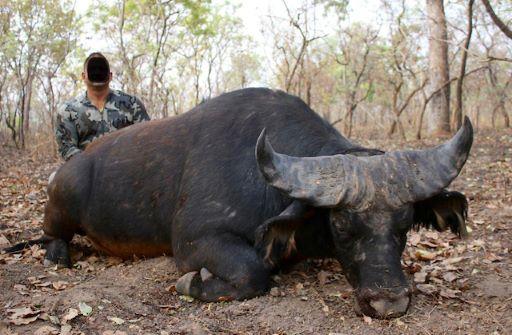
Hunters naturally pay attention to the reputation of an outfitter or hunting area. That reputation matters, but in Cameroon it is only the beginning of the decision.
The more useful starting point is the animal that justifies the trip.
A hunter travelling primarily for Lord Derby eland should be looking at an area through a different lens from someone whose priority is bongo. Even within the northern savanna, two concessions can carry similar species lists while offering different realistic opportunities for eland, roan or buffalo. The animals may all be present, and they may all appear on quota, but that does not mean each area is equally strong for them.
The same applies in the forest. A concession can be excellent hunting country without being equally productive for every forest species. One area may consistently produce good bongo opportunities while another is better known for elephant, sitatunga or forest buffalo. The important distinction is between a species being available and that species being one of the genuine strengths of the area.
Recent information from the exact block matters. Hunters should know what has been seen and taken there, how often the primary species is encountered, whether quota remains available, and whether the operator is still seeing the same quality that built the area's reputation in the first place.
Cameroon is expensive enough, remote enough and demanding enough that the primary animal should drive the choice of area. The concession name, camp and secondary species come after that.
If Lord Derby eland is the reason for the safari, start by finding the strongest realistic Lord Derby opportunity. If bongo hunting in Cameroon is the reason, begin with the forest area that gives the hunting team the best conditions for finding and working bongo.
Everything else can be built around that decision.
A Great Lord Derby Eland Area May Not Be the Best Area for Your Other Priorities
Lord Derby eland can dominate the planning of a northern Cameroon safari because it is often the animal that justifies the trip. But an area that is particularly strong for Lord Derby eland hunting in Cameroon may not be the best choice if buffalo, roan or another species is also high on the list.
Different concessions can produce different combinations of game. One block may be exceptional for eland but offer only average prospects for roan. Another may provide a stronger overall mix of buffalo, roan, kob and other savanna species. The licence may allow several animals, but the hunting area still determines how realistic those opportunities are.
That becomes important when two or three species genuinely matter to the hunter. A concession with the strongest record for the primary animal may still be the correct choice, but the secondary species need to be assessed realistically rather than assumed from the quota or species list.
A strong Cameroon safari is not necessarily the one with the longest species list. It is the one where the area gives the hunter the strongest realistic opportunity for the animal that matters most, with worthwhile options for whatever comes next.
Rainforest Species Need a Completely Different Area
The southern forest changes the decision completely.
Hunters looking for bongo, forest elephant, sitatunga or forest buffalo are not simply choosing another Cameroon concession. They are choosing a different hunting system, with different access, different tracking conditions and a different idea of what makes an area productive.
In the forest, the useful question is not how much ground the concession covers on paper. It is how much of that ground the hunting team can work effectively. Old logging roads, salines, river crossings, foot access and the ability to reach productive sections of forest can matter more than the total acreage. Our guide to what makes a good bongo hunting area goes deeper into why usable ground, active licks, access and current conditions matter so much in forest hunting. Two large concessions may therefore offer very different practical hunting areas once the safari begins.
The species mix can also change sharply from one block to another. An area that has a strong bongo record may not be equally strong for sitatunga or forest elephant. Another may hold excellent elephant and buffalo numbers but offer a different kind of bongo opportunity. The fact that all those animals occur in Cameroon does not make every forest concession interchangeable.
Local knowledge becomes especially important. Forest hunting depends heavily on people who know where animals have been moving, which salines are active, where fresh spoor is being found and which parts of the concession are producing at that point in the season. A hunter comparing two forest hunts should therefore look beyond the species list and ask how the exact area is being hunted now.
The best rainforest area is not necessarily the one with the most impressive list of available species. It is the one that gives the hunting team the strongest practical access to the animal that brought the hunter to Cameroon in the first place.
Ask Which Exact Hunting Block You Will Actually Hunt
“Cameroon” is too broad an answer when a hunter is trying to understand what he is booking.
The useful question is which exact hunting block, concession or camp the safari will be based from. That matters because neighbouring areas can hunt differently even when they fall under the same outfitter, share similar habitat and carry many of the same species on paper.
Mayo Oldiri is a good example. In the northern savanna, Djibao (Zone 23), Mayo Nduel (Zone 20) and Mayo Vaimba (Zone 11) are not promoted as interchangeable areas. Djibao is highlighted as a strong eland camp and lion area, Mayo Nduel for game variety and Topi/Korrigum, and Mayo Vaimba for early-season eland.
On the forest side, its areas include The Boumba (Zone 38), Covaref (Zones 1 and 6), Lognia (Zone 31) and Ngouya (Zone 37). Within Boumba itself, North and South are described differently: Boumba North is stronger for elephant and buffalo with better vehicle access to salines, while Boumba South is highlighted for bongo and elephant but requires more walking or canoe access because there are fewer vehicle tracks. Covaref is particularly strong for sitatunga, while Lognia is described as classic bongo country crossed by old forest roads.
Other operators reinforce the same point. Faro Safaris hunts Block 18 “Eden”, a 70,000-hectare area bordering Faro National Park, with access from Ngaoundéré by road. Hunters also discuss Blocks 17, 21 and 15 by number when comparing Lord Derby eland, buffalo and general game quality, which shows how serious hunters naturally narrow the discussion from “Cameroon” to the exact ground they will hunt.
An operator may have access to several concessions, but hunters will normally spend most of their safari in one of them. The history and current performance of a specific block are far more useful than a collection of trophies taken across the operator’s entire Cameroon programme.
Ask which block you are booked into. Ask what the primary species has been doing there recently, how long the outfitter has operated that ground, who the PH will be, and whether the same local team knows the area season after season.
The block should be named before the deposit is wired. So should the expected camp and, where possible, the area in which the primary species will be hunted.
It does not mean the plan will never change. Wildlife moves, rainfall alters access, and one of the advantages of a larger operator is that hunters may sometimes be moved between areas when another camp is producing better opportunities.
The important point is that the hunter should know what he is buying at the time the agreement is made, rather than arriving in Cameroon with only a country name and an outfitter logo.
Recent Sign and Recent Results Matter More Than an Old Reputation
A hunting area can have a famous name and still be the wrong place to judge by what happened there ten years ago.
Game numbers move, rainfall changes access and feeding patterns, hunting pressure varies, and an area that produced exceptional trophies in the past may go through quieter seasons. The opposite can also happen. A block that attracted less attention a few years ago may be hunting well because of better management, stronger game movement or simply favourable conditions.
Recent evidence from the exact area matters.
For a savanna hunt, hunters should look at what the PHs have been seeing during the current and previous seasons. Recent Lord Derby eland, buffalo or roan results are useful when they come from the block being offered rather than from another concession operated by the same company. Photographs are useful, but dates, locations and context make them far more valuable. A trophy photograph without knowing where or when the animal was taken tells hunters little about the hunt they are considering.
The same principle applies in the forest. Fresh bongo spoor, active salines, recent camera activity and what the trackers are finding can say more about the immediate hunting picture than an old run of successful safaris. Conditions change quickly in rainforest country, and an area can look different from one part of the season to another.
Hunters should also be careful with success percentages that are presented without context. A high success rate may be impressive, but it matters whether it reflects three hunters or thirty, whether they all hunted the same block, and whether the figures cover the last season or a much longer period.
For American hunters committing the time and money a Cameroon safari requires, recent information is worth asking for. The goal is not to demand a guarantee. No wild hunt can provide one. It is to understand whether the area being offered is producing the kind of opportunity that justified its reputation in the first place.
A good reputation should open the conversation. Current evidence should help close the decision.
The PH and Local Team Should Know the Area
A hunter may book a Cameroon safari through a PH or outfitter he already knows from another African country. That relationship has value, but familiarity with the hunter does not automatically mean familiarity with Cameroon.
A PH who has never hunted that block may still do an excellent job, especially when he is working with experienced local trackers and camp staff who know the ground. In Cameroon, those local teams can be critical. They know where animals have been moving, which roads or salines are active, how the season is changing and where time is being wasted.
The important point is to understand how the team will work together.
Ask whether the PH has hunted the concession before, how long the local trackers have worked that area and who will be making the field decisions when the track gets difficult or the hunt needs to change direction. A visiting PH can bring strong hunting experience, but he still needs to listen to the people who know that forest or savanna block day after day.
That is important when a hunter books with someone he has successfully hunted with elsewhere in Africa. The relationship may already be proven. The Cameroon experience of the local team may be what makes that relationship work in a different environment.
Frequently Asked Questions
Can You Choose Which Hunting Block You Hunt in Cameroon?
Sometimes, but hunters should not assume that every block operated by an outfitter is automatically available for every safari.
The block offered will depend on the species being hunted, available quota, safari dates, camp availability and the areas the operator has access to at that time. A hunter booking primarily for Lord Derby eland may therefore be offered a different concession from someone whose priorities include buffalo or roan.
If a particular block matters to you, confirm it before booking. The name or number of the hunting area should not first become clear after you arrive in Cameroon.
Does the Location of Camp Matter When Choosing a Cameroon Hunting Area?
Yes, particularly when productive hunting country lies a long distance from the main camp.
A concession may be enormous, but that does not help the hunter if several hours are lost every morning and evening simply reaching the part of the area being hunted. Some Cameroon operations use temporary or semi-permanent fly camps to place hunters closer to productive ground when necessary.
That can be especially useful in rainforest concessions, where access is slower and relatively short distances can take considerable time to cover. Some GHS-listed Cameroon hunts specifically use fly camps to reduce daily travel and keep hunters closer to active hunting areas.
Is a More Remote Cameroon Hunting Area Automatically Better?
No, remoteness can reduce outside disturbance and help preserve a genuine wilderness experience, but distance from a town or airport does not tell you how well a concession is hunting.
A remote area can still have weak game numbers, difficult access, poor management or little current activity from the species you came to hunt. Conversely, a more accessible concession can hunt extremely well if it has strong habitat, good management and healthy wildlife populations.
Judge the area by what is happening inside the concession, not by how difficult it is to reach.
How Much Daily Travel Inside the Concession Should I Ask About?
Enough that you understand how much of each hunting day will be spent hunting.
Large Cameroon concessions can require considerable vehicle travel before trackers reach the country they want to work. That is not necessarily a problem. Covering distance is part of hunting large wilderness areas, but there is a difference between travelling through productive country and spending several hours simply commuting to it.
Before booking, ask roughly how long it normally takes to reach the primary hunting areas from camp and whether fly camps or other arrangements are used when the hunting moves farther away.
For an American hunter already committing substantial travel time to reach Cameroon, protecting the usable hunting days once in camp matters more than shaving a few hours off the international journey.
Choosing the Right Cameroon Hunting Area
There is no single “best” hunting area in Cameroon for every hunter. The right concession depends on the animal that matters most, what else you hope to hunt, how that exact block is performing now and the experience of the team that will be hunting it with you.
That is the standard we use when helping clients compare hunting trips in Africa: start with the actual hunt, not the name on the brochure.
Author
Pierre van Wyk is the co-founder of Game Hunting Safaris. His articles draw on extensive feedback from GHS clients, professional hunters and outfitters across Africa, with a focus on the practical questions hunters should ask before booking a safari.